

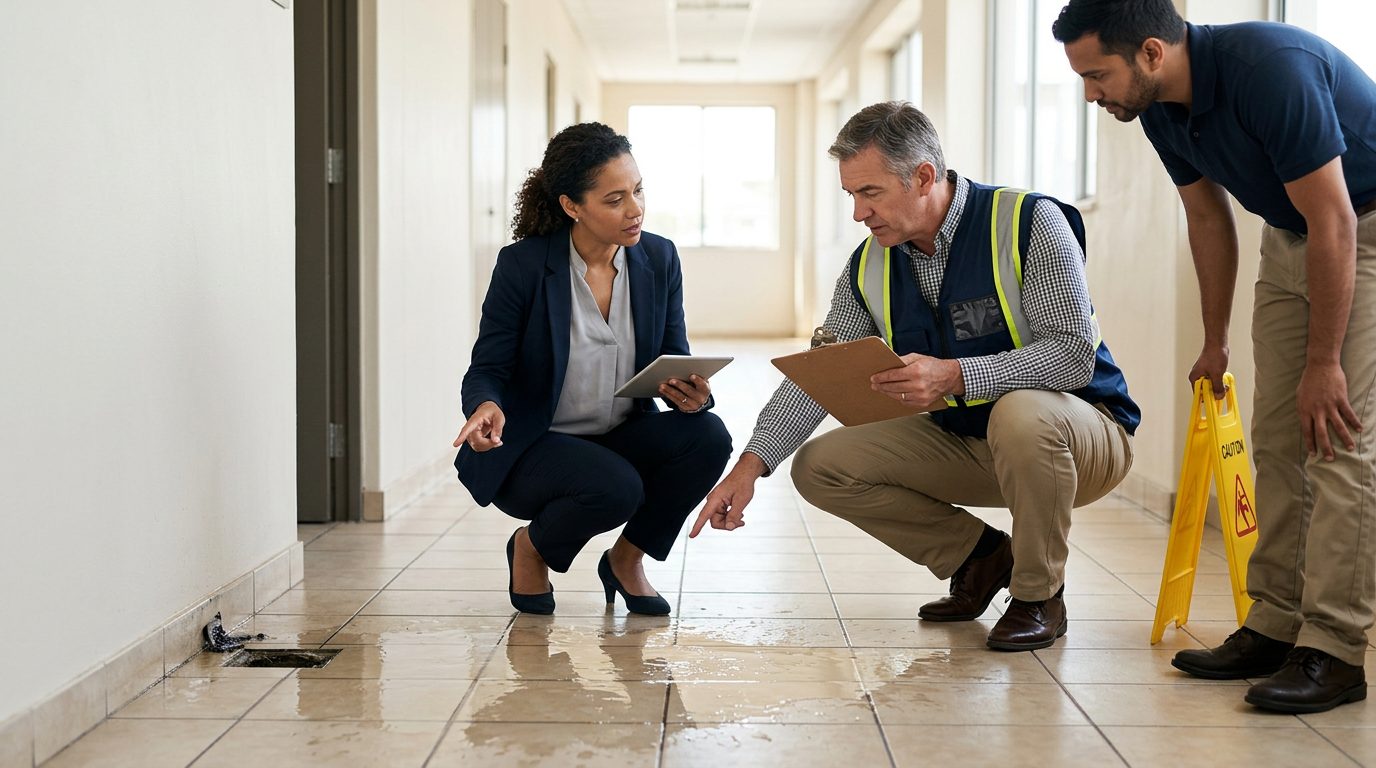
Slip and Fall | Florida
Slip and Fall Liability in Florida: When Owners Are Responsible
Property owners have a legal duty to keep their premises safe. If you were injured because they failed to do so, you may have a claim.
By CHG Lawyers · Published September 25, 2026
Slip and Fall Liability in Florida: When Owners Are Responsible
When you slip and fall on someone else’s property—a store, apartment complex, parking lot, or restaurant—the property owner isn’t automatically liable for your injury. Florida law requires you to prove the owner failed in a specific legal duty. Understanding when a property owner can be held responsible is the first step in deciding what to do next.
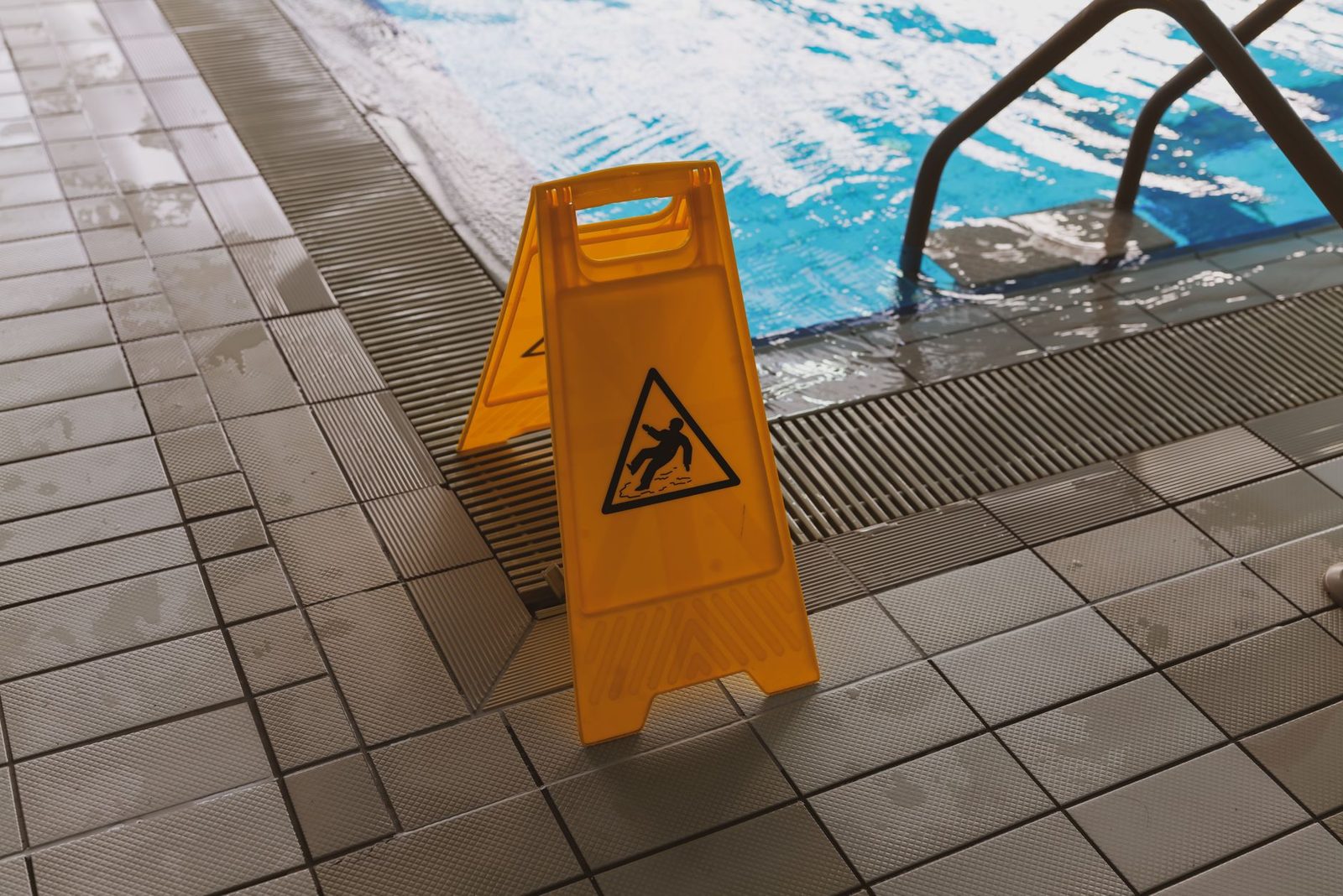
If you were injured because they failed to do so, you may have a claim. Talk it through with our team — the first consultation is free, confidential, and carries no obligation.
What Does It Mean for a Property Owner to Be Liable for a Slip and Fall?
Property owner liability means the owner or manager failed to keep the property reasonably safe. That failure directly caused your injury. In legal terms, this is called “premises liability.”
The core question is simple: Did the owner know (or should they have known) about the hazard? Did they fail to fix it, warn you, or take reasonable steps to prevent the danger? If yes to both, the owner may be responsible.
The Legal Standard: What Duty Does a Property Owner Owe You?
Florida law requires property owners to maintain their premises in a reasonably safe condition. They must fix known hazards, warn visitors clearly about them, or make reasonable efforts to discover hazards before someone gets hurt.
The duty a property owner owes you depends on your status on the property:
- Invitees (customers, tenants, guests invited onto the property) receive the highest level of protection. The owner must inspect the property and discover hazards that could cause harm.
- Licensees (people with permission to be there but not for business, like a friend visiting your home) receive lower protection.
- Trespassers receive the least protection.
Most slip-and-fall victims are invitees. This means the property owner owes you a significant duty of care.
When Is a Property Owner Actually Responsible? The Four Key Factors
To establish that a property owner is liable for your slip-and-fall injury, Florida courts examine four specific elements:
1. The hazard existed. There was a wet floor, broken step, debris, uneven surface, poor lighting, or another dangerous condition on the property.
2. The owner knew about it (or should have known). The owner either created the hazard themselves, or they had enough time to discover it through reasonable inspection. This is often the most critical factor.
3. The owner failed to act. They didn’t fix the hazard, didn’t post a clear warning sign, and didn’t make the area safe. Doing nothing when they knew (or should have known) about the danger is negligence.
4. The hazard caused your injury. Your fall and the resulting injury happened directly because of that specific condition—not because you were careless or distracted.
All four elements must be proven. If even one is missing, the owner may not be held liable.
Common Slip and Fall Scenarios Where Owners Are Held Responsible
In the slip-and-fall cases we handle, we frequently see situations where property owners are found liable:
- Wet floors in stores, restaurants, or offices without warning signs or timely cleanup
- Broken or uneven flooring, cracked pavement, or missing handrails that create a tripping hazard
- Poor lighting in parking lots, stairwells, or entryways that hides hazards and makes dangers invisible
- Debris, spills, or obstacles left in walkways that the owner knew about or should have discovered
- Inadequate maintenance of common areas in apartment complexes or condominiums
- Failure to salt or clear ice and snow from walkways during winter months
The common thread: the owner either created the condition or had time to find it and fix it—and didn’t.
How Much Is a Slip and Fall Case Worth in Florida?
Compensation in a slip-and-fall case depends on how severe your injury is and how it affects your life. There is no fixed formula.
Recoverable damages typically include:
- Medical bills (past and future)
- Lost wages and lost earning capacity
- Pain and suffering
- In serious cases, permanent disability or disfigurement
A minor bruise or sprain may result in a smaller settlement. A serious fracture, head injury, or permanent disability can be worth significantly more. Each case is unique. Past settlements do not predict what your case may be worth.
Not sure what your next step is?
Talk it through with our team — the first consultation is free, confidential, and carries no obligation.
How Hard Is It to Win a Slip and Fall Case?
Winning a slip-and-fall case depends on proving all four factors above. The biggest challenge is often proving the owner knew (or should have known) about the hazard and had time to discover it.
For example, if a spill happened only moments before you fell, the owner may not have had time to find it. But if security cameras show the spill sat there for hours, liability becomes much clearer.
What Is the 51% Rule in Florida?
Under Florida’s comparative-negligence law (Fla. Stat. §768.81), you can still recover damages even if you were partly at fault. You just can’t be more than 50% responsible for the accident.
If you are found 51% or more at fault, you cannot recover anything.
If you are found 20% at fault and awarded $10,000 in damages, you would receive $8,000 (the $10,000 reduced by your 20% share of fault).
The property owner’s insurance company will often argue you were careless to reduce what they owe you. This is why evidence of the owner’s negligence is so important.
How Long Does It Take to Settle a Slip and Fall Case in Florida?
Timeline varies widely depending on the facts:
- Simple cases with clear liability and minor injuries may settle in a few months.
- More serious injuries or disputed liability can take 1–2 years or longer.
- The timeline depends on how long medical treatment takes, how long evidence gathering takes, and how long negotiation with the insurance company takes.
- If the case goes to trial, it can take even longer.
Patience and thorough documentation early on often lead to better outcomes.
What Evidence Do You Need to Prove the Owner Was Responsible?
Strong evidence is essential. Gather and preserve:
- Photos or video of the hazard (the wet floor, broken step, poor lighting, debris)
- Witness statements from people who saw the condition or your fall
- The incident report filed with the property owner or manager at the time
- Medical records documenting your injuries and treatment
- Maintenance records showing the owner failed to inspect or repair the area
- Expert testimony about how long the hazard likely existed and whether the owner should have discovered it
The more evidence you collect early, the stronger your claim becomes.
What Should You Do Right After a Slip and Fall?
Taking the right steps immediately after a fall can make a huge difference:
- Seek medical attention right away, even if you think the injury is minor. Some injuries worsen over time.
- Report the incident to the property owner or manager. Request a written incident report.
- Take photos of the hazard, the scene, and your injuries (if safe to do so).
- Get contact information from any witnesses who saw the fall or the hazard.
- Keep all documentation—medical records, receipts, pay stubs showing lost wages.
- Do not sign anything or give a recorded statement to the property owner’s insurance company without legal advice first.
Have questions about what happened?
Ask our team directly. The first conversation is free, confidential, and there is no obligation to continue.
Statute of Limitations: How Long Do You Have to File a Claim?
In Florida, you generally have two years from the date of your slip and fall to file a lawsuit. This deadline is strict. If you miss it, you lose your right to sue.
It’s wise to contact a lawyer much sooner. Evidence can disappear. Memories fade. Witnesses become hard to locate. The sooner you act, the better.
FAQ
Can I sue a property owner if I was partly careless?
Yes. Under Florida law, you can recover damages even if you were partly at fault, as long as you were not more than 50% responsible for the accident.
What’s the difference between an invitee, licensee, and trespasser?
An invitee is invited onto the property (a customer or tenant). A licensee has permission but isn’t there for business (a friend). A trespasser has no permission. Invitees receive the highest level of legal protection from property owners.
How do I prove the owner should have known about the hazard?
Show that the hazard existed long enough that a reasonable inspection would have found it, or that the owner created it. Maintenance records, security footage, and witness testimony help prove this.
What if the property owner posted a warning sign?
A warning sign may reduce the owner’s liability, but it doesn’t eliminate it if the sign wasn’t clear, visible, or adequate to protect visitors from the actual hazard.
If you’ve slipped and fallen on someone else’s property in Florida and you’re trying to figure out whether the owner should be held responsible, the details of your situation matter. People who’ve been injured this way reach out regularly to understand whether they have a claim and what their next steps might be. We’re here to listen and help you sort through your options.
When a Property Owner May Be Liable
Duty of Care
Property owners must maintain their premises in a reasonably safe condition and warn visitors of known hazards.
Actual or Constructive Knowledge
An owner is liable if they knew—or should have known—about a dangerous condition and failed to fix it or warn you.
Reasonable Time to Discover
Florida courts consider whether the owner had a reasonable opportunity to discover and remedy the hazard before you were injured.
Your Status on the Property
Your legal status—customer, tenant, or visitor—affects the owner's duty. Customers and tenants are owed the highest level of care.
Common Slip and Fall Scenarios
Wet or Slippery Floors
Spills, leaks, or inadequate drainage that create hazardous walking surfaces—especially without warning signs or barriers.
Broken or Uneven Surfaces
Cracked sidewalks, broken steps, potholes, or torn carpeting that cause trips and falls.
Poor Lighting
Inadequate or burned-out lighting in hallways, parking areas, stairwells, or entryways that obscures hazards.
Negligent Maintenance
Failure to repair known defects, clear debris, or maintain safe conditions over time.
Important: Comparative Fault in Florida
Florida law allows you to recover compensation even if you were partly at fault for the fall—as long as you were not more than 50% responsible. Your recovery will be reduced by your percentage of fault.
Steps to Strengthen Your Claim
Document the Scene
Take photos of the hazard, the surrounding area, and any warning signs (or lack thereof). Note the date, time, and lighting conditions.
Gather Witness Information
Collect names and contact details from anyone who saw the fall or the hazardous condition.
Report the Incident
Notify the property owner or manager in writing and request a copy of any incident report filed.
Seek Medical Attention
Get evaluated by a healthcare provider and keep detailed records of all treatment, expenses, and ongoing symptoms.
Why You Need Legal Representation
Complex Liability Rules
Florida slip and fall law involves multiple factors—your status on the property, the owner's knowledge, and comparative fault. An attorney will navigate these rules on your behalf.
Dealing with Insurance Companies
Property owners' insurers often dispute liability or minimize injuries. We handle negotiations so you can focus on recovery.
Fair Compensation
We work to recover damages for medical bills, lost wages, pain and suffering, and ongoing care—not just a quick settlement offer.