

Slip and Fall Claims in Florida
Hurt in a Fall on Someone Else's Property? Know the Clock Before You Wait
A fall can change your health, your work and your finances in a single moment. Here is how Florida's filing rules fit into the path ahead.
Why Florida Families Call CHG Personal Injury Lawyers
Florida
Based in Florida and serving clients throughout the state
Florida Bar
Attorneys admitted to The Florida Bar
Free
Confidential first consultation with no obligation to continue
By CHG Lawyers · Published November 9, 2026
Slip and Fall Statute of Limitations in Florida: Deadlines, Proving Negligence, and Evidence to Keep
You were walking through a grocery store, an apartment building, or a parking garage. The floor was wet. The stairs were loose. Or the light was too dim to see the hazard. You fell and you were hurt.
Now you have two questions:
How much time do I have to act? Could the owner say I was to blame?
These are the right questions. This page answers them in plain language. It covers the slip and fall statute of limitations in Florida, so you can decide what to do next.
Not sure what your next step is?
Talk it through with our team — the first consultation is free, confidential, and carries no obligation.
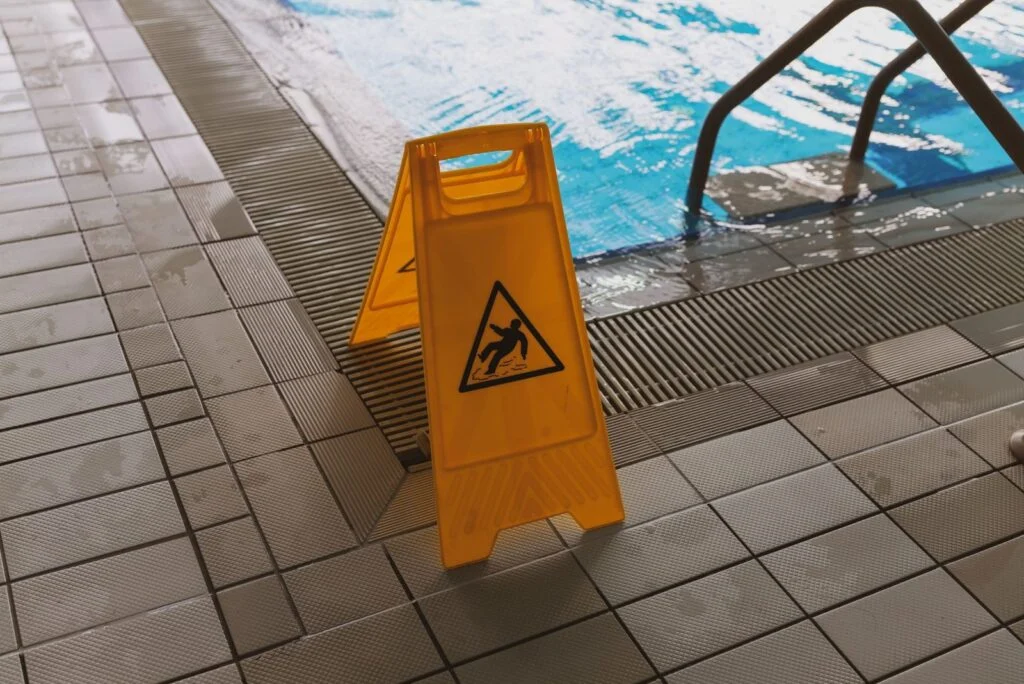
The Slip and Fall Statute of Limitations: How Much Time You Have
Florida law sets a time limit for filing a lawsuit. This time limit is called the statute of limitations.
Under Fla. Stat. § 95.11(5)(a), a negligence action must be started within two years. A slip and fall claim is usually a negligence claim.
If the deadline passes, you can lose the right to sue. This can happen even if the owner was clearly at fault.
The two-year period applies to claims that accrued (began) after March 24, 2023. The amendments made by this act to s. 95.11, Florida Statutes, apply to causes of action accruing after the effective date of this act (Ch. 2023-15, § 28, Laws of Fla.).
Florida’s general rule for when the clock starts is in Fla. Stat. § 95.031. It says a claim accrues when the last element of the claim occurs. The start date can depend on the facts. Do not assume you have more time than you do.
Deadlines apply. Contact the firm promptly after any fall. Waiting to see how your injury develops can cost you the time you need to build your case.
Who Is Responsible: The Four Things You Must Prove
Every slip and fall is different. The facts of each one matter.
- Duty of care: The property owner owed you a duty to keep the property reasonably safe.
Element 1: Duty of Care
Element 2: Breach of Duty
Florida’s Supreme Court describes a business’s duty to its invitees (people who visit the business). The business must keep the property reasonably safe. It must also warn of hidden dangers that it knew about or should have known about. See Valladares v. Bank of America Corp. (Fla. 2016).
Common examples include:
- A spill left unattended with no warning sign
- Broken stairs or uneven flooring that stayed unrepaired after the owner knew about them
- Poor lighting in a parking garage, stairwell, or hallway that hid the hazard
- Missing, blocked, or unreadable warning signs
- A known hazard that was ignored after tenants or customers complained
For a fall on a spill or other temporary foreign substance (something on the floor that does not belong there) in a business, Fla. Stat. § 768.0755 has a rule. You must prove the business had actual knowledge (it knew) or constructive knowledge (it should have known) of the danger. You must also show it should have acted to fix it.
Constructive knowledge can be shown with circumstantial evidence, which is indirect proof. For example, the condition may have lasted long enough that the business should have noticed it. Or the condition may have happened so often that it was foreseeable (predictable).
Element 3: Causation
Causation is the link between the owner’s failure and your fall. If a wet floor with no warning sign caused your fall, the missing sign is the link. If you tripped on a pothole that had been reported many times, the unrepaired pothole is the link.
Your own conduct also matters. Florida uses comparative fault (Fla. Stat. § 768.81(6)). In a negligence action, the court enters judgment against each party liable based on that party’s percentage of fault, not under joint and several liability.
Running in socks across a wet floor or ignoring an obvious warning can weaken your claim. How fault is divided depends on the facts. That is why the details of your fall matter so much.
Element 4: Damages
Damages are money for the measurable harm you suffered. They can include:
- Medical bills, from emergency care through surgery, therapy, and ongoing treatment
- Lost wages for time away from work
- Lost earning capacity if your injury affects your ability to earn in the future
- Pain and suffering, including physical pain, emotional distress, and reduced quality of life
- Ongoing care costs, such as assistance or adaptive equipment
Medical records, bills, pay stubs, and employer statements document these losses. Pain and reduced quality of life are harder to measure. They are still part of the damages a claim can include.
Evidence to Preserve: A Practical Checklist
Evidence is often the difference between a claim that holds up and one that stalls. Many useful records disappear within days. Start now.
At the scene, if you are able:
- Photographs and video of the hazard, the surrounding area, the lighting, any warning sign (or lack of one), and your footwear
- Witness names, phone numbers, and email addresses from anyone who saw the hazard or your fall
- A written incident report filed with the store, property manager, or owner, plus a copy for yourself
Within the first days:
- A written request that the property preserve security footage from the area and the time of your fall. Footage is often overwritten on a schedule, so ask quickly.
- Maintenance logs, cleaning schedules, and prior complaints about the same hazard. You can request these in writing.
- Records of the hazard’s history, such as repair requests, tenant emails, or reports from earlier falls
For your injury:
- Every medical record, bill, and receipt, kept in one folder
- Pay stubs and employer letters showing time missed and any changes to your work
- A personal journal describing how the fall happened, what you saw, and how your daily life has changed
Follow your doctors’ care. Attend your appointments and take treatment as prescribed. Tell your providers about every symptom. Your health comes first. Complete medical records also strengthen your claim.
Common Slip and Fall Scenarios
Wet floors without warning signs: A business has a duty to warn of spills or clean them promptly.
Once they know a step is broken and do not repair it, the breach becomes easier to prove.
Lighting that hides a hazard can be part of the claim.
Debris or obstacles: Leaving objects in walkways that cause a trip raises a key question. Did the owner inspect and clean the area?
Hazards reported before: If the owner knew about the hazard through complaints or prior incidents and did nothing, that history is often central to the case.
How Settlement Value Is Determined
No one can promise a result or a specific amount. Every case turns on its own facts.
In general, several factors affect what a claim may be worth:
- How strong the proof of negligence is
- How clearly fault lies with the owner
- The documented losses
- Whether the injury is temporary or permanent
A broken ankle that heals in a few months is valued differently from an injury that causes permanent limitations.
A fair resolution should account for documented medical costs, lost income, future care needs, and the physical and emotional toll of the injury. It should not cover only the bills. An attorney can review your records and explain how these factors apply to your situation.
Not sure what your next step is?
Talk it through with our team — the first consultation is free, confidential, and carries no obligation.
Who We Are
CHG Personal Injury Lawyers represents people throughout Florida who have been hurt in falls and other accidents. We handle everyday injuries and catastrophic, life-altering harm.
Igor Hernandez, an attorney admitted to The Florida Bar, is the lawyer responsible for this page. Our team of support staff helps families gather records, keep deadlines on track, and stay informed. The firm handles cases for people in Miami, Orlando, Tampa, Jacksonville, and communities across the state.

Frequently Asked Questions
What if I was partly at fault for my fall?
Under Fla. Stat. § 768.81, in a negligence action, a party found more than 50 percent at fault for their own harm may not recover any damages. This bar does not apply to personal injury or wrongful death claims arising out of medical negligence under chapter 766.
Can I recover if the owner did not know about the hazard?
Possibly.
What if there was a warning sign and I did not see it?
If a sign was near where you were hurt, a photo showing where it stood and what it said can help your lawyer understand what happened. A sign that was blocked, too small, placed where you would not expect it, or unreadable may not be adequate. The owner may still be responsible.
How long does a slip and fall case take?
Timing varies. Cases with disputed fault or serious injuries that need ongoing medical evaluation often take longer. Cases with clear fault and documented injuries can move faster.
If you have been injured in a slip and fall, contact CHG Personal Injury Lawyers. We can review the details of your fall. We can evaluate whether negligence is provable under Florida premises liability law and explain your options.
Learn how to document a slip and fall injury and what your claim may involve.
Contact us today for a free case evaluation. Tell us what happened, and we will explain your next steps. The first consultation is free, confidential, and carries no obligation to continue. CHG charges no attorney’s fees and no case costs unless there is a recovery.
After a Fall: Steps That Help Protect Your Claim
Get medical care
See a doctor as soon as you can, even if you feel you can walk it off. Follow your doctors' care and keep every appointment and prescription record.
Report the fall
Tell the property owner or manager what happened and ask that the incident be written down in an official report.
Document the scene
If you are able, photograph the hazard, the lighting, the floor or surface, and any warning signs or their absence. Note the names of witnesses.
Keep your records
Save medical bills, receipts, pay stubs showing missed work, and notes about how the injury affects your daily life.
Contact our team promptly
Florida deadlines apply to these claims. Calling early gives our lawyers time to review the facts while they are still fresh.
What You Can Expect When You Call Our Firm
A confidential conversation
Tell us what happened in your own words. We will listen and explain the options available under Florida law.
A review of your records
Our team can look at the incident report, medical records and any photos or witness information you have gathered.
Fees only if there is a recovery
CHG Personal Injury Lawyers charges no attorney's fees and no case costs unless there is a recovery.
Attorneys who explain each step
Our lawyers, including Igor Hernandez, keep you informed in plain language, so you always know where your case stands.
Do Not Let Time Slip Away
Deadlines apply to slip and fall claims in Florida, and the rules can be strict. Waiting to talk with a lawyer can make it harder to gather evidence and records. Contact our firm promptly so we can review your situation.