

Slip and Fall | Broken Arm
What Is a Broken Arm Slip and Fall Settlement Worth?
Understanding compensation ranges and what affects your claim's value.
By CHG Lawyers · Published September 24, 2026
Broken Arm Slip and Fall Settlement: What Your Parking Lot or Garage Claim May Be Worth
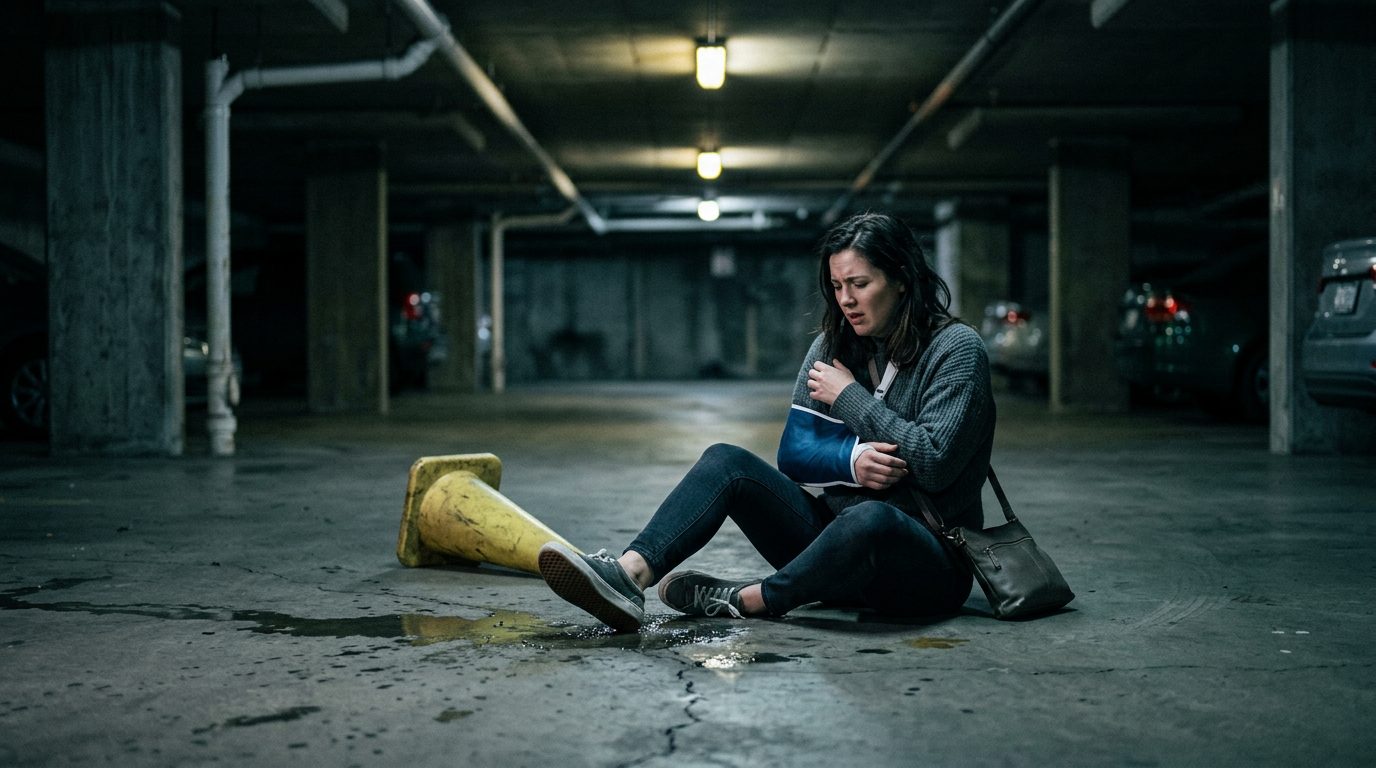
A broken arm from a slip and fall in a parking lot or garage can be a simple fracture or a complex break requiring surgery. What your broken arm slip and fall settlement is worth depends on the property owner’s negligence, your injury severity, medical treatment, and lost income—not a generic “average” amount.
No two broken-arm cases settle the same way. Each injury and circumstance is different.
Not sure what your next step is?
Talk it through with our team — the first consultation is free, confidential, and carries no obligation.
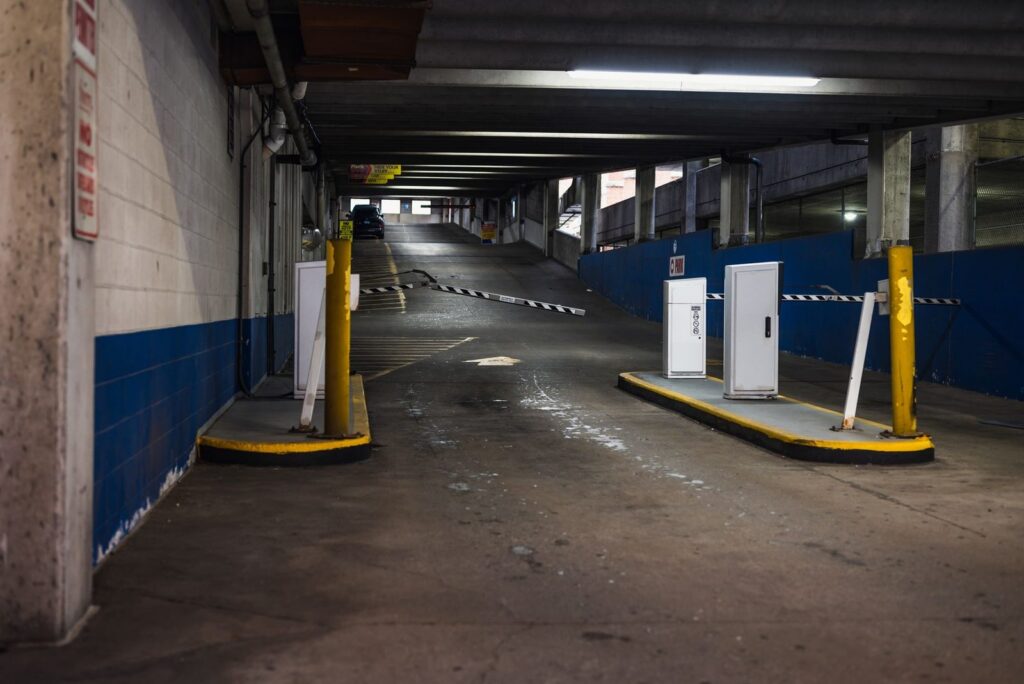
Why Parking Lots and Garages Have High Slip-and-Fall Risk
Parking lots and garages are high-traffic areas with many hazards:
- Wet surfaces from rain or cleaning
- Spilled liquids
- Debris on the ground
- Cracked or uneven pavement
- Poor lighting that hides obstacles
- Inadequate maintenance
Property owners have a legal duty to maintain these areas reasonably safely. They must also warn visitors of known dangers.
A broken arm slip and fall settlement value depends partly on the break type. A hairline fracture that heals on its own differs greatly from a complex break requiring surgery, pins, plates, or extensive physical therapy.
What Determines Your Broken Arm Slip and Fall Settlement Amount
Settlement amounts vary widely because they depend on your specific facts, not a standard formula. Key factors include:
- Break severity (simple fracture vs. complex break requiring surgery)
- Property owner negligence (failure to maintain or warn of the hazard)
- Medical treatment and recovery (surgery, therapy duration, lasting effects)
- Lost wages (income lost while unable to work)
- Pain and suffering (physical pain, emotional distress, permanent disability)
A broken arm in a well-lit, maintained garage may be worth far less than the same injury in a dark, neglected parking lot. Your attorney’s ability to gather negligence evidence and document damages also affects settlement value.
The Foundation: Property Owner Negligence
A broken arm slip and fall settlement depends first on whether the property owner was negligent. They must have failed to maintain the area reasonably safely.
Examples of negligence include:
- Failing to clean up spilled liquid promptly
- Not repairing cracked or uneven pavement
- Inadequate lighting that hides hazards
- Broken or missing handrails
- Failure to warn of a known hazard
- Neglecting routine maintenance and inspection
If the property owner was clearly negligent and you were not careless, your claim is stronger. If they took reasonable steps to prevent the hazard or warn you, or if you were partly at fault, settlement value may be lower.
Economic Damages: Medical Costs and Lost Income
Economic damages are concrete, measurable costs from your injury:
- Emergency care and imaging (X-rays, CT scans, MRI)
- Surgery and anesthesia (if your break required surgical repair)
- Hospital stay (if admitted)
- Physical therapy and rehabilitation (to restore strength and motion)
- Follow-up appointments and ongoing treatment
- Lost wages (income lost during recovery)
- Lost earning capacity (if permanent weakness reduces future income)
Keep detailed records of all medical bills, receipts, and pay stubs. These damages are easiest to prove because they are documented in writing.
Non-Economic Damages: Pain, Suffering, and Disability
Non-economic damages compensate you for pain, suffering, loss of enjoyment, and permanent scarring or disability. These are harder to measure because they lack a dollar receipt.
A break that heals fully with no lasting effects results in lower pain-and-suffering damages than one causing chronic pain, limited motion, or permanent weakness. Long-term disability or inability to return to work increases non-economic damages significantly.
Courts and insurance companies often estimate pain and suffering as a multiple of your medical expenses. The typical range is 1.5 to 5 times total medical bills, depending on injury severity and lasting impact.
- A minor break might be valued at 1.5 times your medical bills.
- A complex break requiring surgery and causing permanent disability might be valued at 3 to 5 times.
Broken Arm Settlement Ranges
Published data suggests broken-arm claims in slip-and-fall cases often range from $10,000 to $50,000 or more, depending on severity.
- A minor break with quick recovery may settle in the lower range ($10,000–$25,000).
- A complex fracture requiring surgery, months of therapy, and lasting disability may settle higher ($50,000–$100,000 or beyond).
- Parking-lot and garage cases may differ because property owners have a clear, documented duty to maintain these areas.
These ranges are illustrative only. Your actual settlement depends on your specific injury and circumstances.
Is a Broken Arm a Major Injury?
Whether a broken arm is “major” depends on type and severity.
A simple fracture that heals without surgery and causes no lasting problems is serious but may not be catastrophic. A complex break, one requiring surgery, or one causing permanent nerve damage, loss of function, or chronic pain is treated as more serious. The more severe and lasting your injury, the higher your settlement is likely to be.
Have questions about what happened?
Ask our team directly. The first conversation is free, confidential, and there is no obligation to continue.
How Medical Evidence Strengthens Your Claim
Documented medical treatment is essential to prove injury severity and damages. Seek immediate medical attention after your slip and fall, even if you feel okay. Some fractures are not obvious at first.
Medical records, imaging (X-rays, CT scans), surgical reports, and physical therapy notes all support your claim. Follow your doctor’s treatment plan and attend all appointments. Gaps in treatment can weaken your case. Medical expert testimony may explain your injury nature, recovery, and permanent effects.
Do Injections or Additional Treatments Increase Settlement Value?
Injections, such as corticosteroid injections for pain or inflammation, are documented medical treatment. Any treatment you receive—injections, surgery, physical therapy, or ongoing care—is part of your economic damages and supports the claim that your injury was serious.
The more extensive and ongoing your treatment, the stronger the evidence that your injury caused real harm. However, settlement value depends on overall injury severity and lasting effects, not on treatment number alone.
Documenting Your Slip-and-Fall Incident
To prove property owner negligence, you need evidence of the hazard that caused your fall.
- Take photos or video of the wet spot, debris, uneven pavement, poor lighting, or other hazard as soon as safely possible.
- Get names and contact information of any witnesses who saw the hazard or your fall.
- Report the incident to the property owner or manager and ask for a written incident report. Keep a copy.
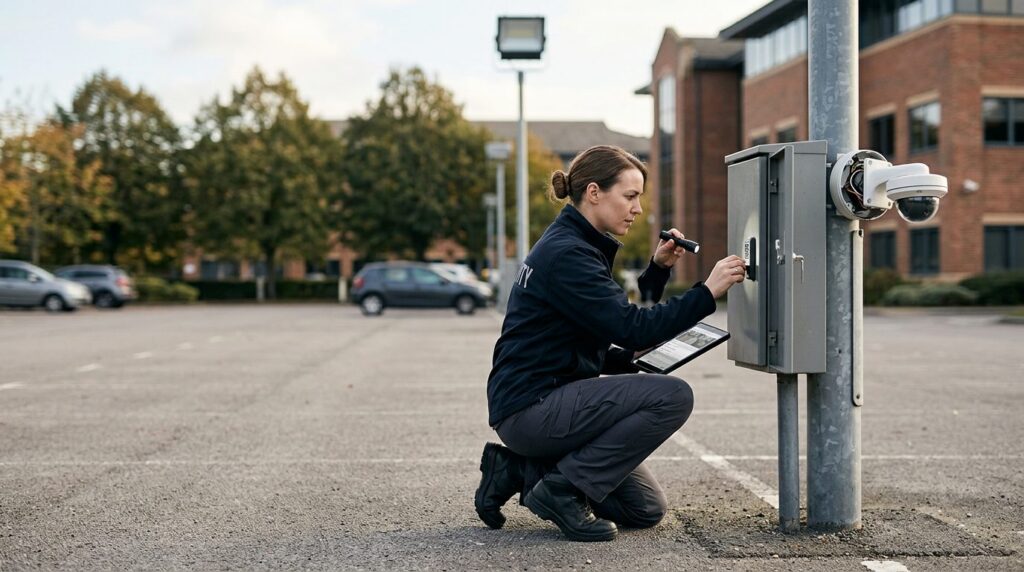
- If the parking lot or garage has security cameras, ask the property owner to preserve the footage.
- Document the date, time, weather, and lighting conditions when you fell.
This evidence is critical to establishing that the property owner knew or should have known about the hazard.
What Happens If You Share Fault for the Fall
Florida follows comparative negligence. If you were partly at fault for your fall, your settlement may be reduced by your percentage of fault under Fla. Stat. §768.81.
For example, if you were texting and not paying attention, or wore inappropriate footwear, you may be found partly responsible. However, even if you were somewhat careless, the property owner may still be liable if they failed to maintain the area reasonably safely or warn of a known hazard. An attorney can help determine whether your actions contributed to the fall and how that affects your claim.
Know Your Deadline
In Florida, you generally have two years from the date of your injury to file a lawsuit under Fla. Stat. §95.11. This deadline applies to most negligence and personal-injury claims. Don’t wait. Gather evidence and document damages early to strengthen your claim.
Next Steps After a Parking-Lot or Garage Slip and Fall
If you’ve suffered a broken arm or other injury in a parking lot or garage fall, here’s what to do:
- Seek medical attention immediately, even if you feel okay.
- Document the scene, the hazard, and any witnesses while details are fresh.
- Report the incident to the property owner or manager.
- Keep all medical records, bills, and receipts in one place.
- Do not post about your injury on social media. Insurance companies monitor these posts.
- Do not accept a settlement offer without understanding what your claim is worth.
- Consider speaking with an attorney who handles slip-and-fall cases to evaluate your claim and protect your rights.
Want to know where you stand?
Tell us what happened and our team will walk you through the options available to you, at no cost.
Related Resources
Learn more about slip and fall claims, premises liability, and how comparative negligence affects your personal injury claim.
Frequently Asked Questions
What is the average settlement for a broken arm in a slip and fall?
Broken-arm slip-and-fall settlements often range from $10,000 to $50,000 or more, depending on break severity, property owner negligence, medical treatment, and lost income. Each case is unique.
How much compensation can I expect for a broken arm from a parking lot fall?
Your compensation depends on economic damages (medical bills and lost wages), non-economic damages (pain and suffering), and evidence strength that the property owner was negligent. There is no fixed amount.
Is a broken arm considered a major injury?
A simple fracture that heals without surgery may be serious but not catastrophic. A complex break requiring surgery or causing permanent nerve damage or loss of function is treated as more serious and typically results in a higher settlement.
What factors increase the value of a broken-arm slip-and-fall settlement?
Clear evidence of property owner negligence, extensive medical treatment, surgery, long-term disability, permanent scarring or loss of function, significant lost wages, and your age and occupation all increase settlement value.
How does property owner negligence affect my parking lot injury claim?
Property owner negligence is the foundation of your claim. If the owner failed to maintain the area reasonably safely or warn of a known hazard, your claim is stronger and may be worth more.
How long do I have to file a slip-and-fall lawsuit in Florida?
You generally have two years from the date of your injury to file a lawsuit in Florida. Do not delay in gathering evidence and consulting an attorney.
If you’ve suffered a broken arm or other injury in a parking lot or garage fall, you may have a claim against the property owner for the negligence that caused your injury. People in your situation—trying to understand what their claim is worth and what comes next—reach out regularly. Contact us for a free case evaluation to discuss your specific circumstances and learn what your claim may be worth.
Factors That Determine Settlement Value
Severity of the Break
Simple fractures typically settle lower than complex breaks requiring surgery, pins, or plates. Breaks that heal cleanly settle differently than those causing lasting weakness or loss of motion.
Property Owner Negligence
How clearly the property owner failed to maintain safe conditions matters greatly. Wet floors without warning signs, broken stairs, poor lighting, or known hazards that weren't fixed strengthen your claim.
Medical Treatment and Costs
Emergency care, imaging, surgery, physical therapy, and follow-up visits all factor into compensation. Ongoing treatment or permanent limitations increase claim value.
Lost Income and Impact
Time away from work, inability to perform your job duties, and long-term earning loss are compensable. The greater your financial harm, the stronger your settlement position.
Settlement Ranges Are Not Promises
Broken-arm slip-and-fall settlements often range from $10,000 to $50,000 or more, depending on the factors above and the specific details of your case. Every situation is different. Do not assume your case will fall within any particular range—the actual value depends on evidence, liability, and your circumstances.
Common Slip and Fall Scenarios
Parking Lot or Garage Falls
Uneven surfaces, potholes, ice, or poor lighting can cause falls. If the property owner knew or should have known about the hazard and did nothing, you may have a claim.
Store or Business Premises
Spilled merchandise, wet floors, torn carpeting, or obstacles left in walkways can cause injury. Businesses have a duty to inspect regularly and warn customers of dangers.
Apartment or Rental Property
Broken stairs, missing handrails, inadequate lighting, or poor maintenance can lead to falls. Landlords and property managers must keep common areas safe.
Sidewalk or Public Area
Cracked concrete, tree roots, debris, or snow and ice can cause falls. Property owners and municipalities may be liable depending on the circumstances and local law.
How CHG Personal Injury Lawyers Can Help
Thorough Investigation
We gather photos, maintenance records, witness statements, and incident reports to build a clear picture of how the fall happened and who is responsible.
Liability Assessment
We determine whether the property owner's negligence caused your injury and identify all parties who may be liable for your broken arm and related harm.
Damage Calculation
We document medical bills, lost wages, pain and suffering, and any lasting effects to establish the true value of your claim.
Direct Communication
We handle all negotiations with insurance companies and defense attorneys so you can focus on healing.
Act Quickly—Time Matters
Evidence fades, witnesses move away, and memories blur. The sooner you report your fall and seek legal guidance, the stronger your case. Contact us promptly to preserve your claim.