

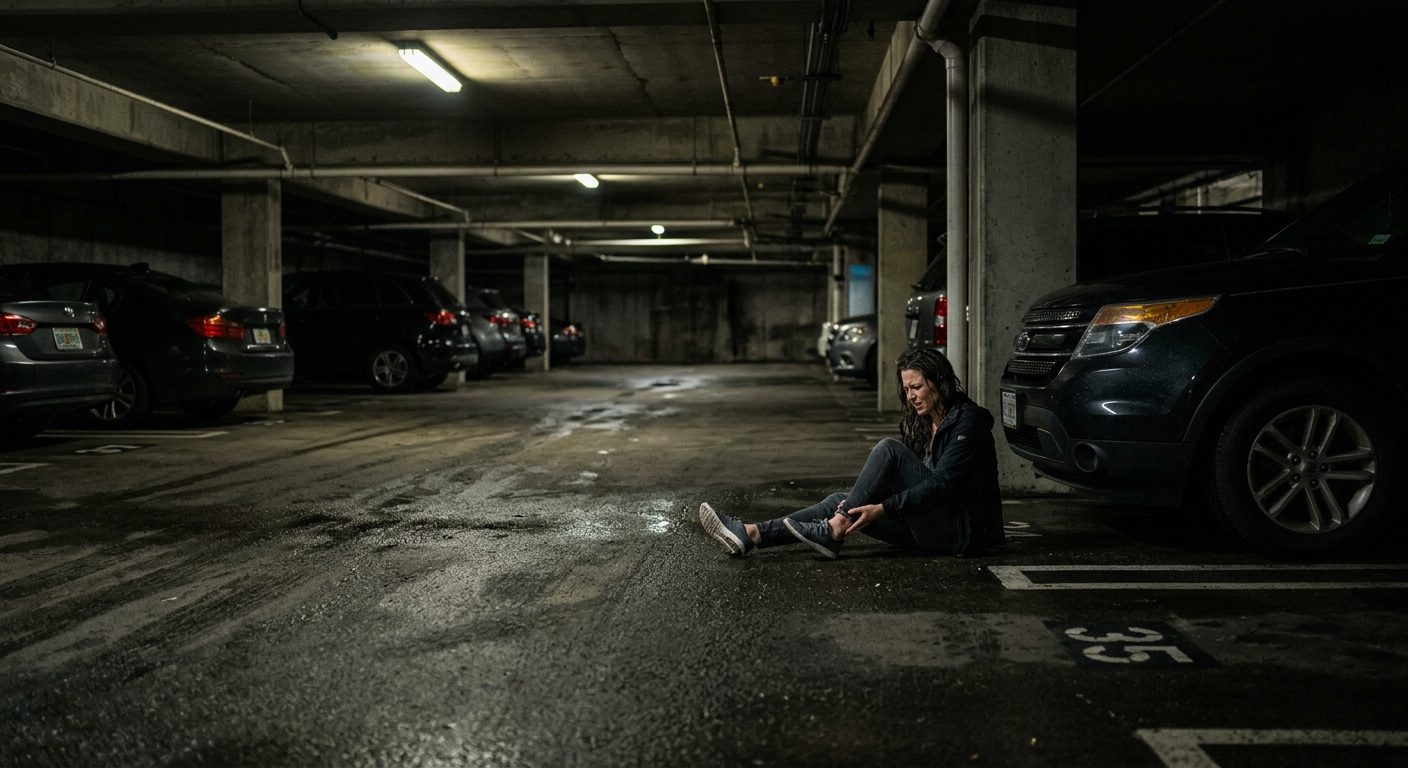
Deerfield Slip and Fall Lawyer
Injured in a Parking Lot or Garage in Deerfield? We Can Help.
Property owners have a duty to keep their premises safe. If you were hurt because they failed to maintain safe conditions, you may have a claim. CHG Personal Injury Lawyers focuses exclusively on slip-and-fall and premises-liability cases throughout Florida.
By CHG Lawyers · Published October 03, 2026
Slip and Fall in a Parking Lot or Garage: When the Property Owner Is Liable
When you slip or fall in a parking lot or garage, the property owner may be legally responsible. This is true if they failed to maintain safe conditions or warn you of known hazards. In Deerfield Beach and throughout South Florida, parking facilities are common places where these accidents happen. If you’ve been injured, you have legal options to recover compensation.
If you've slipped or fallen in a parking lot or garage in Deerfield Beach and suffered injury, you may have a claim against the property owner. Talk it through with our team — the first consultation is free, confidential, and carries no obligation.
When Is a Property Owner Liable for a Slip and Fall?
A property owner is responsible for your slip-and-fall injury if they knew about a hazard. They must have failed to fix it, clean it up, or warn you about it in time.
Parking lots and garages often contain:
- Wet surfaces
- Broken pavement
- Debris
- Poor lighting
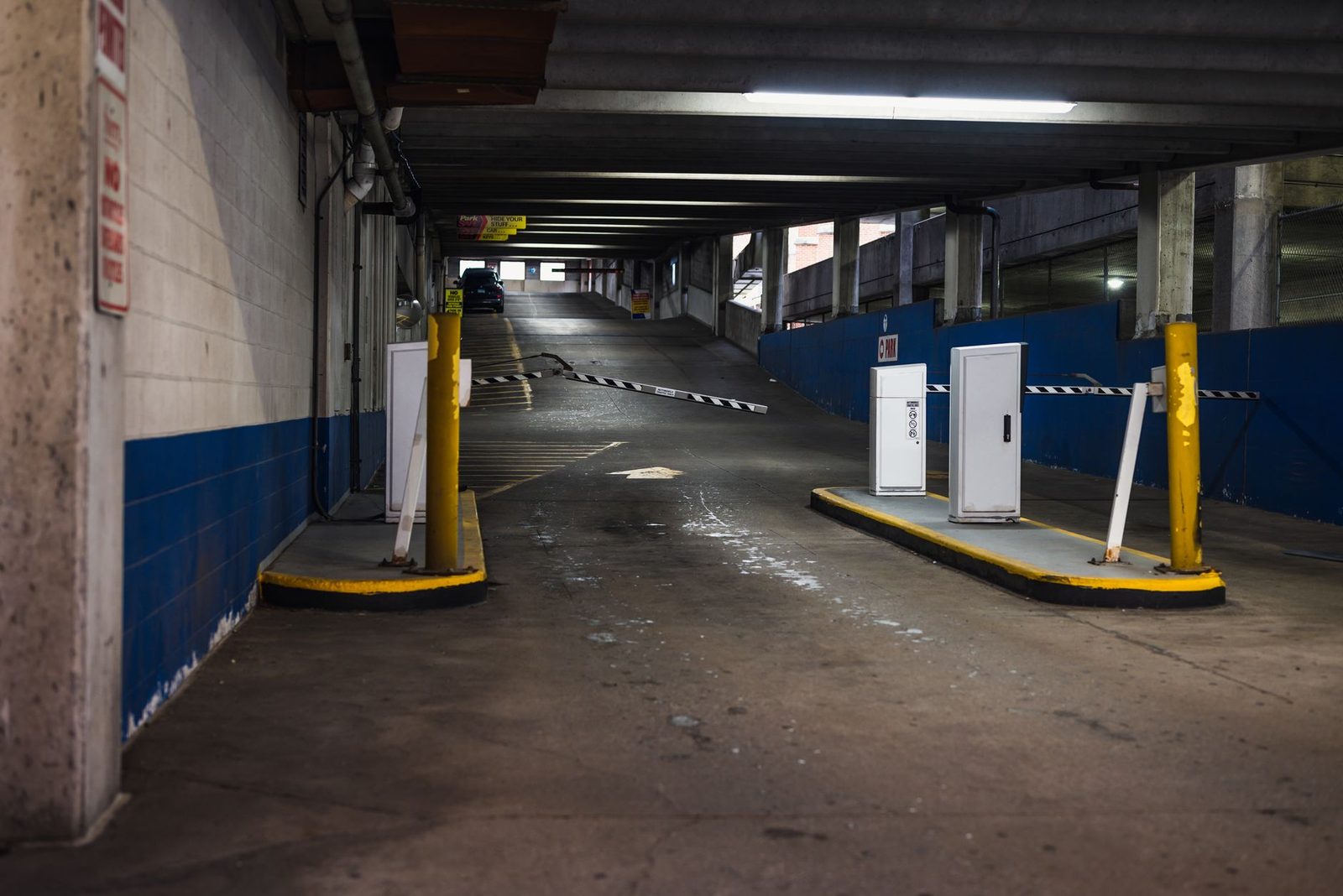
- Malfunctioning gates and doors
When a property owner neglects these areas or fails to warn visitors, you may have a claim.
Florida law says property owners have a duty to keep premises reasonably safe. This duty extends to parking areas. If the owner’s negligence caused your fall and injury, you may recover compensation for medical costs, lost wages, pain and suffering, and other damages.
Four Elements That Make a Property Owner Liable
To hold a property owner liable for your slip-and-fall injury, four things must be true:
1. The owner knew (or should have known) about the hazard.
This might be a wet floor, spilled liquid, broken pavement, debris, poor lighting, or a malfunctioning gate. Property owners must conduct regular inspections and identify foreseeable dangers.
2. The owner failed to fix, clean up, or warn you within a reasonable time.
A property owner who discovers a spill must clean it up promptly or post a warning sign. If pavement is cracked, the owner should repair it. If lighting is inadequate, the owner should install or fix lights.
3. You did not know about the hazard and could not have reasonably avoided it.
You are not expected to spot every potential danger or assume the property is unsafe.
4. The hazard directly caused your fall and injury.
There must be a clear connection between the unsafe condition and your accident. For example, if you slipped on a wet floor that the owner failed to dry or warn about, that wet floor caused your injury.
Common Parking Lot and Garage Hazards
Parking lots and garages in Deerfield Beach and South Florida present many common hazards:
- Wet or slippery surfaces from rain, spilled liquids, or poor drainage
- Uneven, cracked, or broken pavement and potholes
- Debris, gravel, or objects left in walkways
- Poor or inadequate lighting that makes hazards difficult to see at night
- Malfunctioning doors, gates, or access barriers that fail to open or close properly
- Lack of handrails or safety features on ramps or stairs
- Unmarked or poorly maintained areas where visitors cannot anticipate danger
Each of these conditions creates a foreseeable risk of injury.
How Property Owners Must Maintain Parking Areas
Florida property owners must meet a standard of care when maintaining parking lots and garages. This includes:
- Regular inspections to identify hazards before they cause injury
- Prompt repair or removal of hazards (broken pavement, debris, spills)
- Adequate lighting throughout the parking area, especially at night
- Clear warning signs or barriers around known hazards
- Proper drainage to prevent standing water
- Maintenance of walkways, ramps, and stairs to prevent tripping
- Functioning locks, gates, and access controls for safe entry and exit
Failure to meet these standards can establish negligence. Poor parking facility maintenance has led to serious injuries—fractures, head trauma, spinal cord damage, and permanent disability.
Evidence That Strengthens Your Slip-and-Fall Claim
Strong evidence is essential to proving negligence. Gather and preserve:
- Photos or video of the hazard taken as soon as possible after the incident
- Witness statements from people who saw the fall or the hazard
- Security camera footage from the parking lot or garage
- Records of prior complaints or incidents at the same location
- Maintenance logs or inspection records that show negligence
- Medical records documenting your injury and treatment
- Your detailed account of what happened, including time, weather, and cause
- Documentation of expenses and lost wages from your injury
The more evidence you gather early, the stronger your case will be.
Not sure what your next step is?
Talk it through with our team — the first consultation is free, confidential, and carries no obligation.
Comparative Negligence in Florida
Florida follows a modified comparative negligence rule. Under Fla. Stat. §768.81, if you were partly at fault for your fall, your recovery may be reduced by your percentage of fault. However, if you were 50% or less at fault, you can still recover damages.
For example, if you were not paying attention or walked in an area marked unsafe, a court might find you partially responsible. But even if you were somewhat careless, you may still recover if the property owner’s negligence was a substantial factor in your injury.
What Damages Can You Recover?
If the property owner is found liable, you may recover:
- Medical expenses: emergency care, hospitalization, surgery, physical therapy, and ongoing treatment
- Lost wages: income you lost while recovering
- Pain and suffering: compensation for physical pain, emotional distress, and reduced quality of life
- Permanent disability or disfigurement: if your injury causes lasting harm
- Future medical care: if you will need ongoing treatment or rehabilitation
- Punitive damages: in some cases, if the owner’s conduct was especially reckless
The total value of your claim depends on injury severity, negligence clarity, and evidence strength.
Steps to Take After a Parking Lot or Garage Fall
Immediately after your fall:
- Seek medical attention right away, even if your injury seems minor.
- Report the incident to the property owner or manager and request a written report.
- Take photos and video of the hazard, the scene, and your injuries.
- Get names and contact information of any witnesses.
- Keep all medical records, receipts, and documentation of expenses and lost wages.
- Do not sign any documents or agree to any settlement without legal advice.
- Contact a lawyer who handles slip-and-fall claims before speaking with the insurance company.
The statute of limitations for most Florida personal-injury claims is two years from the date of injury. Acting quickly preserves evidence and ensures you meet this deadline.
Why You Need a Lawyer for Your Slip-and-Fall Claim
Insurance companies often try to minimize payouts or deny claims. A lawyer who handles slip-and-fall cases can:
- Investigate thoroughly and gather evidence the property owner might hide
- Understand Florida premises liability law and prove negligence
- Negotiate with the insurance company from a position of strength
- File a lawsuit if a fair settlement cannot be reached
- Work on a contingency fee basis: you pay nothing unless you recover compensation
Having legal representation levels the playing field against large property owners and their insurers.
Slip and Fall Claims in Deerfield Beach and South Florida
Deerfield Beach and surrounding South Florida communities have many commercial properties, apartment complexes, shopping centers, and parking garages. Slip-and-fall injuries in these facilities are common. Property owners have a responsibility to maintain safe premises.
Lawyers familiar with Deerfield Beach and the region understand local hazards and maintenance standards. Learn more about premises liability claims and negligence claims to understand your rights. If you’ve been injured in a parking lot or garage in Deerfield Beach, Pompano Beach, or nearby communities, you have legal options.
If you've slipped or fallen in a parking lot or garage in Deerfield Beach and suffered injury, you may have a claim against the property owner. Talk it through with our team — the first consultation is free, confidential, and carries no obligation.
Frequently Asked Questions
How long do I have to file a slip-and-fall lawsuit in Florida?
For most personal-injury claims, you have two years from the date of injury to file a lawsuit. Acting quickly preserves evidence.
What if the property owner says the hazard was “open and obvious”?
Property owners sometimes argue that a hazard was so obvious you should have seen it. However, Florida law recognizes that even obvious hazards can create liability if the property owner knew about them and failed to fix or warn about them.
Can I recover damages if I was partially at fault?
Yes. Under Florida’s modified comparative negligence rule, you can recover damages even if you were partly at fault, as long as you were 50% or less responsible for the fall.
How much does it cost to hire a slip-and-fall lawyer?
Most slip-and-fall lawyers work on a contingency fee basis. You pay nothing unless you recover compensation. The lawyer’s fee is typically a percentage of what you recover.
What if the property owner doesn’t have insurance?
Your lawyer can pursue the claim against the property owner directly or explore other avenues for recovery, such as the owner’s business assets or umbrella policies.
If you’ve slipped or fallen in a parking lot or garage in Deerfield Beach and suffered injury, you may have a claim against the property owner. People in your situation reach out to us regularly to discuss what comes next. Contact us for a free case evaluation to learn more about your rights and options.
Act Quickly—Evidence Matters
After a slip-and-fall injury, evidence can disappear fast: security footage is deleted, witnesses move away, and hazardous conditions are repaired. The sooner you document what happened and speak with a lawyer, the stronger your claim.
Common Parking Lot and Garage Hazards
Wet or Slippery Surfaces
Spilled liquids, rain, ice, or poor drainage that the property owner knew about—or should have known about—and failed to clean or warn you about.
Broken or Uneven Pavement
Cracked asphalt, potholes, raised edges, or gaps that create a tripping hazard. Property owners must repair or warn of these dangers.
Poor Lighting
Dimly lit parking areas where hazards are hidden and fall risk is high. Adequate lighting is a basic safety requirement.
Debris and Obstacles
Trash, gravel, loose pavement, or other objects left on the ground that cause you to trip or slip.
Why Property Owners Are Responsible
Duty of Care
Property owners and managers have a legal duty to maintain safe premises and warn visitors of known hazards. Negligence occurs when they fail to do so.
Documentation Matters
Photos, witness statements, security footage, maintenance records, and incident reports all help prove the property owner knew—or should have known—about the danger.
Time Is Critical
Evidence fades and memories fade. Early investigation preserves the facts and strengthens your case from the start.
You Deserve Compensation
Medical bills, lost wages, pain and suffering, and ongoing care costs are real damages. You should not bear the cost of someone else's negligence.
What Happens Next
Free Case Evaluation
Tell us what happened. We listen, ask questions, and explain your options—no cost, no obligation.
Investigation
We gather evidence: photos, witness statements, maintenance records, and security footage to build your case.
Negotiation or Litigation
We handle all communication with the property owner's insurance company and, if needed, take your case to court.
No Fees Unless There Is a Recovery
We work on contingency. You pay nothing upfront, and we only collect a fee if your case settles or wins.