
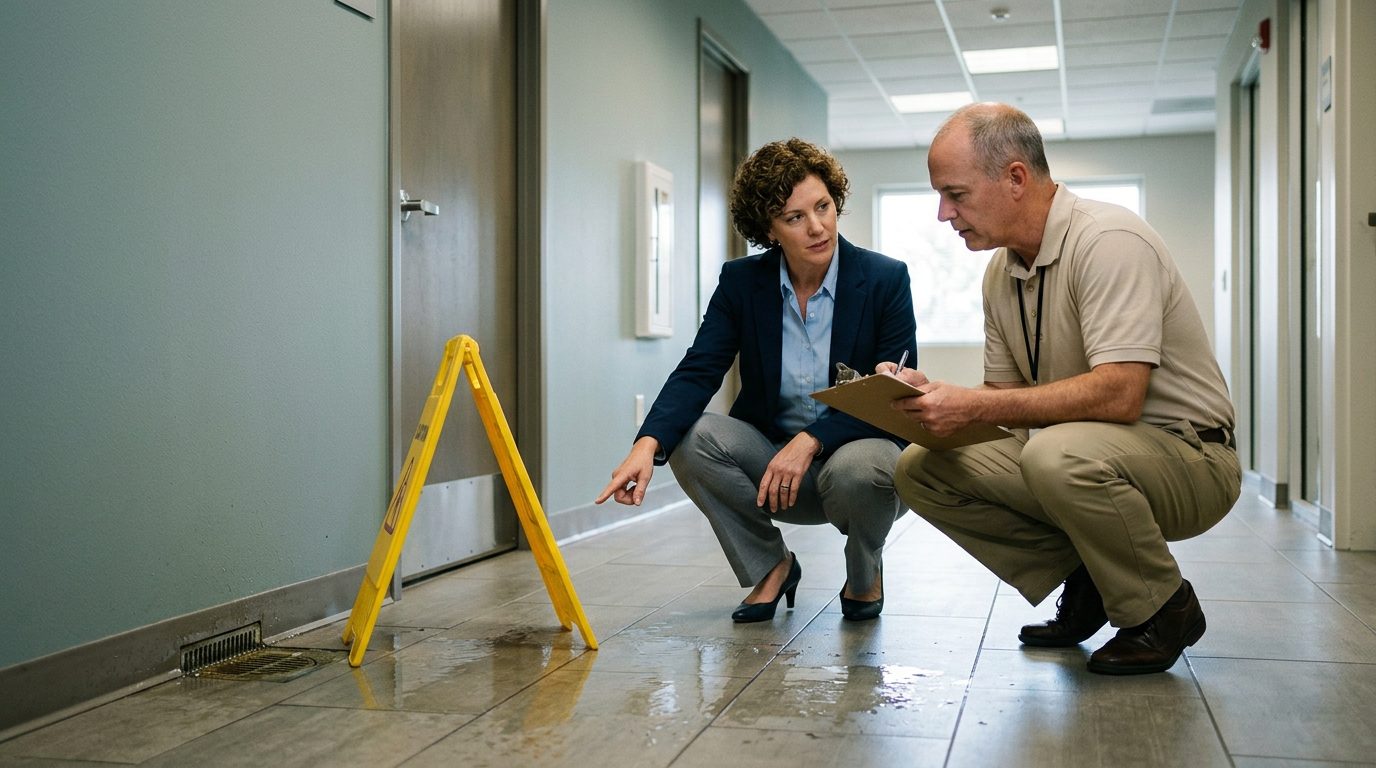
Florida Slip and Fall Claims
Hurt in a Slip and Fall in Florida? Know the Clock Before It Runs Out
A plain-language guide to how the filing deadline works for slip and fall injuries across Florida, and why acting early protects your options. CHG Personal Injury Lawyers is here to explain your situation.
By CHG Lawyers · Published October 19, 2026
Florida Slip and Fall Statute of Limitations: What Your Deadline Means for Your Claim
If you were hurt in a slip and fall in Florida, you are probably asking two questions. How long do I have to act? And is my injury worth pursuing at all? This guide answers both. Florida’s limitations statute sets a firm deadline, and a lawsuit filed after it can be barred even when the injury was real.

If you are still deciding whether your fall counts, or you are trying to help a family member who was hurt, you do not have to work through it alone. Talk it through with our team — the first consultation is free, confidential, and carries no obligation.
What Counts as a Slip and Fall Claim in Florida?
A slip and fall claim is a personal injury claim for harm caused by an unsafe condition on someone else’s property.
Minor injuries can support a claim. Bruises, sprains, minor fractures, soft-tissue injuries, and concussions can all qualify when they cause real medical costs, lost work time, or lasting pain. The size of the bruise is not the test. The real questions are whether you were harmed and whether the owner was at fault.
Common Florida examples include:
- A wet floor in a grocery aisle with no sign posted
- A cracked or raised sidewalk in a shopping plaza
- A dim parking garage with hard-to-see steps
- A loose handrail at an apartment building or restaurant
- Debris left on a walkway for hours
Ask yourself three questions. Where did the fall happen? What caused it? Did you get medical care? Your answers shape everything that follows.
How Long Do You Have to File a Slip and Fall Lawsuit in Florida?
Florida’s limitations statute sets different time limits for different kinds of claims. The deadline that applies to you depends on the type of claim and the date of your injury.
Florida also explains when the clock starts. Under Florida’s accrual rule, a cause of action begins when its last element occurs.
Talks with an insurance company are not a lawsuit. Keep the deadline in mind while those talks continue. Write down the date and time of your fall now, while you remember it clearly. Missing the deadline can end your right to sue, even if the owner was careless.
Minor injuries create a special trap. A small injury can seem not worth the trouble today. If symptoms last or treatment continues for months, the time to act may already be shrinking.
Is Your Minor Slip and Fall Injury Worth Pursuing?
This is the question most injured people are really asking, so here is a practical way to think about it. A minor injury can be worth pursuing when three things are true:
- The owner was at fault. You can show the owner knew or should have known about the hazard and failed to fix it or warn you.
- You can document your losses. Medical bills, receipts, and time away from work are on paper.
- The injury affected your daily life. It kept you from work, sleep, or ordinary activities for a real period of time.
Value comes from proof, not from the injury label alone. A small harm with clear records can be easier to support than a larger harm with thin proof.
Claim value usually looks at a few parts:
- Medical costs, including exams, imaging, prescriptions, and therapy
- Lost wages or time away from work
- Pain and suffering, meaning the physical and emotional effect of the injury
- How severe the injury was and how long it lasts
Some insurers use formulas that tie pain and suffering to medical bills. Treat any formula as a negotiating starting point, not a rule. No formula decides a case. Each claim turns on its own facts.
Florida also limits how medical bills can be used as proof. Under Florida’s medical expense evidence statute, evidence of past medical treatment that has been satisfied is limited to the amount actually paid, regardless of the source of payment. The number printed on a bill does not always control. Keep records of what was paid and whether you had health coverage when you were treated. If a provider treated you under a letter of protection, meaning a promise of payment from any future settlement, tell your attorney at the start. The same statute defines those arrangements and addresses how their evidence is handled.
How Florida Decides Who Was at Fault
Under Florida’s premises liability statute, if a person slips and falls on a transitory foreign substance in a business establishment, the injured person must prove that the business establishment had actual or constructive knowledge of the dangerous condition and should have taken action to remedy it. Constructive knowledge may be proven by circumstantial evidence showing that the dangerous condition existed for such a length of time that, in the exercise of ordinary care, the business establishment should have known of the condition, or that the condition occurred with regularity and was therefore foreseeable. The condition may have existed long enough that the business should have known about it. Or the condition may have occurred regularly, so it was foreseeable.
The same statute says it does not affect any common-law duty of care owed by a person or entity in possession or control of business premises. That matters if your fall involved a structural problem, such as a cracked sidewalk, rather than a spilled liquid. Those facts can call for a different analysis, so describe exactly what you slipped on or tripped over.
Florida also looks at your own role. In a negligence action, under Florida’s comparative fault statute, a court enters judgment against each liable party based on that party’s percentage of fault and not on the doctrine of joint and several liability. In a negligence action to which this section applies, if a court finds you were more than half responsible for your own harm, you may recover nothing.
Insurers often raise defenses based on footwear, distraction, or walking past a hazard you could see. Be accurate and consistent in every account you give. Small details, told honestly, often matter more than a rushed story.
Not sure what your next step is?
Talk it through with our team — the first consultation is free, confidential, and carries no obligation.
Medical Records: Why Minor Injuries Still Need Documentation
Medical records are the main proof of what your injury cost you. Get medical care promptly after a fall, even when the injury seems small. Some injuries, especially head injuries, may not show symptoms right away. Follow your doctor’s care plan closely. This is medical guidance for your own health, and your doctor is the right source for it.
Useful documentation includes:
- An urgent care or emergency room visit record, with the date and the intake notes about how you fell
- X-ray or imaging reports
- Prescription receipts
- Physical therapy notes
- A note from your employer showing time missed
Gaps in treatment give insurers a reason to question the injury. If you stop care early, the record may suggest the injury was minor. Keep every bill and receipt. Start a simple daily log of pain levels and the activities you cannot do, such as lifting a grocery bag, driving, or sleeping through the night. A chart may show a diagnosis, but a log shows the day-to-day effect.
Note whether you had health insurance at the time of treatment and write down the name of the coverage.
Reasons a Minor Slip and Fall Claim May Stall
A minor claim often stalls for a few common reasons: no medical treatment, no proof of the hazard, no witnesses, and a strong argument that the injured person was at fault. Knowing these points early helps you protect your claim.
- No medical care. Without records, the injury is hard to prove.
- No proof of the hazard. A photo, an incident report, or a witness account shows what was there.
- No witnesses. A fall with no one to back up your account is harder to prove, though not impossible.
- Obvious hazards. If the danger was plainly visible, the owner may argue you should have avoided it.
- Shared fault. If the owner argues you were partly responsible, Florida’s comparative fault rule may reduce or bar recovery.
Many of these gaps are easier to close when they are caught early. Gather what you can while the scene and your memory are still fresh.
What If There Were No Warning Signs Where You Fell?
A missing warning sign can help show the owner should have known about a hazard. It does not win a case by itself. Florida law requires you to prove the owner’s knowledge, and a missing sign is one piece of that proof.
The most useful evidence is often what you collect in the first hours and days:
- Time-stamped photos of the spot, the floor, the lighting, and any missing sign or cone. Take them before anything is cleaned up.
- Names and positions of staff you saw on duty, and whether anyone responded to your fall.
- Cleanup or inspection logs for the area, if you can request them. A log showing the spot was not checked during a long stretch supports the argument that the hazard existed long enough to be discovered.
- Surveillance video requests, made promptly. Video may be overwritten, so ask the owner or manager in writing to preserve it.
- Any incident report the store or building prepared. Ask for a copy.
- Witness contact details, including people who saw the hazard before you fell.
Under the premises statute, the question is whether the condition existed long enough that the business should have known, or whether it happened often enough to be foreseeable. A missing sign speaks to both. Describe the scene exactly as you saw it, and note where any sign stood or should have stood.
Keep the shoes and clothing you wore. They can show the conditions you walked through.
How Long Does a Slip and Fall Case Take?
Minor claims can resolve in months. Disputed or incomplete claims can take much longer. Timing depends on how long treatment lasts, how clear fault is, and how quickly records arrive.
Several factors can stretch a case:
- Missing paperwork or incomplete medical records
- Gaps or long breaks in treatment
- Disagreement over who was at fault
- A property owner or insurer that takes time to respond
Settlement talks usually come after treatment is complete or nearly complete, when the full cost of the injury is clearer.
Florida law also says a release signed with one party does not automatically release other parties who may be liable for the same harm. Under Florida’s release statute, a release with one tortfeasor (a person legally responsible for harm) does not discharge other tortfeasors. Read every document before you sign, and ask what it covers.
A faster case does not change the deadline.
Have questions about what happened?
Ask our team directly. The first conversation is free, confidential, and there is no obligation to continue.
When to Talk With a Florida Slip and Fall Attorney
Talk with an attorney early if fault is unclear, the owner disputes your claim, your bills keep growing, or you are unsure about the deadline. Early questions help you protect evidence and avoid missed steps.
An attorney can request records, communicate with the insurer, preserve evidence, and track the filing deadline. CHG Personal Injury Lawyers is a Florida-based firm serving clients throughout Florida. Igor Hernandez is the lawyer, and he is admitted to The Florida Bar. The first consultation is free, confidential, and carries no obligation to continue. CHG charges no attorney’s fees and no case costs unless there is a recovery.
Frequently Asked Questions
How long do I have to file a slip and fall claim in Florida?
Florida sets a fixed filing deadline in its limitations statute, and the deadline depends on the type of claim and when the injury occurred. Contact an attorney promptly so the deadline does not pass.
Can a minor injury support a claim?
Yes. A minor injury can support a claim when it caused documented medical costs, lost work time, or lasting pain, and the owner was at fault.
Does a missing warning sign mean I will win?
No. A missing sign can help show the owner should have known about a hazard, but you must still prove the owner’s knowledge and the harm you suffered. Nothing about a particular outcome can be promised.
Can I still recover if I was partly at fault?
Florida reduces recovery by your share of fault. If you are found more than 50 percent at fault, you may recover nothing.
If you are still deciding whether your fall counts, or you are trying to help a family member who was hurt, you do not have to work through it alone. You can reach out through our contact page for a free, confidential consultation with no obligation to continue.
Do not wait to get advice
Filing deadlines apply to slip and fall claims in Florida, and they can pass faster than injured people expect. Keep your medical records, photos, and incident reports, and contact our office promptly so your claim can be reviewed before any deadline passes.
Steps That Help Protect Your Claim
Get medical care
Follow your doctors' care and keep every record, bill, and referral. Treatment also documents how the fall affected your health.
Document the scene
Photos of the floor, the lighting, warning signs, and the area where you fell can be important later. Write down what happened while you still remember it.
Keep your records
Save incident reports, witness names, store or property contact information, and any messages about the fall.
Talk to a Florida injury attorney
A lawyer can explain how Florida's filing deadlines apply to your situation and what evidence may matter most.
Why Injured Floridians Contact CHG
Florida-based firm
CHG Personal Injury Lawyers represents people injured across Florida, from Miami and Hialeah to Orlando, Tampa, and Jacksonville.
Licensed attorneys
Igor Hernandez is a licensed attorney admitted to The Florida Bar, and our team supports every client matter.
Prompt review
Because deadlines apply, we encourage you to reach out early so your situation can be reviewed while the facts are fresh.
No fees unless there is a recovery
CHG charges no attorney's fees and no case costs unless there is a recovery.