
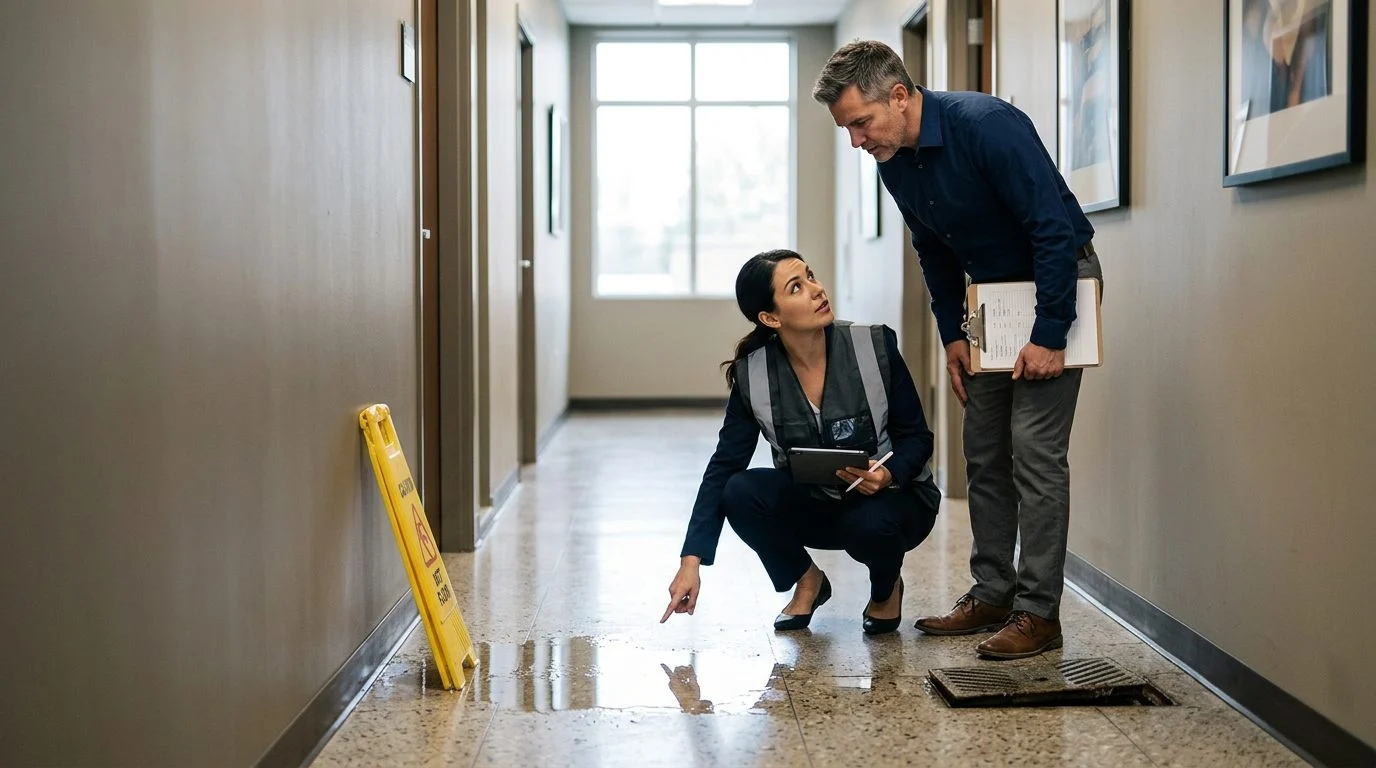
Slip and Fall | Miami, Florida
A Fall Can Change Your Life. Here Is How to Think About Your Options in Miami.
By CHG Lawyers · Published November 3, 2026
How Much Compensation Can I Get for a Slip and Fall Case in Miami?
If you're still deciding what to do after a fall, you're not alone. Talk it through with our team — the first consultation is free, confidential, and carries no obligation.

How Much Compensation Can You Get in a Miami Slip and Fall Case?
How much compensation can I get for a slip and fall case in Miami? No one can name a responsible number before the facts of the fall are reviewed.
Compensation is money a person may seek for losses caused by a fall. It can come through a settlement or a court judgment. Results are not predictable in advance.
If you were hurt, you may be dealing with medical visits, missed work, and bills you didn’t expect. If someone you love was hurt, you may be asking these questions for them. Those are fair questions.
A fall in a Miami store, apartment building, parking garage, or restaurant can cause losses that are hard to measure. Each case turns on specific facts. Those facts include:
- Where the fall happened
- Who controlled that spot
- What they knew
- How your injuries developed
This page explains the Florida rules that shape those facts. For the broader topic, start with our slip and fall claims guide.
Why Online “Average Settlement” Numbers Can Mislead
Online averages can mislead. They describe other people’s cases, not yours.
You may have seen pages that list an average slip and fall settlement in Florida. These numbers can look like a guide. But they often don’t explain their source or what they include.
Instead of a dollar range, this page focuses on the facts and Florida rules that shape a claim. Do not read any figure from elsewhere as what your claim may recover.
A number from another case can’t account for the facts that matter in yours. Those facts include:
- Who controlled the property
- What the owner knew about the hazard
- How the fall happened
- How your injuries were treated
- What insurance may be involved
Two falls that look alike can turn out very differently once the facts are reviewed.
So treat every figure with caution, including figures on this page. Your own account of the fall, your medical records, and the rules that apply to your facts matter far more than any average.
Types of Losses a Florida Premises Claim May Include
A “premises claim” is a claim about a property, such as a store or building. A Florida premises claim may seek economic losses. Some claims also seek non-economic losses.
Florida’s comparative fault statute defines economic damages. Economic damages are money losses. They include past and future lost income, medical expenses, and funeral expenses, among other items.
Economic losses often discussed in these claims include:
- Medical bills for care already received
- Future care that a doctor documents as needed
- Lost income, and reduced earning ability when documented
- Documented out-of-pocket costs, such as equipment, rides to appointments, or help at home
Florida also has rules about how medical expenses can be proven. See Fla. Stat. § 768.0427.
Non-economic losses, such as pain and suffering, may be part of some claims. Whether they apply depends on the facts and the rules for the type of claim. Not every category applies to every case.
Facts That May Affect How a Florida Slip and Fall Claim Is Evaluated
A slip and fall claim often turns on two questions. What did the property know about a hazard? How long was it there?
If a person slips and falls on a transitory foreign substance in a business establishment, the injured person must prove that the business establishment had actual or constructive knowledge of the dangerous condition and should have taken action to remedy it (Fla. Stat. § 768.0755). First, the business had actual or constructive knowledge of the dangerous condition. “Constructive knowledge” means it should have known, and it may be proven by circumstantial evidence showing that the condition existed for such a length of time that, in the exercise of ordinary care, the business should have known of it, or that the condition occurred with regularity and was therefore foreseeable. Second, the business should have taken action to fix it. See Fla. Stat. § 768.0755.
This statute does not affect any common-law duty of care. A person or business that controls the premises may owe that duty. The full analysis depends on the facts.
Your status on the property may also matter. For example, were you a customer, or a tenant’s guest?
Evidence that may be relevant includes:
- Photos
- Video, if it still exists
- Incident reports
- Witness names
- Maintenance records
- Medical records
Video systems may overwrite footage. Ask early about preserving it. For more, read our evidence after a Florida fall guide.
Fall claims at rental properties raise their own questions. We cover them in our apartment slip and fall claims guide.
Florida Rules That Can Limit Recovery
See Fla. Stat. § 768.81.
Section 768.81, Florida Statutes, governs how fault is assigned in negligence cases. Negligence means carelessness that causes harm.
Under this statute, if you share some fault for the accident, your award is reduced by your share. Your fault does not bar recovery, subject to subsection (6): if you are found greater than 50 percent at fault for your own harm, you may not recover any damages. Fla. Stat. § 768.81 reads: “This subsection does not apply to an action for damages for personal injury or wrongful death arising out of medical negligence pursuant to chapter 766.”
In product liability cases, the injuries may have been made worse by a defective product. In those cases, the jury or judge divides fault among all the people who contributed to the accident.
Filing deadlines are set by Florida’s time limit rules, found in Fla. Stat. § 95.11. These rules are often called statutes of limitations.
Deadlines depend on:
- The type of claim
- When it arose
- Any exceptions
Contact our office promptly to discuss your situation. Don’t assume you have plenty of time. A missed deadline may affect your claim, depending on the facts and any exceptions.
Not sure what your next step is?
Talk it through with our team — the first consultation is free, confidential, and carries no obligation.
How Long a Florida Slip and Fall Claim Can Take
No one can promise a timeline. A claim’s length depends on several moving parts.
Timing may depend on:
- The insurer’s review
- The status of your medical treatment
- The court’s calendar
- Whether the claim resolves before trial
A claim may not be ready to resolve while treatment continues. The full picture of an injury isn’t always clear right away.
Ask for an explanation of your own timeline based on your facts. Expect that explanation to change as the facts develop.
Steps That Can Help Protect Your Claim in Miami
Several practical steps may help protect a claim.
- Report the fall in writing. Tell the property manager or store. Ask for a copy of any incident report.
- Get medical care and follow your doctor’s plan. Early care is generally a good idea for your health and your records. Follow your doctor’s advice, not a fixed timeline.
- Keep every record. Save every bill, receipt, and pharmacy record.
- Document the scene. Photograph the hazard and your injuries. Write down witness names and contact details.
- Track your daily life. Keep a simple log of pain, missed work, and daily limits.
You don’t have to give a recorded statement to the property’s insurance company right away. Where you can, keep communications in writing. For more on what to save, see our slip and fall evidence guide.
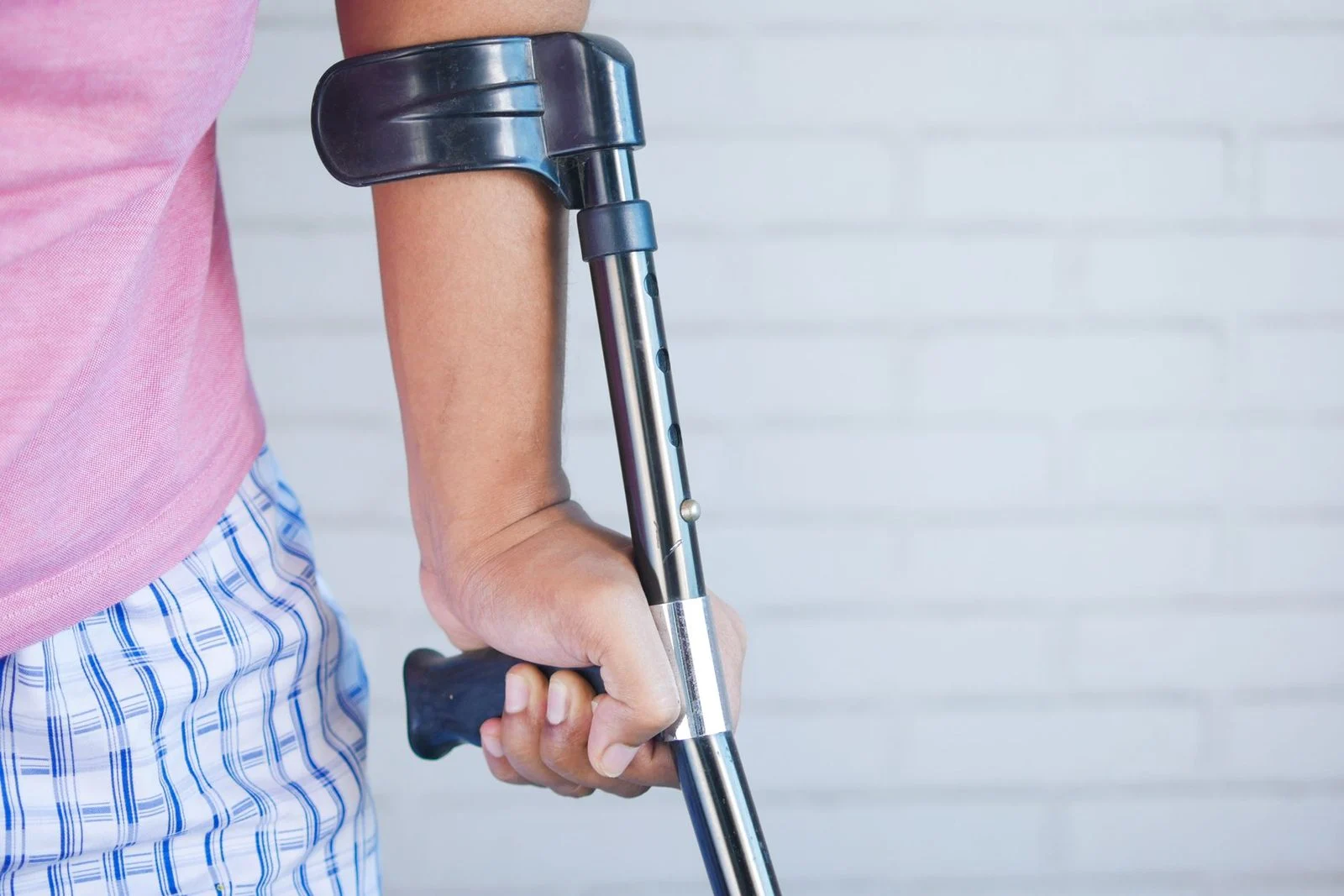
Talk With CHG Personal Injury Lawyers About Your Fall in Miami
If you’re still deciding what to do after a fall, you’re not alone. Many people in this position are weighing medical bills, questions about who pays them, and whether to act now or wait.
How much compensation can I get for a slip and fall case in Miami?
No reliable amount can be given before the facts are reviewed. Online averages don’t account for the facts of your fall.
How long do I have to file a Florida slip and fall lawsuit?
Florida’s time limit rules are in § 95.11. Deadlines depend on the claim and its exceptions. Don’t assume you have plenty of time.
Does Florida law require the property owner to know about the hazard?
For a slip on a transitory foreign substance in a business, the injured person must prove that the business had actual or constructive knowledge of the dangerous condition. The business also should have taken action to fix it. Speak with us in a case review to see how that applies to your facts.
CHG Personal Injury Lawyers is a Florida firm. We represent people throughout Florida. Igor Hernandez is the responsible attorney. He is admitted in Florida as a member of The Florida Bar.
Your first consultation is free, confidential, and carries no obligation to continue. CHG charges no attorney’s fees and no case costs unless there is a recovery.
En español: CHG no cobra honorarios de abogado ni costos del caso si no hay recuperación. Ofrecemos una consulta inicial gratuita, confidencial y sin compromiso.
If a fall in Miami left you with medical bills, missed work, or questions about who is responsible, you don’t have to figure out the next step alone. Contact our team to talk through your situation.
Why No One Can Name a Number Before the Facts Are Reviewed
Your injuries and treatment
The type of injury, how long recovery takes, and the care you need all shape what a claim involves.
Your medical records and bills
Records of diagnosis, treatment, and costs help show how the fall affected your health and daily life.
Where and how the fall happened
The condition of the property, warnings posted or missing, and who controlled the area all matter.
Time and evidence
Photos, video, witness names, and incident reports can fade quickly, so early review helps protect the facts.
Act Promptly
Deadlines apply to Florida injury claims, and the details that matter most can be lost with time. Follow your doctor's care, keep your paperwork, and contact our Miami office soon so your situation can be reviewed while the facts are still fresh.
Steps to Take After a Slip and Fall
Get medical care
See a doctor or go to urgent care, even if you feel you can walk it off. Some injuries show symptoms later, and following your doctor's care matters for your health.
Report the fall
Ask the property owner or manager to record the incident in writing, and keep a copy of any report you receive.
Document the scene
If you can, photograph the spot, the floor or surface, the lighting, and any missing warning signs. Write down what you remember while it is fresh.
Talk with a lawyer
Our team at CHG Personal Injury Lawyers can explain your options in a free, confidential consultation, with no obligation to continue.