

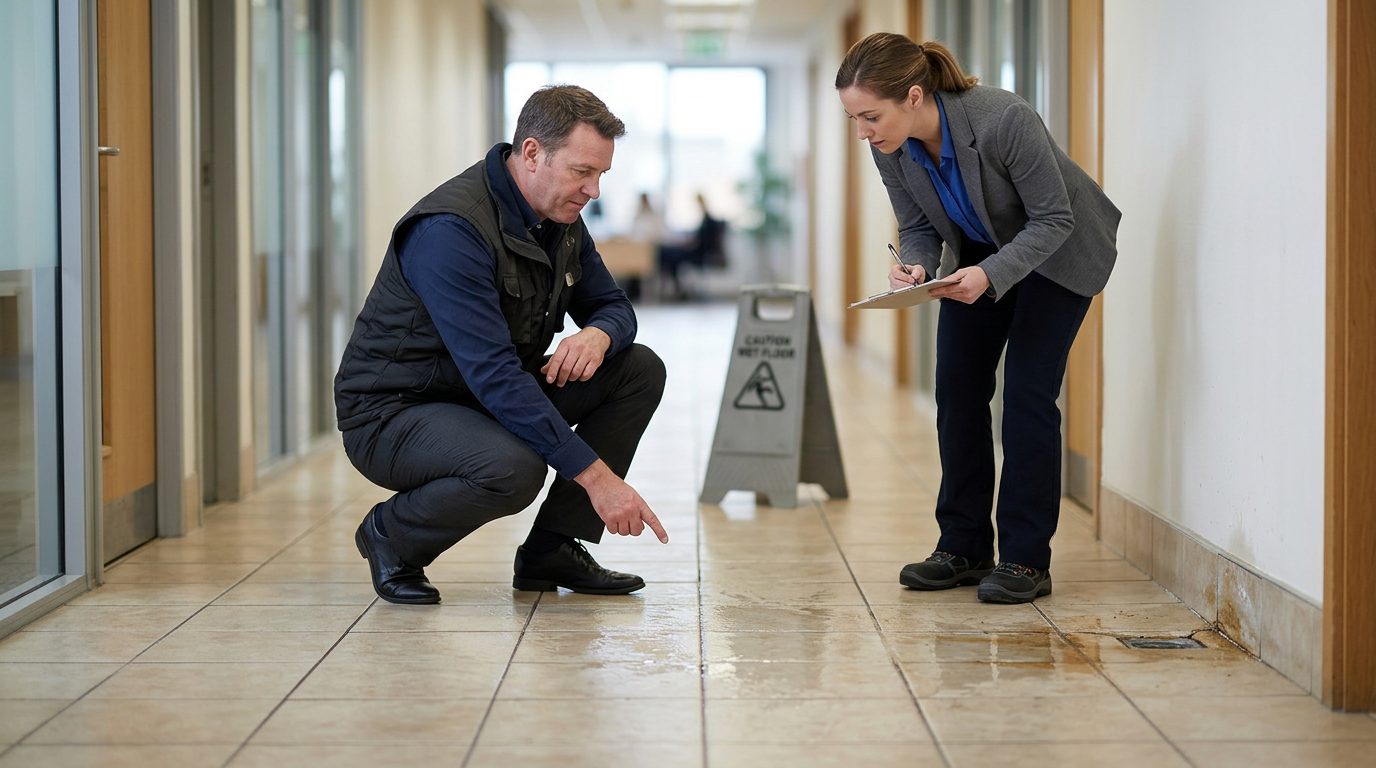
Slip and Fall Injuries
Slip and Fall Settlements: Soft Tissue vs. Broken Bones
Not all slip and fall injuries are the same. Learn how settlement amounts differ based on injury severity—and what your case may be worth.
By CHG Lawyers · Published September 30, 2026
Permanent Slip and Fall Injuries in Florida: Settlements for Serious, Life-Altering Harm
Most slip and fall injuries are minor. Sprains and bruises heal within weeks. But a fall can cause serious, lasting harm: broken bones needing surgery, spinal cord damage, brain injury, amputation, or severe burns. This page explains permanent slip and fall injuries, how they differ from minor ones, and what settlements typically reflect them.

Not sure what your next step is?
Talk it through with our team — the first consultation is free, confidential, and carries no obligation.
When Slip and Fall Injuries Cause Permanent Impairment
Many people slip and fall and recover fully. Permanent slip and fall injuries are different. They cause serious, lasting damage that requires lifelong medical care and disability support.
Permanent slip and fall injuries include:
- Spinal cord damage
- Traumatic brain injury
- Amputations
- Severe burns
- Fractures requiring surgical repair
These injuries often result in chronic pain, permanent loss of mobility, or cognitive impairment that lasts a lifetime.
Serious Slip and Fall Injuries: What They Look Like
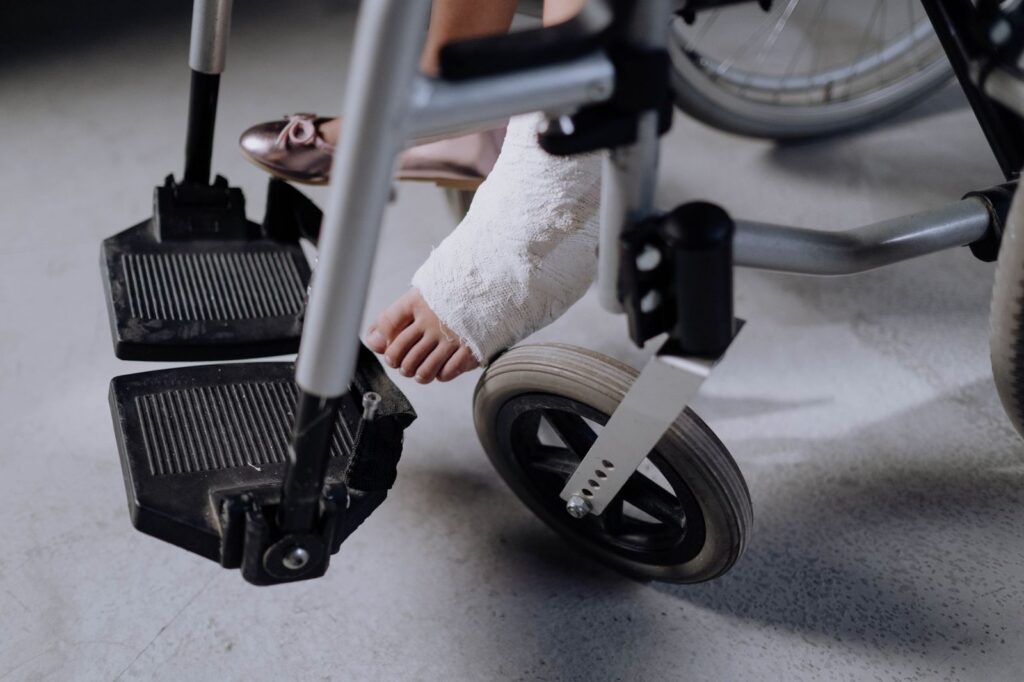
Spinal cord injuries and paralysis. A fall that damages the spinal cord can result in paraplegia (lower-body paralysis) or quadriplegia (full-body paralysis). These are permanent, life-altering conditions.
People with spinal cord injuries often need wheelchairs, home modifications, personal care assistance, and ongoing medical treatment for life. According to the Christopher Reeve Foundation, approximately 17,700 new spinal cord injuries occur annually in the United States. Lifetime care costs range from $1.3 million to $4.7 million, depending on injury severity and age.
Traumatic brain injuries. Head trauma from a fall can cause lasting cognitive, physical, or emotional impairment. It can affect memory, speech, mobility, personality, or work ability. The CDC reports that falls are the leading cause of traumatic brain injury-related emergency visits, hospitalizations, and deaths in the United States.
Fractures requiring surgery. Broken bones in the hip, spine, or pelvis often require surgical repair with pins, plates, or screws. These injuries frequently lead to chronic pain, arthritis, or permanent loss of function.
Amputations. Crush injuries or falls onto sharp objects can result in limb loss. Amputation requires lifelong prosthetic care, rehabilitation, and adaptation to permanent disability.
Severe burns. Falls into fire, hot liquid, or electrical hazards can cause deep burns. These require surgery, skin grafts, and often result in lifelong scarring or functional loss.
Spinal injuries without paralysis. Herniated discs, spinal fractures, or nerve damage can cause chronic pain and permanent activity restrictions.
Knee, hip, or ankle injuries requiring reconstruction. Some falls cause damage so severe that surgery cannot fully restore function. You may experience permanent limp, chronic pain, or reduced mobility.
Slip and Fall Settlement Ranges: Soft Tissue vs. Catastrophic Injury
Settlement amounts in slip and fall cases vary widely. They depend on injury severity, liability, age, and insurance limits.
- Minor soft tissue injuries (sprains, small cuts, minor bruises): Typically $1,000–$10,000.
- Moderate injuries (significant sprains, small fractures not requiring surgery): Usually $10,000–$50,000.
- Serious injuries requiring surgery (fractures with pins, plates, screws; knee arthroscopy; ACL repair): Often $50,000–$250,000 or more.
- Catastrophic injuries (spinal cord injury, traumatic brain injury, amputation, severe burn, permanent paralysis): May settle for $250,000 to several million dollars.
No two slip and fall cases are identical. Your settlement depends on location, liability, insurance limits, and your individual circumstances.
What Drives Slip and Fall Settlement Amounts?
Medical expenses. The total cost of emergency care, surgery, hospitalization, rehabilitation, and ongoing treatment. Catastrophic slip and fall injuries often involve hundreds of thousands of dollars in lifetime medical costs.
Lost wages. Income lost during recovery and, in catastrophic cases, permanent loss of earning capacity over decades.
Pain and suffering. Compensation for physical pain, emotional distress, and reduced quality of life. This is typically a multiple of medical expenses and lost wages.
Permanent impairment. If the injury causes lasting disability, settlement amounts increase significantly.
Age and earning potential. Younger people with decades of lost earning capacity typically receive higher settlements.
Liability and negligence. Clear evidence that the property owner failed to maintain safe conditions strengthens the claim. Under Florida law, property owners have a duty to maintain premises in reasonably safe condition and warn visitors of known hazards.
Insurance coverage. The property owner’s liability insurance limits may cap the settlement.
Comparative fault. Under Florida Statute 768.81, Florida follows a “comparative fault” rule. If you are found partially at fault for your fall, your settlement is reduced by your percentage of fault.
For example: if you are 20% at fault and the property owner is 80% at fault, and your total damages are $100,000, you would recover $80,000. If you are found more than 50% at fault, you cannot recover anything.
Slip and Fall Settlement: With Surgery vs. Without Surgery
Without surgery: Soft tissue injuries and minor fractures that heal on their own typically settle for $5,000–$50,000. These cases often resolve more quickly with predictable recovery and lower medical costs.
With surgery: Fractures requiring surgical repair, joint reconstruction, or operative intervention typically settle for $50,000–$500,000 or more. The difference reflects immediate surgical costs, longer recovery time, higher complication risk, chronic pain, and permanent functional loss. Catastrophic slip and fall injuries requiring multiple surgeries may settle for far more, especially if the injury results in permanent disability.
Have questions about what happened?
Ask our team directly. The first conversation is free, confidential, and there is no obligation to continue.
Is It Worth Suing for a Slip and Fall?
If your injury is minor and you’ve recovered fully, the cost and time of a lawsuit may not be worth it. However, if your injury is serious, requires surgery, causes permanent impairment, or has resulted in significant lost income, pursuing a claim is often worthwhile.
Catastrophic injuries—spinal cord damage, brain injury, amputation, severe burns—almost always justify legal action. The lifetime costs of care and lost income are enormous. An attorney can evaluate your case, determine liability, and negotiate with the property owner’s insurance company.
Many personal injury attorneys work on contingency. You pay no upfront fees or costs. Your attorney is paid only if you recover money. The fee is typically a percentage of your settlement or judgment (usually 33% to 40%). This removes the financial risk of pursuing your claim.
How Settlement Amounts Are Calculated
Settlement calculations combine two types of damages:
Economic damages include medical bills, surgery costs, hospitalization, rehabilitation, medications, medical equipment, lost wages, and lost earning capacity. These are concrete, documented expenses and losses.
Non-economic damages include pain and suffering, emotional distress, loss of enjoyment of life, and permanent impairment. These are assigned a value, often calculated as a multiple of economic damages (typically 1.5 to 5 times, or higher in catastrophic cases).
If your economic damages total $100,000, non-economic damages might range from $150,000 to $500,000 or more. This depends on the severity and permanence of your injury.
Liability also matters. If the property owner is clearly at fault, the settlement is typically higher. However, the property owner’s liability insurance policy has a maximum payout. If damages exceed that limit, recovery may be capped. Your attorney and the insurance company’s adjuster then negotiate a settlement. If they cannot agree, the case may go to trial.
When a Slip and Fall Becomes Catastrophic
A slip and fall is considered catastrophic when it results in permanent, life-altering impairment. This includes paralysis, brain injury, amputation, severe burns, or other injuries that permanently affect your ability to work, move, or care for yourself.
Catastrophic slip and fall injuries often require lifelong medical care, rehabilitation, assistive devices, home modifications, and personal care assistance. Settlement amounts in these cases reflect not only immediate medical costs but also decades of future care and lost income. These cases require thorough investigation, expert testimony, and experienced legal representation to ensure you receive fair compensation.
What to Do After a Serious Slip and Fall
Seek immediate medical attention, even if you feel okay. Some serious injuries (brain injury, spinal injury) may not be obvious at first.
Report the incident to the property owner or manager. Ask for a written incident report.
Take photos of the hazard that caused your fall if you can do so safely.
Get contact information from any witnesses.
Keep all medical records, bills, and documentation of lost wages.
Do not sign anything or accept a settlement offer without consulting an attorney.
Contact a personal injury attorney as soon as possible. Under Florida Statute 95.11, you generally have two years from the date of injury to file a lawsuit. This deadline is called the statute of limitations. Missing this deadline means you lose your right to sue. Prompt action is critical.
Want to know where you stand?
Tell us what happened and our team will walk you through the options available to you, at no cost.
FAQ: Slip and Fall Injuries and Permanent Impairment
Can a slip and fall cause permanent disability?
Yes. Spinal cord injuries, brain injuries, amputations, and severe burns from falls can result in permanent disability. These require lifelong medical care and support.
What is the difference between a minor and serious slip and fall injury?
Minor injuries (sprains, bruises) heal within weeks to months. Serious injuries (fractures requiring surgery, spinal damage, brain injury) often require surgery and extended recovery. They may cause permanent impairment.
How long do I have to file a slip and fall lawsuit in Florida?
You generally have two years from the date of injury under Florida Statute 95.11. Exceptions exist. Consult an attorney promptly to protect your rights.
What does “comparative fault” mean in a Florida slip and fall case?
Comparative fault means that if both you and the property owner share responsibility for your fall, your recovery is reduced by your percentage of fault. If you are more than 50% at fault, you cannot recover anything under Florida law.
Is it worth suing for a slip and fall if I had surgery?
Yes. Cases involving surgery typically settle for $50,000 to $500,000 or more. This depends on the type of surgery, recovery time, and permanent effects.
What should I do right after a serious slip and fall?
Seek medical attention, report the incident to the property owner, photograph the hazard, collect witness contact information, and keep all medical records and bills. Contact an attorney before speaking with the property owner’s insurance company.
If you or a loved one has suffered a serious slip and fall—one that’s left you with surgery, chronic pain, or permanent changes to your ability to work and live—we’re here to help. We understand what you’re facing. We help people in your situation regularly, and we’re ready to listen.
Contact us for a free case evaluation.
We’ll review your injury, explain your legal rights under Florida law, and discuss whether pursuing a claim makes sense for you. There’s no obligation, and no upfront cost.
Permanent Injuries Change Everything
Slip and fall accidents can cause spinal cord injuries, traumatic brain injuries, amputations, and other catastrophic harm that requires lifelong care. These cases demand different legal strategy and often result in significantly higher settlements than minor injuries.
How Injury Type Affects Settlement Value
Soft Tissue Injuries
Sprains, strains, and bruises typically heal within weeks to months. Settlements often cover medical bills, a short recovery period, and modest pain and suffering—usually in the lower range.
Fractures and Broken Bones
Broken legs, arms, ribs, or hips require surgery, physical therapy, and extended recovery. Settlements account for longer treatment, lost wages, and greater pain—substantially higher than soft tissue claims.
Spinal Cord and Back Injuries
Herniated discs, spinal fractures, and cord damage can cause chronic pain, mobility loss, or paralysis. These injuries demand lifetime medical care, adaptive equipment, and home modifications—resulting in major settlements.
Catastrophic Injuries
Traumatic brain injuries, amputations, severe burns, and permanent disability from falls reshape a person's entire life. Settlements reflect decades of care, lost earning capacity, and profound life changes.
What Determines Your Settlement
Medical Evidence
Detailed medical records, imaging, surgical reports, and ongoing treatment documentation establish the injury's severity and long-term impact.
Proof of Negligence
We investigate whether the property owner failed to maintain safe conditions, fix hazards, provide adequate lighting, or warn of dangers—and whether that failure caused your fall.
Lost Income and Expenses
Settlements include wages lost during recovery, medical bills, therapy costs, home care, mobility aids, and other out-of-pocket expenses tied to your injury.
Pain, Suffering, and Life Impact
The more severe and permanent the injury, the higher the compensation for pain, emotional trauma, lost independence, and diminished quality of life.
Time Matters in Slip and Fall Cases
Evidence disappears quickly—hazard conditions change, video footage is deleted, and witnesses move away. The sooner you report your fall and preserve evidence, the stronger your case.