

Slip & Fall Injuries | Florida
When a Fall Changes Everything: Legal Help for Catastrophic Slip & Fall Injuries
A slip and fall on someone else's property can cause life-altering injuries—spinal cord damage, brain injury, paralysis, or amputation. If negligence caused your fall, you may have a claim. CHG Personal Injury Lawyers focuses exclusively on catastrophic injury cases and serves injured Floridians nationwide.
By CHG Lawyers · Published September 30, 2026
Catastrophic Slip and Fall Injuries in Florida: When a Fall Changes Everything
You stepped on a wet floor. You missed a stair. You fell hard. Now you can’t move your legs, you don’t remember what happened, or someone you love is gone. This is not a minor injury. This is catastrophic—and it may not have been your fault.
Most slip and fall injuries cause bruises or sprains. They heal in weeks. But some falls cause permanent damage: spinal cord injury, traumatic brain injury, paralysis, or death. When a property owner failed to maintain a safe environment or warn of a known hazard, you or your family may have a legal claim.
Not sure what your next step is?
Talk it through with our team — the first consultation is free, confidential, and carries no obligation.
Catastrophic Slip and Fall Injuries: What Makes Them Different
A sprained wrist from a slip heals. You return to work and move forward.
A catastrophic slip and fall injury does not. It causes permanent damage that reshapes your body, your mind, your independence, and your future. Spinal cord injury, traumatic brain injury, paralysis, amputation, severe burns, or death are catastrophic outcomes.
The complications that follow are serious and ongoing: chronic pain, infections, loss of bladder or bowel control, cognitive impairment, depression, and the need for lifelong care.
The financial impact is staggering. Medical bills, home modifications, lost wages, and ongoing care costs accumulate over decades. The emotional toll—grief, loss of identity, strain on family relationships—is equally profound.
Spinal Cord Injuries from Falls: Permanent Paralysis
A fall from height, down stairs, or onto concrete can damage the spinal cord. The cord doesn’t need to be completely severed. Even bruising or swelling can cause lasting loss of function below the injury level.
The American Spinal Injury Association (ASIA) classifies spinal cord injuries by location:
- Cervical (neck) injury: affects all four limbs; may require a ventilator to breathe
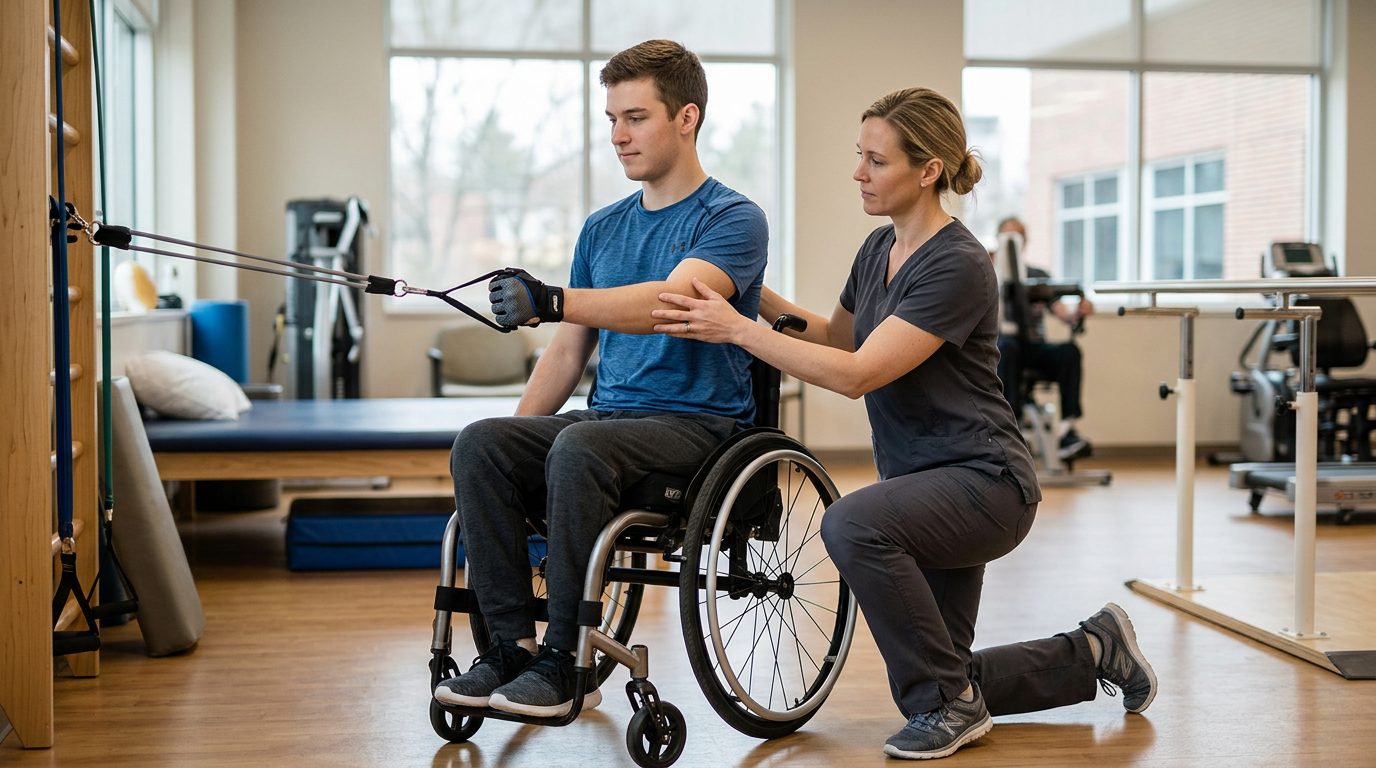
- Thoracic (mid-back) injury: affects the legs and trunk; the person may use a wheelchair
- Lumbar (lower-back) injury: affects the legs and lower body
According to the Mayo Clinic, symptoms include loss of sensation or movement, difficulty breathing, loss of bladder or bowel control, and changes in sexual function.
Recovery is often limited. Many people with spinal cord injuries require lifelong medical care: hospitalization, surgery, rehabilitation therapy, medications, mobility aids, home modifications, and personal assistance. The Christopher & Dana Reeve Foundation reports that lifetime care costs for spinal cord injury can exceed $1 million or more.
Traumatic Brain Injury from Falls: Invisible but Devastating
A hard blow to the head during a fall can cause traumatic brain injury (TBI). The brain can be injured even without a visible wound or loss of consciousness.
Severe TBIs can cause cognitive impairment, memory loss, personality changes, difficulty with speech or movement, seizures, chronic headaches, and loss of consciousness. Some people recover substantially over months or years. Others live with permanent deficits that affect their ability to work, care for themselves, or maintain relationships.
Long-term costs of TBI care—rehabilitation, therapy, medications, neuropsychological testing, supervision, and lost earning capacity—are substantial. Many families don’t realize until months later how much ongoing support their loved one will need.
Paraplegia and Quadriplegia: Total Loss of Mobility
Paraplegia (paralysis of the lower body) and quadriplegia (paralysis of all four limbs) are among the most severe outcomes of a catastrophic slip and fall injury. A person with paralysis may lose the ability to walk, work, or perform daily tasks without assistance.
Complications are serious and ongoing: pressure sores, urinary tract infections, blood clots, respiratory problems, and chronic pain. Each complication requires medical attention and can threaten the person’s life.
According to the Christopher & Dana Reeve Foundation, lifetime care costs for quadriplegia can exceed $1.5 million or more. This includes medical treatment, home care, adaptive equipment, and accessibility modifications. The psychological impact—grief, depression, loss of identity, social isolation—is as real as the physical injury.
Fatal Falls: When a Slip and Fall Results in Death
Some falls result in death from head trauma, internal bleeding, or complications that develop after the fall. Elderly people are at particular risk. According to the Centers for Disease Control and Prevention (CDC), falls are the leading cause of unintentional injury death in adults aged 65 and older. In 2021, more than 32,000 adults aged 65 and older died from falls.
When a death is caused by a property owner’s negligence—a wet floor without warning, broken stairs, poor lighting, or lack of maintenance—the family may have a wrongful death claim. These claims seek to hold the responsible party accountable and provide financial recovery for the family’s loss of income, companionship, and support.
Have questions about what happened?
Ask our team directly. The first conversation is free, confidential, and there is no obligation to continue.
Where Catastrophic Slip and Fall Injuries Happen in Florida
Catastrophic slip and fall injuries often occur in everyday settings where a property owner’s negligence creates the hazard. Common locations include:
- Apartment complexes in Miami, Hialeah, Kendall, and Homestead: wet balconies, broken stairs, inadequate lighting, poor maintenance
- Parking lots and garages in Tampa, Jacksonville, and Orlando: potholes, debris, inadequate lighting, lack of security
- Hotels and short-term rentals in Miami Beach, Fort Lauderdale, and Boca Raton: unsafe conditions, broken fixtures, inadequate maintenance
- Retail stores and restaurants in West Palm Beach and Coral Gables: wet floors without warning signs, broken flooring, inadequate maintenance
- Nursing homes and assisted-living facilities: inadequate supervision, falls during transfers, lack of grab bars or safety equipment
- Outdoor areas: poolside slips, deck hazards, uneven pavement
How Florida Law Determines Responsibility
Property owners have a legal duty to keep their premises reasonably safe. They must warn visitors of known dangers. If that duty is breached—a wet floor is not cleaned or marked, stairs are broken and not repaired, lighting is inadequate, or maintenance is neglected—and someone is injured as a result, the owner may be liable for damages.
Catastrophic slip and fall injuries strengthen a claim because the harm is severe, permanent, and measurable. Medical costs, lost income, and pain and suffering are all quantifiable and substantial.
Florida’s Modified Comparative Fault Rule
Florida follows modified comparative fault under Fla. Stat. §768.81(6). This rule is important:
- If you are found more than 50% at fault for the fall, you generally recover nothing.
- If you are found 50% or less at fault, your damages are reduced by your percentage of fault. For example, if you are 25% at fault and your total damages are $100,000, you recover $75,000.
Your own actions may reduce your recovery. However, a property owner’s negligence in maintaining the premises or warning of hazards is often the primary cause of a catastrophic slip and fall injury. An attorney will investigate the scene, review maintenance records, interview witnesses, and determine how comparative fault applies to your situation.
The Critical Two-Year Deadline in Florida
This deadline is urgent, especially for catastrophic injuries.
Under Fla. Stat. §95.11(4)(a), you have two years from the date of injury to file a slip and fall lawsuit in Florida. If you miss this deadline, you lose your right to sue, regardless of the strength of your claim.
For catastrophic slip and fall injuries, this deadline is critical because:
- Evidence preservation is urgent. The scene may change. Maintenance records may be destroyed. Witnesses may move or forget details. An attorney must investigate immediately.
- Medical documentation is essential. Early medical records establish the severity of your injury and connect it to the fall. Delays in seeking treatment can weaken your claim.
- Insurance companies move quickly. They may contact you early and offer a settlement that is far less than your claim is worth. Do not accept any offer without consulting an attorney first.
If you or a family member suffered a catastrophic fall, contact an attorney now. Do not wait.
What to Do After a Catastrophic Fall
If you or a family member has suffered a serious fall, these steps will help protect your legal claim:
- Seek immediate medical attention. Document the injury and follow all medical advice. Keep all medical records, bills, and receipts.
- Report the fall to the property owner or manager and request a written incident report.
- Take photos of the scene, the hazard that caused the fall, and any warning signs (or lack thereof). Take photos from multiple angles and at different times of day if possible.
- Collect contact information from any witnesses. Ask them what they saw.
- Do not discuss the fall with the property owner’s insurance company without consulting an attorney first.
- Do not sign any settlement or release without consulting an attorney first.
- Contact a personal injury attorney as soon as possible. Most offer free consultations and can advise you on your rights and deadlines.
Want to know where you stand?
Tell us what happened and our team will walk you through the options available to you, at no cost.
Getting Legal Help: Your Next Step
If you or a family member has suffered a catastrophic slip and fall injury—spinal cord damage, brain injury, paralysis, or the loss of a loved one—you do not have to navigate this alone. An attorney can investigate what happened, determine who is responsible, and fight for the compensation you need to cover medical care, lost income, and the costs of adapting to permanent disability.
A free case evaluation is the first step. You can discuss your situation, ask questions, and learn whether you have a claim, all without any obligation or cost.

Frequently Asked Questions
What is considered a catastrophic slip and fall injury?
A catastrophic slip and fall injury causes permanent, life-altering damage such as spinal cord injury, traumatic brain injury, paralysis, amputation, or death—not just temporary bruises or sprains.
How much does it cost to care for someone with paralysis from a fall?
Lifetime care costs for paralysis can exceed $1 million or more when accounting for medical treatment, home care, adaptive equipment, and accessibility modifications.
What is the difference between paraplegia and quadriplegia?
Paraplegia is paralysis of the lower body (legs and lower trunk); quadriplegia is pa
Time Matters
Claims arising from slip and fall injuries are subject to strict legal deadlines. The sooner you contact an attorney, the sooner we can investigate, preserve evidence, and protect your rights.
What Catastrophic Slip & Fall Cases Look Like
Spinal Cord Injury from a Fall
A fall down stairs, from a height, or on a slippery surface can fracture the spine and cause partial or complete paralysis. Victims may face decades of medical care, mobility equipment, and home modifications.
Traumatic Brain Injury
A hard fall can cause severe head trauma, leading to cognitive impairment, memory loss, personality changes, and lifelong disability. Recovery is often incomplete, and care costs are substantial.
Amputation or Limb Loss
Falls from heights, into machinery, or involving crush injuries can result in the loss of a limb. Prosthetics, rehabilitation, and adaptive living require ongoing investment.
Severe Burns or Crush Injuries
Falls involving fire, scalding water, or heavy objects can cause severe burns or crushing trauma. These injuries often require multiple surgeries, skin grafts, and long-term pain management.
Why Choose CHG Personal Injury Lawyers
Focused on Catastrophic Injury
We focus exclusively on the most serious personal injury cases—those that permanently change lives. We understand the medical, financial, and emotional complexity of catastrophic harm.
Thorough Investigation
We investigate the property owner's maintenance records, security footage, witness statements, and prior incidents to prove negligence and hold them accountable.
Bilingual Support
We serve Spanish-speaking clients throughout Florida with educational content and legal representation in both English and Spanish.
Florida-Based, Nationwide Reach
Based in Florida and licensed to practice here, we represent injured people across the state and take cases nationwide.
No Fees Unless There Is a Recovery
We work on contingency. You pay nothing upfront, and we only collect a fee if we recover compensation for you.
Available When You Need Us
Catastrophic injuries demand urgent attention. Contact us for a free case evaluation and to discuss your options.
Common Slip & Fall Scenarios
Apartment Complex or Rental Property
Broken stairs, poor lighting, unmaintained walkways, or negligent security can lead to serious falls. Property owners have a duty to maintain safe premises.
Parking Lot or Garage
Cracked pavement, standing water, inadequate lighting, or lack of security can cause falls and injuries. Owners must inspect and repair hazards promptly.
Retail Store or Business
Spilled liquids, debris, broken flooring, or poor housekeeping can cause customers to fall. Businesses must warn of hazards or remove them.
Hotel or Motel
Wet floors, broken railings, inadequate lighting, or poor maintenance can injure guests. Hotels owe a duty of care to visitors.