

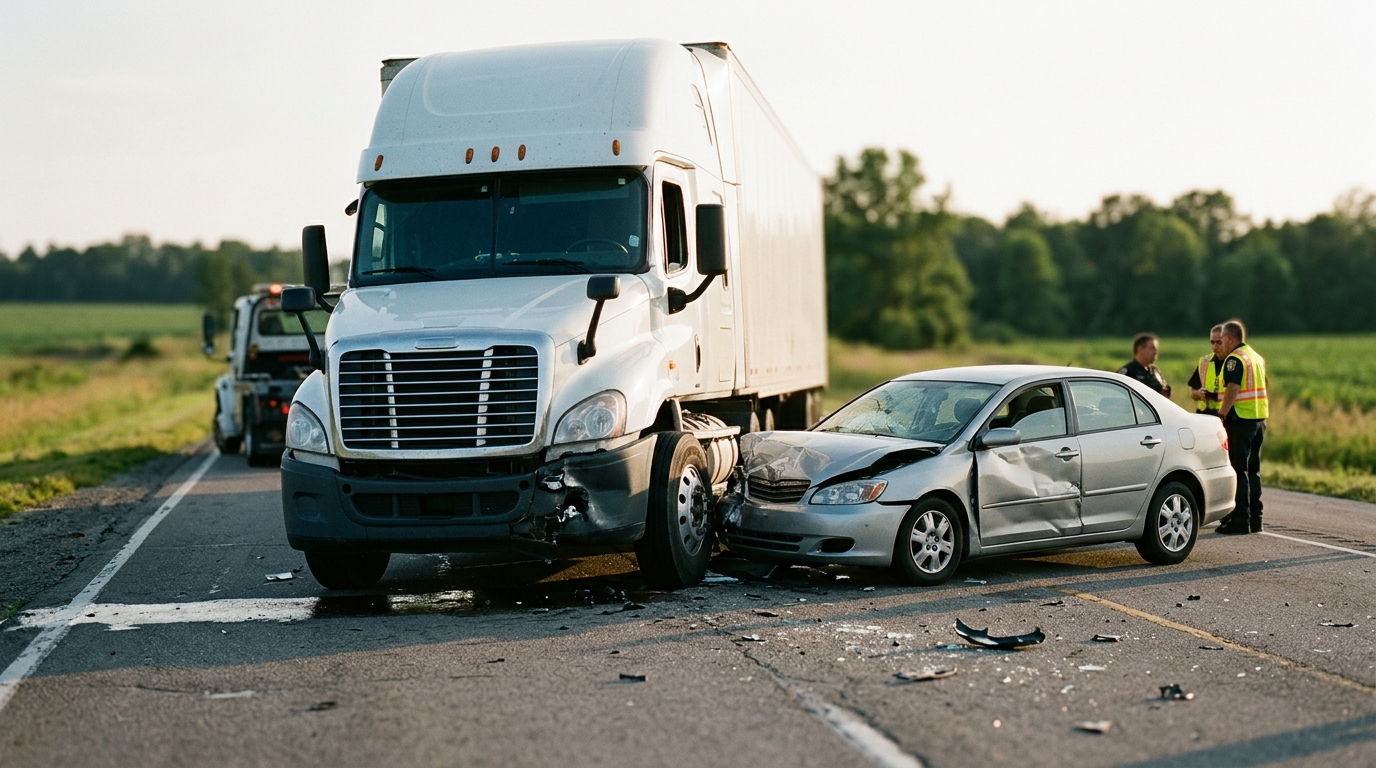
Truck Accident Injuries — Florida & Nationwide
Catastrophic vs. Minor Truck Accident Injury, Explained
Not every injury is the same. Understanding the difference matters for your health, your recovery, and the value of a claim after a serious commercial truck crash.
Focused on the Most Serious Injury Cases
Licensed
Florida Bar–admitted attorneys
Nationwide
We take catastrophic cases across the U.S.
Bilingual
English & Spanish client resources
Free
No-cost case evaluation
By CHG Lawyers · Published August 16, 2026
What Makes a Truck Accident “Catastrophic”? Understanding Life-Altering Crash Injuries
A catastrophic truck accident injury causes permanent harm or long-term loss of function. It changes daily life for good. It does not heal back to normal.
That is the core difference between a catastrophic vs. minor truck accident injury. A minor injury heals, and the person returns to their old life. A catastrophic one leaves lasting disability, a need for ongoing care, or death.
Maybe you are reading this after a serious crash. Maybe it is for you. Maybe it is for someone you love who cannot research it right now. Either way, you are probably not looking for a legal lecture. You want to know where your situation falls.
This page draws a clear, plain line between injuries that heal and injuries that don’t. We write it the way our attorneys explain it to families.
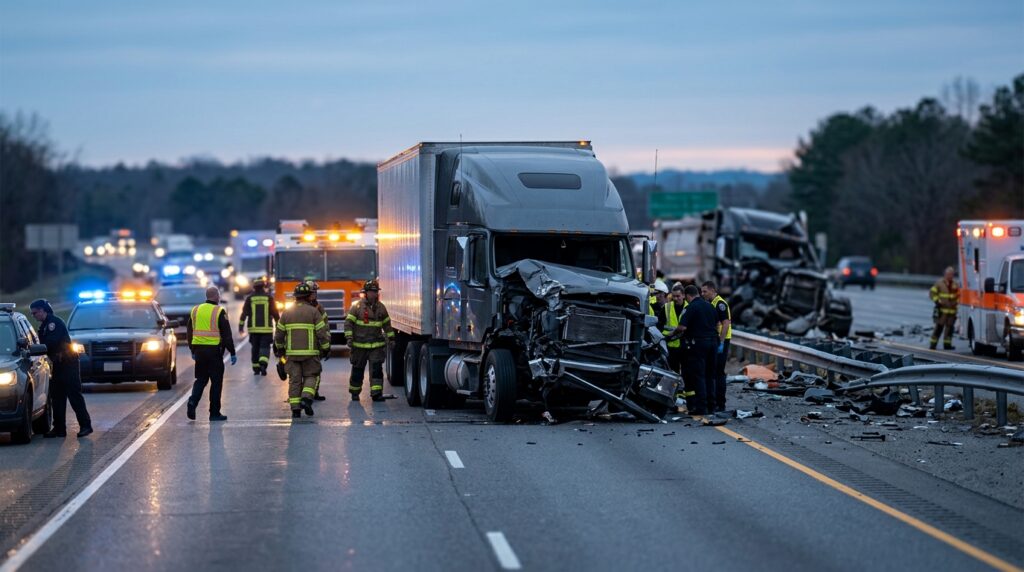
Not sure what your next step is?
Talk it through with our team — the first consultation is free, confidential, and carries no obligation.
The short answer: what “catastrophic” really means
A catastrophic injury permanently changes how a person moves, thinks, works, or cares for themselves. The word is not about drama. It is about permanence.
Think of it as two paths after a crash. On one path, the body heals. The pain fades, and life returns to something close to normal.
On the other path, the damage stays. A person may lose the use of their legs, part of their memory, or a limb. No amount of time fully restores it.
“Catastrophic” is a medical and practical reality first, and a legal category second. Doctors use it to describe permanent impairment. Lawyers use it because permanent injuries carry lifetime costs. A claim has to account for those costs. We will cover both below.
Catastrophic vs. minor truck accident injury: the key differences
The difference comes down to permanence and impact. It is not about how bad the wreck looked. A crash that crumples a car can leave someone bruised. A lower-speed impact can end in paralysis.
Here is how the two compare in plain terms:
- Recovery timeline: A minor injury heals in weeks or months. A catastrophic injury often never fully heals.
- Independence: With a minor injury, you regain your daily routine. A catastrophic injury can permanently affect your ability to walk, work, or live on your own.
- Cost: Minor injuries carry short-term bills with limits. Catastrophic injuries carry lifetime costs. These include ongoing medical care, therapy, equipment, and lost income.
- Effect on work and family: A minor injury interrupts life. A catastrophic injury reshapes it, often for the whole family.
Which injuries are usually not catastrophic
Being honest with yourself matters. So here is the other side of the line. The injuries below are painful and real, but they usually heal. They fall outside this page’s focus:
- Soft-tissue strains and sprains
- Whiplash without nerve damage
- Simple fractures that heal with standard treatment
- A herniated disc without permanent nerve or spinal-cord damage
- Minor, first-degree burns
If your injury is on this list, it still matters to you. It just means this page probably is not describing your situation.
Here is a point families often miss. The same crash can produce both kinds of injury. One person walks away sore. Another suffers a spinal cord injury. Severity is judged by permanence and impact, not by the size of the dent.
The injuries that make a truck crash catastrophic
Certain injuries almost always cross the line into life-altering. Our attorneys handle truck crash cases. These are the injuries we see again and again.
Spinal cord injuries and paralysis
A spinal cord injury can cause permanent loss of strength, feeling, and body function below the injury site. According to Mayo Clinic, how much a person loses depends on where the spinal cord is hurt and how bad the damage is.
Doctors classify these injuries as complete or incomplete. They use the ASIA Impairment Scale, kept by the American Spinal Injury Association. A complete injury (ASIA grade A) means nearly all feeling and movement below the injury is gone. An incomplete injury leaves some function.
Paralysis is a common result. Paraplegia affects the trunk, legs, and pelvic organs. Quadriplegia (also called tetraplegia) affects the arms, hands, trunk, and legs.
The Christopher & Dana Reeve Foundation reports that nearly 1 in 50 people in the U.S. lives with some form of paralysis. The National Spinal Cord Injury Statistical Center (NSCISC) tracks national data on these injuries. It shows that vehicle crashes are a leading cause of new spinal cord injuries each year.
Traumatic brain injuries
A traumatic brain injury (TBI) is damage to the brain. It can cause lasting changes in memory, thinking, mood, and behavior. Unlike a bruise, a serious brain injury may never fully mend.
Families often describe a loved one who “isn’t the same person” after the crash. Mayo Clinic notes that severe TBI can involve long periods of unconsciousness. It can also cause long-term physical, mental, and behavioral effects.
Amputation and limb loss
A truck crash can crush a limb so badly that surgeons must remove it. The limb may also be severed in the crash itself. Amputation is permanent. It usually means a lifetime of adjustment, prosthetics, more surgeries, and follow-up care.
Severe burns
Fuel fires or spilled chemical cargo can cause severe burns. Deep second- and third-degree burns destroy skin and tissue. They leave scarring and often change a person’s appearance. They usually require many surgeries, skin grafts, and long recoveries.
Catastrophic back and neck injuries
Not every back or neck injury is catastrophic. But permanent nerve damage does cross the line. So does damage that limits movement and causes lasting pain. This is especially true when it affects the spinal cord itself.
Fatal injuries
The most catastrophic outcome is the loss of a life. When a truck crash causes a death, the surviving family may bring a wrongful-death claim. This is a legal case the family can file after a loss.
We handle these cases with care. We focus on the family left behind and what they can do next, never on the details for their own sake.
Why truck crashes cross the line into catastrophic so often
Truck crashes turn catastrophic more often because of size and weight. A fully loaded commercial truck can weigh up to 80,000 pounds. That is the federal limit for a standard rig under 23 U.S.C. §127. A typical car weighs about 3,000 to 4,000 pounds. When that mass hits a smaller vehicle, the forces are enormous.
Truck crashes also involve dangers that ordinary wrecks rarely have:
- Underride, where a car slides beneath the trailer.
- Override, where the truck rides up over the car.
- Rollovers, which can crush the passenger cabin.
Other factors raise severity, too. A tired driver, broken hours-of-service limits, or poor maintenance can all make a bad crash worse. The hours-of-service limits are federal rules on driving time. The Federal Motor Carrier Safety Administration enforces them. For a deeper look, see our page on why truck crashes cause severe injuries.
Have questions about what happened?
Ask our team directly. The first conversation is free, confidential, and there is no obligation to continue.
What counts as catastrophic in the eyes of doctors and the law
Both medicine and the law look for permanence. Doctors point to key signs. These include permanent disability, the need for ongoing care, loss of a bodily function, or being unable to return to work.
Permanence also changes the scope of a legal claim. A catastrophic injury can mean lifetime medical care. It can mean lost future earnings. It can also mean money for home and vehicle changes or in-home help. These costs stretch across decades, not months.
One honest note. Proving permanence usually takes medical records gathered over time. This page is general information. It is not legal advice about your specific case.
Why the distinction matters after a serious truck crash
The full cost of a catastrophic injury is rarely clear at first. Early insurance offers often cover only the first round of bills. They do not cover the lifetime of care ahead. That gap is why the “catastrophic vs. minor” label carries so much weight.
Evidence can also disappear fast. A truck’s electronic control module (its “black box”) can show speed, braking, and hours driven. That information helps prove both cause and severity. But it can be lost if no one acts to save it early.
Florida also sets time limits. Most negligence claims that arose on or after March 24, 2023 must generally be filed within two years. This is under Fla. Stat. §95.11.
Florida also uses a modified comparative-negligence rule. This rule reduces or blocks your payment based on your share of the fault. Under Fla. Stat. §768.81, someone found more than 50% at fault for their own harm generally cannot recover damages. We take cases nationwide. But these Florida rules matter for our home-state clients.
Understanding the category won’t promise any result. But it helps you ask the right questions at a moment when you may not know where to start.
When you’re ready to talk—no pressure
Many people find this page while still gathering information for someone they love. They are not ready to make a single decision. That is okay.
When you are ready, our licensed attorneys offer a free case evaluation. It is available in English or Spanish. We can help you understand your options. We can’t promise a result—no honest lawyer can. But we can listen and explain what comes next. Contact CHG Personal Injury Lawyers whenever the time is right.
Where to learn more
For the bigger picture, read our main guide on catastrophic truck accident injuries and your rights. Our pages on spinal cord injuries and traumatic brain injuries go deeper into what recovery and long-term care can involve.
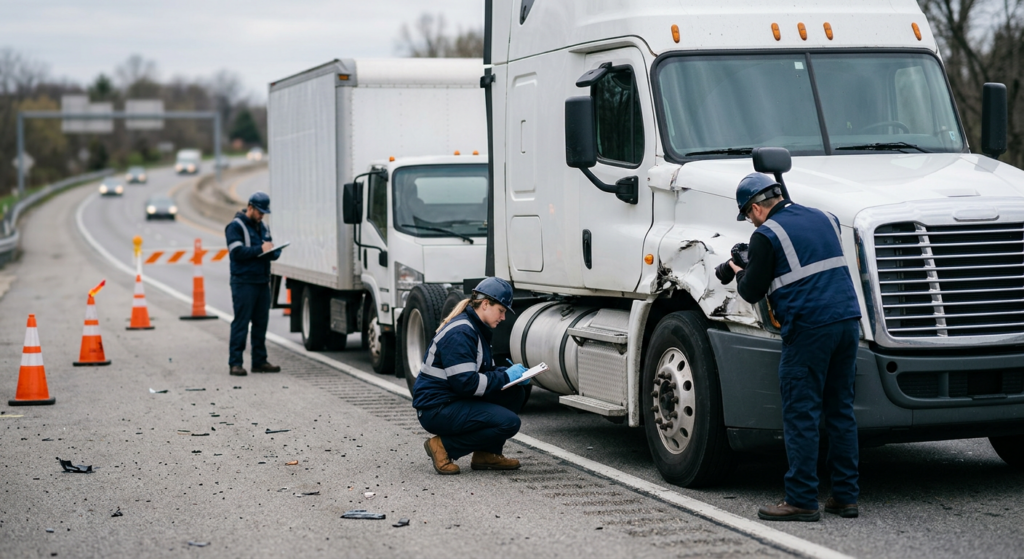
Want to know where you stand?
Tell us what happened and our team will walk you through the options available to you, at no cost.
Frequently asked questions
What counts as a catastrophic injury?
A catastrophic injury causes permanent harm or lasting loss of function. Examples include paralysis, a traumatic brain injury, amputation, or severe burns.
What is the difference between a catastrophic and a minor truck accident injury?
A minor injury heals, and you return to normal life. A catastrophic injury leaves permanent disability, a need for ongoing care, or death.
Is a spinal cord injury always permanent?
Not always. Doctors classify spinal cord injuries as complete or incomplete using the ASIA Impairment Scale. An incomplete injury may leave some movement or feeling. Still, many effects are lasting.
What is the difference between paraplegia and quadriplegia?
Paraplegia affects the trunk, legs, and pelvic organs. Quadriplegia (tetraplegia) affects the arms, hands, trunk, and legs.
Can a family bring a claim if a truck crash causes a death?
Yes. When a truck crash causes a death, the surviving family may be able to bring a wrongful-death claim.
How long do I have to file a truck accident injury claim in Florida?
Most Florida negligence claims that arose on or after March 24, 2023 must generally be filed within two years. You should confirm the deadline for your specific case.
Signs an Injury May Be Catastrophic
Permanent Loss of Function
Paralysis, paraplegia, or quadriplegia from a spinal cord injury that does not fully recover.
Traumatic Brain Injury
Lasting changes to memory, thinking, mood, or the ability to work and live independently.
Amputation or Limb Loss
The loss of an arm, leg, hand, or foot, whether at the scene or through later surgery.
Severe Burns
Deep burns that require grafts, cause permanent scarring, or affect large areas of the body.
A 'Minor' Injury Can Turn Serious
Some catastrophic injuries — especially brain and spinal cord injuries — are not obvious in the hours after a crash. If symptoms worsen or new problems appear, seek medical care right away and keep a record of what changes.
The Difference in Plain Language
A Minor Injury Heals
You recover, return to your normal life, and the injury does not permanently change how you live, work, or care for yourself. These cases are important, but they are not our focus.
A Catastrophic Injury Lasts
It leaves permanent impairment or the loss of a body function — paralysis, brain damage, amputation, or severe burns — reshaping daily life, careers, and family roles for years or a lifetime.
Fatal Outcomes
A death is the most catastrophic outcome of all. When a truck crash takes a life, surviving family members may bring a wrongful-death claim. We handle these cases with dignity and care.
Why the Distinction Matters
A catastrophic injury involves lifelong medical care, lost income, and long-term needs. Documenting the true extent of harm is central to pursuing full and fair accountability.