

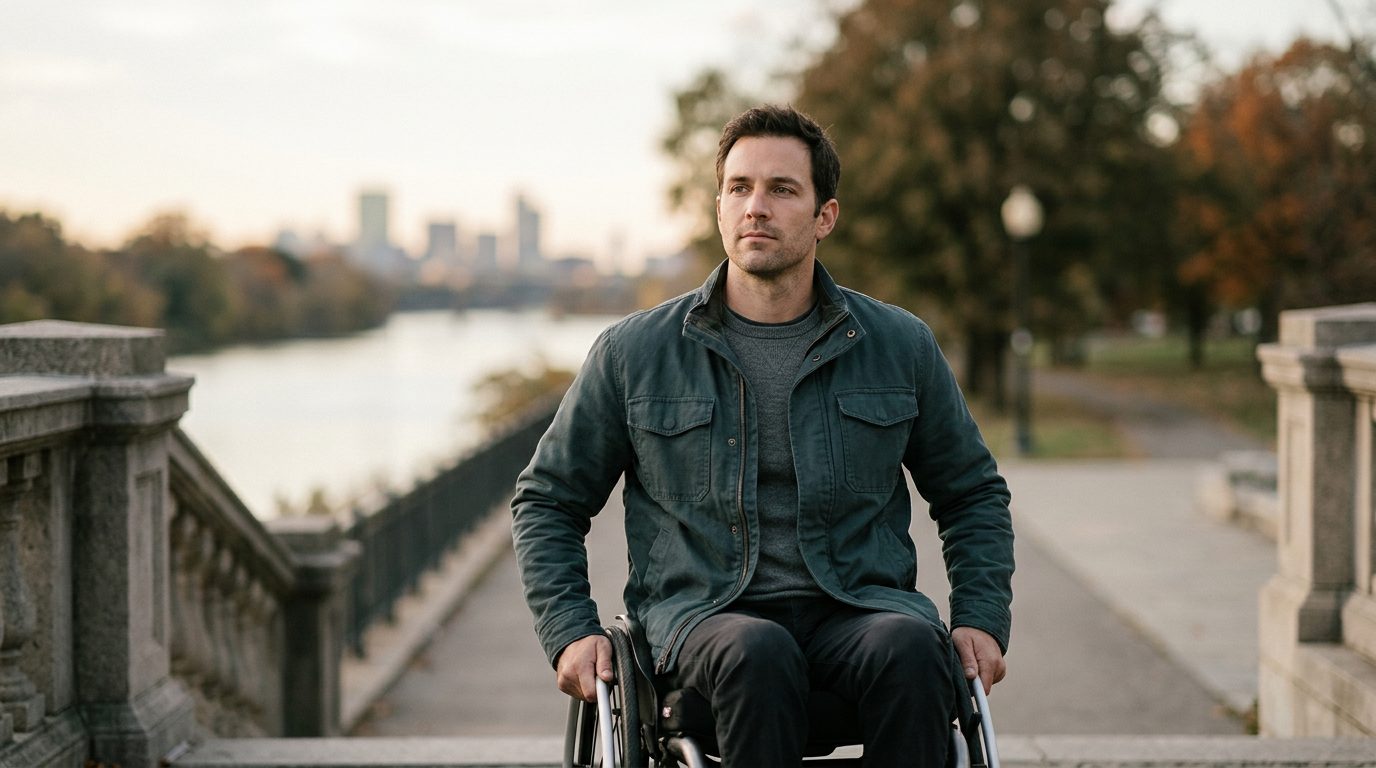
Catastrophic Injury Guide
Catastrophic Injury Claims: Your Complete Guide to Recovery and Compensation
If a catastrophic injury has changed your life forever, you have rights. Learn what compensation may be available and how to pursue your claim.
By CHG Lawyers · Published August 17, 2026
Catastrophic Injury Claims: What Victims and Families Need to Know
A catastrophic injury claim is a legal action brought by a victim or their family to recover compensation after a serious, permanent injury or death caused by someone else’s negligence or failure to act. Unlike injuries that heal over time, catastrophic injuries permanently alter your independence, earning ability, and quality of life.
This guide explains what qualifies as a catastrophic injury under Florida law, how compensation is calculated, what the legal process requires, and the urgent steps you must take to protect your rights.
Not sure what your next step is?
Talk it through with our team — the first consultation is free, confidential, and carries no obligation.
What Qualifies as a Catastrophic Injury?
A catastrophic injury causes permanent, severe impairment that substantially reduces your ability to work, live independently, or care for yourself. These injuries do not heal completely and require lifelong medical care, rehabilitation, and support.
Spinal Cord Injuries and Paralysis
Damage to the spinal cord results in partial or complete loss of sensation and movement below the injury site. Paraplegia (paralysis of the lower body) and quadriplegia (paralysis of all four limbs) are the most severe forms.
According to the Christopher & Dana Reeve Foundation, approximately 302,000 people in the United States currently live with spinal cord injuries, and about 18,000 new cases occur annually.
Severity is classified using the ASIA Impairment Scale (AIS), which ranges from A (complete loss of sensory and motor function) to E (normal function).
Traumatic Brain Injuries (TBI)
A traumatic brain injury results from a blow, jolt, or penetrating injury to the head. Severe TBIs cause cognitive impairment, memory loss, personality changes, loss of physical function, and permanent disability.
Amputations and Limb Loss
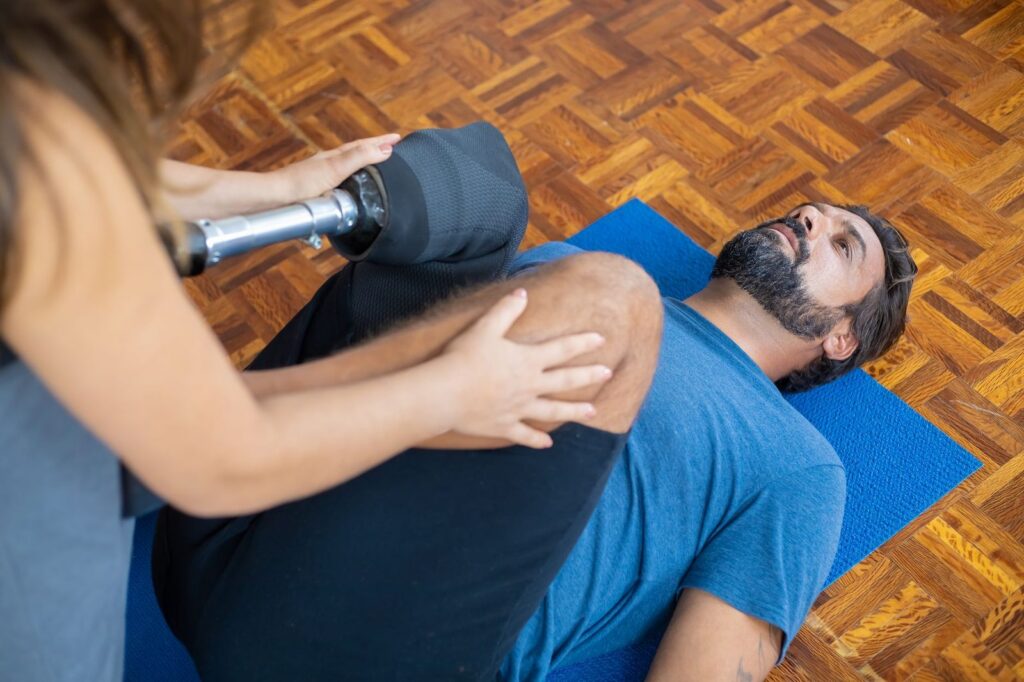
Amputation is the permanent loss of a limb or digit due to trauma or surgical necessity. Amputation profoundly affects mobility, employment, self-image, and independence. Prosthetic devices, rehabilitation, and ongoing medical care are lifelong necessities.
Severe Burns
Severe burns cover large body surface areas or affect sensitive regions (face, hands, genitals). Severe burns cause scarring, contractures (permanent tissue tightening), chronic pain, infection risk, and significant psychological trauma. Burns affecting more than 20% of total body surface area are classified as severe and often require intensive hospitalization and years of reconstructive surgery.
Catastrophic Back and Neck Injuries
Injuries to the spine causing chronic, disabling pain, permanent nerve damage, or loss of function—including severe disc herniations, fractures, or fusion complications—prevent return to work or normal activity and require long-term medical management.
What catastrophic injuries are NOT: Minor or routine injuries—soft-tissue sprains, uncomplicated fractures, minor burns, or whiplash—do not qualify as catastrophic because they do not cause permanent disability.
How Catastrophic Injuries Happen
Truck Accidents
Commercial trucks weigh up to 80,000 pounds when fully loaded. When a truck crashes due to driver fatigue, speeding, mechanical failure, or inadequate maintenance, the force involved causes severe injuries to occupants of smaller vehicles.
Truck accident victims often suffer spinal cord injuries, traumatic brain injuries, amputations, and fatal outcomes. Liability may extend to the truck driver, the trucking company, the vehicle manufacturer, or the maintenance contractor, depending on the cause of the crash.
Negligent Security and Violent Crime
When a property owner fails to provide reasonable security—such as working locks, adequate lighting, security cameras, or trained security personnel—and that failure allows an assault, shooting, robbery, sexual assault, or other violent attack to occur on the premises, the victim may have a legal claim against the property owner.
This is called a negligent security claim or premises liability claim. The property owner has a legal duty to maintain reasonable security measures appropriate to the property and its location.
Common locations where negligent security claims arise:
- Apartment complexes and residential buildings
- Parking lots and parking garages
- Hotels and motels
- Bars and nightclubs
- Gas stations and convenience stores
- Shopping centers and retail stores
- ATMs and bank premises
If you were assaulted, shot, robbed, or sexually attacked on someone else’s property because the owner failed to maintain reasonable security, you may be entitled to compensation for your injuries, medical expenses, lost wages, pain and suffering, and other damages.
Under Florida law, property owners have a duty to protect invitees (customers, guests, residents) from foreseeable criminal acts. Courts consider factors such as prior criminal activity on the property, the neighborhood’s crime rate, the time of day, and the security measures the owner knew about or should have known about.
Medical Negligence
Catastrophic injuries can result from surgical errors, anesthesia complications, failure to diagnose a serious condition, or other breaches of the standard of care by a healthcare provider. Medical negligence claims require expert testimony to establish that the provider’s conduct fell below the standard of care and caused the injury.
Other Serious Accidents
Catastrophic injuries also arise from falls from heights, machinery accidents, explosions, and workplace incidents.
How Fault Is Determined in Florida
Florida uses a legal principle called comparative negligence to determine fault. Under Fla. Stat. §768.81, you can recover damages even if you were partially at fault, but you cannot recover any damages if you were more than 50% responsible for the injury.
Example: If you were injured in a truck accident and the defendant was 80% at fault while you were 20% at fault, you can recover 80% of your damages. If you were more than 50% responsible for the injury, you cannot recover any damages.
Establishing fault requires investigation and evidence:
- Police reports and accident scene photographs
- Witness statements and contact information
- Expert testimony (accident reconstruction, medical causation)
- Maintenance and inspection records (for vehicle or property defects)
- Security footage and incident reports (for negligent security claims)
- Medical records and expert opinions on causation
In catastrophic-injury cases, establishing clear liability is often critical to securing fair compensation, especially when the defendant disputes responsibility or claims the victim was partially at fault.
What Compensation Can You Recover?
Damages in a catastrophic injury claim fall into two categories: economic and non-economic.
Economic Damages
Economic damages compensate you for measurable financial losses:
- Medical expenses — Past and future hospital stays, surgeries, rehabilitation, physical therapy, medications, medical equipment (wheelchairs, ventilators, monitoring devices), home modifications (ramps, accessible bathrooms, elevator installation), and ongoing care.
- Lost wages and earning capacity — Income lost due to time away from work, and the diminished earning potential resulting from permanent disability. For someone who can no longer work, this includes the income they would have earned over their remaining working years.
- Cost of care — Expenses for in-home nursing, personal care attendants, housekeeping, transportation, and other services necessitated by the injury.
- Assistive devices and modifications — Prosthetics, wheelchairs, vehicle adaptations, and home accessibility modifications.
Non-Economic Damages
Non-economic damages compensate for intangible losses:
- Pain and suffering — The physical pain and emotional distress caused by the injury.
- Loss of enjoyment of life — The inability to participate in activities, hobbies, relationships, and experiences you once enjoyed.
- Loss of consortium — The impact on your relationship with your spouse or family members.
- Disfigurement and scarring — Permanent visible injury affecting appearance and self-image.
- Psychological trauma — Depression, anxiety, PTSD, and other mental-health consequences.
In catastrophic injury cases, damages are often substantial because the injuries are permanent and the lifetime costs of care are high.
Have questions about what happened?
Ask our team directly. The first conversation is free, confidential, and there is no obligation to continue.
The Statute of Limitations: Your Deadline to File
In Florida, you must file a personal-injury lawsuit within a specific time frame called the statute of limitations. Under Fla. Stat. §95.11, a personal-injury claim must generally be filed within two years from the date the injury occurred.
If you miss this deadline, you lose the right to sue permanently, and you cannot recover compensation—no matter how serious your injury.
For wrongful-death claims: The statute of limitations is two years from the date of death. In Florida, the wrongful-death claim is filed by the personal representative of the estate on behalf of the survivors, such as the spouse, children and parents (Fla. Stat. § 768.20).
Do not delay. Contact an attorney immediately after a catastrophic injury to protect your rights and preserve evidence, including photographs, witness statements, and incident reports.
Wrongful-Death Claims: When a Catastrophic Injury Results in Death
Wrongful-death claims can arise from truck crashes, negligent security (fatal assaults or shootings), medical negligence, or other serious incidents.
Under Fla. Stat. §768.20, a wrongful-death action is brought by the decedent’s personal representative, not by family members themselves. The decedent’s spouse, children, and parents are survivors who may benefit from the claim. The claim seeks to compensate the family for their loss and to hold the responsible party accountable.
What You Must Do After a Catastrophic Injury
If you or a loved one has suffered a catastrophic injury, take these steps immediately:
-
Seek emergency medical care. Your health is the priority. Emergency treatment stabilizes your condition and creates a medical record documenting your injuries.
-
Report the incident. If the injury resulted from a truck accident, call 911 and request a police report. If it occurred on a property, report it to the property owner or manager and request an incident report. Document the names, phone numbers, and email addresses of all witnesses.
-
Preserve evidence. Take photographs of the accident scene, your injuries, hazardous conditions, and any property damage. Keep all medical records, bills, receipts, and documentation of lost wages. Do not discard damaged clothing, equipment, or personal items.
-
Do not communicate with the defendant’s insurance company. Do not give a recorded statement or sign any documents without consulting an attorney. Anything you say can be used against you. Refer all inquiries to your attorney.
-
Consult a catastrophic injury attorney as soon as possible. An experienced attorney will investigate the incident, identify all liable parties, preserve evidence, and advise you on your legal options and rights.
Frequently Asked Questions
What is the difference between a catastrophic injury and a serious injury?
A catastrophic injury causes permanent, severe impairment that fundamentally alters the victim’s life and independence. A serious injury may heal or improve over time. Catastrophic injuries—such as spinal cord injuries, traumatic brain injuries, amputations, and severe burns—require lifelong care and support.
Can I recover compensation if I was partially at fault for the accident?
Yes, under Florida’s comparative negligence rule, you can recover damages even if you were partially at fault, unless you were found to be more than 50% at fault. Your recovery is reduced by your percentage of fault.
How long does a catastrophic injury case take to resolve?
The timeline varies depending on the complexity of the case, the severity of the injury, the number of liable parties, and whether the case settles or proceeds to trial. Some cases settle within months; others take years. Your attorney can provide a more specific estimate based on the facts of your case.
What if the person who caused my injury is uninsured or underinsured?
If the at-fault driver is uninsured or underinsured, you may be able to recover through your own uninsured/underinsured motorist (UM/UIM) coverage or through other available sources of compensation, such as a judgment against the at-fault party’s personal assets.
Can I file a claim on behalf of a family member who is unable to communicate?
Yes. A family member, guardian, or conservator can file a claim on behalf of an incapacitated person. The court may appoint a guardian ad litem to represent the injured person’s interests.

Want to know where you stand?
Tell us what happened and our team will walk you through the options available to you, at no cost.
Take the Next Step
A catastrophic injury changes everything—your body, your independence, your future, and your family’s life. The financial, medical, and emotional burden is immense. You deserve to know whether someone else’s negligence or wrongdoing is legally responsible and whether you have the right to recover compensation to help you rebuild.
If you or a family member suffered a spinal cord injury, traumatic brain injury, amputation, severe burn, or other catastrophic injury—or if your family lost a loved one in a catastrophic accident—and you believe someone else is responsible, contact CHG Personal Injury Lawyers for a free case evaluation. Our attorneys understand these cases and can explain your options clearly and compassionately.
Types of Catastrophic Injuries We Handle
Spinal Cord Injuries & Paralysis
Damage to the spinal cord often results in partial or complete paralysis (paraplegia or quadriplegia). These injuries cause permanent loss of sensation and motor function, requiring lifelong medical care, mobility aids, and home modifications.
Traumatic Brain Injuries (TBI)
Severe head trauma can cause lasting cognitive, physical, and emotional impairment. Victims may struggle with memory, communication, balance, and personality changes that affect work, relationships, and independence.
Amputation & Limb Loss
Loss of a limb or digit is irreversible and profoundly affects mobility, employment, and daily life. Prosthetics, rehabilitation, and ongoing care are essential but costly.
Severe Burns & Catastrophic Back/Neck Injuries
Severe thermal injuries and catastrophic spinal trauma cause permanent scarring, functional loss, chronic pain, and psychological trauma. Recovery requires extensive surgery, therapy, and lifelong support.
Common Causes of Catastrophic Injuries
Truck Accidents
Large commercial trucks cause severe injuries and fatalities due to their size and weight. Driver negligence, mechanical failure, and unsafe road conditions are common factors in catastrophic truck crashes.
Negligent Security & Violent Crime
When a property owner fails to provide reasonable security—working locks, adequate lighting, cameras, or guards—and someone is assaulted, shot, robbed, or attacked on that property, the victim may have a claim against the owner for negligent security.
Workplace & Motor Vehicle Accidents
Industrial machinery, falls from heights, and serious car crashes can cause life-altering injuries. Employer negligence or unsafe conditions often play a role.
Medical Negligence
Surgical errors, misdiagnosis, medication mistakes, and failures to provide standard care can result in catastrophic harm and permanent disability.
Time Matters
Florida law sets strict deadlines for filing injury claims. The sooner you act, the better your chances of preserving evidence and building a strong case. Contact us right away to protect your rights.
Steps to Build Your Catastrophic Injury Claim
Seek Immediate Medical Care
Your health and safety come first. Medical records documenting your injuries are also crucial evidence for your claim. Report the incident to authorities if applicable.
Document Everything
Gather photos of the accident scene, your injuries, and any property damage. Keep records of medical treatment, prescriptions, therapy, and all expenses related to your injury.
Report the Incident
File a police report or incident report with the property owner, employer, or relevant authority. This creates an official record of what happened.
Consult a Catastrophic Injury Attorney
An experienced attorney will investigate your case, identify liable parties, calculate your damages, and fight for fair compensation on your behalf.
Why Choose CHG Personal Injury Lawyers
Licensed Florida Attorneys
Our team includes licensed attorneys admitted to the Florida Bar.
Thorough Investigation
We investigate every detail—accident scenes, medical records, negligent security failures, and liable parties—to build the strongest possible claim.
Empathetic, Plain-Language Guidance
We understand the physical, emotional, and financial toll of catastrophic injury. We explain your options clearly and support you every step of the way.
Serving Florida
While based in Florida, we represent victims of catastrophic injuries across Florida.
No Attorney’s Fees Unless There Is a Recovery
We work on contingency, so you pay nothing upfront. You only pay if we recover compensation for you.
Bilingual Resources
We publish educational content in English and Spanish to help victims and families understand their rights.
Frequently Asked Questions
What is the difference between a catastrophic injury and a serious injury?
A catastrophic injury causes permanent, severe impairment that fundamentally alters the victim's life and independence. A serious injury may heal or improve over time. Catastrophic injuries—such as spinal cord injuries, traumatic brain injuries, amputations, and severe burns—require lifelong care and support.
Can I recover compensation if I was injured due to someone else's negligence?
Yes. If another person or entity's negligence caused your catastrophic injury, you may have a legal claim for damages. This includes medical expenses, lost wages, pain and suffering, and costs for ongoing care and rehabilitation.
What if the accident happened outside Florida?
We handle catastrophic injury cases nationwide. The laws and procedures vary by state, but the same principles apply: if negligence caused your injury, you may be entitled to compensation. Contact us to discuss your case.
How long do I have to file a claim?
Florida law sets strict deadlines (called statutes of limitations) for filing injury claims. The timeline depends on the type of case and the parties involved. Don't wait—contact us immediately to protect your rights and preserve evidence.