
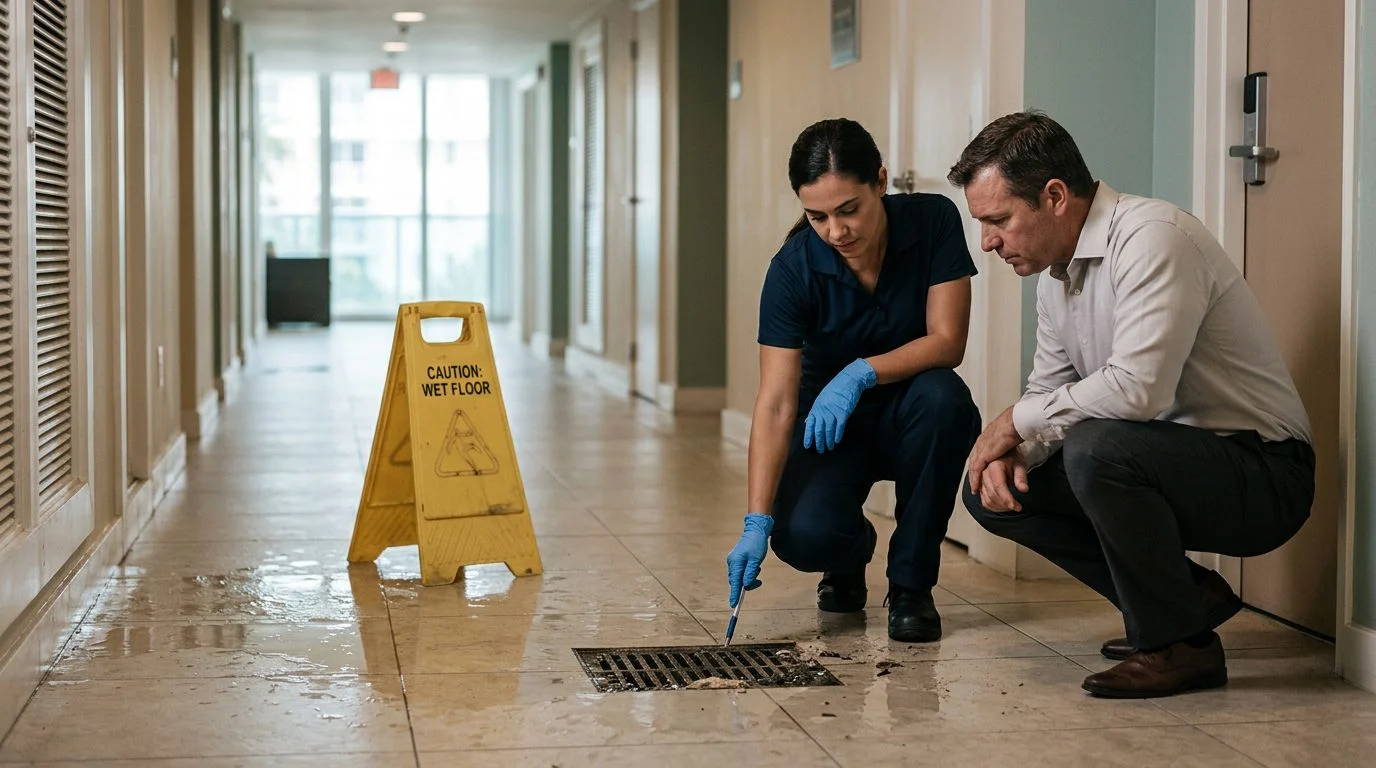
Miami Beach | Slip and Fall & Amazon Truck Claims
Hurt in a Slip and Fall in Miami Beach? You Don't Have to Sort Out the Claim Alone.
When a delivery vehicle is involved, the questions about who is responsible can get complicated quickly. Our Florida firm can help you understand your options while you focus on recovering.
By CHG Lawyers · Published November 10, 2026
Slip and Fall in Miami Beach and Amazon Truck Accidents: Who May Be Responsible and What to Do Next
Not sure what your next step is?
Talk it through with our team — the first consultation is free, confidential, and carries no obligation.
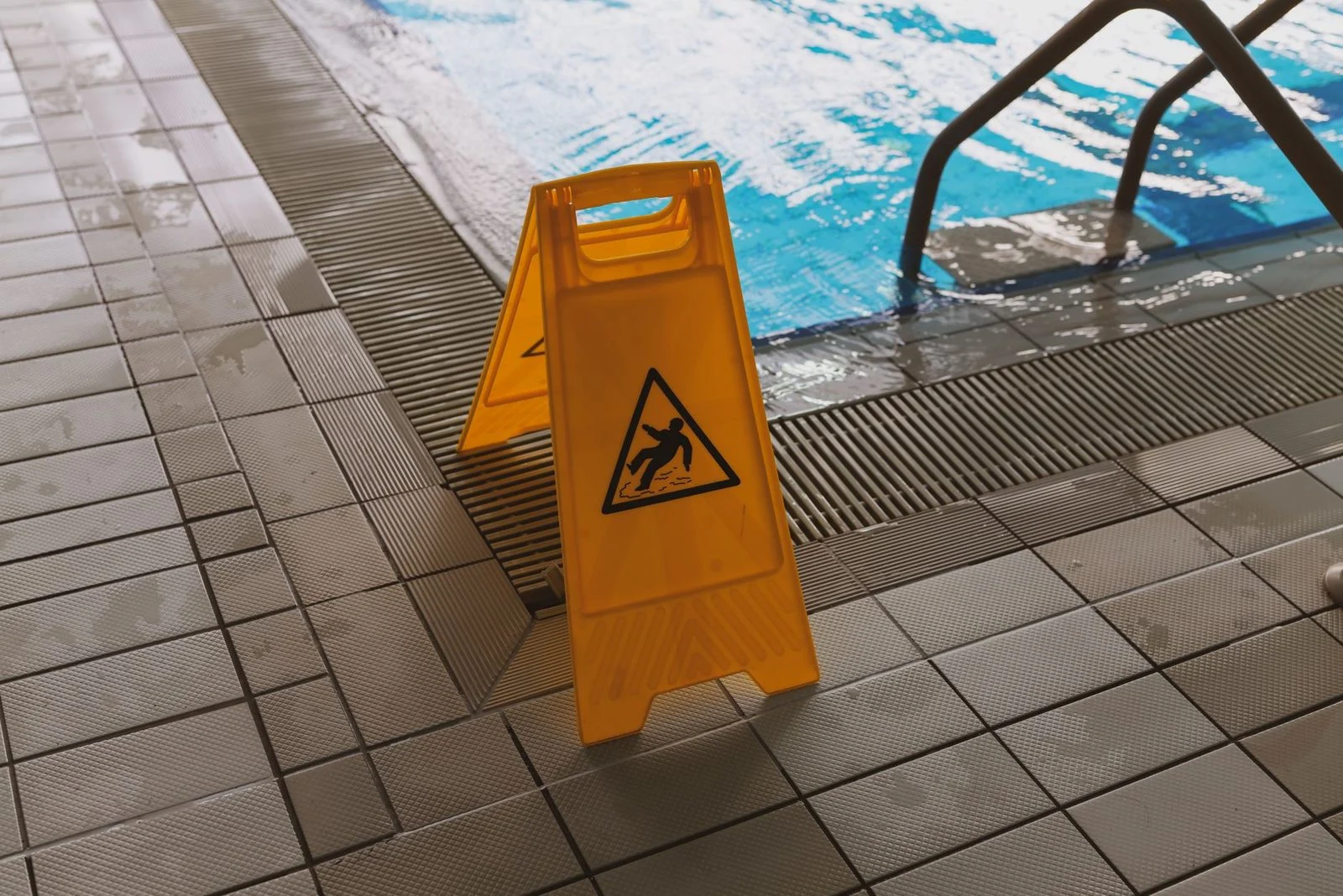
When a Fall or a Delivery Truck Crash Changes Your Life in Miami Beach
If you were hurt in a slip and fall in Miami Beach, or an Amazon delivery van caused your injuries there, you may have a claim against the people responsible. Many people do not know that the company name on a truck is not always the company that employs the driver. That difference matters, so it is worth getting answers early.
Picture the scene. You are driving north on Collins Avenue when a white delivery van pulls out from a side street and clips your car. Or you are crossing Alton Road on foot when a cargo truck backing out of a loading zone hits you. Or you step onto a hotel lobby floor that is wet and unmarked, and your feet go out from under you. In each case, you are hurt, and the days that follow can feel like a fog.
Dealing with an insurance company by yourself can feel overwhelming. You do not have to do it alone.
The first days matter for two reasons: your health and your records. See a doctor, even if the pain seems mild. Then protect the records that show what happened.
CHG Personal Injury Lawyers is a Florida-based personal injury firm. It handles slip and fall claims and car, truck, and delivery vehicle crash claims for injured people throughout Florida, including Miami Beach. Igor Hernandez is the responsible lawyer for this page.
How a Slip and Fall in Miami Beach Works: A Plain-Language Example
These examples are illustrations, not descriptions of any particular case.
A hotel lobby. A guest walks in from a rainy street. The floor just inside the entrance is wet from people coming through the doors. There is no caution sign and no mat. The guest slips and breaks a wrist.
A restaurant. A server drops a pitcher of water near a table. The spill is not cleaned up for a long time, and no one places a warning. A customer walks through it and falls.
A garage stairwell. A resident carrying grocery bags comes down a stairwell where the handrail is loose and the steps are slick with a dark, oily film. She falls and hits her head.
In each example, the injured person would need to show what happened and why the business should have known about the danger. Florida law uses specific terms for this. Under Fla. Stat. § 768.0755, if a person slips and falls on a transitory foreign substance in a business establishment, the injured person must prove that the business establishment had actual or constructive knowledge of the dangerous condition and should have taken action to remedy it.
“Actual knowledge” means the business knew about the hazard. “Constructive knowledge” means the business should have known about it. Constructive knowledge is the part most people need explained, and it is where evidence matters most.
What “Knew or Should Have Known” Means in Practice
The statute says constructive knowledge may be proven by circumstantial evidence. It names two ways to show this:
- The dangerous condition existed for such a length of time that, in the exercise of ordinary care, the business establishment should have known of the condition.
- The condition occurred with regularity and was therefore foreseeable.
Applied to the examples above, a spill that sat on a lobby floor long enough for staff walking past to have seen it may support a claim. A hazard that keeps recurring in the same place, such as the same wet stairwell or the same slick pool deck, may show the danger was foreseeable.
No one can promise how a particular case will turn out. But the following kinds of evidence can help:
- Photographs of the hazard, the surrounding floor, the lighting, and any missing warning signs, taken as soon as it is safe to do so.
- Video from hotel, restaurant, or garage cameras. Ask the business to keep it, and note the time of your fall.
- Witness names and phone numbers, including other guests, residents, and staff who saw the spill or the fall.
- Incident reports. Ask whether the business recorded your fall, and note the name of the employee who took the report.
- Your shoes and clothing, kept as they were when you fell.
Also write down how long you believe the hazard was there and whether you had seen it earlier. Those details can matter later.
Miami Beach Places Where Falls Happen
Miami Beach has many settings where people fall, and each one can involve different parties responsible for upkeep:
- Hotel and resort lobbies, where rain, tracked-in sand, and freshly mopped floors can be slick.
- Condominium common areas, including lobbies, elevator landings, and stairwells.
- Parking garages, especially stairs, ramps, and walkways between levels.
- Pool decks, where water and sunscreen can make surfaces dangerous.
- Beach-access walkways, where sand, wet boards, or broken edges can cause a fall.
- Vacation rental properties, where a guest may not know a hazard exists. The firm’s page on short-term rental liability addresses these situations.
Who may be responsible depends on who owned, operated, or controlled the area and the condition that caused the fall. The facts matter.
Florida Rules That Shape a Miami Beach Claim
Florida applies comparative fault rules (Fla. Stat. § 768.81(6)). The statute states that this fault does not bar recovery, subject to its other provisions. The court also enters judgment against each liable party based on that party’s percentage of fault, not under joint and several liability.
Florida businesses also owe duties to people on their premises. The Florida Supreme Court has stated that businesses owe their invitees a duty of care to keep their premises reasonably safe and to advise of reasonably unknown hidden dangers they knew or should have known about.
Personal injury protection (PIP) is a type of coverage that may pay certain benefits regardless of who caused the crash. It works differently from a claim against the party at fault.
Florida also sets time limits for filing an injury lawsuit. The Florida limitations statute, § 95.11, sets how much time you have. Contact us soon so the deadline in your case can be checked.
Not sure what your next step is?
Talk it through with our team — the first consultation is free, confidential, and carries no obligation.
Amazon Delivery Trucks on Miami Beach Streets Raise Specific Questions
Delivery vehicles in Miami Beach often stop in tight spaces, near pedestrians and cyclists. That setting raises questions a simple rear-end collision does not.
The island is very dense. Delivery vans stop in front of hotels, restaurants, condominium buildings, and shops, often in short loading zones on Washington Avenue or Lincoln Road. Sidewalk space is limited. Drivers may back up, double-park, or merge into traffic while pedestrians, cyclists, and rideshare drivers share the same lane.
Seasonal tourist traffic adds drivers who do not know the streets. Routes also connect to the mainland over the MacArthur, Julia Tuttle, and Venetian causeways, so a crash can begin on one road and end on another.
Frequent stops and crowded sidewalks are common factors in delivery vehicle claims, and they can affect who was at fault.
Write down the time of day, the exact location, the direction of travel, and whether the van was in a loading zone. Note the street name, traffic signs, and any construction. Photos of curb markings or parking signs can matter later.
Who May Be Responsible When an Amazon-Branded Truck Causes Harm
More than one party may be responsible for a crash involving a delivery truck. The Amazon name on a vehicle does not, by itself, decide who is responsible.
Some Amazon delivery routes are run by independent delivery companies, which often hire, train, and supervise the drivers. Contracts and the day-to-day control of the driver and the vehicle help determine who is responsible for what.
Possible responsible parties may include:
- The driver, if careless driving caused the crash.
- The delivery company that employed or contracted the driver.
- The owner or lessor of the vehicle, if another company owns or leases the van or truck.
- Any other party whose conduct contributed to the crash.
Responsibility depends on the facts, the contracts between companies, and the records showing who controlled the driver and the vehicle. Keep the name printed on the vehicle, the name of the delivery company on any paperwork, and the driver’s name if you were given it.
Evidence to Preserve After a Miami Beach Fall or Crash
The evidence most likely to disappear should be protected first. Start with photos, witness information, and the crash or incident report.
Police crash reports can document what happened. Ask the officer for the report number at the scene.
Keep these items:
- Photos of the vehicles or the hazard, the roadway or floor, any skid marks, and any damage or missing signs.
- Names and phone numbers of witnesses.
- Dash camera footage, or video from a nearby hotel or business, if it exists.
Medical records and bills show how your injury developed from the first visit. Follow the treatment plan your doctors set. Good records help show how your injuries have affected your daily life.
Delivery companies keep other records, including electronic driver logs and vehicle data. A lawyer should request these records promptly.
Avoid giving a recorded statement to an insurance adjuster before talking with a lawyer about your claim.
Injuries Range From Urgent Care to Life-Changing Harm
Falls and crashes can cause everything from bruises and sprains to fractures, head injuries, paralysis, amputations, severe burns, and death. Some minor falls still need prompt urgent care, so do not wait to be seen if you are hurt. Follow the care your doctors recommend.
CHG Personal Injury Lawyers handles claims that range from broken bones and back and neck injuries to traumatic brain injuries, spinal cord injuries with paralysis, amputations, severe burns, and wrongful death.
Serious injuries often extend far beyond the day of the fall or crash. They can affect work, home life, independence, and long-term medical needs. Families often need time to understand their options, and feeling overwhelmed is normal.
When a fall or crash causes a death, surviving family members may bring a wrongful death claim to seek accountability for their loss. Families do not have to make every decision at once. A first conversation can focus on the incident report, the medical records, and the questions that matter most right now.
Steps to Take in the First Week After a Fall or Crash in Miami Beach
In the first week, get medical care, make sure the incident is reported, and write down what you remember while it is fresh.
- See a doctor as soon as possible, even if you feel fine. Follow the care your doctors recommend.
- Make sure the incident is reported. For a crash, ask the police for the report number. For a fall, ask the business whether it recorded the incident, and note the name of the employee.
- Write down what happened while your memory is fresh. Include the time, the location, and the direction of travel or the path you were walking.
- Note the business or delivery company, the vehicle number, and any phone number or label on the truck.
- Photograph the scene, including the floor or roadway, signs, lighting, and lanes around you.
- Save all receipts and records, including bills, pharmacy receipts, and mileage to appointments.
- Keep a simple daily journal of your pain, lost work, and the things you cannot do.
Not sure what your next step is?
Talk it through with our team — the first consultation is free, confidential, and carries no obligation.
Talk With CHG Personal Injury Lawyers About Your Fall or Crash in Miami Beach
If you were hurt in a slip and fall in Miami Beach, or an Amazon delivery van was involved in your crash, you may have questions about who is responsible, whether insurance will pay, and what deadlines apply. The answers turn on the facts of your case.
CHG Personal Injury Lawyers is a Florida-based firm, and Igor Hernandez is the responsible lawyer for this page. The firm’s lawyers are admitted to practice in Florida. The initial consultation is free, confidential, and without obligation to continue. CHG charges no attorney’s fees and no case costs unless there is a recovery.
In some cases, a matter may be handled together with, or referred to, another law firm. Deadlines apply, so contact the firm soon.
Frequently Asked Questions
Can I sue the company whose name is on an Amazon delivery van?
It is possible. The company’s role depends on the facts, the contracts, and who controlled the driver and the vehicle.
What does a Florida slip and fall claim require me to prove?
Under Florida law, if a person slips and falls on a transitory foreign substance in a business establishment, the injured person must show the business had actual or constructive knowledge of the dangerous condition and should have acted to remedy it. Photos, video, witness names, and incident reports often help show what the business knew or should have known.
Does Florida PIP pay my medical bills?
PIP is no-fault coverage with its own rules, and it works differently from a claim against the party at fault.
Is the consultation really free?
Yes. The initial consultation is free, confidential, and without obligation to continue.
If you or a loved one was hurt in a slip and fall or an Amazon delivery truck crash in Miami Beach, contact CHG Personal Injury Lawyers for a free initial consultation. The firm can review the details of the incident, the business or delivery company involved, and your deadlines with you.
How We Can Help
Protecting Your Claim
We look at the property owner, the delivery company, and any contractors involved, so that no responsible party is overlooked.
Gathering the Evidence
Photos, surveillance footage, delivery records, and witness statements can disappear quickly. We work to preserve them early.
Florida-Based Attorneys
Our attorneys are admitted to The Florida Bar and serve people in Miami Beach and throughout Florida.
Focused on Your Recovery
We handle the insurance calls and paperwork so you can concentrate on your health and your family.
Important: Act Promptly
Florida deadlines apply to injury claims, and evidence fades over time. Speak with a lawyer as soon as you can, and follow your doctor's care plan from the start.
Steps to Take After a Fall
Get Medical Care
See a doctor right away, even if your injuries seem minor. Follow the treatment plan you are given and keep every appointment.
Document the Scene
If you are able, photograph the spot where you fell, any spill or hazard, and the delivery vehicle or driver nearby. Note the time and location.
Write Down What You Remember
Record how the fall happened, who saw it, and what was said. Details fade quickly, so write them down while they are fresh.
Talk to Our Team
Before you give a recorded statement to an insurance company, contact us. We offer a free, confidential first consultation with no obligation to continue, and no fees unless there is a recovery.