
Slip and Fall | Serving Miami Gardens and Florida
Slipped in Miami Gardens? Learn Who May Be Responsible
A fall on a wet floor, broken step or cracked walkway raises real questions about the property owner. Igor Hernandez of CHG Lawyers, in Coral Gables, Florida, explains how Florida law may apply to your situation.
By Igor Hernandez, CHG Lawyers, Coral Gables, Florida
A Fall in Miami Gardens Can Raise Questions About Who Was Responsible
If you slipped on a spill in a Miami Gardens store or tripped on a cracked curb in a plaza parking lot, you may wonder whether the owner should have prevented it. Whether a claim exists depends on the facts, the medical records, and applicable Florida law.
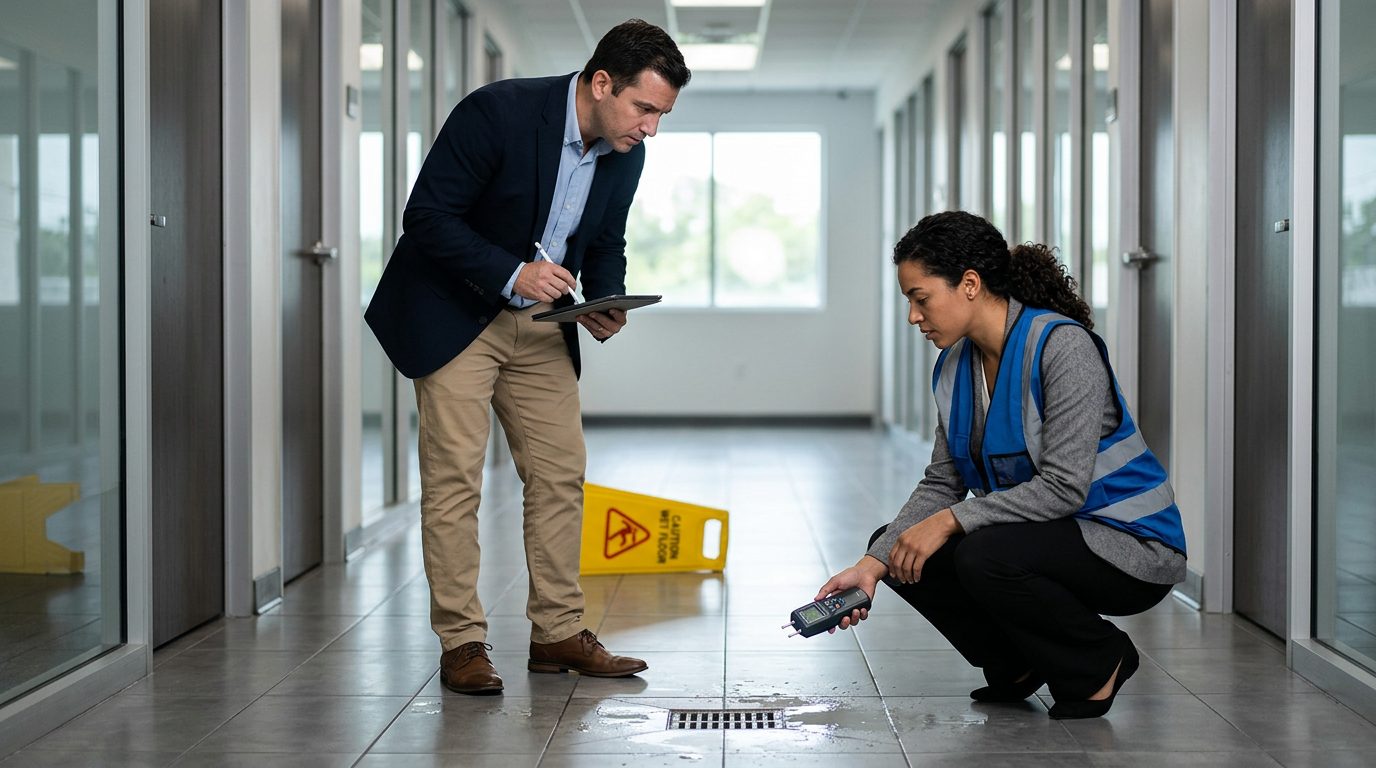
Picture this. You walk down a grocery aisle. A puddle sits on the tile. No warning sign is nearby. You slip and land hard. Within minutes, you have questions. Who is responsible? Should the store have known about the spill? Who will cover your bills?
Miami Gardens is home to Hard Rock Stadium, where the Miami Dolphins play, and to shopping plazas and grocery stores that stay busy on game day and every other day. Busy floors and walkways can change fast.
The legal term for claims about unsafe conditions on property is premises liability. This page explains the basics for injured people and their families. It is educational and is not advice about your situation.
Not sure what your next step is?
Talk it through with our team — the first consultation is free, confidential, and carries no obligation.
Places in Miami Gardens Where Slip and Fall Injuries May Occur
A slip and fall may happen on many kinds of property. These include grocery stores, restaurants, shopping plazas, apartment complexes, and parking lots. Each setting brings its own hazards.
In a grocery store, a liquid spill or a freshly mopped floor with no warning sign may be the problem. In a restaurant, a spill near a table or a damaged step may create the danger. Plazas and parking lots may involve uneven pavement, a raised mat, loose debris, or a curb in poor lighting. Apartment complexes may involve broken stairs, loose handrails, or dark walkways.
Restaurant falls deserve a closer look. Whether the restaurant is responsible turns on what it knew or should have known about the condition. It also turns on what it did to fix the problem or warn guests.
Write down where you fell and what was on the floor. Note who worked nearby and what the lighting looked like. These details can matter later.
How Florida Law Approaches a Fall on a Business Premises
For a fall on a temporary substance inside a business, the injured person must prove certain things. Fla. Stat. § 768.0755 says the injured person must prove the business had actual or constructive knowledge of the dangerous condition. The business also should have taken action to fix it.
Whether a business knew about a condition depends on the facts of each case and on applicable Florida law. Constructive knowledge means the business should have known. The statute says constructive knowledge may be shown with circumstantial evidence. One example is a condition that existed long enough that, in the exercise of ordinary care, the business should have known of it. Another is a condition that occurred with regularity, so it was foreseeable.
The statute applies to a business establishment and to a transitory foreign substance. In plain words, that is a temporary substance on the floor, such as a spill. Other hazards, like broken pavement, may be governed by different rules. The statute also says it does not affect any common-law duty of care owed by a person or entity in possession or control of business premises.
Florida law decides how a claim works. No outcome can be promised in any case.
Comparative Fault and Why Records Matter Early
Florida assigns damages by each party’s percentage of fault. Under Fla. Stat. § 768.81, the court enters judgment against each liable party based on that party’s share of fault. It does not use joint and several liability, so each party answers for its own share.
Under § 768.81(6), Florida Statutes, in a negligence action to which that subsection applies, a claimant found more than 50% at fault for their own harm generally may not recover damages. Under § 768.81(6), Florida Statutes, which generally applies to negligence actions filed after March 24, 2023, a claimant found more than 50% at fault for their own harm generally may not recover damages. The subsection does not apply to personal injury or wrongful-death actions arising out of medical negligence under chapter 766, and other conditions may apply depending on the facts of each case.
The other side may argue that your own actions contributed to the fall. That is why records matter early. Useful items may include photos of the spot and the condition, the business’s incident report, names of witnesses, the shoes and clothing you wore, requests for surveillance video, and your medical records and bills. How much each item matters varies with the facts. Asking early helps, because records can be lost.
Have questions about what happened?
Ask our team directly. The first conversation is free, confidential, and there is no obligation to continue.
Florida Deadlines That May Apply After a Fall
Under § 95.11, Florida Statutes, the general limitations period for a negligence action accruing after March 24, 2023 is generally two years, and exceptions may apply depending on the facts of each case.
The clock is tied to when a claim accrues. Under Fla. Stat. § 95.031, a cause of action accrues when the last element constituting the cause of action occurs.
Falls on public property, such as a city sidewalk or county-owned lot, can follow different rules. Florida’s government generally has immunity from lawsuits. Under Fla. Stat. § 768.28, that immunity is waived only to the extent the statute specifies. For a claim against a Florida state agency or subdivision, § 768.28(6)(a) generally requires that the claim first be presented in writing to the agency and, except for claims against a municipality, a county, or the Florida Space Authority, also to the Department of Financial Services, within three years after it accrues, with a shorter notice period for some claims, such as wrongful death. § 768.28(14) separately sets a general four-year period to file the lawsuit itself, but wrongful-death and medical-malpractice actions are generally subject to the shorter limitations periods in § 95.11. Other conditions and exceptions may apply, and how these rules apply depends on the facts of each case.
Deadlines turn on when the fall happened and who owned the property. Contact the firm promptly rather than waiting.
First Steps After a Fall: Medical Care, Reporting, and Documentation
Get medical evaluation promptly, and follow your doctors’ care and instructions. This page does not offer medical advice. Your medical records also become part of your claim file.
Report the fall to the business or property manager. Ask for an incident report. Keep your words factual. Describe what you saw and felt, and avoid guessing about who was at fault.
Take photos of the spot as soon as it is safe. Keep receipts, appointment notes, and a written account of how the fall happened. Write down names and phone numbers for anyone who saw it.
An insurance representative may contact you. You may choose how to respond. You may want to speak with the firm before giving a recorded statement. The property owner’s insurer is a different company from your own insurer, and how a claim moves through it varies with the facts and Florida law.
When a Fall Causes a Serious or Lasting Injury
A fall can cause injuries that range from minor to serious. Your treating doctors are the right people to explain your own condition and what comes next.
Some falls cause head or spinal injuries. Your medical records will show what your doctors found and how they are treating it. Your doctors are also the source for questions about how an injury may progress.
A serious injury can affect work, daily tasks, and family life. Those losses may be relevant to a claim if the facts and records support them.
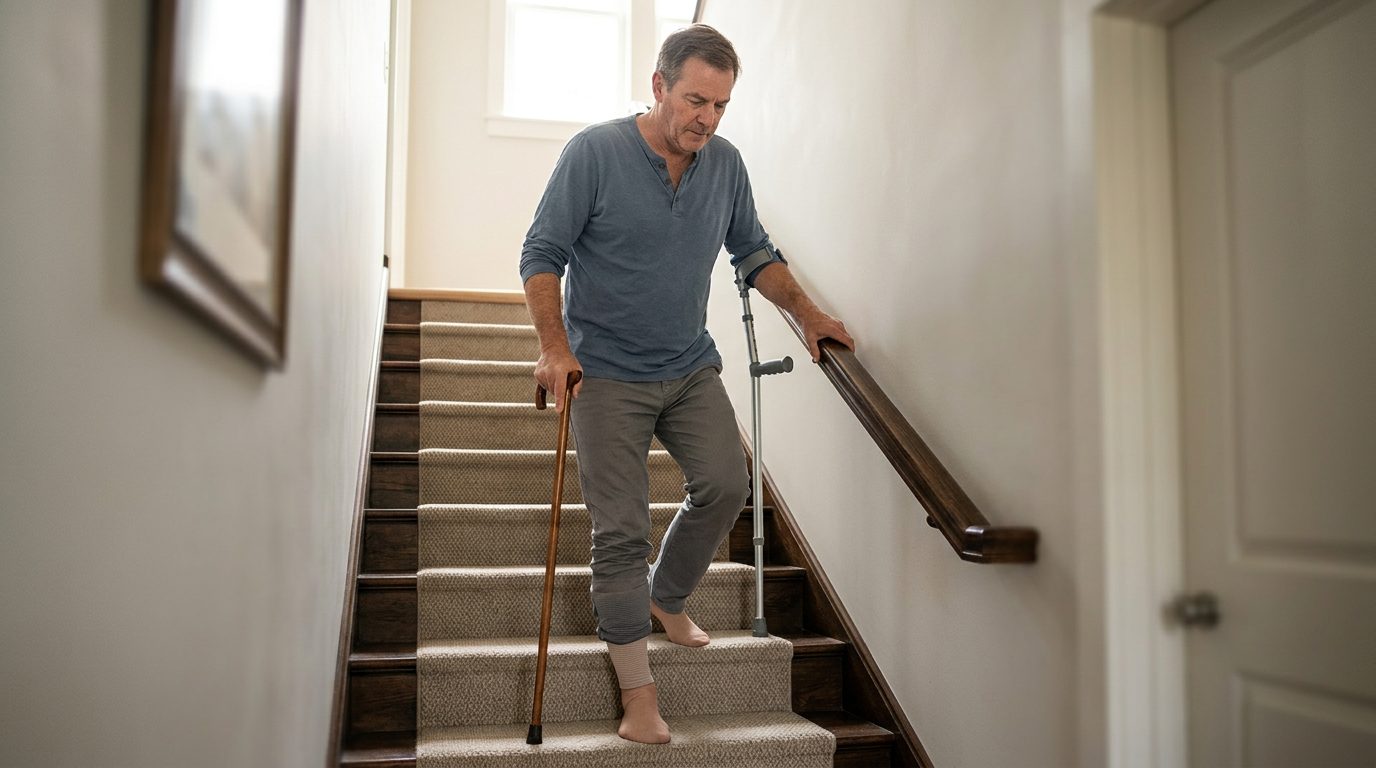
Falls are also a concern for older adults. The Florida Department of Health publishes older adult fall-prevention information. The firm’s personal injury practice covers matters of any severity.
Slip and Fall Claims in Miami Gardens: Serving the Community from Coral Gables
CHG Personal Injury Lawyers is a Florida personal injury firm with its office in Coral Gables, Florida. The firm serves Miami Gardens and communities across Miami-Dade County and throughout Florida.
Igor Hernandez is admitted in Florida as a member of The Florida Bar. The firm’s practice focuses on personal injury matters, including slip and fall cases and the other case types listed on its site.
Our team reviews the facts of a fall, identifies the records that may matter, and explains the Florida law and deadlines that may apply. No result can be promised in any case. For more background, see the firm’s slip and fall resource page.
Who is responsible for a spill in a Miami Gardens grocery store?
Responsibility may rest with the store, depending on what it knew or should have known about the spill and what it did about it.
Can I sue over a broken sidewalk in a shopping plaza?
It may be possible. The answer turns on who owns and maintains the walkway. Public sidewalks can involve the rules in § 768.28.
How long do I have to file a Florida slip and fall lawsuit?
The general Florida filing period for a negligence claim is generally two years under § 95.11 for actions accruing after March 24, 2023, but exceptions depend on the facts of each case, so contact CHG Personal Injury Lawyers promptly.
Want to know where you stand?
Tell us what happened and our team will walk you through the options available to you, at no cost.
Talk With Igor Hernandez About Your Miami Gardens Fall
If you fell in a Miami Gardens store, restaurant, plaza, or parking lot, the details are still fresh. Share the date, the location, and your injuries with Igor Hernandez through the CHG contact form. CHG charges no attorney’s fees and no case costs unless there is a recovery.
Get Medical Care
Seek medical attention and follow your doctors' care. Your health comes first, and your medical records are central to any claim.
Document the Scene
If you are able, photograph the spill, debris, lighting or missing warning sign, and the area around it. Note the date, time and conditions.
Identify Witnesses
Write down names and contact information for anyone who saw the fall, along with the names of any store employees who responded.
Keep Your Records
Save receipts, incident reports, medical bills and any messages about the fall. Ask for a copy of any written report the property prepared.
Coral Gables Office
CHG Lawyers is based in Coral Gables, Florida, and represents people injured across Florida, including residents of Miami Gardens.
CHG charges no attorney's fees and no case costs unless there is a recovery.
Important: Be Careful With Early Statements
Insurance representatives or property staff may ask for a recorded statement soon after a fall. Whether a claim exists depends on the facts, the medical records, and applicable Florida law.