
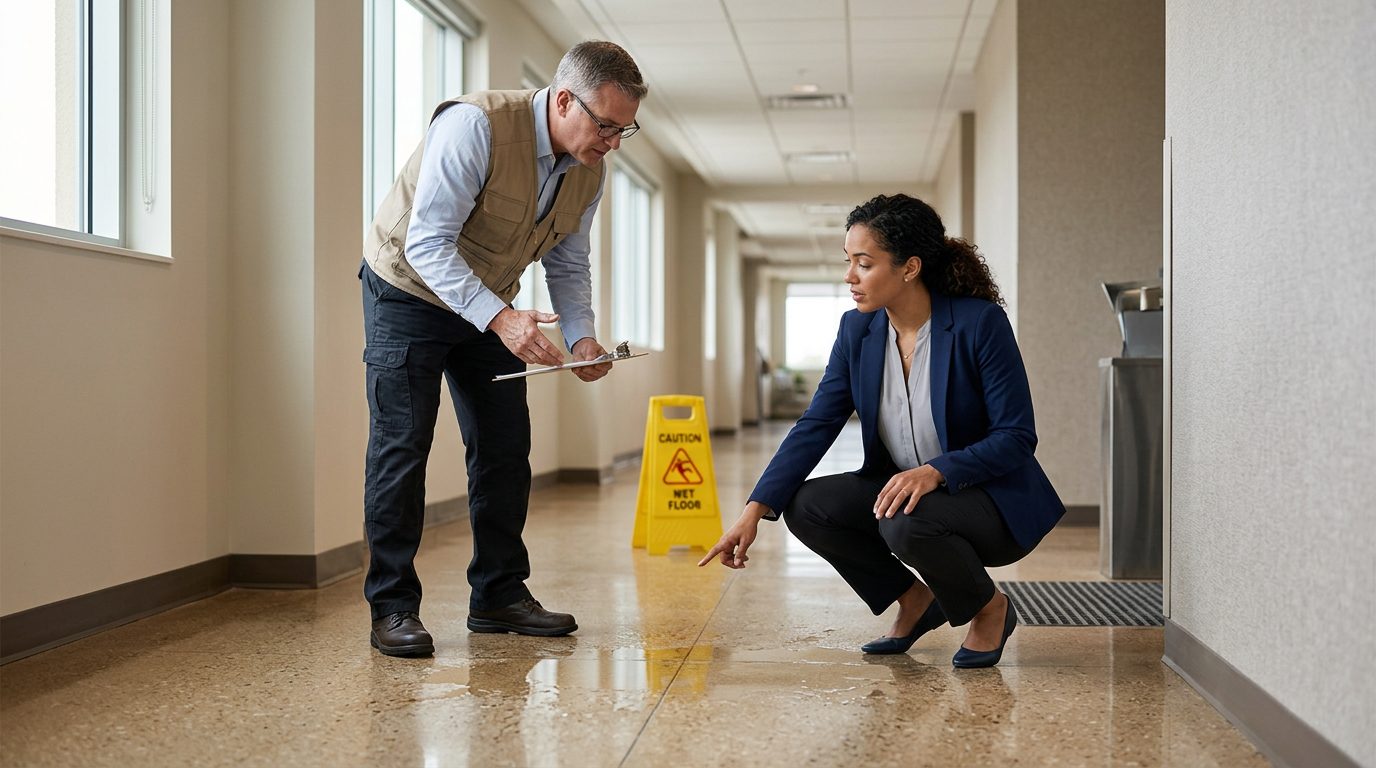
Slip and Fall | Miami Lakes, Florida
Hurt on Someone Else's Property in Miami Lakes?
Plain-language guidance from Igor Hernandez, CHG Personal Injury Lawyers, Coral Gables, Florida. Whether a fall supports a claim depends on the facts, the medical records, and applicable Florida law. CHG charges no attorney's fees and no case costs unless there is a recovery.
Slip and Fall in Miami Lakes: What to Know After a Fall on Someone Else’s Property
By Igor Hernandez, CHG Personal Injury Lawyers, Coral Gables, Florida
A fall on someone else’s property can leave you hurt and shaken. You may also feel unsure what to do next. Are you looking for slip and fall guidance in Miami Lakes? Here is the short answer. Whether a fall like this supports a claim against the property owner depends on the facts, the medical records, and applicable Florida law. But that depends on how the fall happened, what the owner knew, your medical records, and Florida law.
This plain guide covers the basics.
Not sure what your next step is?
Talk it through with our team — the first consultation is free, confidential, and carries no obligation.
What is a slip and fall case, in plain terms?
A slip and fall case is a claim for injuries from a fall. The fall happened on property that someone else owns, runs, or controls.
Picture a tile floor at a restaurant with water nobody mopped up. Or a cracked sidewalk in a shopping plaza. Or a stairwell with no working light at an apartment complex.
Lawyers call this area premises liability. In plain words, the question is this: did the property owner use reasonable care to keep visitors reasonably safe?
Whether a claim exists depends on the facts. Those facts include how the fall happened, what the owner knew, and your medical records. Your reason for being on the property can matter too.
Where do slip and falls in Miami Lakes happen?
Slip and falls can happen anywhere customers, residents, or visitors go. In Miami Lakes, they can happen at:
- A shopping plaza or storefront
- A restaurant’s dining room, kitchen, or restroom
- A medical or dental office
- An apartment or townhome common area
- A parking lot or garage
- An office park
- A grocery or pharmacy aisle
Wet entryways, walkways, and parking areas may be part of the facts in a fall, depending on the conditions at the time. A wet lobby or a rain-soaked ramp deserves a closer look after a fall. The real question is still what the owner did about the hazard.
The Florida Department of Health’s older adult falls prevention resource covers fall injuries and prevention among older adults in Florida.
What is the property owner responsible for?
Florida law generally asks whether the owner exercised reasonable care, and that duty may include addressing hazards the owner knew about or should have found, depending on the visitor’s status and the facts of each case.
Examples of possible hazards include:
- Spills left on the floor
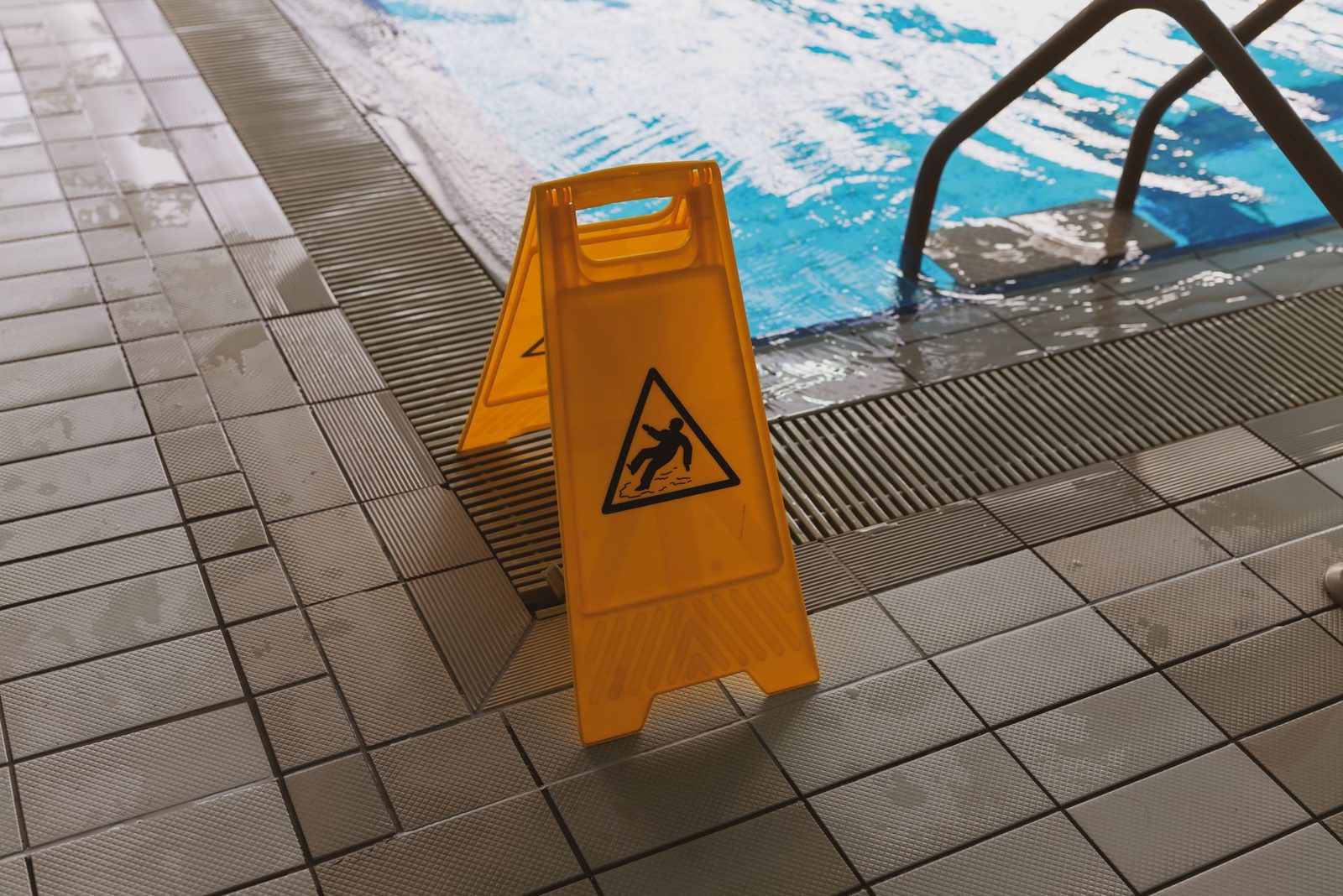
- Missing or hidden wet-floor signs
- Cracked or raised pavement
- Loose stair treads or handrails
- Dim lighting
- Debris in aisles
For a slip on a transitory foreign substance, such as a temporary spill or wet spot, Florida law sets a specific test. This applies in a business establishment.
- The business had actual or constructive knowledge of the danger.
- The business should have acted to fix it.
“Constructive knowledge” means the business should have known about the danger. Under § 768.0755(1), constructive knowledge can be shown with circumstantial evidence. That is indirect proof. The condition may have existed long enough that ordinary care would have caught it. Or it may have occurred with regularity.
Under § 768.0755(2), that section does not affect the broader common-law duty of care. Section 768.0755(2) states that it does not affect any common-law duty of care owed by a person or entity in possession or control of a business premises. Whether such a duty applies depends on the facts and applicable Florida law. How this applies depends on the hazard and the records.
What evidence should you protect after a fall?
Protecting evidence early can matter. Scenes and records can change. Consider these steps:
- Take photos or video of the spot, the floor or step, and any warning sign or missing sign.
- Keep the shoes and clothing you wore that day.
- Write down the exact location, the time, and what you were doing.
- Get names and phone numbers of anyone who saw the fall.
- Ask for a copy of any incident report the business prepares.
You can also ask the business in writing to keep surveillance video and cleaning or maintenance logs. Whether that footage still exists depends on the business’s own systems.
Keep every medical record, bill, prescription receipt, and work note. Follow your treating doctors’ care.
Before you give a recorded statement to an insurer or property representative, consider speaking with CHG Personal Injury Lawyers first. This is a general precaution.
How do Florida’s filing deadlines and fault rules work?
For negligence claims that accrued after March 24, 2023, Florida’s general filing period is two years. The deadline for filing a claim depends on the facts of each case and applicable Florida law. Section 95.11(4)(a), Florida Statutes, sets a two-year period for negligence actions. Additional periods and exceptions may apply, and the deadline depends on the facts of each case.
Under § 95.031(1), a cause of action accrues when its last element occurs. So the start date depends on the elements of each claim.
Fault also matters. Under § 768.81(6), a plaintiff found more than 50% at fault in a negligence action filed after March 24, 2023 may be barred from recovering damages. This provision does not apply to medical negligence actions under chapter 766, and its application depends on the facts of each case. Under Fla. Stat. § 768.81, in a negligence action, contributory fault chargeable to the claimant diminishes proportionately the amount awarded as economic and noneconomic damages.
Missing a deadline may affect your ability to bring a claim. Timing depends on details. Raise your dates with CHG Personal Injury Lawyers early.
Have questions about what happened?
Ask our team directly. The first conversation is free, confidential, and there is no obligation to continue.
Can you sue a city or county for a fall on public property?
Claims against a city, county, or other government entity generally fall under Florida’s sovereign immunity rules. Sovereign immunity means the government is protected from lawsuits unless a law allows them.
Under § 768.28(1), the state waives sovereign immunity for itself and for its agencies or subdivisions, in the circumstances and to the extent the statute provides.
Additional limits may apply. Under § 768.28(5)(a), liability does not include punitive damages or pre-judgment interest, and § 768.28(5) contains statutory caps on recovery. The pre-suit written notice requirement in § 768.28(6) may also apply, and how each provision applies depends on the facts of each case.
Claims against government entities follow procedures that differ from claims against a private owner. Whether those rules apply depends on who owns and controls the spot. Examples include a county sidewalk, a city park, or a public garage. Ask about this question early.
Can you get compensation for a slip and fall in Florida?
A slip and fall claim may seek economic losses. In some cases, it may also seek non-economic damages, such as pain and suffering. Whether either applies depends on the facts and Florida law.
Under § 768.81(1)(b), economic damages include past and future lost income. They also include medical and funeral expenses and other economic losses caused by the injury.
Comparative fault may limit recovery, depending on the facts of each case and applicable Florida law (Fla. Stat. § 768.81(6)). It may also bar recovery entirely, depending on the percentages found. Outcomes vary from case to case. No result can be promised.
What if the fall happened at work?
Injuries at work are generally handled through Florida’s workers’ compensation system.
Under § 440.11(1), an employer’s liability is exclusive. It replaces other liability to the employee. The statute lists exceptions. One example is when an employer fails to secure payment of compensation as the chapter requires.
A claim against a property owner who is not your employer may be possible in some situations. Whether it is possible depends on the facts and applicable Florida law.
Report the injury to your employer as required. Follow your treating doctors’ care. Workers’ compensation has its own time limits and conditions, so ask about them early.
Speak with Igor Hernandez about your fall in Miami Lakes
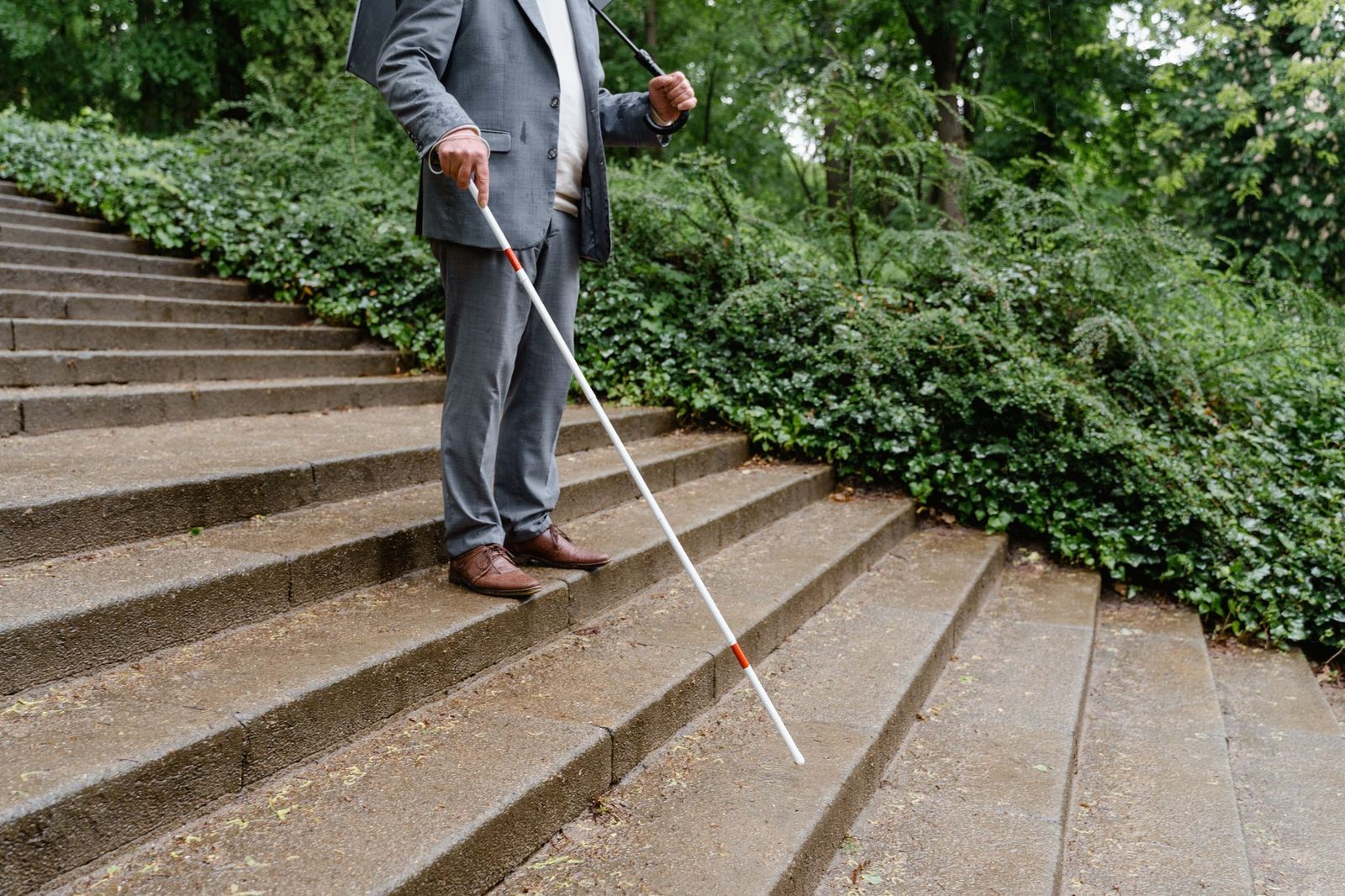
If you fell on a wet floor, a broken step, or a dark walkway in Miami Lakes, Igor Hernandez can review the facts with you. He is a Florida attorney admitted as a member of The Florida Bar.
CHG Personal Injury Lawyers has its office in Coral Gables, Florida. The firm represents clients throughout Florida. The practice handles personal injury cases of any severity, including slip and fall claims. Our team helps organize records and documents.
Quick answers
What is the statute of limitations for a slip and fall in Florida? For negligence claims that accrued after March 24, 2023, the period under § 95.11(4)(a) is two years. Additional periods and exceptions may apply, and the deadline depends on the facts of each case.
Can I sue the city for a slip and fall? Claims against government entities generally fall under § 768.28. That statute has its own limits and procedures.
Can you get compensation for a slip and fall? A claim may seek economic losses. In some cases, it may also seek non-economic losses. Comparative fault may limit recovery, and outcomes vary depending on the facts of each case and applicable Florida law (Fla. Stat. § 768.81(6)).
Fell on a wet floor or broken step in Miami Lakes? Contact CHG Personal Injury Lawyers in Coral Gables today. CHG charges no attorney’s fees and no case costs unless there is a recovery. Contact CHG Personal Injury Lawyers to share your photos, incident report, and medical dates.
Want to know where you stand?
Tell us what happened and our team will walk you through the options available to you, at no cost.
Why Readers Contact CHG Personal Injury Lawyers
Florida-Based Practice
CHG Personal Injury Lawyers is based in Coral Gables, Florida, and represents people injured in Florida, including those in Miami Lakes and throughout Miami-Dade County.
Licensed Florida Attorney
Igor Hernandez is admitted as a member of The Florida Bar. The practice focuses on personal injury matters in Florida.
Plain-Language Answers
We explain Florida premises rules in clear terms so you can understand where your situation stands. Every case depends on its own facts.
Protect Your Records Early
Photos of the spot where you fell, names of witnesses, incident reports, and your medical records may be relevant to your situation. Follow your doctors' care first, and keep copies of everything you receive. Whether any of this supports a claim depends on the facts of your case and applicable Florida law.
Questions to Think About After a Fall
How did the fall happen?
Note the cause as clearly as you can, such as a wet floor, broken step, torn carpet, or poor lighting, and where it happened on the property.
What did the owner or staff know?
Whether the property owner knew or should have known about the hazard is one of the facts that may matter. The answer depends on the records and the circumstances.
What medical care do you need?
Following your doctors' care matters for your health. Your medical records also document your injuries and may be relevant to any claim.