

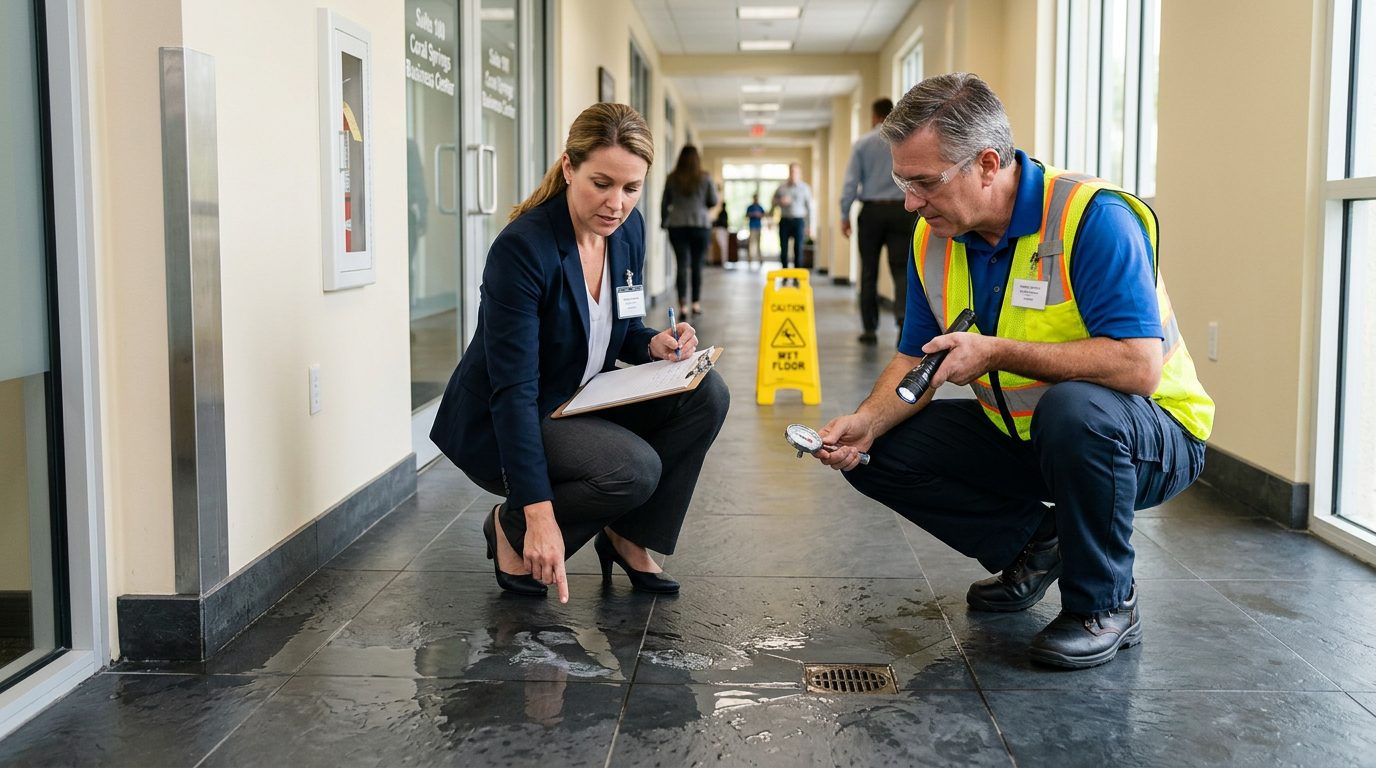
Slip and Fall Injury Claims
Slip and Fall Injuries in Coral Springs: Know Your Rights
If you were injured on someone else's property due to negligence, you may have a claim. CHG Personal Injury Lawyers focuses exclusively on helping injured people recover.
By CHG Lawyers · Published September 12, 2026
Slip and Fall Injury Claims in Coral Springs, FL
If you’ve slipped on a wet floor, tripped over broken pavement, or fallen because of poor lighting at a Coral Springs retail store, restaurant, parking lot, or apartment complex, you may have a legal claim against the property owner. When someone else’s negligence—their failure to maintain safe conditions or warn you of hazards—causes your injury, Florida law allows you to seek compensation for your medical bills, lost wages, pain, and suffering.
This guide explains how slip and fall claims work in Coral Springs, what Florida law requires of property owners, and what your claim might be worth.
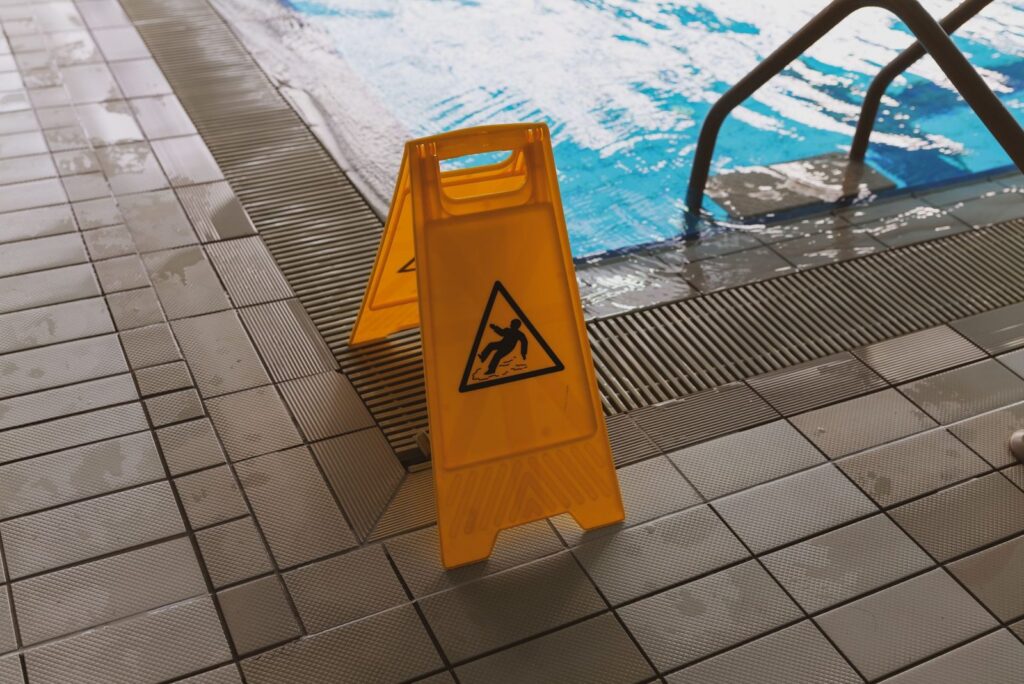
If you were injured on someone else's property due to negligence, you may have a claim. Talk it through with our team — the first consultation is free, confidential, and carries no obligation.
Slip and Fall Accidents Happen in Coral Springs—Here’s What You Should Know
A slip and fall injury occurs when you’re hurt on someone else’s property because that owner or manager failed to maintain safe conditions or warn visitors of known dangers.
In and around Coral Springs—a community known for shopping centers like Sawgrass Mills and busy commercial corridors—these accidents happen regularly. They occur in retail stores, restaurants, apartment complexes, parking lots, office buildings, and public spaces.
A slip and fall can range from minor bruises to serious, life-altering injuries. Broken bones, head trauma, spinal injuries, and long-term mobility problems are all possible outcomes.
If you were injured because of a hazardous condition the property owner knew about (or should have known about), you may have a legal claim for damages.
The key question isn’t whether you fell—it’s whether the property owner was negligent in allowing that hazard to exist or persist.
Common Causes of Slip and Fall Accidents in Coral Springs
Slip and fall injuries stem from preventable hazards that property owners have a duty to address. Common causes include:
- Wet or slippery floors without warning signs or adequate drainage
- Broken, uneven, or cracked flooring and sidewalks (especially common in older Coral Springs buildings)
- Poor lighting in parking lots, stairwells, or entryways
- Debris, clutter, or obstacles left in walkways
- Inadequate handrails or guardrails on stairs or ramps
- Spilled liquids or food that was not cleaned up promptly
- Worn or damaged carpeting and rugs
- Ice or standing water in outdoor areas during South Florida’s rainy seasons
The property owner’s failure to inspect, repair, or warn about these conditions is what creates liability.
What to Do Right After Your Slip and Fall
Your actions immediately following a slip and fall can make or break your claim. Here’s what you should do:
-
Seek medical attention immediately, even if you feel okay. Some injuries—concussions, internal bleeding, spinal injuries—appear hours or days later.
-
Report the incident to the property owner, manager, or business operator. Ask them to document it in writing. Request a copy of any incident report.
-
Take photographs of the hazardous condition, the scene, your injuries, and any warning signs (or the absence of them). Photos are powerful evidence.
-
Collect contact information from any witnesses who saw what happened. Their statements may be critical later.
-
Keep all medical records, receipts, and documentation of lost wages or expenses related to your injury. These prove your damages.
-
Do not sign any documents or agree to any settlement without legal advice. Insurance companies often try to settle quickly for less than your claim is worth.
-
Avoid posting details about your injury on social media. Anything you post can be used against you.
How Florida Law Protects Slip and Fall Victims
Property owners in Florida have a legal duty to maintain their premises in a reasonably safe condition. They must also warn visitors of known hazards. This duty is grounded in Florida premises-liability law.
If a property owner was negligent—meaning they failed to exercise reasonable care—and that negligence caused your injury, you may be entitled to compensation under Fla. Stat. § 768.81.
However, Florida law recognizes that property owners are not responsible for every accident. They must have actual or constructive knowledge of the hazard. “Constructive knowledge” means they knew or should have known about it—for example, a spill that had been on the floor for hours, or a crack in the pavement that had existed for weeks.
The property owner’s duty also depends on your status as a visitor:
- Invitees (customers, guests invited for business purposes) receive the highest level of protection.
- Licensees (social guests or those with permission but no business purpose) receive a moderate level of protection.
- Trespassers receive minimal protection.
If you were a customer or invited guest, the property owner owed you a high duty of care.
Understanding Florida’s 51% Rule in Slip and Fall Cases
Florida follows a “comparative negligence” rule under Fla. Stat. § 768.81. Here’s how it works:
If you are found to be 51% or more at fault for your own injury, you cannot recover any damages. If you are found to be 50% or less at fault, you can still recover—but your award is reduced by your percentage of fault.
Example: Suppose you are awarded $100,000 in damages but found to be 20% at fault for not paying attention. You would receive $80,000 (the $100,000 reduced by 20%).
This rule means the property owner’s attorney will likely argue that you were careless or not watching where you were going. Having an attorney to counter that argument and prove the property owner’s negligence is critical.
If you were injured because of a hazardous condition the property owner knew about (or should have known about), you may have a legal claim for damages. Talk it through with our team — the first consultation is free, confidential, and carries no obligation.
What Is the Typical Payout for a Slip and Fall?
There is no single “typical” payout—each case is unique. Your settlement or award depends on:
- The severity of your injury
- Your medical expenses and ongoing treatment costs
- Lost wages and reduced earning capacity
- Pain and suffering
- Permanent disability or disfigurement
- The strength of evidence of the property owner’s negligence
In the slip and fall cases our attorneys handle, we’ve seen settlements vary dramatically based on these factors. A clear case of negligence with serious, permanent injury commands far more than a minor injury with shared fault.
What Is the Average Payout for a Slip and Fall in Florida?
Florida does not publish official average payouts, and settlements vary widely based on injury severity and case circumstances.
Cases that settle without trial often resolve for less than cases that go to trial. The property owner’s insurance company wants to avoid the cost and uncertainty of litigation.
Cases involving serious, permanent injuries typically command higher settlements than those involving temporary injuries.
An attorney can evaluate your specific injuries and circumstances. They can give you a realistic range for your claim based on comparable cases.
Is It Worth Suing for a Slip and Fall?
Whether to pursue a claim depends on several factors:
- Severity of your injury: If you have significant medical bills, lost wages, or ongoing pain and disability, a claim is often worth pursuing.
- Clarity of the property owner’s negligence: If the property owner’s negligence is clear—for example, a known hazard that was not addressed for days—your case is stronger.
- Availability of insurance: If the property owner has liability insurance, there is a source of compensation. If they do not, recovery may be limited.
An attorney can review the facts of your case and advise you on whether pursuing a claim makes financial sense.
The Statute of Limitations for Slip and Fall Claims in Florida
In Florida, you generally have two years from the date of your injury to file a slip and fall lawsuit. This deadline is called the statute of limitations under Fla. Stat. § 95.11.
If you miss this deadline, you lose your right to sue. The clock starts on the date of your injury, not the date you discovered the injury.
Do not wait to contact an attorney. The sooner you act, the sooner evidence can be preserved and witnesses can be interviewed while their memories are fresh.
Not sure what your next step is?
Talk it through with our team — the first consultation is free, confidential, and carries no obligation.
Why You Need an Attorney for Your Slip and Fall Claim
Going up against an insurance company alone puts you at a serious disadvantage. Here’s why an attorney matters:
- Insurance companies have attorneys working to minimize or deny your claim. You need an advocate on your side.
- An attorney will investigate the accident, gather evidence, interview witnesses, and build a strong case.
- Your attorney handles all communication with the insurance company and property owner. This protects your rights and prevents you from saying something that weakens your claim.
- An attorney knows how to value your claim fairly and will negotiate aggressively for the compensation you deserve.
- Most slip and fall attorneys work on a contingency fee basis. You pay nothing unless you win or settle your case.
Frequently Asked Questions About Slip and Fall Claims in Coral Springs
Q: Do I have to prove the property owner knew about the hazard?
You must show the property owner knew or should have known about the hazard. This can be proven through maintenance records, prior complaints, or evidence that the hazard existed for a long time.
Q: Can I still file a claim if I was partially at fault?
Yes, as long as you are 50% or less at fault under Florida’s comparative negligence rule.
Q: How long does a slip and fall case take?
Most cases settle within 6 to 18 months, though some may take longer if they go to trial.
Q: What if I was injured at a business that is now closed?
You may still have a claim against the property owner or the business’s insurance carrier. An attorney can help identify the responsible party.
Q: Do I need medical records to file a claim?
Yes, medical records documenting your injury and treatment are essential to proving your damages.
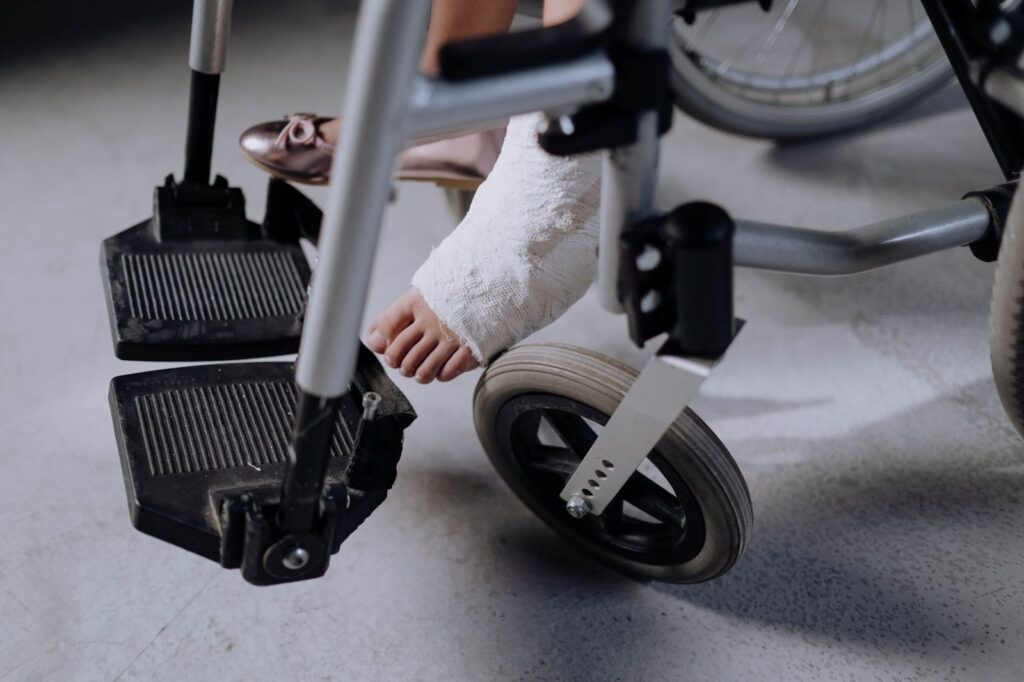
Get Your Free Case Evaluation Today
If you have been injured in a slip and fall accident in Coral Springs, contact CHG Personal Injury Lawyers for a free, confidential case review. We’ll listen to what happened, answer your questions, and explain your legal options.
CHG focuses exclusively on personal injury cases, including slip and fall accidents throughout Florida and nationwide. Our attorneys have experience investigating slip and fall claims, negotiating with insurance companies, and taking cases to trial when necessary.
We understand the physical, emotional, and financial toll a serious fall injury can take on you and your family. We work on a contingency fee basis—you pay us only if we win or settle your case.
There is no cost to speak with us, and no obligation to hire us. Contact us today for your free evaluation.
Act Quickly
Property owners and their insurance companies often move fast to limit liability. Documenting your injury, the hazard, and the scene—and reporting the incident to the property owner—preserves critical evidence. Contact us as soon as possible after your injury.
What You Need to Prove in a Slip and Fall Claim
The Property Owner Was Negligent
The property owner or manager failed to maintain the property safely or warn visitors of known hazards. This includes failing to clean up spills, repair broken steps, fix poor lighting, or remove obstacles.
You Were Injured Because of That Negligence
Your injury directly resulted from the unsafe condition. Medical records, witness statements, and photos of the hazard all help prove this connection.
You Suffered Real Damages
Your injury caused measurable harm: medical bills, lost wages, pain and suffering, or ongoing disability. We help you document and value every loss.
You Weren't Primarily at Fault
Florida law allows recovery even if you bear some responsibility—as long as you are 50% or less at fault. We build a strong case to minimize any blame assigned to you.
Why Choose CHG for Your Slip and Fall Claim
We Handle the Complexity
Property owners and their insurers have teams of lawyers. You need experienced representation to level the playing field and protect your rights.
Evidence Matters
We investigate quickly—gathering photos, maintenance records, prior complaints, and witness statements before they disappear. Early action preserves your claim.
We Focus on Your Recovery
While you heal, we handle the legal work. Our focus is securing fair compensation so you can move forward without financial stress.
No Fees Unless There's a Recovery
We work on contingency. You pay nothing upfront and no attorney fees unless we recover compensation for you.
Common Slip and Fall Scenarios in Coral Springs
Retail Stores and Shopping Centers
Spilled merchandise, wet floors without warning signs, broken tiles, or poor lighting create hazards. Store owners must inspect regularly and clean promptly.
Apartment Complexes and Rental Properties
Cracked sidewalks, broken stairs, inadequate lighting in common areas, or unmaintained walkways are landlord responsibilities. Injuries here often involve serious fractures or head trauma.
Restaurants and Bars
Spilled food or drinks, grease on kitchen floors, or worn carpeting create slip hazards. Staff must monitor and clean these areas constantly.
Parking Lots and Garages
Potholes, debris, ice, or poor drainage cause falls. Property owners must maintain surfaces and provide adequate lighting for safety.