

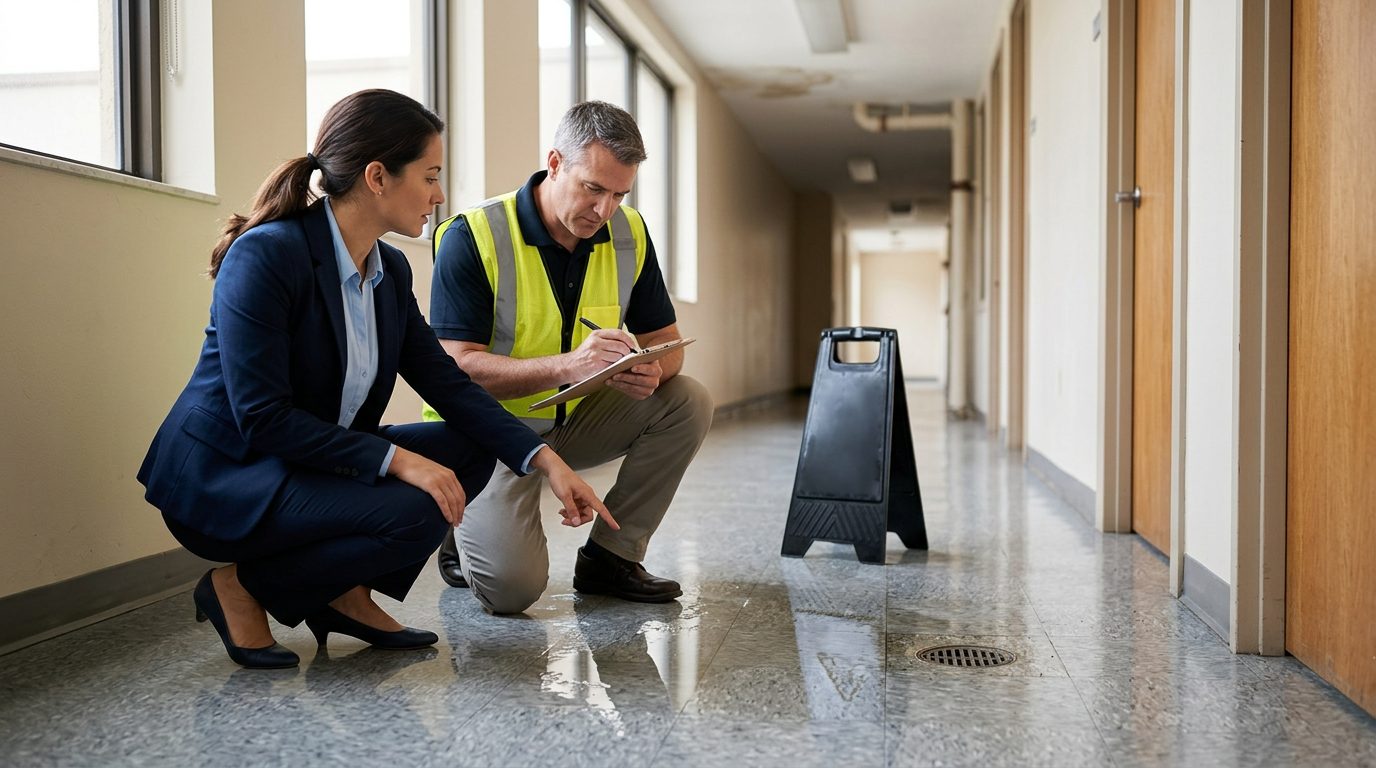
Slip and Fall | Oakland Park
Slip and Fall in Oakland Park: Know Your Right to Compensation
You were injured on someone else's property. The property owner may be responsible for your medical bills, lost wages, and pain. Get answers about your claim.
By CHG Lawyers · Published September 12, 2026
Slip and Fall in Oakland Park: Premises Liability & Your Right to Compensation
You fell on someone else’s property in Oakland Park. Now you’re dealing with pain, medical bills, and uncertainty about what happens next. The law gives you a path forward—but only if you act quickly.
Here’s what you need to know: property owners have a legal duty to keep their premises reasonably safe. When they fail, and you’re injured as a result, you may have a claim for compensation.
Not sure what your next step is?
Talk it through with our team — the first consultation is free, confidential, and carries no obligation.
What Premises Liability Actually Means (In Plain Language)
Premises liability is the legal responsibility a property owner owes to visitors and guests. It means the owner must:
- Identify hazards on their property
- Fix them or warn people about them
- Maintain the property in a reasonably safe condition
If an owner knows (or should know) about a dangerous condition—a wet floor, a broken step, poor lighting, debris in a walkway—and does nothing, they’re negligent. If that negligence causes your fall and injury, you have a claim.
This applies to grocery stores, restaurants, apartment complexes, parking lots, office buildings, gas stations, and any other property where the owner invites or allows people to visit.
Oakland Park Property Hazards: Where Falls Happen
Oakland Park’s warm, humid climate and frequent rainfall create specific slip-and-fall risks:
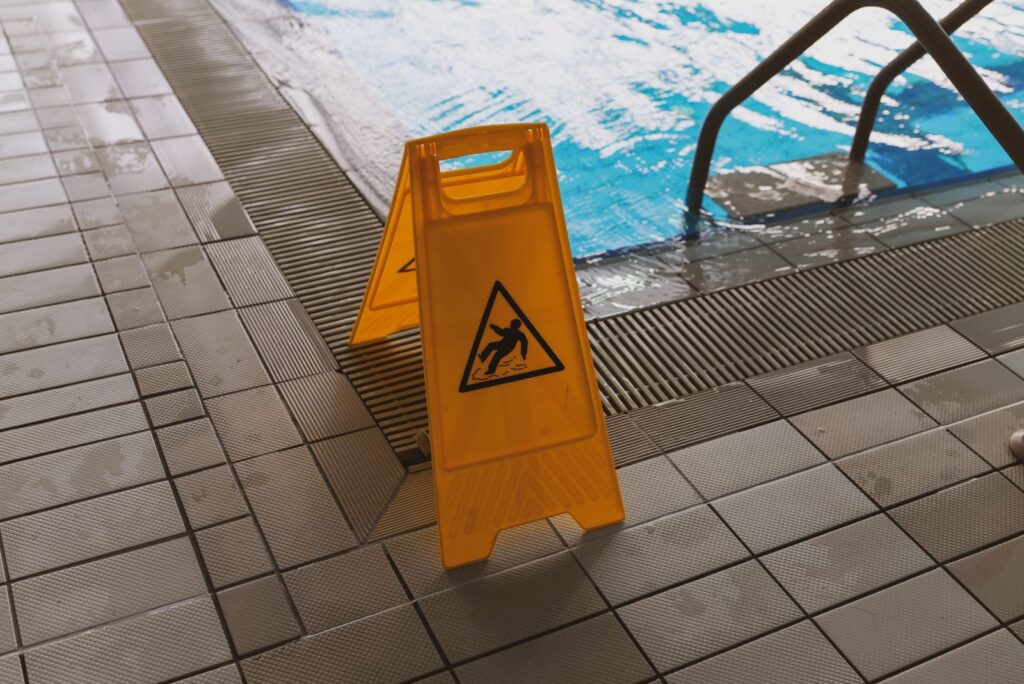
- Wet floors without warning signs — common in retail stores and restaurants after rain or cleaning
- Uneven or cracked concrete — sidewalks, parking lots, and entryways deteriorate in Florida’s heat and humidity
- Poor lighting — stairwells, parking garages, and outdoor walkways at dusk or night
- Standing water and pooling — parking lots and common areas after heavy rain
- Debris and obstacles — leaves, trash, or items left in walkways
- Worn or damaged carpeting — frayed edges and tears in apartment complexes and commercial spaces
- Broken handrails — on stairs and ramps
What Florida Law Requires Property Owners to Do
Under Florida Statutes § 768.81, property owners must maintain premises in a reasonably safe condition. Specifically, they must:
- Conduct regular inspections to identify hazards before someone is hurt
- Promptly remove or repair hazards — spills, debris, broken flooring, damaged walkways
- Provide adequate lighting in areas where visitors are expected
- Post warning signs or barriers around known hazards
- Respond to maintenance requests and reported problems without unreasonable delay
- Keep maintenance logs and inspection records documenting their efforts
Important: Property owners cannot simply claim “natural conditions” or “open and obvious” hazards as a blanket defense. Florida law still requires them to exercise reasonable care. A pothole in a parking lot, even if visible, doesn’t excuse the owner from fixing it. A wet floor, even if obvious, doesn’t excuse the owner from posting a warning sign or cleaning it up.
The Critical 2-Year Statute of Limitations: Why Speed Matters
You have two years from the date of your fall to file a lawsuit. This deadline is absolute. Miss it, and your claim is gone—even if you have a strong case.
Why act quickly:
- Evidence disappears. Surveillance footage is often deleted after 30–90 days. Cleaning logs and maintenance records may be discarded.
- Witnesses move or forget. People who saw your fall may relocate or their memories fade.
- Your medical records strengthen your case now. Immediate treatment documents the injury’s severity.
- Property conditions change. The owner may repair the hazard, eliminating proof of negligence.
Don’t wait. Contact an attorney within weeks of your fall, not months or years later.
Minor Injury vs. Catastrophic Outcome: Why This Matters
Not all slip-and-fall injuries are the same.
A minor bruise or small cut may not justify the cost and effort of a lawsuit. You might recover with home care and over-the-counter pain relief.
But a slip and fall can cause catastrophic, life-altering injuries:
- Spinal cord injury or paralysis — a fall down stairs or from a height can damage the spine, causing partial or complete paralysis (paraplegia or quadriplegia)
- Traumatic brain injury (TBI) — hitting your head during a fall can cause concussion, cognitive impairment, memory loss, or permanent brain damage
- Fractures and breaks — hip fractures, leg breaks, or arm fractures requiring surgery and months of recovery
- Amputation — in rare cases, a fall into machinery or a severe crush injury can result in limb loss
- Severe soft-tissue damage — torn ligaments, herniated discs, or chronic pain requiring ongoing treatment
If your fall caused any of these injuries, you’re dealing with:
- Substantial medical bills (surgery, hospitalization, rehabilitation)
- Lost wages during recovery
- Permanent disability or reduced earning capacity
- Ongoing pain and reduced quality of life
- Long-term care needs
These cases demand aggressive legal representation. CHG Personal Injury Lawyers focuses exclusively on catastrophic injury claims, including those arising from slip-and-fall accidents. We understand the full scope of your damages and fight for compensation that reflects the true cost of your injury.
Have questions about what happened?
Ask our team directly. The first conversation is free, confidential, and there is no obligation to continue.
Parking Lots: A Common Slip-and-Fall Hazard in Oakland Park
Parking lots are frequent sites of slip-and-fall injuries. Property owners—whether a retail store, apartment complex, office building, or standalone lot operator—have a duty to maintain parking areas safely.
Common parking lot hazards:
- Uneven pavement and potholes — caused by weather, age, and poor maintenance
- Water pooling and standing water — drainage failures after rain
- Poor or absent lighting — making hazards invisible at night
- Debris, gravel, or loose asphalt — creating trip hazards
- Lack of clear walkways — forcing pedestrians into hazardous areas
If you fell in a parking lot because of a neglected hazard, the owner is likely liable. Your attorney will:
- Photograph the hazard and document its condition
- Obtain maintenance records showing the owner knew or should have known about the problem
- Interview witnesses who saw the fall
- Request surveillance footage if available
- Calculate your damages
What to Do Immediately After Your Fall
Your first priority is your health. Your second is preserving evidence.
-
Seek medical attention immediately. Even if you feel okay, get checked. Medical records document your injury and create a timeline. Some injuries (internal bleeding, concussion) aren’t obvious at first.
-
Report the incident to the property owner or manager. Tell them exactly what happened. Ask them to file an incident report and request a copy for your records.
-
Take photographs right away. Document:
- The exact spot where you fell
- The hazard (wet floor, broken step, debris, poor lighting)
- Lighting conditions
- Any warning signs (or lack thereof)
-
Your injuries (bruises, cuts, swelling)
-
Get witness contact information. Ask anyone who saw the fall for their name, phone number, and email. Witness statements are powerful evidence.
-
Save all records. Keep medical bills, receipts, lost-wage documentation, photos, and any correspondence from the property owner or insurance company.
-
Don’t sign anything. Do not sign documents from the property owner’s insurance company without legal advice. Adjusters may try to settle quickly for far less than your claim is worth.
-
Write down your account. While details are fresh, document what you were doing, what caused the fall, how you felt immediately after, and any symptoms that developed.
How Premises Liability Cases Are Built and Won
Winning a premises liability case requires proving the property owner was negligent—that they knew or should have known about the hazard and failed to fix it or warn you.
Your attorney investigates by:
- Inspecting the property — photographing the hazard, lighting, flooring, and conditions at the time of day you fell
- Requesting maintenance records — cleaning logs, inspection reports, repair requests, and work orders showing the owner knew about the problem
- Obtaining surveillance footage — camera footage showing the hazard and your fall (if available)
- Interviewing witnesses — contacting anyone who saw the fall or the hazard
- Reviewing medical records — connecting your injuries directly to the fall and documenting treatment
- Calculating damages — medical bills, lost wages, pain and suffering, permanent disability, and future care costs
- Negotiating with insurance — presenting evidence to the insurance company and demanding fair compensation
- Preparing for trial — if settlement fails, building a case for a jury
Comparative Negligence: What If You Were Partly at Fault?
Florida law recognizes that sometimes both parties share blame. Under Florida Statutes § 768.81 (comparative negligence):
- If you were less than 50% at fault, you can still recover—but your compensation is reduced by your percentage of fault
- If you were 50% or more at fault, you cannot recover
Example: If you were awarded $100,000 but found 20% at fault, you receive $80,000.
The insurance company will argue you were careless or distracted. Your attorney counters that the owner’s negligence was the primary cause. Strong evidence—photos, witnesses, maintenance records—shifts blame to the owner.
What Compensation You Can Recover
Slip-and-fall premises liability compensation includes:
- Medical expenses — all treatment related to your injury: emergency care, surgery, hospitalization, rehabilitation, physical therapy, medications
- Lost wages — income you lost while recovering or unable to work
- Pain and suffering — compensation for physical pain, emotional distress, and reduced quality of life
- Permanent disability — if your injury causes lasting impairment or prevents you from working
- Future medical care — ongoing treatment, medications, or equipment you’ll need
- Home modifications — if your injury requires accessibility changes
- Other losses — transportation to appointments, home care services, or assistive devices
The amount depends on injury severity, your age, earning capacity, and case strength. A minor bruise may result in a few thousand dollars. A catastrophic injury—spinal cord damage, brain injury, amputation—can result in hundreds of thousands or millions.
Want to know where you stand?
Tell us what happened and our team will walk you through the options available to you, at no cost.
Why You Need an Attorney
Insurance companies are not on your side. They’re focused on minimizing payouts.
Without an attorney:
- Adjusters may deny your claim or offer far less than it’s worth
- You may not know what evidence to gather or how to value your claim
- You might miss the statute-of-limitations deadline
- You could sign away your rights without realizing it
- You’ll face skilled insurance lawyers alone
With an attorney:
- Your attorney gathers evidence, preserves witness statements, and obtains maintenance records
- They value your claim accurately, accounting for all damages
- They negotiate with the insurance company from a position of strength
- They file a lawsuit if necessary and represent you in court
- Most work on contingency: you pay nothing upfront. They take a percentage of your recovery (typically 25–40%). If you don’t win, you don’t pay.

Frequently Asked Questions
How long do I have to file a slip-and-fall lawsuit in Florida?
You have two years from the date of your fall to file a lawsuit. This deadline is absolute. After two years, your claim is gone.
Can I recover if I was partially at fault?
Yes, under Florida’s comparative negligence rule. If you’re less than 50% at fault, you can still recover—but your compensation is reduced by your percentage of fault.
What if the property owner says the hazard was “open and obvious”?
That doesn’t eliminate their duty to maintain safe premises or warn you. Florida law still requires reasonable care. Your attorney will argue the owner’s negligence caused your fall.
What if I didn’t report the fall immediately?
Report it as soon as possible. Delays weaken your case, but don’t eliminate it. Act quickly to preserve evidence and witness statements.
Do I need a lawyer for a slip-and-fall claim?
You don’t need one, but you should have one. Insurance companies are skilled at minimizing claims. An attorney protects your rights and ensures you’re fairly compensated.
What if the insurance company denies my claim?
Your attorney can file a lawsuit. Many initially denied cases settle or win at trial once the owner faces legal action.
How long does a slip-and-fall case take?
Most settle within 6–12 months. Complex cases or those going to trial may take longer. Your attorney will keep you informed throughout.
If you’ve slipped and fallen on someone else’s property in Oakland Park and you’re dealing with pain, medical bills, or lost wages, you have options. Don’t let the statute-of-limitations deadline pass. CHG Personal Injury Lawyers focuses exclusively on personal injury claims, including slip-and-fall and premises liability cases.
Contact us today for a free case evaluation.
We’ll review your fall, explain your rights, and tell you what compensation you may recover. People in your situation contact us regularly. We’re here to help.
Why Your Slip and Fall Claim Matters
Property Owners Have a Legal Duty
Owners and managers must keep their premises reasonably safe. If they fail to fix hazards, warn visitors, or maintain the property, they may be held responsible for your injuries.
Evidence Builds Your Case
Photos of the hazard, witness statements, maintenance records, and incident reports all strengthen your claim. We know what to gather and how to use it.
Time Matters
Hazards fade, witnesses move away, and memories blur. The sooner you act, the stronger your evidence and your position.
Your Recovery Comes First
We handle the legal work so you can focus on healing. No fees unless there is a recovery.
What Happens After Your Fall
Report the Incident
Tell the property owner or manager immediately. Ask for a written incident report and keep a copy. Document the hazard with photos and note the date, time, and any witnesses.
Seek Medical Care
Get examined by a doctor, even if your injuries seem minor. Medical records prove the connection between the fall and your harm—and protect your health.
Preserve Evidence
Keep photos, videos, medical bills, pay stubs, and any communication with the property owner or their insurance company. Don't sign anything without legal review.
Contact CHG Personal Injury Lawyers
We'll review your fall, explain your rights, and tell you what compensation you may pursue. Many people in your situation contact us—we're here to help.
Don't Wait to Act
Property owners and their insurers move quickly to limit liability. The sooner you contact an attorney, the sooner we can protect your rights and gather critical evidence.
Common Questions About Slip and Fall Claims
Is the property owner always responsible?
Not automatically. The owner is responsible if they knew—or should have known—about the hazard and failed to fix it or warn you. We investigate to determine liability in your case.
What if I was partly at fault?
Florida law allows you to recover even if you share some responsibility. The amount you receive is reduced by your percentage of fault. We fight for fair treatment.
What can I recover?
Medical expenses, lost wages, pain and suffering, and ongoing care costs. We calculate the full value of your claim based on your injuries and circumstances.
How long does a claim take?
Every case is different. Some settle quickly; others require negotiation or court action. We keep you informed every step of the way.