

Slip and Fall | Miramar, Florida
Injured in a Slip and Fall? You May Have a Claim Against the Property Owner
When a property owner fails to maintain safe conditions or warn of hazards, injured visitors can pursue compensation. CHG Personal Injury Lawyers handles property liability claims throughout Florida.
By CHG Lawyers · Published September 12, 2026
Slip and Fall in Miramar: Your Rights & How to Protect Your Claim
When you slip and fall on someone else’s property in Miramar, the owner may be legally responsible. This can happen at a store, apartment, parking lot, office, or restaurant.
Florida law requires property owners to keep premises safe and warn visitors of known dangers.
Understanding your rights after a slip and fall protects your claim and your recovery. This guide explains what you need to know.
If you've slipped and fallen on someone else's property in Miramar and are dealing with injuries, we can help. Talk it through with our team — the first consultation is free, confidential, and carries no obligation.
When a Property Owner Is Legally Liable
Property owners in Florida must keep their premises reasonably safe for lawful visitors. This legal duty is called premises liability.
Under Florida Statute §768.81, a property owner is liable if they:
- Knew (or should have known) about a hazard through reasonable inspection
- Failed to fix it or warn you
- The hazard directly caused your fall and injury
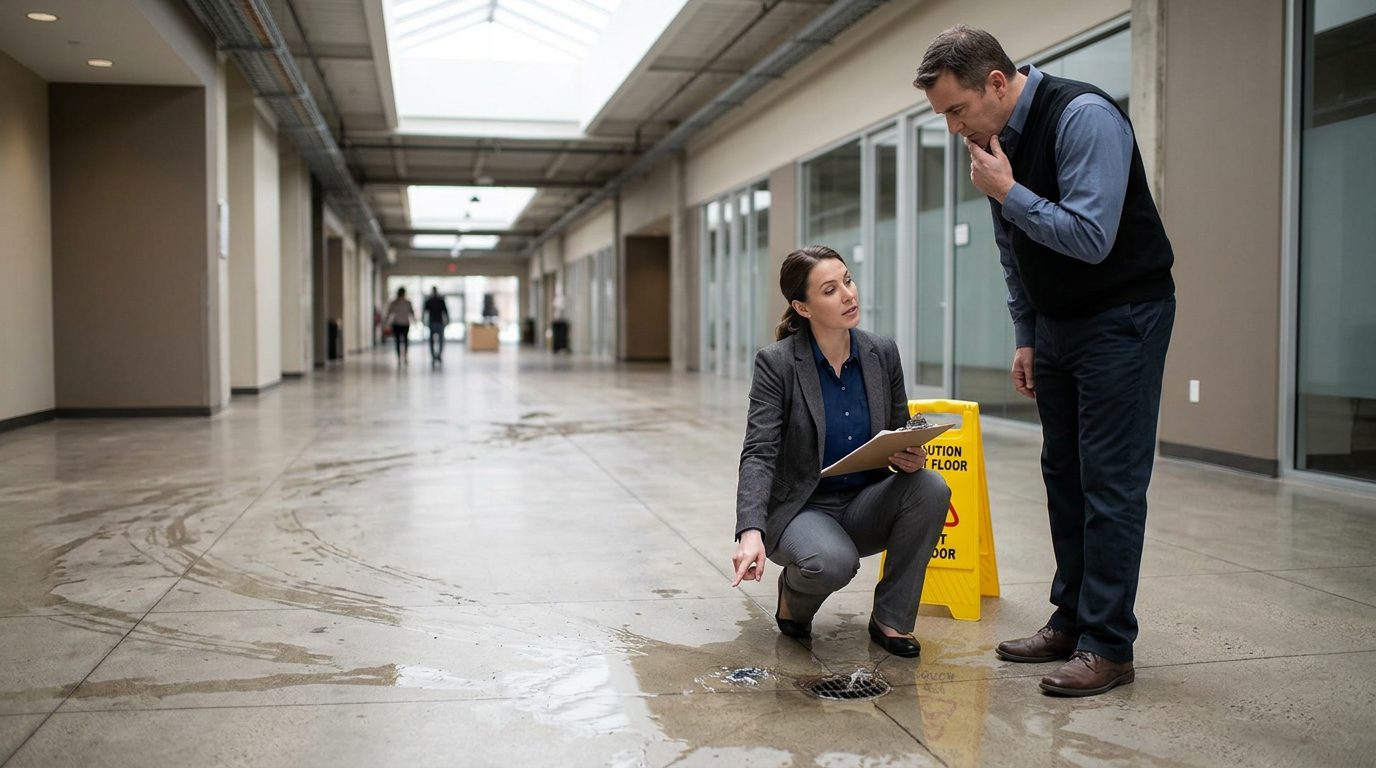
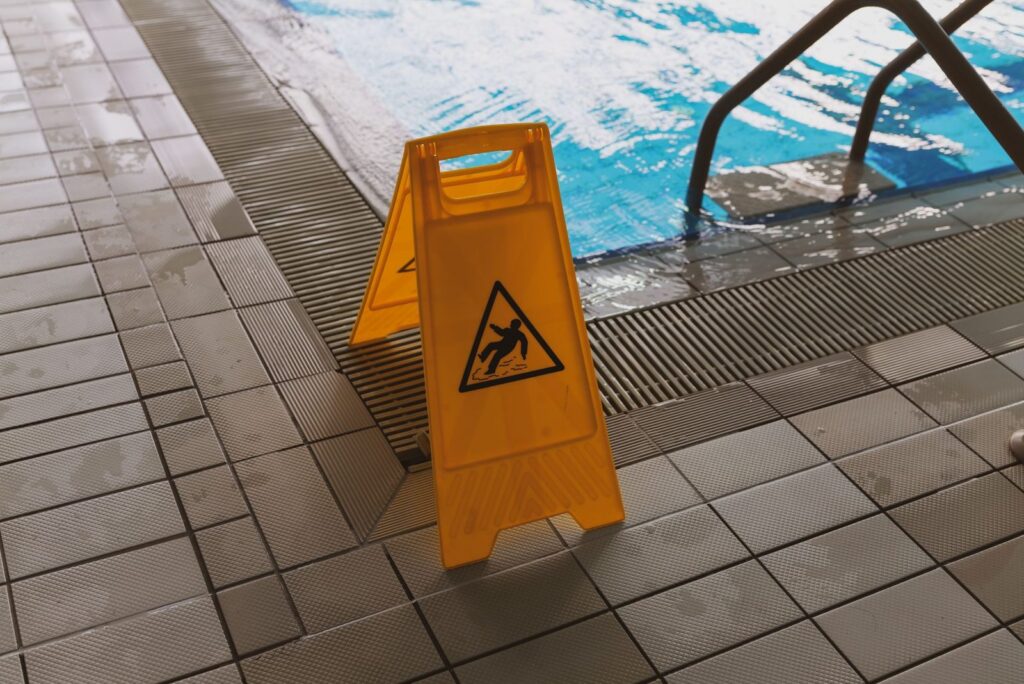
Timing matters. A wet floor from a spill moments ago may not create liability. A wet floor left unattended for hours without warning signs likely does.
A broken stair cracked for weeks creates liability. One that suddenly breaks under your weight may not.
You must have been lawfully on the property—as a customer, resident, guest, or invited visitor. Trespassers have fewer legal protections.
Comparative fault applies. Even if you were partly careless, you may still recover under Florida’s comparative fault rule. Your compensation is reduced by your percentage of fault. If you’re found more than 50% at fault, you cannot recover.
Common Slip and Fall Hazards in Miramar
Slip-and-fall accidents happen in predictable places across Miramar. These hazards are foreseeable and preventable:
- Wet or slippery floors without warning signs
- Broken, cracked, or uneven flooring and sidewalks
- Poor or inadequate lighting in parking lots, stairwells, or garages
- Loose, missing, or damaged handrails on stairs or ramps
- Debris, clutter, or obstacles in walkways or hallways
- Worn or damaged carpeting that catches feet
- Malfunctioning automatic doors or entryways
- Icy or snow-covered surfaces (rare in Miramar)
A responsible property owner inspects these areas regularly. They fix hazards promptly and post warning signs when dangers exist. When they don’t, liability follows.
Injuries from Slip and Fall Accidents
Slip-and-fall injuries range from minor to catastrophic.
Common injuries include:
- Broken bones—wrists, ankles, hips, and arms
- Head and brain injuries, including concussions and traumatic brain injury
- Spinal cord injuries and back injuries causing chronic pain, nerve damage, or permanent disability
- Soft-tissue injuries—sprains, strains, and torn ligaments requiring months of physical therapy
Older adults face higher injury risk. But younger people can suffer life-altering injuries too.
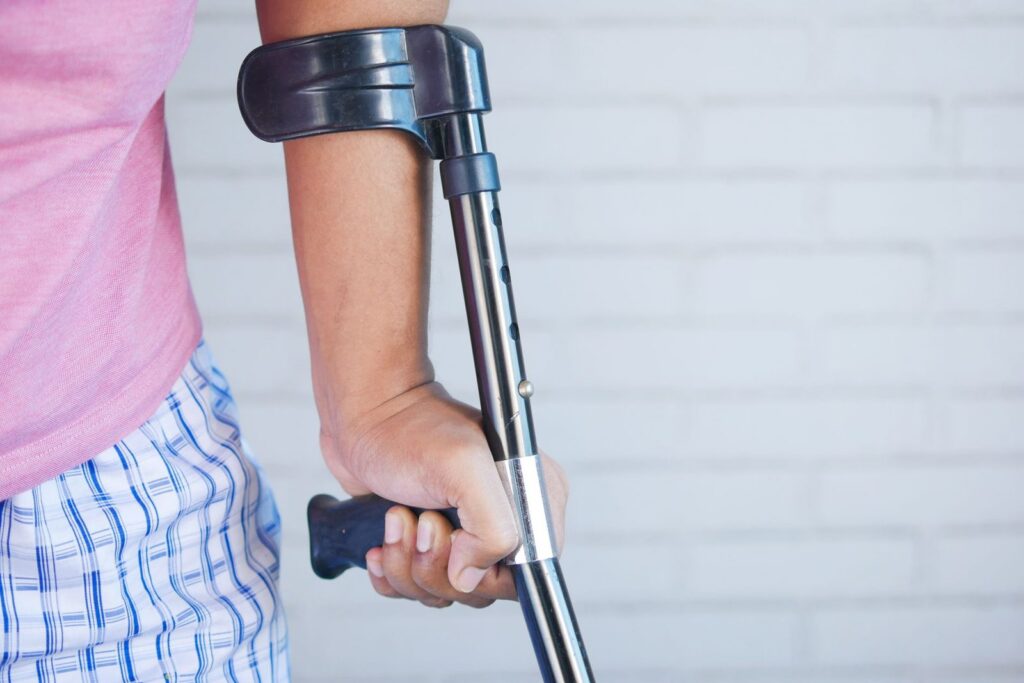
In the slip-and-fall cases we handle, clients often cannot work. They require ongoing medical care and face years of recovery. The financial and emotional toll extends far beyond the initial fall.
Not sure what your next step is?
Talk it through with our team — the first consultation is free, confidential, and carries no obligation.
Evidence That Protects Your Claim
Strong evidence is the foundation of a successful claim. Collect and preserve evidence immediately after your fall.
Do this before the hazard is cleaned up, before memories fade, and before the property owner alters the scene.
At the scene:
- Photos or video of the hazard itself (wet floor, broken step, poor lighting, debris, uneven surface). Take multiple angles and close-ups.
- Photos of your injuries if safe to do so (bruises, visible wounds, swelling).
- Contact information from witnesses who saw the fall or hazard. Get names, phone numbers, and email addresses.
- The property owner’s or manager’s incident report. Ask for a written report and request a copy.
After the fall:
- Medical records documenting your injuries, treatment, and ongoing care. Keep every receipt and bill.
- Security camera footage from the property. Most commercial properties keep footage 30 to 90 days. Request it in writing immediately.
- Maintenance records showing whether the owner inspected or maintained the area.
- Documentation of damages: medical expenses, lost wages (pay stubs, employer statements), medical equipment receipts, and recovery timeline.
- Your detailed account of what happened. Write it down while details are fresh.
- Photos of the property taken days or weeks later, showing the hazard remained unaddressed.
Do not sign anything or give a recorded statement to the property owner’s insurance company without legal advice. Insurance adjusters are trained to minimize claims.
Steps to Take After a Slip and Fall in Miramar
Immediately after the fall:
-
Seek medical attention right away, even if you feel okay. Some injuries—internal bleeding, concussions, spinal injuries—appear hours or days later. A medical record created on or near the fall date is powerful evidence.
-
Report the fall to the property owner or manager. Tell them what happened, when, and where. Ask for a written incident report and request a copy.
-
Take photos and video of the hazard, scene, and your injuries if safe. Do this before the hazard is cleaned up.
-
Get contact information from witnesses. Ask anyone who saw the fall or hazard for their name, phone number, and email.
-
Keep all medical records, receipts, and recovery documentation. Do not discard anything.
-
Do not communicate directly with the property owner’s insurance company. Contact a personal injury attorney who handles slip-and-fall cases in Miramar as soon as possible.
Know the deadline: Under Florida Statute §95.11, you have two years from the date of your injury to file a lawsuit. This deadline is strict. If you miss it, your claim is gone forever. Do not wait until the deadline approaches.
Why You Need an Attorney for Your Slip and Fall Claim
Property owners and their insurers often deny liability or minimize injury claims. They have lawyers and adjusters working to protect their interests—not yours.
An attorney investigates the hazard, gathers evidence, and builds a strong case on your behalf.
Your lawyer handles all communication with the insurance company. You can focus on recovery without negotiation stress.
An experienced attorney knows the true value of your claim. This includes not just medical costs, but lost income, pain and suffering, and long-term care needs.
Most slip-and-fall cases settle through negotiation. An attorney negotiates from a position of strength, backed by evidence and a willingness to take the case to trial if necessary.
How the Slip and Fall Claims Process Works
When you work with our firm, here’s what happens:
-
Initial consultation. We review your medical records and the circumstances of your fall. We explain the law, your rights, and what we can do.
-
Investigation. We investigate the property, interview witnesses, and obtain maintenance and security records through legal requests.
-
Demand letter. We send a detailed demand letter to the insurance company with evidence of liability and documentation of your damages.
-
Negotiation. The insurance company may offer a settlement. We negotiate on your behalf to ensure the offer reflects your actual losses and future needs.
-
Trial preparation or settlement. If settlement talks stall, we prepare your case for trial. You pay no attorney fees unless we recover compensation—we work on contingency. Your financial risk is zero.
Have questions about what happened?
Ask our team directly. The first conversation is free, confidential, and there is no obligation to continue.
Frequently Asked Questions
How long do I have to file a slip-and-fall claim in Florida?
You have two years from the date of your injury to file a lawsuit under Florida Statute §95.11. Contact an attorney promptly so evidence can be preserved.
What if I was partly at fault for my fall?
Under Florida’s comparative fault rule, you may still recover even if partially negligent, unless you’re found more than 50% at fault. Your recovery is reduced by your percentage of fault.
Can I settle my slip-and-fall claim without going to court?
Most slip-and-fall cases settle before trial through negotiation. An attorney negotiates on your behalf to reach a fair settlement covering medical costs, lost wages, pain and suffering, and other damages.
What is premises liability?
Premises liability is the legal principle that property owners have a duty to maintain reasonably safe premises. They must warn visitors of known hazards. When they fail and someone is injured, the owner may be held liable.
Do I need an attorney for a slip-and-fall case?
While you can file a claim yourself, an attorney levels the playing field against the property owner’s insurance company. Attorneys investigate, preserve evidence, value claims accurately, and negotiate or litigate effectively. The outcome difference is often substantial.
What does it mean to work on contingency?
A contingency fee arrangement means you pay no attorney fees upfront. We are paid only if we recover compensation for you—through settlement or trial. You pay nothing if we don’t win.
If you’ve slipped and fallen on someone else’s property in Miramar and are dealing with injuries, we can help. We handle slip-and-fall claims for people in your situation regularly.
Contact us for a free case evaluation.
The sooner you reach out, the sooner we can investigate your claim, protect your evidence, and help you understand what your case is worth. You can also learn more about property owner responsibilities and how to collect evidence after an injury. If you’re in the Miramar area, contact our Miramar office directly.
Why Property Owners Are Responsible for Your Safety
Legal Duty of Care
Property owners in Florida have a legal obligation to keep their premises reasonably safe and to warn visitors of known hazards—wet floors, broken stairs, poor lighting, or debris. When they fail to do so and someone is injured, the owner may be liable.
Evidence Matters
Photographs of the hazard, maintenance records, incident reports, witness statements, and medical documentation all strengthen your claim. The sooner you gather this evidence, the better your position.
Act Quickly
Time is critical. Property owners often clean up hazards or alter conditions after an incident. Prompt investigation and preservation of evidence can make the difference in your case.
We Understand the Impact
A slip and fall can cause serious injuries—broken bones, head trauma, spinal injuries—that disrupt your life and livelihood. We listen to your story and fight for fair compensation.
What to Do After a Slip and Fall
Report the Incident
Tell the property owner, manager, or staff immediately. Ask them to document the incident in writing and request a copy of the report. If there are witnesses, get their names and contact information.
Seek Medical Attention
See a doctor or visit an urgent care clinic, even if your injuries seem minor. Medical records create an official link between the fall and your injuries—essential for your claim.
Document Everything
Take photographs of the hazard, the scene, your injuries, and any visible conditions (lighting, signage, floor condition). Keep receipts for medical care, medications, and any expenses related to your recovery.
Contact an Attorney
Reach out to CHG Personal Injury Lawyers for a free case evaluation. We'll investigate the property owner's maintenance practices and determine whether you have a viable claim.
Don't Wait—Evidence Fades
Property owners often clean up or repair hazards after an accident. Surveillance footage may be recorded over or deleted. Witnesses move away or forget details. The longer you wait, the harder it becomes to prove what caused your fall and who was responsible.
Common Slip and Fall Scenarios in Miramar
Retail Stores & Shopping Centers
Spilled liquids, debris on floors, broken tiles, or inadequate lighting can create hazards. Store owners must inspect regularly and clean promptly or post warning signs.
Apartment Complexes & Rental Properties
Poorly maintained walkways, broken steps, loose handrails, or inadequate lighting in common areas put residents and visitors at risk. Property managers have a duty to maintain safe conditions.
Restaurants & Bars
Wet or greasy floors, spilled food or drinks, and cluttered walkways are common hazards. Staff should clean immediately and use caution signs when floors are wet.
Parking Lots & Garages
Potholes, debris, poor lighting, and uneven surfaces create fall risks. Owners must maintain these areas and ensure adequate visibility to prevent injuries.