
Slip and Fall · Miami Springs, Florida
Hurt in a Slip and Fall in Miami Springs? Start With These Next Steps
Plain-language guidance from Igor Hernandez, CHG Personal Injury Lawyers, Coral Gables, Florida. Whether a claim exists depends on the facts of your situation, your medical records, and applicable Florida law.
By Igor Hernandez, CHG Lawyers, Coral Gables, Florida
Slip and Fall on a Wet Floor or Broken Walkway in Miami Springs: What Happens Next?
A slip and fall is a fall caused by a hazard on land that someone else owns, controls, or maintains. Whether a claim exists turns on what caused the fall, the medical records, and applicable Florida law.
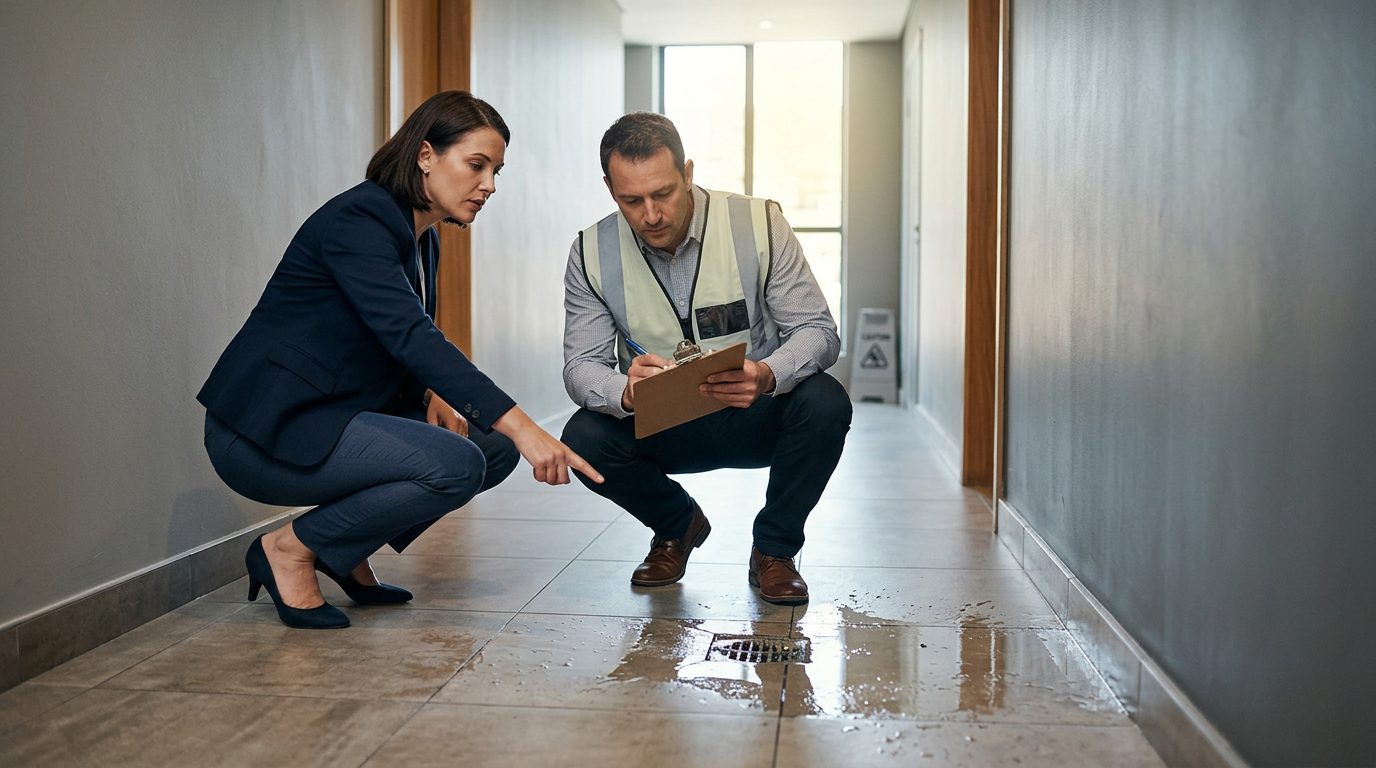
Picture a shopper in a Miami Springs grocery store who steps on a puddle in an aisle. No sign is posted, and no one has mopped it up. Or picture a resident who trips on a cracked step at an apartment complex. Both people were hurt on property they did not own or run.
This guide explains the slip and fall basics in plain terms. The owner or manager of that property may have responsibilities for unsafe conditions. Florida Statute § 768.0755 addresses slip-and-fall cases involving a transitory foreign substance in a business establishment, and under that section the injured person must prove that the business establishment had actual or constructive knowledge of the dangerous condition and should have taken action to remedy it (Fla. Stat. § 768.0755).
The Florida Department of Health publishes information on older adult falls, including fall injuries and fatal falls. That guidance is a useful starting point for understanding why falls matter.
Not sure what your next step is?
Talk it through with our team — the first consultation is free, confidential, and carries no obligation.
What to Document and Do in the Days After a Fall
Your health comes first. Follow the care plan your doctors give you. Tell them about every symptom, including ones that seem minor or come and go.
When it is safe, photograph the hazard and the area around it. Capture the lighting and any warning signs, or the lack of them. Photograph the shoes and clothing you wore. If the spill or broken step is still there, take pictures before anyone cleans or repairs it.
Ask the business or property manager for an incident report. Write down the name of the employee who took it. Keep receipts, medical bills, and notes showing any time you missed from work.
Write a short account of what happened while the details are fresh. Include the time, the weather, and who was nearby. Collect names and phone numbers from anyone who saw the fall.
Ask the property to keep any video from that area and time. Don’t assume footage will still exist later. Ask now, and keep a record of when you asked.
How Florida Looks at Responsibility for Unsafe Premises
Florida’s statute on slips on a transitory foreign substance is Fla. Stat. § 768.0755. A transitory substance is a temporary hazard, such as a spill. Under this statute, the injured person must prove the business knew, or should have known, about the dangerous condition and should have acted to fix it.
The statute describes the circumstantial evidence that may be used to prove constructive knowledge. The first is that the condition existed long enough that ordinary care should have caught it. The second is that the condition happened regularly, so it was foreseeable. Facts like these are the kind of evidence the statute describes.
The statute also says it does not affect the general duty of care owed by a person or company in control of business premises. That broader duty stays in place alongside the statute.
The statute uses the phrase “business establishment.” Whether a particular property fits that phrase is a question for each case, and the facts and exceptions matter.
Can I Sue the City? Claims Involving Public Property in Miami Springs
Whether a claim against a city or other government body is available depends on the facts of the case, the medical records, and applicable Florida law. Under section 768.28, Florida Statutes, such claims are generally subject to written pre-suit notice requirements, time limits, and caps on damages that may not apply to claims against private property owners, and other conditions and exceptions may apply. Florida’s Fla. Stat. § 768.28 is a limited waiver of sovereign immunity, the legal protection that generally shields government from lawsuits, and it permits certain tort claims against government entities subject to conditions and caps.
Sidewalks, parks, and public buildings can be government property. Under § 768.28(5)(a), the state and its agencies and subdivisions are liable for tort claims in the same manner and to the same extent as a private individual under like circumstances. That liability does not include punitive damages or interest before judgment.
The statute also sets limits on how much can be paid on a claim. A judgment above those limits may be reported to the Legislature and paid only by further act of the Legislature.
The statute also sets timing rules. Under § 768.28(6)(d), an agency’s failure to finally dispose of a claim within six months after the written claim is presented under § 768.28(6)(a) is treated as a final denial, but for medical malpractice and wrongful death claims that period is 90 days. Before any lawsuit, the claim must first be presented in writing to the agency (and, where applicable, the Department of Financial Services) under § 768.28(6)(a), a condition with its own deadline, and other conditions and exceptions may apply, so timing depends on the facts of each case and applicable Florida law. Whether this applies to a particular claim depends on the facts of each case and on applicable Florida law. Do not wait to find out whether public property is involved.
Have questions about what happened?
Ask our team directly. The first conversation is free, confidential, and there is no obligation to continue.
Florida Filing Deadlines and Why Timing Matters
Accrual means the point when the legal clock starts. Under Fla. Stat. § 95.031, a cause of action accrues when the last element constituting the cause of action occurs. Working out that point takes a look at the facts of your fall.
Claims against government bodies can follow different timing and procedures under § 768.28. Some claims, such as wrongful death or medical malpractice claims against those bodies, have their own shorter periods under that section.
A missed deadline may affect a claim. How it affects a claim depends on the claim type, the facts, and Florida law. Reach out to our team soon to have your dates reviewed against the Florida rules that may apply to your situation. CHG charges no attorney’s fees and no case costs unless there is a recovery.
Fault, Comparative Negligence and Common Questions
Florida uses comparative fault, which divides responsibility by percentage. Under Fla. Stat. § 768.81, a party’s share of fault may be assigned by percentage, and how that applies depends on the facts of each case and on the statute’s exceptions and excluded actions. Whether joint and several liability applies depends on the facts of each case and on the exceptions in § 768.81.
Section 768.81(6) addresses a party’s own share. Under § 768.81(6), Florida Statutes, which generally applies to negligence causes of action filed after March 24, 2023, a party found more than 50 percent at fault for his or her own harm generally may not recover damages, subject to the section’s statutory exclusions and the facts of each case. Medical negligence actions under chapter 766 are excluded from that subsection.
If your own conduct contributed to a fall, comparative fault questions may come up (Fla. Stat. § 768.81(6)).
A reader may wonder whether they are automatically at fault in a rear-end crash. Fault in a rear-end crash depends on the facts of that crash and on applicable Florida law, including any presumptions that may apply and comparative fault under § 768.81.
Every point here is conditional.
Talk With CHG Personal Injury Lawyers About Your Miami Springs Fall
If you were hurt in a fall on property you did not control, you can contact CHG to talk through what happened. Taking on a property’s insurer alone can feel like a Miami Heat road game with only one teammate.
Igor Hernandez is the responsible attorney at CHG Personal Injury Lawyers. He is a member of The Florida Bar. Our team serves Miami Springs and Miami-Dade County from our Coral Gables office, and we represent people across Florida.
Bring what you have: the incident report, photos, medical records, bills, and names of any witnesses. Our team may ask for more. Please keep following your doctors’ care plan in the meantime.
CHG charges no attorney’s fees and no case costs unless there is a recovery.
Reach out to tell us about your Miami Springs fall and the decision in front of you. Contact CHG Personal Injury Lawyers to begin the conversation.
Want to know where you stand?
Tell us what happened and our team will walk you through the options available to you, at no cost.
Frequently Asked Questions
What should I do after a slip and fall in Miami Springs?
Get medical care right away and follow your doctors’ instructions. If you can, report the fall to the property owner or manager, and photograph the area and any hazard before it is cleaned up or repaired.
Can I have a claim if I slipped on a wet floor in a Miami Springs store?
Whether a claim exists depends on the facts, the medical records, and Florida law. Under Florida law, a claim involving a transitory foreign substance in a business establishment under § 768.0755 may depend on whether the business had actual or constructive knowledge of the condition and whether it should have taken action to remedy it.
How long do I have to file a slip and fall lawsuit in Florida?
For negligence claims accruing after March 24, 2023, § 95.11(4)(a), Florida Statutes, generally sets a two-year filing period, but other deadlines, conditions, and exceptions may apply. Please reach out to CHG Personal Injury Lawyers soon to have the deadline that may apply to your situation reviewed. CHG charges no attorney’s fees and no case costs unless there is a recovery.
Who can help me with a slip and fall in Miami Springs?
You can contact CHG Personal Injury Lawyers, which represents clients throughout Florida and is responsible through Igor Hernandez, with an office in Coral Gables, Florida. CHG charges no attorney’s fees and no case costs unless there is a recovery.
1. Get medical care
Seek medical attention promptly, even if your injury seems minor at first. Follow your doctors' instructions and keep every appointment and record.
2. Report the fall
If you are able, tell the property owner or manager what happened and ask that the incident be written down. Keep a copy of any incident report.
3. Document the scene
Photograph the area, the hazard, and the surroundings before it is cleaned up or repaired. Note the lighting, weather, and footwear you were wearing.
4. Gather details
Write down the date, time, and exact location. Collect names and contact information for any witnesses, and save receipts and records of related expenses.
Do not wait to get checked
Some injuries, including head, neck, and back injuries, may not be obvious right away. Seeing a doctor promptly helps protect your health and creates a medical record that your doctors can rely on.
Why Talk With CHG Personal Injury Lawyers
Florida-Based Firm
CHG Personal Injury Lawyers represents people throughout Florida, including residents of Miami Springs and nearby communities. Our office is in Coral Gables, Florida.
Licensed Florida Attorney
Igor Hernandez is a member of The Florida Bar and focuses on personal injury matters.
CHG charges no attorney's fees and no case costs unless there is a recovery.