

The Hammocks | Slip and Fall
Injured in a Slip and Fall? You May Have a Premises Liability Claim
When a property owner fails to maintain safe conditions, they can be held responsible for your injuries. Learn what your claim is worth and what to do next.
By CHG Lawyers · Published September 20, 2026
Slip and Fall in The Hammocks: Your Premises Liability Claim Explained
You fell on someone else’s property in The Hammocks and were injured. In seconds, your foot lost traction or caught on something. Now you’re dealing with medical bills, pain, missed work, and uncertainty about what comes next.
If the property owner failed to maintain safe conditions or warn of known dangers, you may have a legal claim for compensation. This guide explains premises liability in plain language and shows you what to do.
If you've slipped or fallen on someone else's property in The Hammocks and suffered injury, we want to hear from you. Talk it through with our team — the first consultation is free, confidential, and carries no obligation.
How Premises Liability Works in Florida
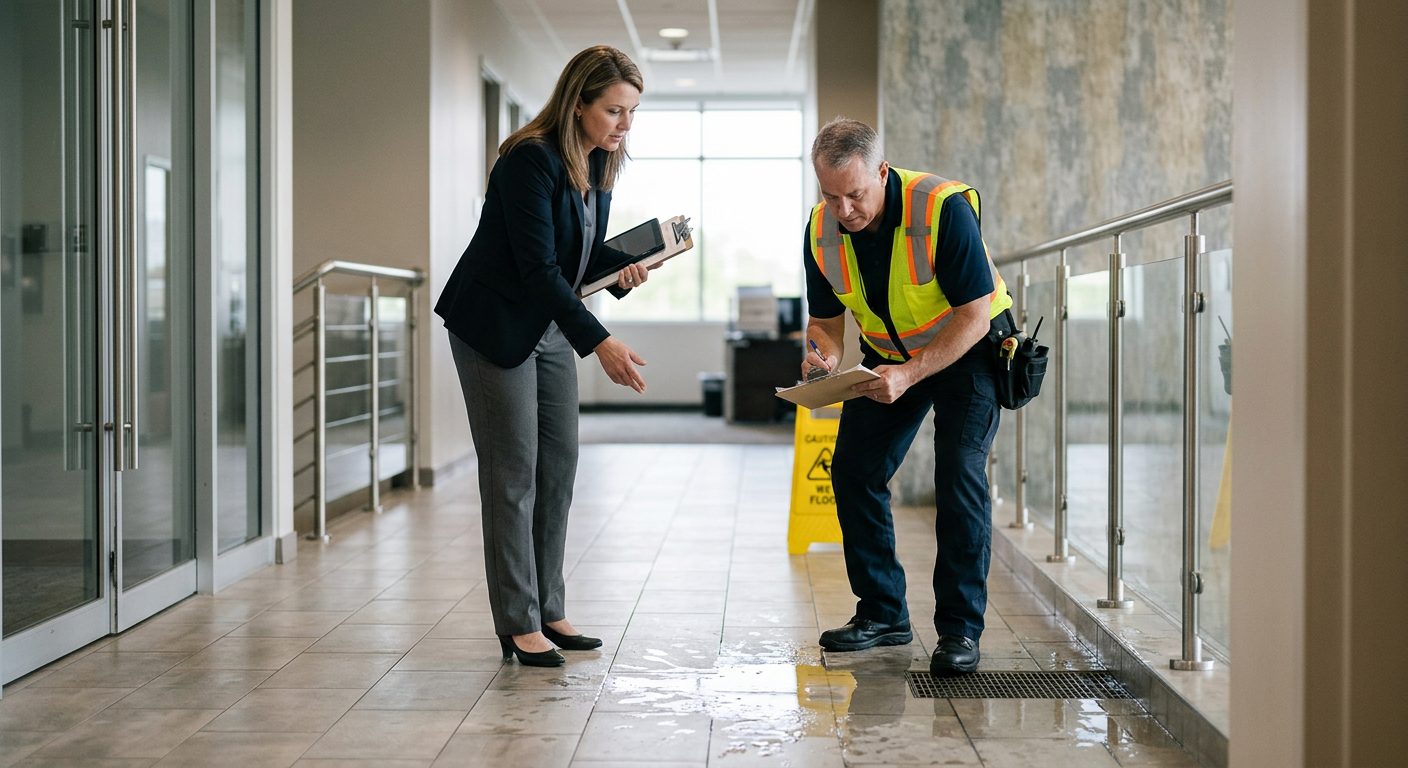
When you’re injured because of an unsafe condition on someone else’s property—a wet floor, broken step, poor lighting, debris, or uneven surface—the property owner may be legally responsible.
Under Florida law, property owners owe visitors a duty to keep their premises reasonably safe. If they breach that duty and you’re injured as a result, you can recover damages.
The legal term is premises liability. You don’t have to prove the owner intentionally hurt you. You only need to show they knew (or should have known) about a hazard and failed to fix it or warn you.
To have a valid claim under Florida law, four elements must be present:
- Duty of care: The property owner owed you a legal obligation to maintain reasonably safe conditions.
- Breach: The owner failed to repair a known hazard, maintain the property, or provide adequate warning.
- Causation: Your injury resulted directly from that breach.
- Damages: You suffered measurable losses—medical bills, lost wages, pain, or permanent harm.
All four must be proven. Each one matters.
Where Slip and Fall Accidents Happen in The Hammocks
The Hammocks is a residential community in southwest Miami-Dade County. Hazards emerge in predictable places:
Hammocks Town Center and retail shops: Wet floors after cleaning, spilled merchandise, inadequate warning signs, and poor maintenance. Retail stores must inspect regularly and address spills promptly.
Hammocks Community Park: Uneven pavement, broken sidewalks, inadequate lighting, and debris. Parks have a duty to maintain walkways and provide safe conditions.
Restaurants and food service: Slippery floors from spilled food or beverages, missing warning signs, and poor maintenance. Food service establishments must keep floors clean.
Parking lots and garages: Potholes, standing water, debris, and inadequate lighting. Owners must inspect and maintain these areas regularly.
Apartment complexes and residential buildings: Broken stairs, loose handrails, poor lighting in hallways and common areas, uneven walkways. Landlords and property managers have explicit duties to maintain safe premises.
Gas stations and convenience stores: Slick floors from spilled liquids, poor maintenance, inadequate lighting. These businesses must keep premises clean and safe.
Slip vs. Trip: The Legal Distinction
A slip occurs when your foot loses traction on a surface—wet, oily, or slippery. You step on the hazard and your foot slides. Examples: stepping on a wet floor, a puddle, or an oily surface.
A trip occurs when your foot catches on an obstacle—a raised edge, debris, an uneven surface, or a broken step. Examples: tripping over a raised curb, debris on a walkway, or an uneven floor.
Legally, both are premises liability claims. The property owner’s duty to maintain safe conditions applies to both. The framework for recovery is the same under Florida law.
Not sure what your next step is?
Talk it through with our team — the first consultation is free, confidential, and carries no obligation.
Proving the Property Owner’s Negligence
Duty of care: Property owners owe lawful visitors—customers, tenants, guests—a legal obligation to keep the property reasonably safe. This includes regular inspection, timely repair of known hazards, and adequate warning of dangers.
Breach of duty: The owner breached that duty by failing to maintain safe conditions, repair a known hazard, or provide adequate warning. Examples: a store manager saw a spill and did nothing for hours; a landlord ignored tenant complaints about broken stairs; a parking lot owner failed to repair a pothole despite knowing about it.
Causation: Your injury resulted directly from that breach. Your fall must have been caused by the hazard the owner failed to address. If you slipped on a wet floor the owner should have cleaned, causation is clear. If you tripped over debris the owner should have removed, causation is clear.
Damages: You incurred measurable losses. These include medical expenses, lost wages, pain and suffering, permanent disability, and reduced earning capacity. Medical records, pay stubs, and other documentation prove damages.
What Damages Can You Recover?
Florida law allows recovery of damages caused by the property owner’s negligence:
Medical expenses: Emergency care, hospitalization, surgery, physical therapy, rehabilitation, prescription medications, and ongoing treatment. Keep every receipt and medical record.
Lost wages: Income you missed while recovering or unable to work. Your employer can verify time missed and wages lost.
Pain and suffering: Compensation for physical pain, emotional distress, anxiety, and reduced quality of life.
Permanent impairment or disfigurement: If your fall caused lasting disability, chronic pain, scarring, or loss of function, you deserve compensation for that permanent change.
Reduced earning capacity: If your injury limits your ability to work or earn in the future, that loss is recoverable. A vocational expert can calculate this loss.
Home care or assistance: If you require in-home care, home modifications, or assistance with daily activities due to your injury, these costs are recoverable.
Insurance companies often make low initial offers, hoping you’ll accept without understanding your full claim value. An attorney negotiates on your behalf to reach fair compensation based on your actual damages.
The Two-Year Statute of Limitations
In Florida, you have two years from the date of injury to file a slip-and-fall lawsuit. Under Fla. Stat. §95.11, if you fall on January 1, 2024, you must file suit by January 1, 2028. After that deadline, your claim is barred and you cannot recover.
Do not wait. Evidence fades. Witnesses move or forget details. The property condition may be repaired or altered, making negligence harder to prove. The sooner you act, the stronger your case. Contact an attorney promptly to preserve your rights and begin the investigation.
What to Do Immediately After Your Fall
The steps you take right after a fall can make or break your claim:
-
Seek medical attention immediately, even if your injury seems minor. Some injuries worsen over time. Medical records are essential evidence.
-
Report the fall to the property owner, manager, or staff. Ask that it be documented in writing. Get the name and contact information of the person you report it to.
-
Take photographs of the hazard, the scene, and your injuries if safely possible. Photographs are powerful evidence.
-
Collect contact information from any witnesses who saw the fall. Their statements support your claim.
-
Keep all medical records, receipts, bills, and documentation of lost wages. These prove your damages.
-
Do not sign anything or give a recorded statement to an insurance adjuster without legal counsel. Insurance companies use these statements against you.
-
Contact an attorney as soon as possible to protect your rights and begin the investigation.
Have questions about what happened?
Ask our team directly. The first conversation is free, confidential, and there is no obligation to continue.
How We Investigate Your Claim
Our focus is exclusively on personal injury. We bring substantial resources and experience to slip-and-fall cases.
We investigate thoroughly: we inspect the property, interview witnesses, obtain maintenance records, and gather evidence of the owner’s negligence. We work with experts to document the hazard and prove breach of duty.
We handle all communication with insurance companies and property owners so you can focus on recovery. You don’t negotiate with adjusters alone or deal with their tactics.
We calculate your full damages—past and future—and pursue fair compensation. We don’t accept low offers; we fight for what you deserve.
If settlement cannot be reached, we are prepared to litigate. We have the experience and resources to take your case to trial on your behalf.
Contact Us for a Free Case Evaluation
If you’ve slipped or fallen on someone else’s property in The Hammocks and suffered injury, we want to hear from you. A free case evaluation is the first step: we listen to what happened, review your medical records, and advise you on your options.
There is no cost or obligation. We work on contingency, meaning you pay nothing unless we recover compensation for you.
Why Your Slip and Fall Matters
Property owners have a duty to keep premises safe
In Florida, property owners must maintain reasonably safe conditions and warn visitors of known hazards. Failure to do so can make them liable for your injuries.
Your injuries create a valid claim
Medical bills, lost wages, pain, and ongoing care costs are all recoverable if negligence caused your fall. We document every detail to build your case.
Time matters—act quickly
Evidence fades, witnesses move, and footage is deleted. The sooner you contact us, the stronger your claim becomes.
You don't pay unless there is a recovery
We handle premises liability claims on a contingent-fee basis, so you focus on healing while we pursue your compensation.
What Happens Next: Your Slip and Fall Claim Process
Step 1: Gather Evidence
Document the scene with photos, collect witness names and contact information, and preserve any incident reports filed with the property owner or manager.
Step 2: Seek Medical Care
Get evaluated by a doctor and keep detailed records of all treatment, prescriptions, and follow-up visits. Medical records are the foundation of your claim.
Step 3: Report the Incident
Notify the property owner or manager in writing about your fall and injuries. This creates an official record of your claim.
Step 4: Contact CHG Personal Injury Lawyers
We investigate the property's maintenance history, interview witnesses, and determine liability. You get a free case evaluation with no obligation.
Don't Delay—Evidence Disappears
Security footage is often deleted after 30 days. Witnesses move away. Property conditions are altered. The longer you wait, the harder your claim becomes to prove. Contact us today so we can preserve critical evidence while it still exists.
Common Causes of Slip and Fall Injuries in The Hammocks
Wet or slippery floors
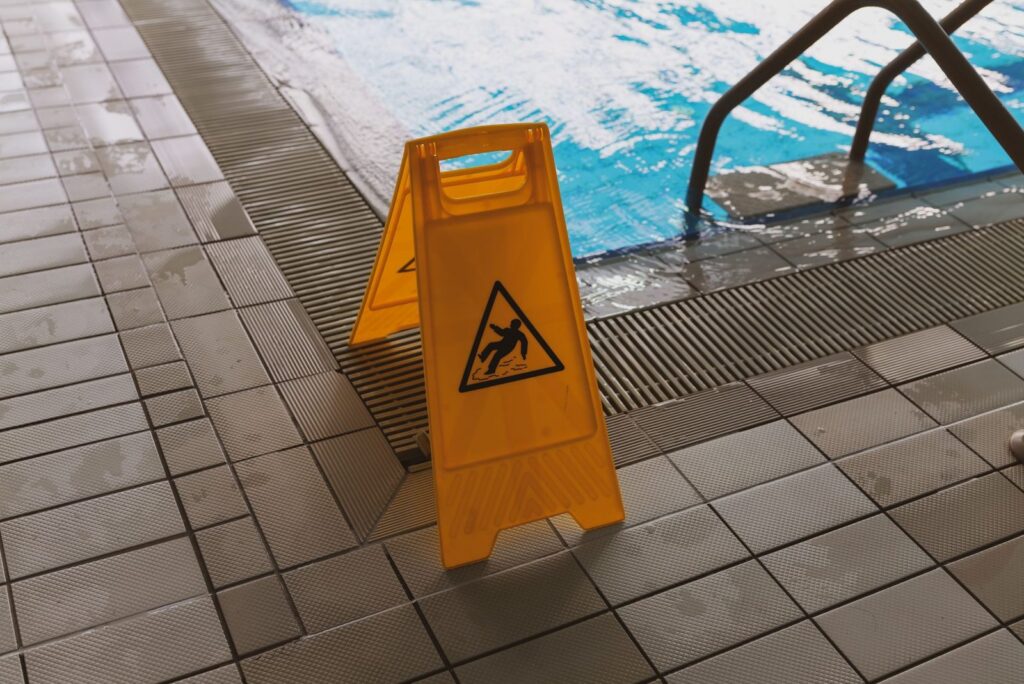
Spills, rain, or poor drainage create hazards. Property owners must clean up promptly or post warnings.
Broken stairs, ramps, or handrails
Defective or missing safety features are a direct liability. Maintenance records prove negligence.
Poor lighting
Dimly lit hallways, parking areas, or entryways hide hazards. Adequate lighting is a basic safety duty.
Uneven or damaged flooring
Cracked concrete, loose tiles, or debris create trip hazards. Owners must inspect and repair regularly.