

Negligent Security Claims – Florida & Nationwide
Hurt in an Attack on Someone Else's Property? You May Have Rights.
If you were assaulted, shot, robbed, or attacked at an apartment complex, parking lot, hotel, or business — and the owner failed to keep the place reasonably safe — you may have a claim against that property owner. We're here to explain your options.
Serious Injury Advocates You Can Trust
Licensed
Attorneys admitted to the Florida Bar
Nationwide
We take catastrophic-injury cases across the U.S.
Bilingual
English & Spanish client resources
Free
No-cost, confidential case evaluations
By CHG Lawyers · Published July 24, 2026
Hurt by a Violent Attack on Someone Else’s Property? Your Rights After an Assault, Shooting, or Attack
Were you hurt in an attack on someone else’s property? You may have a legal claim against the property owner. Not just the person who attacked you.
The owner can share the blame. This happens when they failed to keep the property reasonably safe.
This may be one of the worst times of your life. Maybe you were shot in a parking lot. Maybe someone forced their way into an apartment that should have been secure. Maybe a loved one didn’t survive.
This page explains, in plain language, what happened and what you can do next.
Not sure what your next step is?
Talk it through with our team — the first consultation is free, confidential, and carries no obligation.
You Were Attacked on Someone Else’s Property. This Was Not Your Fault.
A violent attack is never the victim’s fault. The law may give you rights beyond going after the criminal. You did nothing wrong by being somewhere you had a right to be.
Being assaulted, shot, robbed, or attacked leaves wounds that don’t show on an X-ray. The medical bills pile up. The fear lingers. Families who lose someone carry it forever. You deserve straight answers, not confusing legal talk.
At CHG Personal Injury Lawyers, we focus on serious, life-altering injuries and wrongful death. We’re based in Florida and admitted to the Florida Bar. We handle catastrophic cases nationwide.
The Attacker Is Not the Only One Who Might Be Responsible
Most people don’t realize something important. The owner of the property where an attack happened may also be responsible. This is true if they failed to keep the place reasonably safe.
Here’s the hard truth. The attacker is often never caught. Even when they are, they usually have no money and no insurance. That leaves victims feeling like there’s no path to recovery.
But another path may exist. Property owners have a legal duty to protect people who are lawfully on their property. They must take reasonable steps to do this. When they ignore known dangers, they can share the blame.
Here are signs a property wasn’t kept reasonably safe:
- Broken locks, gates, or fences that let anyone in
- Burned-out or missing lights in parking areas and stairwells
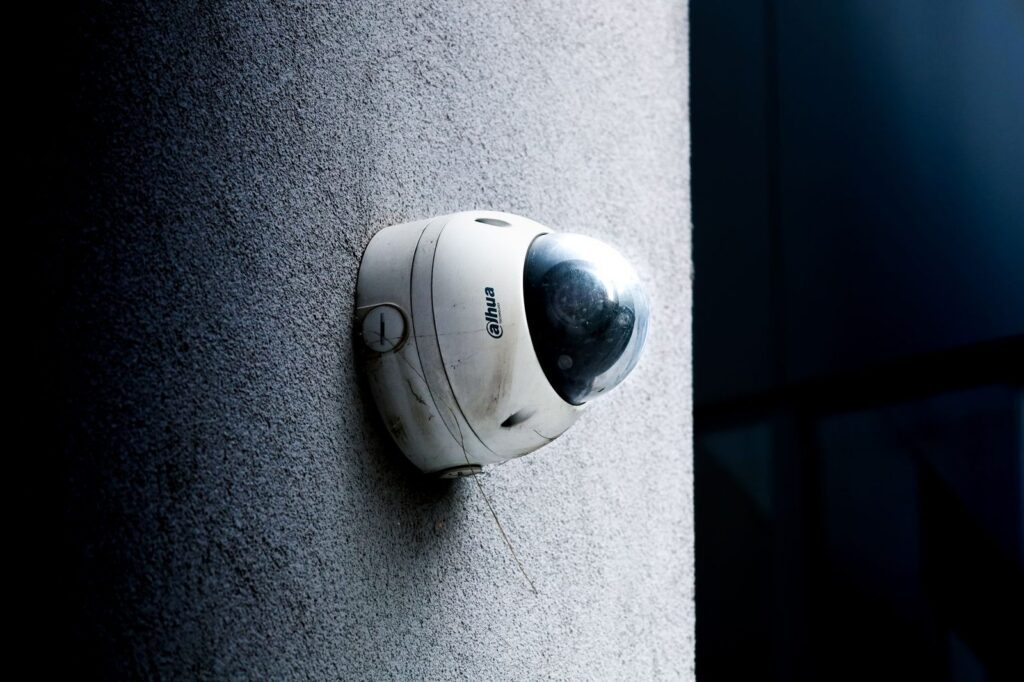
- Broken, fake, or unmonitored security cameras
- No security staff, even after a string of prior crimes
When an owner ignores problems like these and someone is hurt, the law calls it a negligent security claim. This is a type of premises liability. That simply means an owner’s legal duty to keep their property reasonably safe. Learn more in our plain-language guide to negligent security and what counts as inadequate security.
Where These Attacks Happen
These attacks happen in everyday places people trust to be safe. You may recognize your own situation below.
- Apartment complexes and rental housing. Broken gates, unlit lots, and ignored complaints put residents at risk. See our apartment complex assault guide.
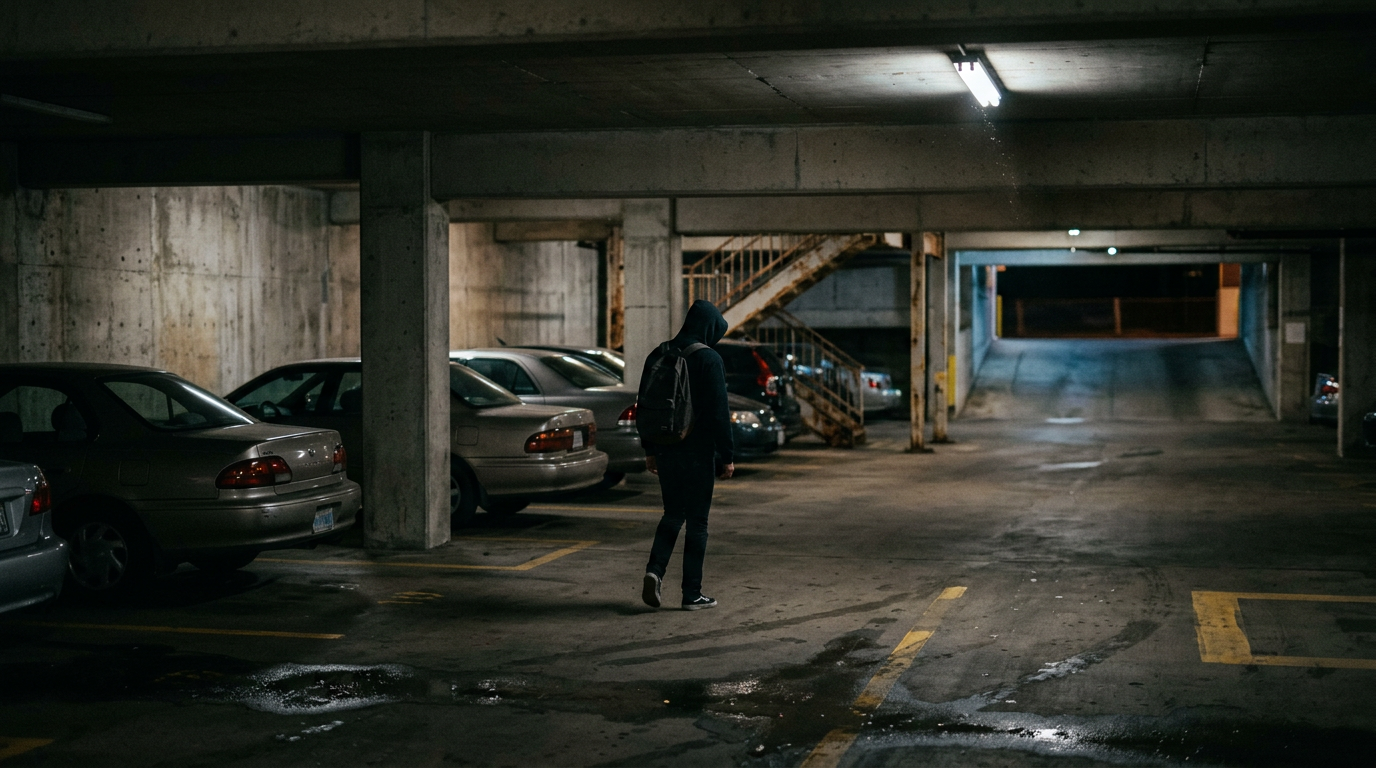
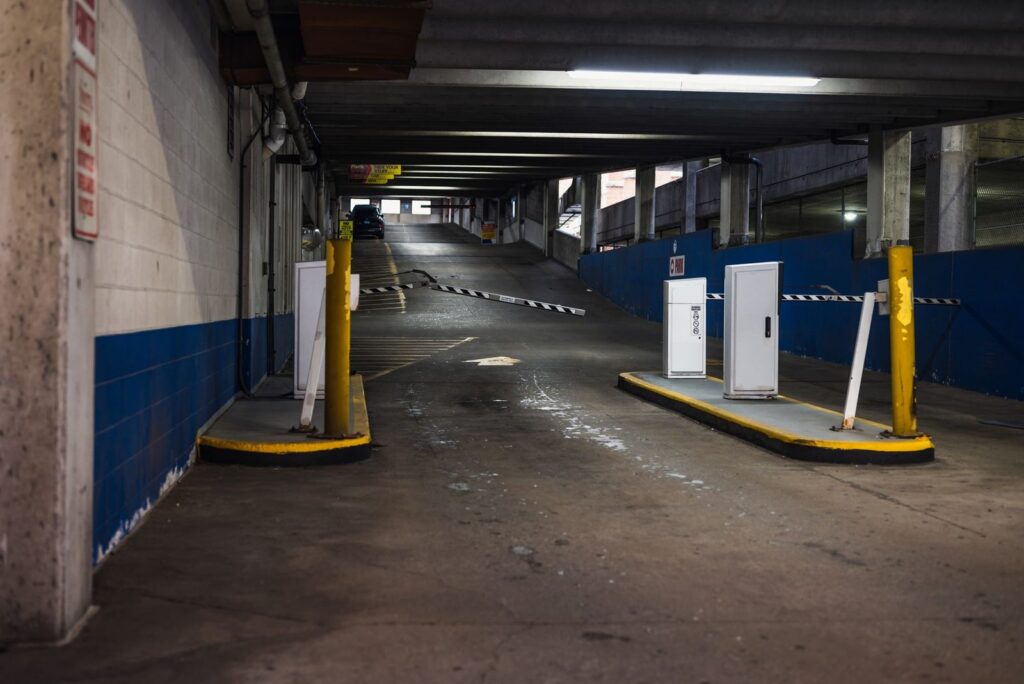
- Parking lots and garages. Dark corners and missing cameras invite robberies and shootings. See our parking lot and garage attack page.
- Hotels and motels. Guests expect secure rooms and controlled entrances. See our hotel and motel assault page.
- Bars, nightclubs, and gas stations. Crowds, alcohol, and cash draw danger. See our bar, nightclub, and gas station page.
- Stores, ATMs, and robbery scenes. Isolated ATMs and poorly watched stores are common targets. See our ATM, store, and robbery guide.
If your attack happened somewhere like this, the owner’s choices may have played a role.
The Kinds of Serious Injuries We Help With
We help people and families dealing with catastrophic, permanent injuries. These change a life forever. We don’t handle minor cuts or bruises.
The injuries we see in these cases include:
- Gunshot wounds that cause paralysis, spinal cord damage, or limb loss. A spinal cord injury can cause permanent changes in strength, sensation, and body function below the level of injury, according to the Mayo Clinic.
- Traumatic brain injuries from beatings, blunt-force blows, or gunfire.
- Severe burns and catastrophic back and neck injuries.
- Amputation and limb loss requiring lifelong care.
Doctors rate spinal cord injury severity using the ASIA Impairment Scale. It grades injuries from A (complete) to E. The Christopher & Dana Reeve Foundation estimates that roughly 5.4 million Americans live with some form of paralysis. Long-term injury data is compiled by the National Spinal Cord Injury Statistical Center at the University of Alabama at Birmingham.
Did a loved one not survive? You may be able to file a claim for their death. See wrongful death after a preventable attack. For a broader overview, read catastrophic injuries from violent attacks. Survivors of sexual assault on unsafe property can find help on our sexual assault page.
When Can You Hold a Property Owner Responsible?
You may be able to hold an owner responsible in one situation. That’s when they failed to take reasonable steps to prevent a foreseeable attack. The law does not blame owners for every crime. It only blames them for ignoring known dangers.
Two ideas matter most.
Was the crime foreseeable? In plain terms, should the owner have seen this danger coming? Maybe robberies, assaults, or shootings happened before on the property or nearby. Then the owner had warning. Ignoring that warning is a problem.
Was the security reasonable? Did the owner provide basic protections? These include working locks and gates, good lighting, working cameras, and guards where they’re truly needed. Did the owner fix known problems instead of ignoring them?
In the cases our attorneys handle, a documented history of prior crime is often key. It shows the owner knew, or should have known, that people were at risk. Learn more in can you sue a property owner after an attack and proving a property owner should have prevented an attack.
Important: even if the attacker was never caught, a claim against the property owner may still be possible. Read what happens when the attacker isn’t caught.
Have questions about what happened?
Ask our team directly. The first conversation is free, confidential, and there is no obligation to continue.
How These Claims Are Proven
These claims turn on evidence. That evidence must show the owner knew about danger and failed to act. The evidence often exists. But it can disappear fast.
Evidence that may matter includes:
- Police reports and area crime records
- The property’s own history of past incidents and complaints
- Security records, guard logs, and staffing schedules
- The condition of lighting, locks, gates, and cameras
- Statements from witnesses and other residents
Surveillance footage is often erased within days or weeks. That’s why acting early matters. An attorney can send a spoliation letter (an evidence-preservation letter). It demands the owner keep footage and records they might otherwise erase. For immediate guidance, see steps to take after being attacked on a property.
Who Pays for a Catastrophic Injury After an Attack?
Compensation usually comes from the property owner’s liability insurance or the business. It does not come from the attacker’s empty pockets. This answer gives many families hope.
Catastrophic injuries carry lifetime costs. These include surgeries, hospital stays, therapy, medical equipment, home changes, and around-the-clock care. Many survivors can never return to work.
A negligent security claim may seek payment for losses like these:
- Past and future medical care
- Lost income and reduced earning ability
- Long-term care and home modifications
- Physical pain and emotional suffering
We can’t promise any specific amount. Every case is different, and no ethical lawyer can guarantee a result. What we can do is explain how these claims work and who may be responsible. Learn more in who pays for a catastrophic injury after an attack.
Here’s one more thing about Florida. Florida uses a shared-fault rule called modified comparative negligence. This rule comes from Fla. Stat. §768.81, which was amended in 2023. Under it, a person found more than 50% at fault for their own harm generally cannot recover damages. But being the victim of a crime is not the same as being at fault. Property owners sometimes try to shift blame to victims. This is one reason having your own attorney matters.
There Is a Deadline to Take Action
There is a legal deadline to file a claim. Missing it can end your case for good. This deadline is called a statute of limitations.
In Florida, most negligence claims have a two-year deadline. This applies to claims arising on or after March 24, 2023, under Fla. Stat. §95.11. Claims that arose before that date generally followed a four-year period. Deadlines vary from state to state. So where your attack happened matters. And a few situations can shorten or change the clock. You can read the official law through Florida’s Online Sunshine.
Please don’t wait. Evidence fades, footage vanishes, and witnesses move on. Only a licensed attorney who reviews your specific facts can confirm the exact deadline in your case. See the deadline to file an attack injury claim in Florida.
What It Costs to Talk to a Lawyer
Talking to us costs nothing. And you pay no attorney fee unless we recover money for you. A case evaluation is always free and confidential.
We work on a contingency fee. This means our fee comes out of a recovery, not your pocket up front. If there is no recovery, you owe no attorney fee. This removes the money barrier for families already stretched thin by medical bills.
Learn more about the cost to hire a negligent security lawyer.
Help Where You Are
We’re a Florida-based firm, admitted to the Florida Bar. We handle catastrophic injury cases nationwide. Wherever you were hurt, we may be able to help.
Start with our Florida negligent security page or our Florida hub. We also serve clients in Miami, Orlando, Tampa, and Jacksonville.
Talk to a Lawyer About What Happened — Free and Confidential
Reaching out after an attack is hard. You may feel scared, angry, or unsure. That’s normal. And you don’t have to sort this out alone.
Were you hurt in an attack on someone else’s property? Did you lose someone you love? We’re ready to listen. Your case evaluation is free and confidential. You pay no attorney fee unless we recover for you.
Request your free, confidential case evaluation now.
Want to know where you stand?
Tell us what happened and our team will walk you through the options available to you, at no cost.
Frequently Asked Questions
Can I sue the property owner if I was attacked on their property?
You may be able to. This is true if the owner failed to provide reasonable security and that failure helped cause your attack. A free case review can tell you where you stand.
Can I still have a claim if the attacker was never caught?
Yes. A claim against the property owner may still be possible. This is true even if the attacker is never identified or arrested.
Who pays for my medical bills after being attacked on someone else’s property?
Compensation often comes from the property owner’s liability insurance or the business, not the attacker. This applies when the owner failed to keep the property reasonably safe.
What is negligent security?
Negligent security is a type of premises liability claim. It applies when a property owner fails to take reasonable steps to prevent a foreseeable attack.
How long do I have to file a claim after an attack in Florida?
For claims arising on or after March 24, 2023, Florida’s deadline is generally two years under Fla. Stat. §95.11. Deadlines vary by state. So ask a licensed attorney about your specific situation.
Can my family file a claim if a loved one died in a preventable attack?
Yes. Families may be able to file a wrongful death claim. This is true when a property owner’s failure to provide reasonable security contributed to a fatal attack.
Evidence Can Disappear Fast
Security camera footage is often erased within days, and incident reports and witness memories fade quickly. If you or a loved one was seriously hurt in an attack on someone else's property, reaching out early can help preserve what matters to your case.
Where These Attacks Happen
Apartment Complexes
Broken gates, failing locks, dark walkways, or no security where tenants and guests were attacked.
Parking Lots & Garages
Poorly lit or unmonitored lots and garages where robberies, shootings, or assaults occurred.
Hotels, Bars & Nightclubs
Venues that ignored known danger or failed to provide adequate staff or guards.
Stores, Gas Stations & ATMs
Businesses that failed to address obvious safety risks in high-crime areas.
What a Property Owner May Owe You
Reasonable Security
Owners are generally expected to take reasonable steps to protect people on their property — working locks and gates, lighting, cameras, or guards when the risk calls for it.
The Legal Term
When an owner fails to provide that reasonable security and someone is harmed, the law calls it a negligent security claim — a type of premises liability case against the property owner.
A Claim Even If No Arrest
You may still have a claim against the property owner even if the attacker was never caught. The focus is on whether the property was kept reasonably safe.
Support for Serious Injuries
We focus on life-altering harm — traumatic brain injuries, paralysis, amputations, severe burns, and catastrophic back and neck injuries — including wrongful death.