

Negligent Security • Tampa, FL
Attacked on Someone Else's Property in Tampa? You May Have a Claim.
If you or a loved one was assaulted, shot, or seriously hurt at an apartment complex, parking garage, hotel, or business that failed to keep you safe, the property owner may be responsible. We help Tampa families understand their options.
Why Families Turn to CHG
Licensed
Florida Bar-admitted attorneys
Nationwide
Catastrophic injury cases accepted
Bilingual
English & Spanish support
Free
Confidential case evaluations
By CHG Lawyers · Published July 26, 2026
Tampa Negligent Security: Holding Property Owners Accountable After a Violent Attack
Tampa Bay knows how to show up for its own. Just look at how the whole city rallies around the Bucs and the Lightning. But when you or someone you love is attacked on an unsafe property, you can feel very alone. This page is here to change that.
If you're in another part of the state, we also help clients in Jacksonville , Orlando , and Miami. Talk it through with our team — the first consultation is free, confidential, and carries no obligation.
If You Were Attacked on Someone Else’s Property in Tampa
Were you or a loved one shot, stabbed, beaten, robbed, or sexually assaulted on someone else’s property in Tampa? You may be able to hold the property owner responsible. Not just the attacker. This is true even if the person who hurt you is never caught.
We know this is one of the worst things a family can face. Maybe it happened at an apartment complex, a parking garage, a hotel, a bar in Ybor City, or a gas station. The shock and grief feel crushing. You may not even know that the owner had a legal duty to protect you.
Here’s the key point. A property owner has a duty to keep people safe. When an owner ignores that duty, and a preventable attack causes serious harm, Florida law may let you file a claim against that owner.
Our attorneys focus on serious, life-changing injuries and wrongful death. We serve Tampa and take cases nationwide, in both English and Spanish.
Request your free, confidential case evaluation.
What Is Negligent Security? (The Legal Term for What Happened to You)
Now you know your situation. Here’s the legal term for it. It’s called “negligent security.”
You may have a negligent security claim when a property owner fails to protect you from a violent crime they should have seen coming. (Lawyers call this a “premises liability” claim. That just means a claim about an unsafe property.)
Property owners and managers must take reasonable steps to keep people safe. That means guarding against violent crime they could expect. When they don’t, and someone gets hurt, the law calls it “negligent security.”
Reasonable security often includes basic, common-sense steps:
- Working locks, gates, and fences
- Good lighting in lots, garages, and walkways
- Working security cameras
- Security guards where the risk calls for them
One thing confuses many victims, so let’s clear it up. The criminal case against your attacker is separate from your civil claim against the property owner.
The criminal case can send the attacker to jail. Your civil claim seeks money to help you recover and rebuild. You can file the civil claim even if there’s no arrest.
You can learn more on our negligent security resource page and our guide to the four types of negligence.
Where Negligent Security Attacks Happen in Tampa
These attacks in Tampa most often happen where people gather and security gets overlooked. These are everyday places. That’s what makes them so painful.
We see serious-injury cases from:
- Apartment complexes and gated communities with broken gates or locks
- Downtown and Ybor City nightlife spots
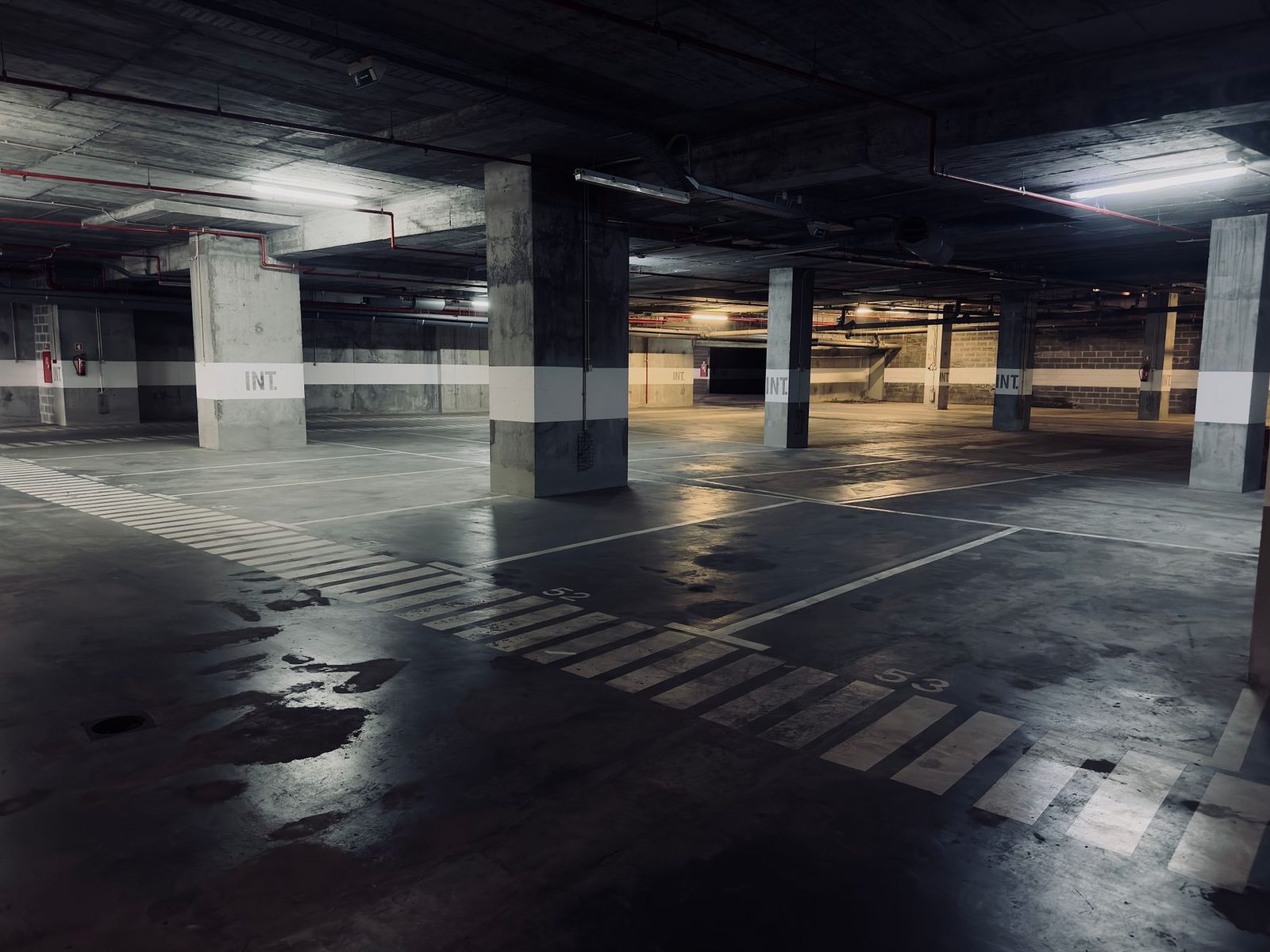
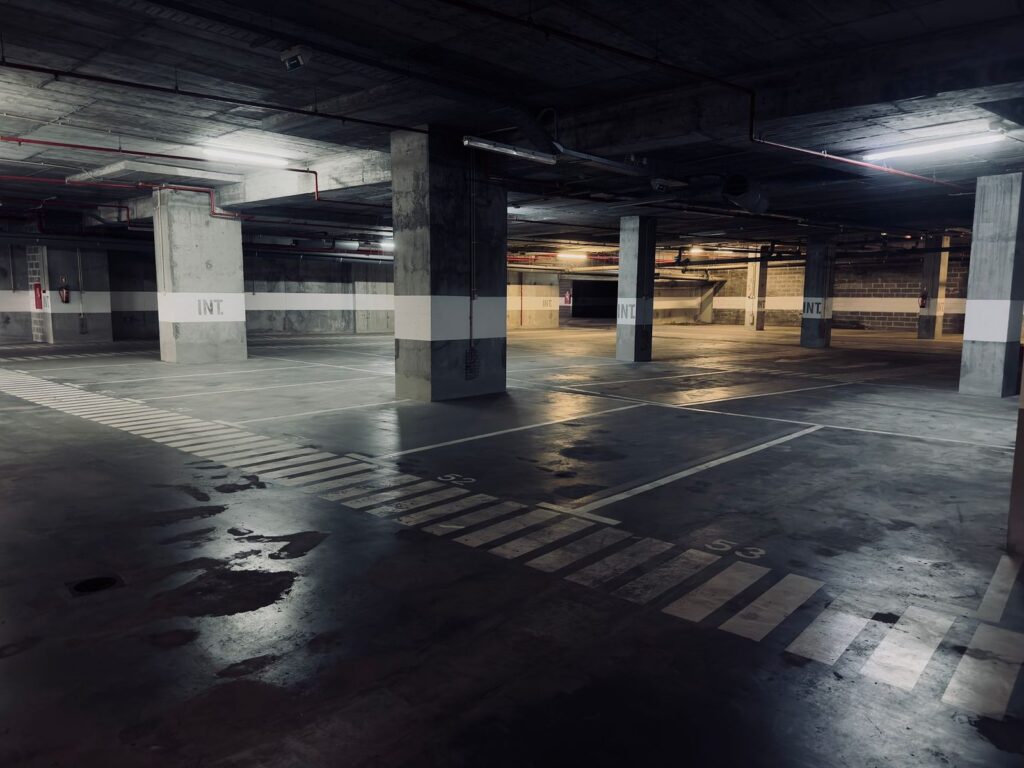
- Parking garages and surface lots
- Hotels and motels near the I-4 and I-275 corridors
- Gas stations, convenience stores, and ATMs
A big question in these cases is whether the attack was foreseeable. That means something the owner should have seen coming. Past crime on the property can make an attack foreseeable. So can a nearby pattern of violence, poor lighting, or a history of complaints. Public crime and safety data for a location can matter, too.
We handle this information with care. Behind every statistic is a real person and a real family. Our focus stays on serious, permanent harm. Not minor scrapes or scares.
Catastrophic Injuries We Handle in Tampa Negligent Security Cases
Our attorneys focus on the most serious, permanent injuries that violent attacks cause. These injuries change lives. They are not routine.
Spinal cord injuries and paralysis. A gunshot or stabbing can damage the spinal cord and cause paralysis. This may be paraplegia or quadriplegia. According to the Mayo Clinic, a spinal cord injury can cause permanent loss of strength and feeling below the injury. Doctors rate these injuries using the ASIA Impairment Scale. The Christopher & Dana Reeve Foundation tracks how many Americans live with paralysis. The National Spinal Cord Injury Statistical Center reports national data on these injuries.
Traumatic brain injury (TBI). This is lasting damage to the brain. A severe beating, a blunt blow, or a fall during an attack can cause it. TBI can change memory, mood, and daily life.
Amputation and limb loss. Some attacks lead to the loss of a limb, or the permanent loss of its use.
Severe burns. Arson and other violent acts can cause deep, disfiguring burns that need years of care.
Catastrophic back and neck injuries that leave a person permanently impaired.
Wrongful death. A death is the most catastrophic outcome of all. When a family loses a loved one in an attack, surviving family members may file a wrongful-death claim. We focus on the family left behind and what they can do next.
Florida Negligent Security Law: When a Property Owner Can Be Held Responsible
A property owner may be held responsible when three things are true. They owed you a duty of care. They failed to provide reasonable security. And that failure let a foreseeable attack seriously harm you. Every case depends on its own facts.
To file a claim, these pieces generally need to line up:
- The owner owed you a duty to take reasonable care for your safety.
- The owner failed to provide reasonable security.
- That failure made the attack foreseeable and preventable.
- The attack caused serious harm.
Your legal status on the property matters. Most victims are “invitees.” These are people welcome on the property to do business, like tenants, hotel guests, or shoppers. Invitees are generally owed a high level of care.
Florida also uses a modified comparative-negligence rule. This means fault can be shared. Under Fla. Stat. §768.81, your award can be reduced by your share of the fault. And if you’re found more than 50% at fault, you generally recover nothing. You can read a plain-language overview on our page about Florida’s negligent security law.
Not sure what your next step is?
Talk it through with our team — the first consultation is free, confidential, and carries no obligation.
How Long You Have to File: Florida’s Statute of Limitations
Florida sets a firm deadline to file a negligence claim. Lawmakers made it shorter in recent years. For most negligence cases that arise on or after March 24, 2023, the deadline is two years, under Fla. Stat. §95.11.
Please don’t wait to get advice. Evidence disappears fast in these cases. Camera footage often gets recorded over within days or weeks. Lighting logs, repair records, and past-incident reports can vanish.
Deadlines can change depending on the facts. Talk with a licensed attorney to confirm the exact deadline that applies to you. Acting early protects both the evidence and your rights.
Damages and Compensation in a Tampa Negligent Security Claim
Compensation in these claims can cover both money losses and human losses. Every case is different. No lawyer can promise a specific result.
Economic damages may include:
- Emergency and ongoing medical bills
- Future care, surgeries, and rehab
- Lost income and lost earning ability
- Home and vehicle changes needed for a permanent disability
Non-economic damages may include:
- Pain and suffering
- Disfigurement and scarring
- Loss of enjoyment of life
In wrongful-death cases, surviving family members may recover for losses like lost support and companionship. The value of any claim depends on the specific facts. Under Florida’s shared-fault rule in Fla. Stat. §768.81, the amount can also be affected by shared fault.
What to Do After an Attack on Someone Else’s Property
The most important step is to get medical care. Then protect the evidence before it disappears. Here’s a simple checklist.
- Get medical care and keep following up. Your health comes first.
- Save evidence if you safely can. Take photos of the scene, the lighting, and any broken gates or locks.
- Get names of witnesses and the police report number.
- Write down the property name, business name, and management company.
- Call a licensed attorney quickly. We can send legal requests for camera footage and records before they’re gone.
It’s possible, but exhausting and risky. You don’t have to do it by yourself.
Why Families in Tampa Bay Turn to CHG Personal Injury Lawyers
Families choose us because we focus on catastrophic-injury and negligent security cases. We treat every client with dignity. Our attorneys are admitted to the Florida Bar.
We know how to investigate property owners, management companies, and their insurers. We dig for the records that show whether an attack was foreseeable. In the catastrophic-injury cases our attorneys handle, that investigation often makes the difference.
We offer bilingual (English/Spanish) support. We take cases nationwide from our Florida roots. Our guidance is plain-language and empathetic. Your first case review is free, with no obligation. If you’re in another part of the state, we also help clients in Jacksonville, Orlando, and Miami.
Have questions about what happened?
Ask our team directly. The first conversation is free, confidential, and there is no obligation to continue.
Free, Confidential Case Evaluation
There is no cost to have your case reviewed. There is no pressure to move forward. You’ll simply speak with someone who listens and explains your options in plain language.
Did a violent attack on someone else’s property leave you or a loved one seriously hurt in Tampa? Reach out today. We’re happy to help in English or Spanish, by phone or online.
Start your free case evaluation now.
Frequently Asked Questions
Can I sue a property owner if I was attacked at a Tampa apartment complex?
Yes, you may have a negligent security claim. This applies if the owner failed to provide reasonable security, and that failure let a foreseeable attack seriously hurt you.
What is the difference between the criminal case and a negligent security claim?
The criminal case punishes the attacker. A negligent security claim is a civil case that seeks money from the property owner. You can file the civil claim even if no one is arrested.
How long do I have to file a negligent security lawsuit in Florida?
For most negligence claims arising on or after March 24, 2023, the deadline is generally two years under Fla. Stat. §95.11. Confirm your exact deadline with an attorney.
Can my family file a wrongful-death claim after a fatal attack?
Yes. If a loved one died in an attack a property owner could have prevented, surviving family members may be able to file a wrongful-death claim.
Evidence Disappears Fast
Security-camera footage is often erased within days, and repairs to broken locks, gates, or lighting can quietly hide what went wrong. The sooner an attorney can act to preserve this evidence, the better your family's position may be.
When a Property Owner May Be Responsible
Broken or Missing Security
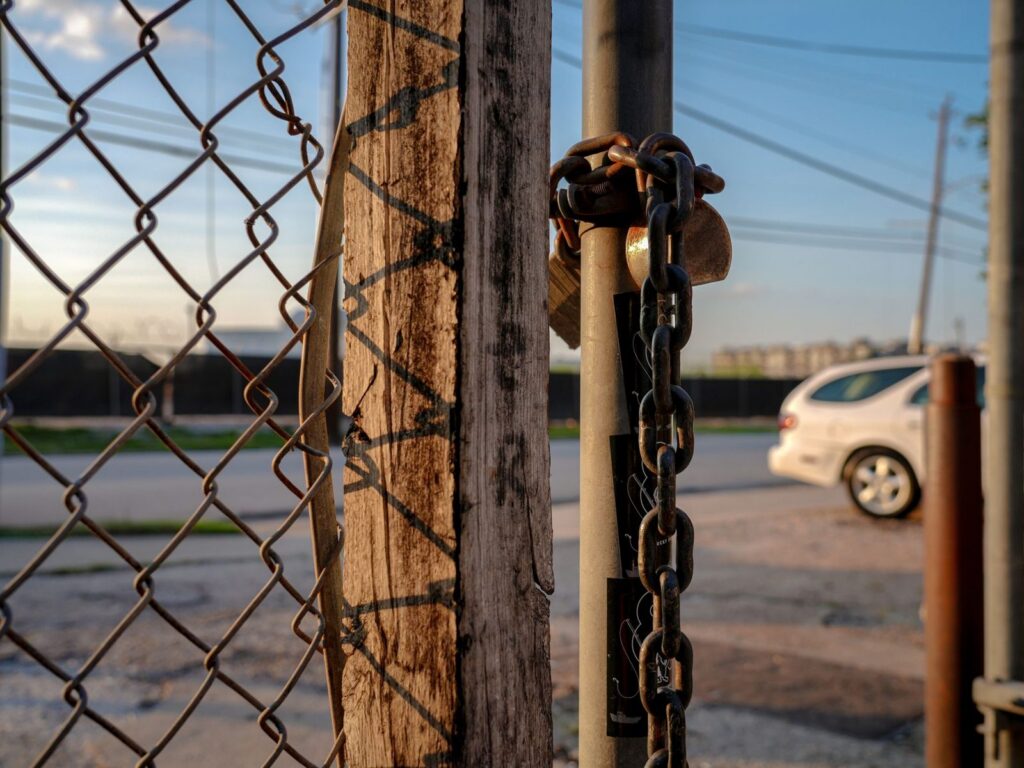
Gates that won't lock, dead cameras, burned-out lights, or no guards where they were clearly needed can point to a property owner's failure to protect visitors and residents.
A Foreseeable Danger
If prior crimes, complaints, or the location made an attack predictable, the law may expect the owner to have taken reasonable steps to prevent it.
A Serious, Life-Altering Injury
We focus on catastrophic harm—gunshot wounds, brain injuries, paralysis, and wrongful death—and the lasting impact on victims and the families left behind.
Claims Beyond the Attacker
Even when a criminal is caught, a separate civil claim against the property owner may help your family pursue accountability and recovery.
Where These Attacks Happen
Apartment Complexes
Assaults and shootings that occur when broken gates, non-working locks, or missing lighting leave residents and guests exposed.
Parking Lots & Garages
Robberies and attacks in poorly lit, unmonitored, or unpatrolled parking areas connected to businesses and buildings.
Hotels, Motels & Businesses
Violent incidents at properties that failed to provide reasonable security for the people they invited in.
Gas Stations, Stores & ATMs
Attacks at high-risk locations where owners overlooked known dangers and reasonable safety measures.