

Negligent Security · Florida
Hurt in an Attack on Someone Else's Property? Florida Law May Hold the Owner Responsible.
If you were assaulted, shot, robbed, or attacked at an apartment complex, parking garage, hotel, or business that failed to keep you safe, you may have a claim. Here is how Florida's negligent security rules actually work.
By CHG Lawyers · Published August 08, 2026
What Is the Negligent Security Law in Florida? A Plain-Language Guide
Were you or someone you love attacked on someone else’s property? Did it leave you with an injury that changed your life? You may be able to hold the property owner responsible. You may also hold the person who hurt you responsible. Lawyers call this idea negligent security. This guide starts with your situation, not the legal words.
You do not need to know any legal terms to read this page. Maybe you were assaulted, shot, robbed, or sexually assaulted. Maybe it happened at an apartment complex, a parking garage, a hotel, a bar, a gas station, or a store. If poor security helped make that attack possible, you may have a claim against the property owner.
This page is educational information, not legal advice. Reading it does not make us your lawyers. When you are ready, a free case evaluation is available.
Not sure what your next step is?
Talk it through with our team — the first consultation is free, confidential, and carries no obligation.
If you were attacked on someone else’s property, you may have a claim
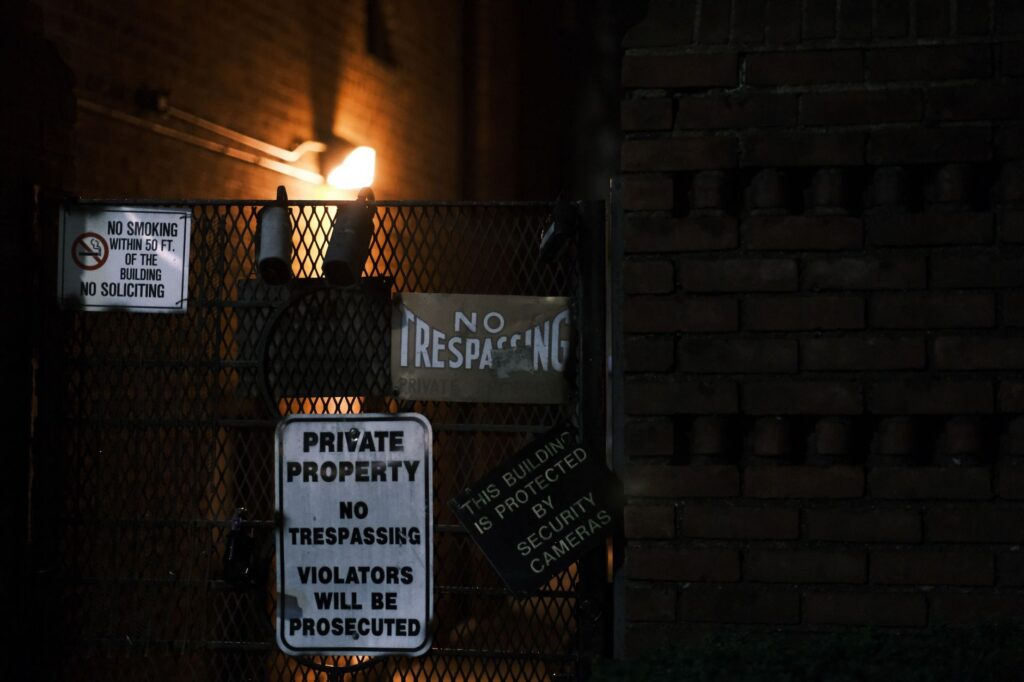
Picture a dark apartment parking lot. The gate has been broken for months. Or a hotel room with a door lock that never worked. Or a store in a high-robbery area with a camera that records nothing. When an owner ignores dangers like these, and someone is seriously hurt, Florida law can hold that owner responsible.
Here is the part most people find surprising. The person who attacked you broke the law. That person is responsible for the crime. But the property owner may also share the blame. That is because the owner failed to keep the place reasonably safe. Lawyers call that second kind of responsibility negligent security.
Our attorneys handle only catastrophic-injury cases. Negligent-security attacks are rarely minor. They leave people with gunshot wounds, traumatic brain injury, paralysis, and, in the worst cases, death. This connection matters. Negligent security is not just an abstract “property” issue. It is the legal path a family walks after a shooting puts someone in a wheelchair. It is the path a family walks after an attack in a stairwell ends a life.
What the negligent security law in Florida actually means
Negligent security is a type of premises liability. That is a property owner’s legal duty to keep people on the property reasonably safe. A negligent security claim says the owner failed to protect visitors from crime that could have been predicted.
There is no single Florida law titled the “negligent security law.” The rules come from two places. First, premises-liability duties built up over decades in Florida court decisions. Second, specific laws the Legislature has passed. This area of law is about serious, permanent harm — not minor injuries.
The duty property owners owe visitors in Florida
Florida law asks property owners to keep their property reasonably safe. It also asks them to warn of known dangers. How strong that duty is depends on why you were there.
Some people are invited onto a property for business or to live there. This includes tenants, hotel guests, and store customers. Florida law calls them invitees (lawful visitors). They get the strongest protection. Owners must fix or warn about dangers they know about, or reasonably should know about.
A key question in every case is foreseeability. In plain terms, could the attack have been predicted? Did similar crimes happen before at or near the property? If so, a later attack may have been foreseeable. Reasonable security may then have been required. That can mean working locks and gates, good lighting, working cameras, and sometimes security guards.
What you must prove in a Florida negligent security claim
To recover money, you generally must prove four things:
- Duty — the owner owed you a duty to keep the property reasonably safe.
- Breach — the owner failed to provide reasonable security.
- Causation — that failure helped cause your injury.
- Damages — you suffered real, serious harm.
Foreseeability evidence often decides the case. This includes past crimes at the property. It includes tenant complaints that were ignored. It includes a broken gate or dead camera the owner never fixed. The stronger the pattern of past crime, the stronger the argument that the owner should have acted.
The damages in these cases are catastrophic by definition. They involve permanent, life-changing injuries or the loss of a loved one.
Florida’s 2023 tort reform: what §768.0706 actually says
In 2023, Florida passed Fla. Stat. §768.0706. This law changed how negligent security claims work against apartment complexes and other multifamily residential properties (buildings with five or more units).
Two changes matter most to victims:
1. A “presumption against liability” for owners who meet a security checklist. Some owners closely follow a specific list of security measures. Those owners get a rebuttable presumption against liability for a third party’s crime. In plain terms, the owner is presumed not at fault. But that presumption can be challenged with evidence.
The law lists those security measures. They include:
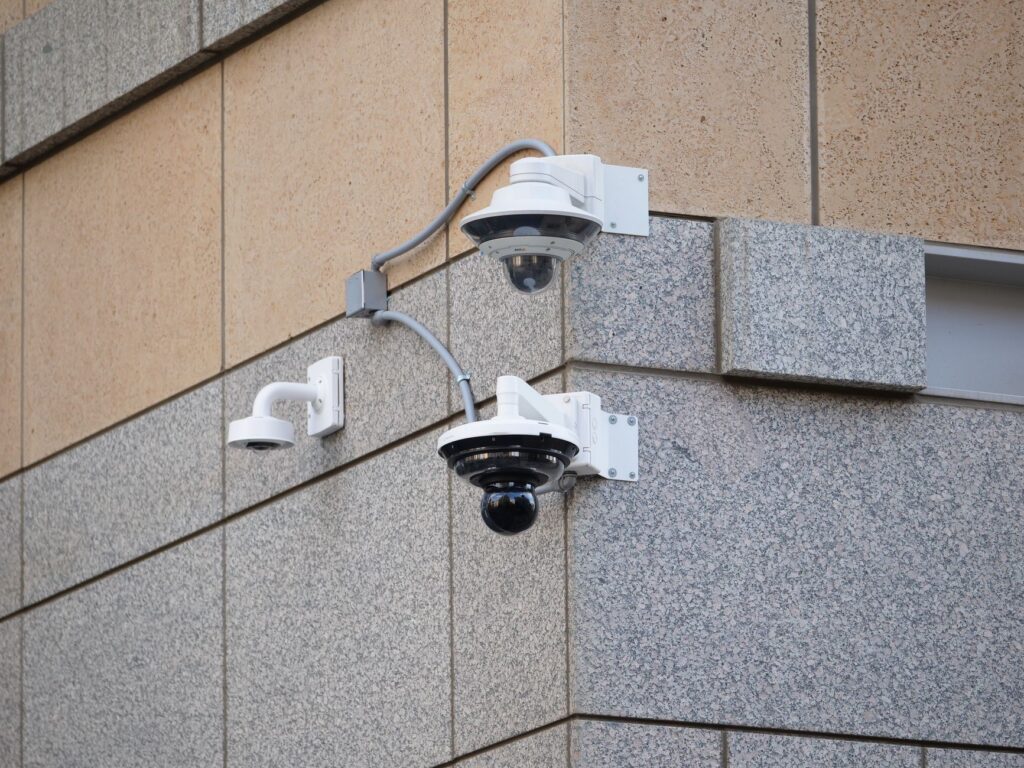
- security cameras at entrances and exits that record and keep footage for at least 30 days;
- lighting in parking lots, walkways, and common areas;
- a locked gate system for people and vehicles;
- deadbolts and window locks on each unit;
- a peephole on each dwelling door;
- and a documented crime-prevention check done within the law’s timeframe.
Owners must also give employees proper crime-deterrence and safety training.
Important: this is a presumption, not immunity. It can be overcome. And it applies only to multifamily housing — not to hotels, bars, stores, parking garages, or other properties.
2. Fault can be shared with the criminal. The 2023 reforms let a court place part of the fault on the person who committed the crime. This can reduce the property owner’s share. Florida also follows modified comparative negligence under Fla. Stat. §768.81. This means a person found more than 50% at fault generally recovers nothing.
The honest bottom line: the law raised the bar, but it did not close the door. Victims may still have strong claims. This is especially true when an owner ignored obvious dangers. It is also true when an owner never came close to meeting the checklist. Whether these rules help or hurt a case depends on the facts. An attorney can walk you through how they apply to yours.
Have questions about what happened?
Ask our team directly. The first conversation is free, confidential, and there is no obligation to continue.
Where negligent security injuries commonly happen
These attacks tend to happen where owners control who gets in and how safe the space is:
- Apartment complexes and residential communities — broken gates, unlit walkways, or no security after past crime.
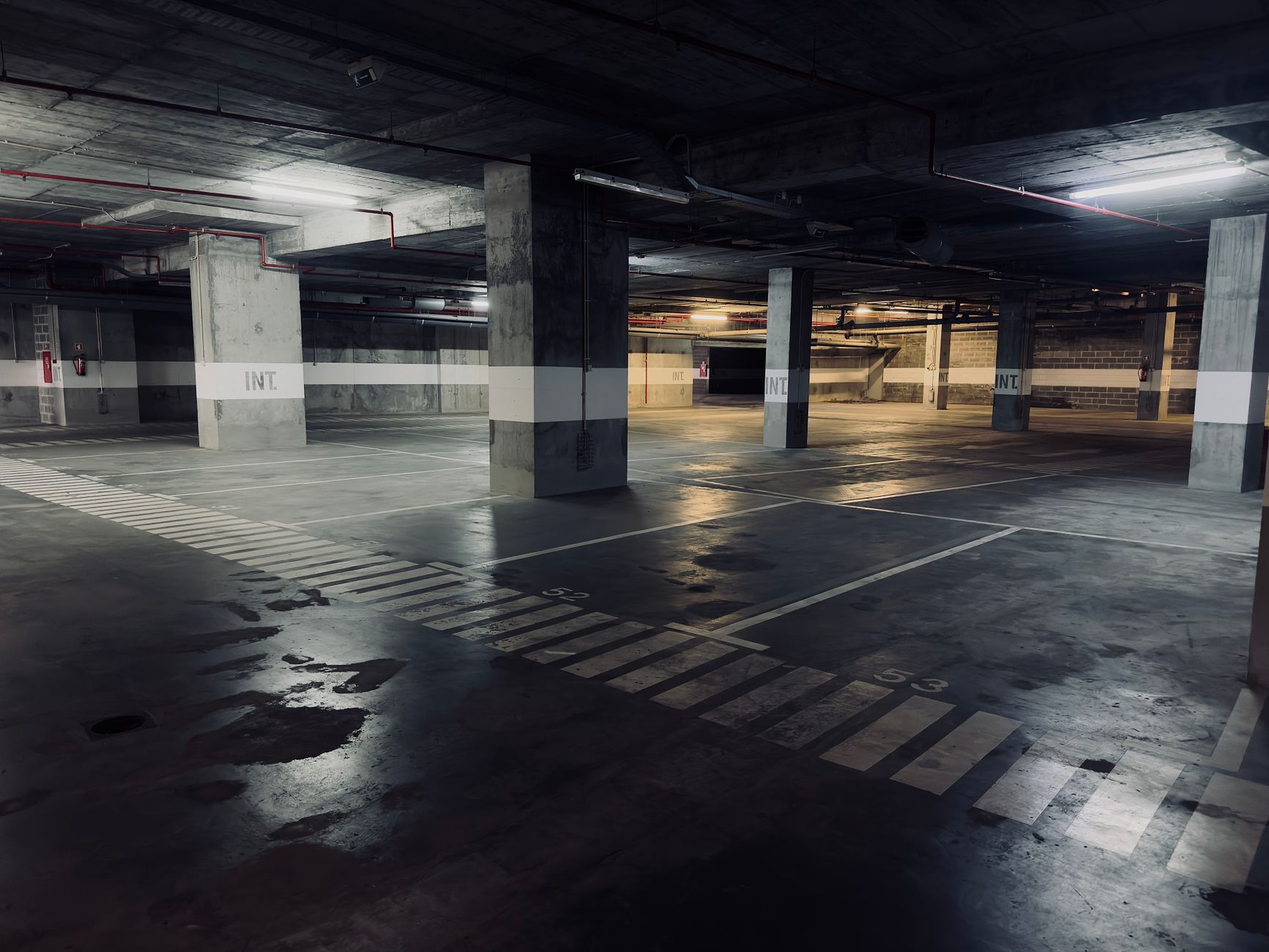
- Parking lots and garages — poor lighting, no cameras, and no patrols in isolated areas.
- Hotels and motels — broken door locks, unwatched entrances, or no staff response.
- Bars, nightclubs, and businesses — no crowd control or trained security during known trouble.
- Gas stations, ATMs, and convenience stores — dark corners and broken cameras in high-crime areas.
Does any of this describe where you were hurt? If so, the owner’s security choices deserve a close look.
Can you sue if you were injured by a criminal act?
Yes. You can bring a civil claim against a property owner even when someone else committed the crime. Families ask us this most, so let’s answer it directly.
A criminal case and a civil claim run on two separate tracks. In the criminal case, the state prosecutes the attacker. Your civil claim is different. It holds the property owner responsible for failing to keep you reasonably safe. The two can move forward on their own. And you do not need the attacker to be caught or convicted to bring a civil claim against the property owner.
When an attack is fatal: what a wrongful-death claim is, and who can bring it
Sometimes an attack takes a life. A death is the most catastrophic outcome there is. Families deserve straight answers — not silence.
When someone dies because of another party’s negligence, Florida’s Wrongful Death Act governs the claim. See Fla. Stat. §§768.16–768.26. Under the Act, the personal representative of the deceased person’s estate files the claim. But it is brought for the surviving family. That can include a spouse, children, and parents. In some cases, it can include other blood relatives who depended on the person who died.
Recoverable damages may include the family’s lost support and services. They may also include loss of companionship and guidance. They may include the mental pain and suffering of certain survivors. They can also include the estate’s medical and funeral costs.
No claim replaces the person you lost. Still, it can help a grieving family find answers. It can hold a careless property owner accountable. Meanwhile, an attorney handles the legal steps so your family can focus on healing.
Time limits and why acting early matters
Florida sets a deadline for filing injury and wrongful-death claims. This deadline is called a statute of limitations. If you miss it, the claim is usually barred forever.
Some general negligence claims began (or “accrued”) on or after March 24, 2023. For those, the deadline is generally two years under Fla. Stat. §95.11. That is shorter than the old four-year period. Older claims and wrongful-death claims may follow different rules. Deadlines vary, so do not rely on this general summary for your own situation. Confirm it with an attorney.
Acting early also protects evidence. Surveillance footage, incident reports, and repair logs disappear fast. Some camera systems record over older footage within days. An attorney can send preservation demands quickly. They can also confirm the exact deadline that applies to you.
Want to know where you stand?
Tell us what happened and our team will walk you through the options available to you, at no cost.
How a negligent security attorney can help
Investigation makes or breaks these cases. An attorney can pull the property’s crime history and police call records. They can request incident and repair logs. They can subpoena surveillance footage before it is erased. And they can judge whether the owner met — or fell far short of — reasonable and legal security standards.
CHG Personal Injury Lawyers is a firm of licensed attorneys admitted to practice before The Florida Bar. We take catastrophic cases from Miami, Orlando, Tampa, and Jacksonville, across Florida, and nationwide. We serve English- and Spanish-speaking families. If you’d like your situation reviewed, you can request a free, confidential case evaluation.
Frequently asked questions
Is there a specific “negligent security law” in Florida?
No single law carries that title. The rules come from premises-liability court decisions plus laws such as Fla. Stat. §768.0706.
Did the 2023 law end negligent security claims against apartments?
No. It created a rebuttable presumption against liability for apartment owners who closely meet a security checklist. The owner is presumed not at fault. But that presumption can be overcome with evidence, and claims remain possible.
Does the attacker have to be identified or convicted for me to have a claim?
No. You can bring a civil claim against the property owner even if the attacker is never caught or convicted.
Who can file a wrongful-death claim after a fatal attack?
The personal representative of the deceased person’s estate files the claim. It is brought for surviving family members such as a spouse, children, and parents under Florida’s Wrongful Death Act.
What kinds of injuries lead to negligent security claims?
These claims involve catastrophic, life-altering harm: gunshot wounds, traumatic brain injury, paralysis, severe burns, and fatal attacks.
Learn more and get help
You can also explore related topics like catastrophic injury claims and spinal cord injuries.
Were you or someone you love seriously hurt in an attack on someone else’s property? We’re here to listen. Reach out for a free, confidential case evaluation today.
The 2023 Law Did Not End These Claims
Florida's 2023 statute created a rebuttable presumption against liability for apartment owners who closely follow certain security measures — but it did not eliminate negligent security claims. Property owners can still be held accountable. Don't assume you have no case before an attorney reviews the facts.
Where These Attacks Happen
Apartments & Complexes
Broken gates, failed locks, missing lighting, or no working cameras can leave residents and guests exposed to violent crime the property should have prevented.
Parking Lots & Garages
Dark, unmonitored, or unsecured parking areas are common sites for assaults, robberies, and shootings — especially where prior crime was a known risk.
Hotels, Motels & Businesses
Guests and customers at hotels, bars, nightclubs, gas stations, stores, and ATMs are owed reasonable security when foreseeable danger exists.
What a Negligent Security Claim Looks At
Foreseeability
Was violent crime reasonably foreseeable — for example, because similar incidents had happened at or near the property before?
Reasonable Measures
Did the owner provide reasonable security such as working locks and gates, adequate lighting, cameras, or guards for the risk involved?
The Statute
Fla. Stat. §768.0706 and premises-liability court decisions shape how these claims are evaluated — there is no single law titled 'negligent security law.'
Catastrophic Harm
We focus on the most serious outcomes: gunshot and stabbing injuries, brain trauma, paralysis, and wrongful death suffered because a property failed to keep people safe.
Why Families Turn to CHG
Free
Case evaluations
FL Bar
Licensed attorneys
Nationwide
Cases accepted
EN / ES
Bilingual support