

Negligent Security · Florida
Attacked on Someone Else's Property? The Owner May Be Responsible
If you were assaulted, shot, robbed, or attacked at an apartment complex, parking garage, hotel, or business that failed to keep you safe, you may have a claim against the property owner. Talk with our Florida attorneys in a free, confidential case evaluation.
Serious Injury Advocates You Can Trust
Nationwide
Cases accepted across the U.S.
Bilingual
English & Spanish support
Licensed
Florida Bar–admitted attorneys
Free
Confidential case evaluations
By CHG Lawyers · Published July 26, 2026
Negligent Security in Florida: When a Property Owner Failed to Keep You Safe
Were you attacked on someone else’s property in Florida? The owner may share legal blame for your injuries. This is true even though a criminal did the act. If poor security helped make a foreseeable crime possible, you may have a claim against the property owner or manager.
Florida sees millions of visitors every year. Maybe you’re catching a game at Hard Rock Stadium. Maybe you’re parking near the beach. Maybe you’re heading home to your apartment. You shouldn’t have to fear being shot, stabbed, or assaulted. Yet that fear becomes real when an owner ignores broken gates and dark parking lots.
But it happens. When it leaves someone with a life-altering injury, the family deserves real answers.
This page explains, in plain language, when a Florida property owner can be held responsible. It also explains what you can do next.

Not sure what your next step is?
Talk it through with our team — the first consultation is free, confidential, and carries no obligation.
If You Were Attacked on Someone Else’s Property in Florida
You may have a legal claim if a violent crime hurt you badly on property someone else owned or ran. This includes a shooting, an assault, a robbery, a stabbing, or a sexual assault.
These attacks often happen at:
- Apartment complexes and gated communities
- Parking lots and parking garages
- Hotels and motels
- Bars and nightclubs
- Gas stations and convenience stores
- ATMs and retail stores
We know this is a painful time. A violent attack can change your body, your mind, and your family’s life in an instant. You may face surgeries, therapy, and bills that never seem to stop. You don’t need to know any legal terms to understand your options. You just need clear, honest guidance.
Here’s the key point. A criminal caused the attack. But the property owner may also share blame. If the owner skipped basic safety steps, the law may hold them accountable too.
What “Negligent Security” Means (in Plain Language)
This type of claim is called negligent security. It’s a form of premises liability. That means a property owner’s legal duty to keep people reasonably safe. Now that you know the situation, the term is easier to understand.
Property owners in Florida must take reasonable steps to protect visitors from foreseeable violent crime. What counts as “reasonable” depends on the property and its history. It can include:
- Working locks, gates, and fences
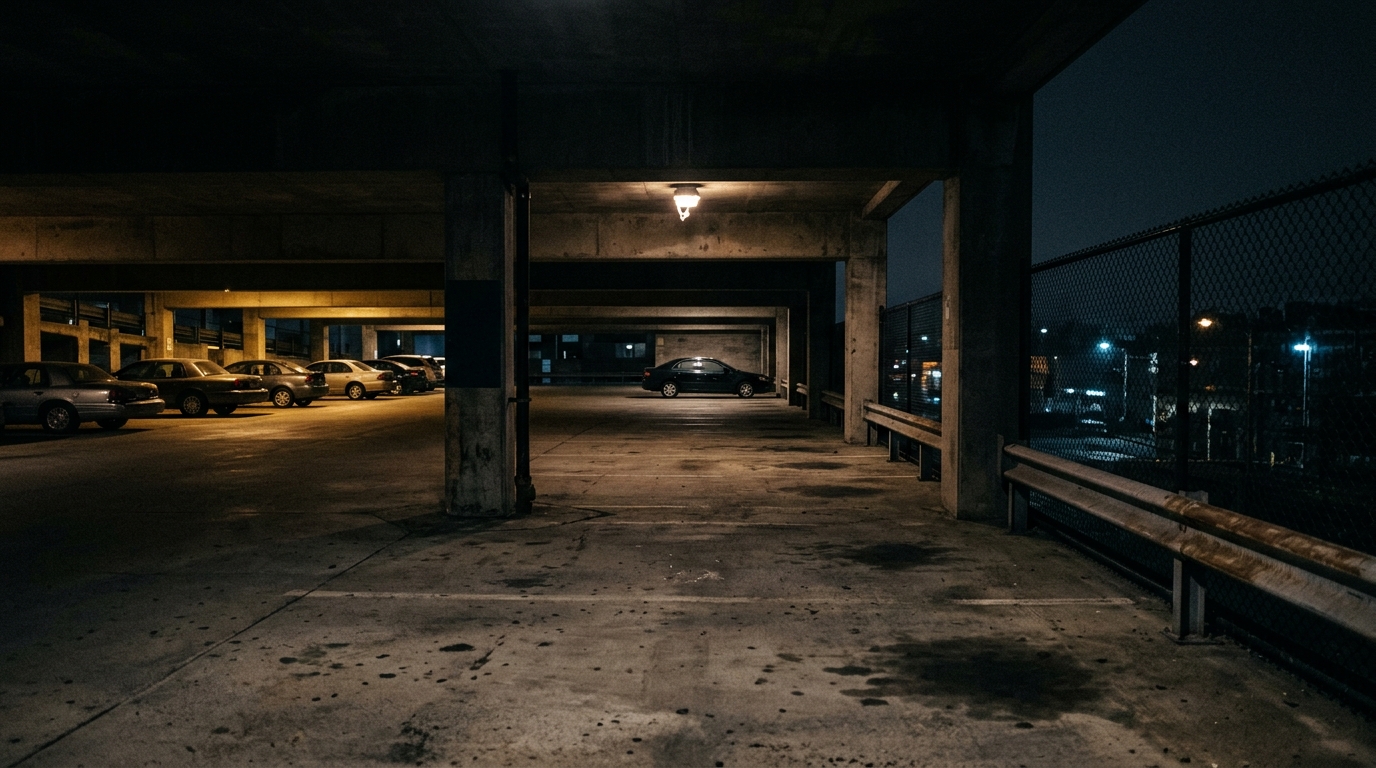
- Enough lighting in lots, garages, and hallways
- Working security cameras
- Security guards where the risk calls for them
A negligent security claim is a civil case against the owner or manager. It says they failed to provide reasonable security. It is not a criminal charge against the attacker. That difference matters, and we’ll come back to it below.
When a Florida Property Owner Can Be Held Responsible
A Florida owner can be held responsible in one situation. A foreseeable crime causes injury, and reasonable security could have stopped it. Three things usually drive these cases.
Foreseeability. Was the attack predictable? Courts often look at past crimes on or near the property. They also ask if it sits in a high-crime area. They check whether the owner ignored past complaints or warnings.
Unreasonable security. Did the owner skip safety steps a careful owner would have taken? A broken gate at a “gated” community counts. So does a pitch-black garage with no cameras.
Causation. Did that failure play a real part in allowing the attack and the harm that followed?
Picture a few examples. An apartment community advertises a gated entrance. But the gate has been broken for months. A resident is shot in the parking lot. Or a hotel has a known history of assaults but hires no security. A guest is attacked in a stairwell. In cases like these, the owner’s choices may have opened the door to serious harm.
The Catastrophic Injuries These Cases Involve
Negligent security cases often involve severe, permanent injuries. These reshape a person’s entire future. Gunshot and stab wounds can cause spinal cord damage and paralysis, traumatic brain injury, amputation or limb loss, and severe burns.
The stakes are real. The Mayo Clinic explains that a spinal cord injury can cause permanent loss of strength, feeling, and function below the injury. It can also require lifelong medical care. The Christopher & Dana Reeve Foundation notes that violence is among the leading causes of spinal cord injury in the U.S. Doctors rate how severe these injuries are using the ASIA Impairment Scale, a standard neurological tool. National data on these injuries is tracked by the National Spinal Cord Injury Statistical Center.
When a loved one is killed, the family may bring a wrongful death claim. A death is the most catastrophic outcome there is. We handle these cases with dignity. We keep the focus where it belongs — on the family and what they can do next.
These injuries mean lifelong care and lost earning power. So catastrophic cases demand thorough investigation and fast evidence preservation. That’s not a slogan. It’s how these cases get built.
How Florida Law Affects Your Claim (Including 2023 Tort Reform)
Florida premises-liability rules apply to negligent security claims. Recent law changes affect how these cases work. Two changes from 2023 matter most.
Modified comparative negligence. This rule shares fault between the people involved. Under Fla. Stat. §768.81, a person found more than 50% at fault for their own harm generally cannot recover damages. Fault may also be split between the criminal and the property owner. That split affects the outcome.
A presumption for some housing owners. Fla. Stat. §768.0705 helps owners of certain multi-family homes. This makes some claims harder. But it does not automatically end a case.
Damages in these cases can include medical costs, future care, lost income, and pain and suffering. Every case is different, and no lawyer can promise a specific result. The law is detailed and recently changed. So it’s best to have an attorney explain how the current statutes apply to your exact facts.
Have questions about what happened?
Ask our team directly. The first conversation is free, confidential, and there is no obligation to continue.
Florida’s Deadline to File (Statute of Limitations)
Florida generally gives you two years to file a negligence-based injury claim. So acting quickly matters. Under Fla. Stat. §95.11, the deadline for most negligence injury cases dropped from four years to two years. This applies to claims that arose on or after March 24, 2023. Wrongful-death timing can differ.
These deadlines are strict. Miss one, and a valid claim can be lost for good. There’s also a practical reason to move fast: evidence disappears. Camera footage often gets recorded over within days or weeks. Incident reports and prior-crime records can be hard to find later.
Please confirm your specific deadline with an attorney as soon as you can. Waiting is one of the few mistakes you can’t undo.
Evidence That Strengthens a Negligent Security Case
Strong cases are built on evidence. That evidence shows the crime was foreseeable and the security was poor. In the catastrophic-injury cases our attorneys handle, this evidence often includes:
- Police reports and past crime data for the property and nearby area
- Security camera footage, access logs, and gate or lighting repair records
- Witness statements and past complaints the owner received
- Records showing whether guards were hired, and whether they did their jobs
A lawyer and their investigators can send preservation letters. These stop footage from being erased. They can pull public crime records and request maintenance logs. This work needs to start early, before the trail goes cold.
Where These Cases Happen Across Florida
Negligent security cases happen across the entire state, from big cities to small towns. We see them in Miami, Orlando, Tampa, and Jacksonville — and everywhere in between.
Common Florida settings include tourist hotels and motels, nightclubs and bars, downtown parking garages, gas stations, and busy retail parking lots. Heavy foot traffic and tourism can raise the risk when owners cut corners on safety.
Our firm serves clients throughout Florida. We also take catastrophic-injury cases nationwide. No matter where you are, you can start with a conversation.
How CHG Personal Injury Lawyers Can Help
CHG Personal Injury Lawyers is a team of licensed attorneys admitted to The Florida Bar. We focus on catastrophic-injury and negligent security claims. We handle serious, life-altering cases. We treat every client and grieving family with care.
We offer plain-language guidance, so you always understand what’s happening. We explain your options honestly, without legal jargon and without empty promises. Most injury cases are handled on a contingency basis. This means you generally pay no attorney’s fee unless there’s a recovery. We also offer bilingual English and Spanish support.
Or you can request a free case evaluation to talk with us directly.
Want to know where you stand?
Tell us what happened and our team will walk you through the options available to you, at no cost.
Frequently Asked Questions
Can I sue if the person who attacked me was never caught or charged?
Yes. A negligent security claim is a civil case against the property owner, not the attacker. So it can move forward even if no one was arrested.
What if I was partly at fault when I was hurt?
You may still recover under Fla. Stat. §768.81. But if you’re found more than 50% at fault, you generally cannot recover damages in Florida.
How long do I have to file a negligent security claim in Florida?
Most negligence injury claims that arose on or after March 24, 2023 have a two-year deadline under Fla. Stat. §95.11. Confirm your exact date with a lawyer quickly.
Who pays if I win — the owner or their insurance?
In most cases, the property owner’s liability insurance pays a settlement or judgment. The details depend on the specific policies involved.
How much does it cost to talk to a lawyer about my case?
Nothing. Your case evaluation is free and confidential. Most injury cases are handled on a contingency basis with no upfront cost.

Talk to a Florida Negligent Security Lawyer for Free
A violent attack can leave someone paralyzed, brain-injured, or gone forever. That is one of the hardest things a family can face. You don’t have to face the property owner’s insurance company alone. Going up against a big insurer without a lawyer is a bit like walking into a hurricane with an umbrella.
Were you or someone you love catastrophically hurt or killed in a crime on someone else’s property? Request a free, confidential case evaluation today. There’s no upfront cost, and we offer bilingual English and Spanish support.
Please act promptly. Camera footage gets erased, and Florida’s filing deadlines are strict. The sooner you reach out, the more we can do to protect your rights.
Where These Attacks Happen
Apartments & Housing
Broken gates, failed locks, dark stairwells, or no security patrols can leave residents and visitors exposed to violent attacks the owner should have prevented.
Parking Lots & Garages
Poor lighting, no cameras, and no guards in garages and lots are common factors in assaults, carjackings, and shootings on business property.
Hotels, Motels & Bars
Guests and patrons expect reasonable protection. When hotels, nightclubs, and bars ignore known dangers, serious harm can follow.
Stores, Gas Stations & ATMs
Businesses that invite the public in have a duty to address known crime risks with reasonable, working security measures.
How Property Owners Fail to Protect People
Broken or Missing Security
Locks, gates, and access controls that don't work, or were never installed where they were clearly needed.
Inadequate Lighting
Dark parking areas, hallways, and entrances that create hiding places for attackers.
No Cameras or Monitoring
Missing or nonfunctional surveillance where prior incidents made the risk foreseeable.
Too Few or No Guards
Failing to provide security personnel at a property with a known history of violent crime.
You Can Act Even If No One Was Arrested
A negligent security claim is a civil case against the property owner, not the person who attacked you. It can move forward even if no one was caught or charged. Florida also has deadlines to file, so it helps to speak with an attorney sooner rather than later.
Common Questions
Can I sue if my attacker was never caught?
Yes. Because a negligent security claim is against the property owner, not the attacker, it can proceed even when no one was arrested or charged.
What if I was partly at fault?
Under Fla. Stat. §768.81 you may still recover compensation, but if you are found more than 50% at fault, recovery may be barred. We can review the specific facts of your situation.
What injuries do you handle?
We focus on catastrophic, life-altering harm—spinal cord injuries and paralysis, traumatic brain injuries, amputations, severe burns, and fatal outcomes handled as wrongful-death claims for the family.
What will it cost to talk to you?
Nothing to start. Case evaluations are free and confidential, in English or Spanish.