

Catastrophic Injury Legal Guide
What Are the 4 Types of Negligence? A Plain-Language Guide
"Negligence" gets used two different ways. This guide breaks down both meanings in plain English — the four elements you must prove, and the four degrees courts recognize — so you understand what a serious injury claim actually involves.
By CHG Lawyers · Published August 07, 2026
What Are the 4 Types of Negligence? A Plain-Language Guide
What are the 4 types of negligence? People ask this a lot. They usually mean one of two things.
It could be the 4 legal elements you must prove in any negligence case. Those are duty, breach, causation, and damages.
Both matter. This guide explains each one clearly.
This page gives general legal information. It is not legal advice about your situation. Did you or a loved one suffer a serious, life-altering injury? A lawyer can review the facts and explain your options.
Not sure what your next step is?
Talk it through with our team — the first consultation is free, confidential, and carries no obligation.
Quick answer: what people mean by “the 4 types of negligence”
People use the phrase in two ways. Both are correct. It depends on the context.
Way 1 — the 4 elements you must prove. Every negligence claim rests on four building blocks. These are duty of care, breach of that duty, causation, and damages. Miss one, and the claim usually fails.
Way 2 — the 4 categories of negligence. Courts also sort negligence by type or degree. These are ordinary negligence, gross negligence, comparative negligence, and contributory negligence.
Below, we cover both. Then we show how these ideas work in real catastrophic-injury and negligent security cases.
The 4 categories of negligence, explained
The four categories describe how bad the carelessness was. They also describe how fault is shared between the people involved.
Ordinary negligence
Ordinary negligence means failing to use the care an average person would use. Picture a store that leaves a spill on the floor for hours. No one cleans it or posts a warning. That’s a simple failure to be careful.
Gross negligence
Gross negligence is reckless or extreme disregard for other people’s safety. It goes far beyond an honest mistake. For example, a trucking company might knowingly keep a tired driver on the road for too many hours. That may show gross negligence. In the catastrophic cases our attorneys handle, this often shows up in serious truck crashes.
Comparative negligence
Comparative negligence means fault is shared (Fla. Stat. § 768.81(6)). Each party’s payout drops by their share of the blame. Most states use some version of this rule, including Florida.
Contributory negligence
Contributory negligence is a stricter, older rule. Only a few states use it. Under it, an injured person who was even slightly at fault can get nothing. Florida does not follow this harsh rule.
Keep in mind: these are categories and degrees. They are not a checklist you “complete.”
The 4 elements of negligence (what you actually have to prove)
To win a negligence claim, you must prove four elements. All four must be present.
1. Duty of care. The other party owed you a legal duty to act safely. A truck driver owes other drivers a duty to drive carefully. A property owner owes lawful visitors a duty to keep the place reasonably safe.
2. Breach of duty. They failed to meet that duty. This is the careless act, or the dangerous condition they ignored.
3. Causation. That failure actually caused your harm. The link must be direct and foreseeable. In other words, the injury was a natural result of the carelessness.
4. Damages. You suffered real, measurable harm. In catastrophic cases, damages can be huge. Think lifelong medical care, lost income, and the human cost of a permanent injury.
This answers a common question — “What are the 4 things needed to prove negligence?” It’s these four elements.
Have questions about what happened?
Ask our team directly. The first conversation is free, confidential, and there is no obligation to continue.
Comparative vs. contributory negligence: how shared fault affects your case
Shared fault matters. It changes how much money you can recover. This is one of the most important issues in real cases.
There are two main versions of comparative negligence:
- Pure comparative negligence: You can recover even if you were mostly at fault. But your award drops by your percentage of blame.
- Modified comparative negligence: You can recover only if your fault stays below a set limit. That limit is often 50% or 51%.
Florida follows a modified comparative-negligence rule. Under Fla. Stat. §768.81, a person found more than 50% at fault generally recovers nothing. If you’re 50% or less at fault, your recovery drops by your share. So if a jury finds you 20% responsible, your award drops by 20%.
Here’s the reassuring part. Being partly blamed does not automatically end a serious-injury claim. Insurance companies often try to shift fault onto victims. A lawyer can push back with evidence. Learn more about how these rules apply in our Florida negligent security guide.
How this applies when you were hurt on someone else’s property
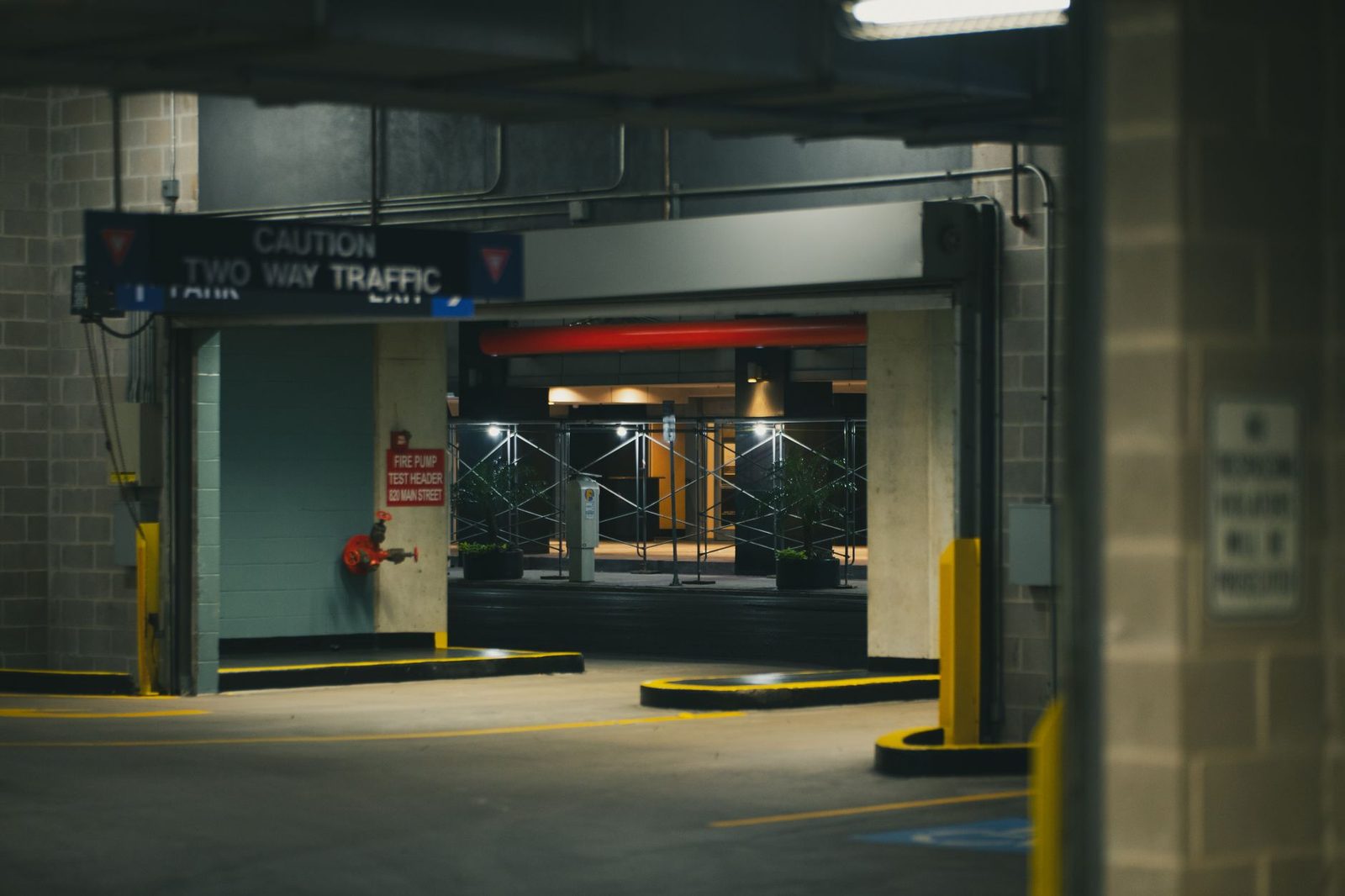
Say you were assaulted, shot, robbed, or otherwise attacked. Maybe it happened at an apartment complex, a parking lot or garage, a hotel, a bar, a gas station, or a store. You may assume nothing can be done. That’s often not true.
A property owner can be legally responsible when they failed to provide reasonable security. That includes basics like working locks and gates, good lighting, security cameras, or guards. Sometimes an owner ignores a known danger and someone gets hurt. Then the owner may share the blame.
The legal term for this is negligent security. It’s a type of premises liability claim. That means a claim about safety on someone’s property. Most people who need this help have never heard the phrase. That’s fine. What matters is your situation.
Here’s how the 4 elements map onto a negligent-security claim:
- Duty: The property owner had a duty to keep visitors reasonably safe.
- Breach: They failed — for example, broken gates, dead lighting, or no security despite past violent crime nearby.
- Causation: That failure allowed an attack that reasonable security might have prevented.
- Damages: The victim suffered catastrophic harm, such as a gunshot wound, brain injury, or paralysis.
For a full overview, see our negligent security page.
Negligence in catastrophic injury and truck accident cases
The same four elements apply across every serious case we handle. That includes spinal cord injuries, paralysis, traumatic brain injuries, amputation and limb loss, and severe burns.
Truck accidents often involve gross negligence and more than one at-fault party. The driver, the trucking company, and a maintenance contractor could all share blame. These cases can turn on safety rules that were ignored.
In catastrophic cases, “damages” carry real weight. A spinal cord injury can cause permanent changes in strength, sensation, and body functions below the injury, according to the Mayo Clinic. The National Spinal Cord Injury Statistical Center tracks the lifelong medical needs these injuries create. Damages can include future care, lost earning power, and the daily toll on families.
When an injury is fatal, the family may bring a wrongful-death claim. It uses the same negligence framework. A death is the most catastrophic outcome there is. The law still holds careless parties accountable.
One more point: time limits apply. Under Fla. Stat. §95.11, most Florida negligence claims are due within two years. This applies to claims that accrued on or after March 24, 2023. Waiting too long can end a valid claim.
Related questions people ask
What are the 4 pillars of negligence? These are the same as the four elements: duty, breach, causation, and damages.
What are three types of negligence? People usually mean ordinary negligence, gross negligence, and comparative (or contributory) negligence.
What are the 5 rules of negligence? Some sources split “duty” into two parts. That means a duty of care plus a standard of care. This gives five elements instead of four.
Does negligence mean someone goes to jail? Usually not. Negligence is normally a civil matter, not a crime. A civil claim seeks money to cover harm, not jail time.
Want to know where you stand?
Tell us what happened and our team will walk you through the options available to you, at no cost.
Talk to a lawyer about your specific situation
Proving negligence in a serious-injury case takes evidence and careful legal work. Understanding the “4 types of negligence” is a good first step. But every case turns on its own facts.
CHG Personal Injury Lawyers offers a free, confidential case evaluation. We serve clients in English and Spanish. We’re based in Florida, but we take catastrophic cases nationwide.
We can’t promise a specific result, and no honest lawyer should. What we can do is listen, explain your options, and help you understand whether someone can be held responsible.
Request your free case evaluation to talk through what happened. You can also explore our full catastrophic injury claims resource for more guidance.
The 4 Legal Elements of Negligence
Duty
The other party owed you a duty of care. A trucking company must operate its rigs safely. A property owner must take reasonable steps to keep people safe on the premises.
Breach
They failed that duty — a truck driver drove fatigued, or an apartment complex left broken gates, dead lighting, and no working security in place.
Causation
That failure actually caused the harm. The crash or the attack — and the catastrophic injury that followed — traces back to the breach.
Damages
You suffered real, measurable harm: a spinal cord injury, a brain injury, an amputation, severe burns, or the loss of a loved one.
The 4 Categories & Degrees of Negligence
Ordinary Negligence
A failure to use the care a reasonable person would use — for example, a driver who wasn't paying attention. Most injury claims are built on ordinary negligence.
Gross Negligence
A reckless or extreme disregard for the safety of others — conduct that goes well beyond a simple mistake and shows a conscious indifference to people's lives.
Comparative Negligence
The rule courts use when more than one person shares fault. Your recovery may be reduced by your share of responsibility — but you can often still recover.
Contributory Negligence
A stricter, older rule that can bar recovery if the injured person was even slightly at fault. Only a minority of states still apply it, so where your case is filed matters.
Fault Rules Vary — and So Do Deadlines
How negligence is judged, and how long you have to file, depend on where the injury happened. After a catastrophic injury or a death in the family, evidence can disappear fast. Talk to a licensed attorney before assuming your case is too complicated or too late.
Why Families Turn to CHG for Serious Injury Cases
Nationwide
Catastrophic injury cases accepted
FL Bar
Florida-licensed attorneys
EN / ES
Bilingual guidance for clients
Free
Case evaluations, no obligation