

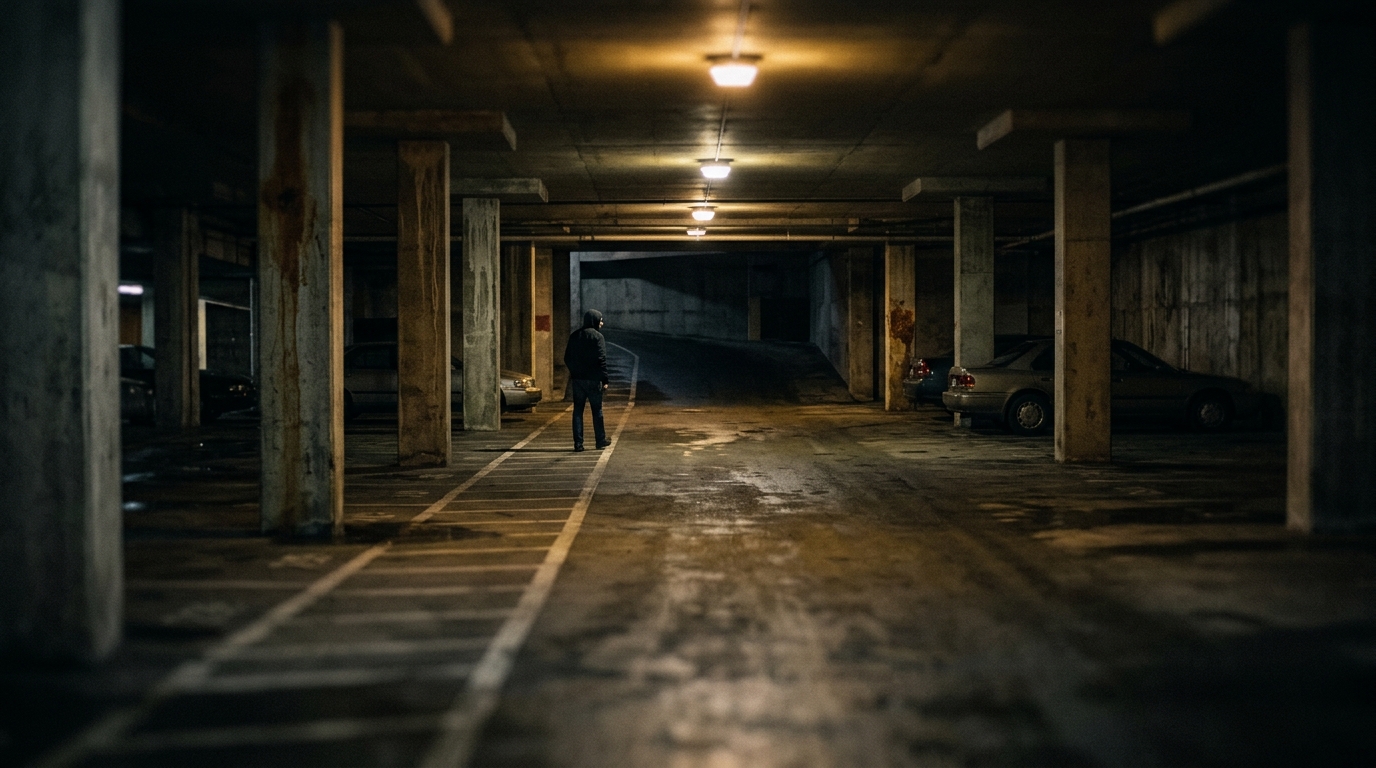
Premises Liability
Attacked on Someone Else's Property? You May Have a Claim
When a property owner fails to provide reasonable security, victims of assault, robbery, or violence have legal recourse. Learn how negligent security claims work and what your next step should be.
By CHG Lawyers · Published August 26, 2026
Negligent Security Premises Liability: Your Rights After a Preventable Assault or Shooting on Unsafe Property
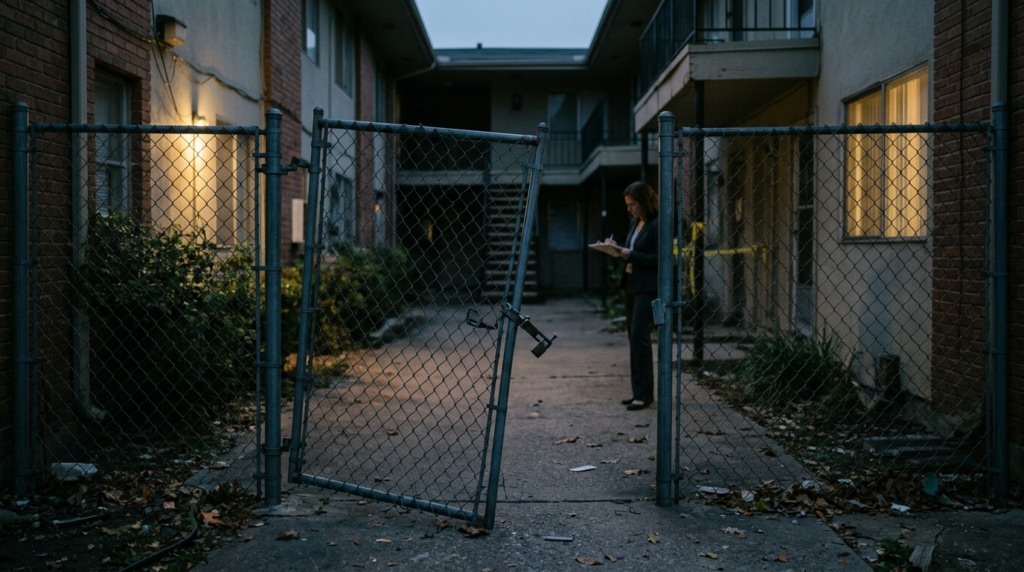
Were you attacked on someone else’s property? Maybe it happened at an apartment complex, a parking garage, a hotel, a gas station, or a store. Maybe you were left with a serious, life-changing injury. A broken gate, a dead security camera, or a dark parking lot may have helped that attack happen. If so, the property owner may share the legal blame under negligent security premises liability law.
You don’t need to know the legal term to have a claim. Lawyers call it negligent security premises liability. What matters to you is simpler. Someone could have made the place safer. They chose not to. And you paid the price.
The person who hurt you is responsible for the crime. But a business, landlord, or property owner can be responsible too. This happens when they fail to keep the place reasonably safe. Both things can be true at once.
This page answers the questions survivors and families ask most. When does an owner share the blame? What if the attacker was never caught? And what can you do next?
Not sure what your next step is?
Talk it through with our team — the first consultation is free, confidential, and carries no obligation.
This Page Is About Catastrophic Injuries, Not Minor Ones
We focus on one thing. That is violence on unsafe property that causes permanent, life-altering harm or death. A negligent-security premises liability case is not a slip on a wet floor. It is a shooting in a parking garage that leaves someone paralyzed. It is a beating outside a nightclub that causes a brain injury. It is a family planning a funeral instead of a homecoming.
These injuries do not heal and go away. They change income, independence, housing, and family life. Often this lasts for decades. That is why these cases are on a different scale from routine property claims. The stakes, the evidence, and the money involved are all bigger. And that is why they deserve careful legal handling.
Your Civil Claim Is Separate From the Criminal Case
This is one of the most important points. It is also one of the most misunderstood.
The criminal case is brought by the state against the attacker. Its goal is to punish the person who committed the crime. You are a witness in that case, not a party to it. Prosecutors decide whether to file charges. They must prove guilt “beyond a reasonable doubt.”
Your civil claim is completely different. You bring it against the property owner, not the attacker. Its goal is to pay you back for what the security failure cost you. The proof required is lower. In Florida, the standard is the “greater weight of the evidence.” That means more likely than not.
These two cases are separate. So your civil claim can move forward even if the attacker is never caught, never charged, or found not guilty. Many survivors assume no arrest means no case. That is not how negligent security law works. Your claim is about the owner’s own failure to keep the property reasonably safe. It is not about naming or convicting the person who hurt you. Whether your claim can move ahead depends on your facts. But an unsolved crime does not close the door.
When the Property Owner May Share the Blame
When you rent an apartment, stay at a hotel, or shop at a store, the owner owes you a duty. They must keep the place reasonably safe. Say the danger is a lack of reasonable security, and violence follows. Then the owner may have broken that duty. Lawyers call this idea premises liability. When the danger is poor security, they call it negligent security premises liability.
The law does not demand perfect safety. It asks what a reasonable owner should have done in that situation. A quiet daytime office may need little. A property with a history of violence may need far more.
What Counts as a Security Failure
A security failure usually means an owner ignored a known risk. They skipped basic protections a reasonable owner would have used. These failures are usually simple and physical:
- Broken or missing gates and door locks
- Burned-out or missing lighting in lots, stairwells, and hallways
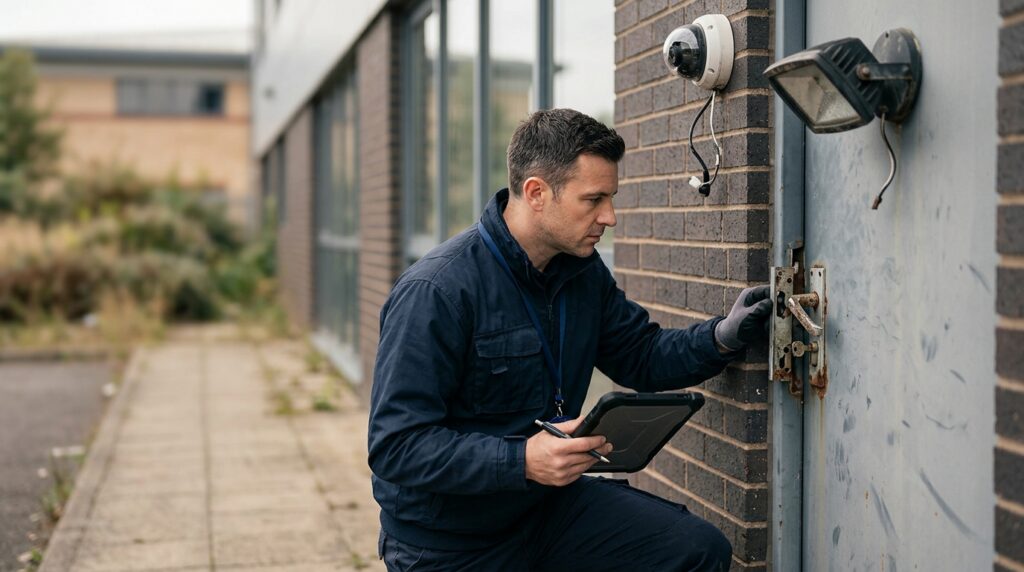
- Security cameras that don’t work or don’t exist
- No guards where the risk clearly called for them
- Propped-open doors or unwatched entrances
Where These Attacks Happen
These attacks most often happen at everyday places. They are places where owners control who gets in and how safe it is. The type of property affects what security was reasonable:
- Apartment complexes and residential communities, where broken gates and locks put tenants at risk.
- Parking lots and parking garages, where poor lighting and no cameras invite crime.
- Hotels and motels, where unsecured entrances and weak key control matter.
- Bars, nightclubs, gas stations, stores, and ATMs, where crowds, cash, and late hours raise the risk.
Foreseeability: Should the Owner Have Seen It Coming?
A key issue in these cases is foreseeability. That means whether the owner should have seen the danger coming. If violence was predictable and the owner did nothing, that failure matters. Under Florida law, courts ask whether the owner knew, or should have known, about a dangerous condition. Several things can show an attack was foreseeable:
- Similar crimes on or near the property before
- A history of police calls to that address
- Complaints from tenants, guests, or customers about safety
- A location in an area with a known pattern of violent crime
You do not have to gather this proof alone. A lawyer investigates foreseeability. That means pulling police call histories, past incident reports, and area crime data. This lets you focus on healing. This evidence disappears quickly, which is why timing matters.
What You Must Show in a Negligent Security Premises Liability Claim
To hold an owner responsible, you generally must prove four things. First, the owner owed you a duty. Second, the owner unreasonably failed to provide adequate security. Third, that failure was a cause of your harm. Fourth, you suffered real damages. The attack must also have been foreseeable.
Are these cases hard to win? Honestly, they take careful investigation and strong evidence. No lawyer can promise a result. Every claim depends on its facts. But the right proof can make a real difference. Evidence often comes from:
- Incident and police reports
- Surveillance video from the property and nearby cameras
- Records of past crimes at the location
- Maintenance logs for gates, locks, and lights
- Statements from witnesses and other tenants
Have questions about what happened?
Ask our team directly. The first conversation is free, confidential, and there is no obligation to continue.
The Catastrophic Injuries These Attacks Cause
Violence on unsafe property often causes permanent, life-altering injuries. We focus on these serious harms and the long road that follows:
- Gunshot wounds and their lasting effects
- Traumatic brain injuries (TBI)
- Spinal cord injuries and paralysis
- Amputation and limb loss
- Severe burns
It helps to hear why these injuries are catastrophic from a medical source, not a law firm. A spinal cord injury can cause permanent changes below the injury. It can affect strength, feeling, and body functions such as breathing, bladder, and bowel control, according to the Mayo Clinic. Doctors grade how severe it is using the ASIA Impairment Scale (AIS). This is the international standard for classifying how complete a spinal cord injury is. It runs from AIS A (complete) to AIS E (normal). That grade often shapes a survivor’s long-term outlook and lifetime care needs.
The National Spinal Cord Injury Statistical Center (NSCISC) tracks U.S. data on these injuries. The Christopher & Dana Reeve Foundation publishes national paralysis figures. These show the scale of lifetime care many survivors need. We also represent sexual assault survivors with care and dignity. An owner may share responsibility when a security failure allowed the assault.
When an Attack Is Fatal: A Family’s Right to Answers
Sometimes an attack takes a life. This is the most catastrophic outcome there is. Surviving family members may be able to bring a wrongful-death claim. This is possible when a preventable security failure helped cause the death. In Florida, the wrongful-death process follows the Wrongful Death Act. A claim is usually brought by a personal representative. That person acts on behalf of surviving family members.
We handle these cases with dignity. We focus on the family left behind, never on graphic detail. The goal is answers, accountability, and support for the future. A claim can help cover the costs a family now carries. It can also hold the owner responsible for a failure that should not have happened.
What Compensation May Be Available
Compensation is grouped into categories, not fixed amounts. Its value depends on your specific facts. People often ask how much they can recover. No honest lawyer can quote a number in advance. Categories may include:
- Current and future medical care
- Lost income and lost earning ability
- Long-term care, home changes, and accessibility needs
- Pain and suffering
- Wrongful-death damages for grieving families
Florida follows a modified comparative-fault rule under Fla. Stat. § 768.81. This means fault can be shared. A person found more than 50% at fault for their own harm generally recovers nothing. In negligent-security cases, defendants often argue the victim shares fault. That is another reason careful evidence matters.
What to Do After You’ve Been Attacked on a Property
Get medical care first. After that, protect the facts while they are still fresh:
- Get medical treatment and follow up as directed.
- Report the attack to police and to the property.
- Keep copies of every report, bill, and record.
- Note the conditions: lighting, cameras, gates, and locks.
- Write down the names of any witnesses.
Acting quickly matters. Surveillance video is often erased within days or weeks. A lawyer can send a preservation letter. This demands that the property save that footage before it disappears. Sometimes it is the single most important piece of evidence in the case.
Florida Deadlines and Why Timing Matters
Florida sets filing deadlines called statutes of limitation. Miss one and your case can end, no matter how strong. For negligence claims that start on or after March 24, 2023, the general deadline is two years under Fla. Stat. § 95.11. Claims that started earlier may fall under the older four-year rule. Deadlines can change based on your facts. So don’t rely on a general figure. Confirm your exact deadline with a lawyer.
What It Costs to Talk to a Lawyer
Talking to us costs nothing up front. A free case evaluation carries no obligation. We handle these cases on a contingency fee. This means our fee comes from a recovery, not out of your pocket while the case is ongoing. That removes the cost barrier. You can get answers without financial pressure.
Want to know where you stand?
Tell us what happened and our team will walk you through the options available to you, at no cost.
Help in Florida and Nationwide
CHG Personal Injury Lawyers is based in Florida and takes catastrophic-injury cases nationwide. Our attorneys are licensed and admitted to the Florida Bar. We serve survivors and families across Florida, including Miami, Orlando, Tampa, and Jacksonville. We also publish this guide in Spanish.
Frequently Asked Questions
Are these negligent security cases hard to win?
They take careful investigation and strong evidence, and no outcome can be guaranteed. But solid proof of a foreseeable, preventable security failure can make a real difference.
How much can I recover after an attack on a property?
There is no set amount. Compensation may cover medical care, lost income, long-term needs, and pain and suffering. In fatal cases, it may include wrongful-death damages. The value depends entirely on your specific facts.
What is the difference between ordinary negligence and premises liability?
Negligence means someone was careless. Premises liability is negligence tied to the unsafe condition of a property — including a lack of reasonable security.
Can a security company or guard be held responsible if security was inadequate?
Sometimes. A hired security company or guard can share responsibility when their failure to do the job reasonably helped cause the harm. It depends on the facts.
Can I still have a claim if the attacker was never caught?
Often, yes. Your civil claim focuses on the property owner’s own failure to keep the place safe, not the attacker’s identity. An unidentified, uncharged, or acquitted attacker does not automatically end your claim.
Talk to Us About What Happened
You didn’t choose what happened to you. And you shouldn’t have to figure out your next step alone. Were you seriously hurt in an attack on someone else’s property? Did you lose a loved one? We’re here to listen.
Reach out for a free, confidential case evaluation. There is no obligation. This page is general information only, and every case is different. The sooner you ask, the better your evidence can be protected.
Time Matters
Claims arising from injuries on someone else's property are subject to strict legal deadlines. The sooner you reach out, the sooner we can investigate what happened, preserve evidence, and protect your rights.
What Is Negligent Security?
The Scenario
You were assaulted, shot, robbed, or attacked on someone else's property—an apartment complex, parking lot, hotel, bar, gas station, or other business. The attack happened because the owner or manager failed to provide basic security measures.
The Legal Claim
When a property owner knows (or should know) that violence or crime is foreseeable on their property, they have a legal duty to take reasonable steps to prevent it. Broken locks, missing lighting, no cameras, or absent security guards can all be evidence of negligence.
Your Right to Recover
If the owner's failure to provide reasonable security directly led to your injury, you may be able to hold them accountable. This is called a negligent security or premises liability claim.
Why It Matters
Property owners have a financial incentive to cut corners on security. Holding them responsible sends a message and helps fund your recovery—medical care, lost wages, pain, and long-term needs.
Why These Cases Require Careful Investigation
Foreseeability Matters
We examine the property's history: prior crimes, complaints, police reports, and security records. If violence was foreseeable, the owner's duty to act was clear.
Evidence Preservation
Security footage, maintenance logs, lease agreements, incident reports, and witness statements must be gathered quickly before they disappear or are destroyed.
Expert Analysis
We work with security specialists and other experts to establish what reasonable security measures should have been in place and how their absence enabled the attack.
Your Story Matters
We listen to what happened to you, understand your injuries and losses, and build a narrative that connects the owner's negligence directly to your harm.
Common Questions About Negligent Security Claims
Are these cases hard to win?
They require careful investigation and strong evidence, and no outcome can be guaranteed. But solid proof of a foreseeable, preventable security failure can make a real difference in your case.
How much can I recover?
There is no set amount. Compensation may cover medical care, lost income, long-term treatment, pain and suffering, and other losses tied to your injury. Each case is unique.
What if I was partially at fault?
Under Florida law, a person found more than 50 percent at fault for their own harm may not recover any damages under section 768.81 of the Florida Statutes. We evaluate the full picture.
How do you get paid?
We work on a contingency basis: no attorney’s fees unless there is a recovery. You pay nothing upfront, and we only collect a fee if we secure compensation for you.