

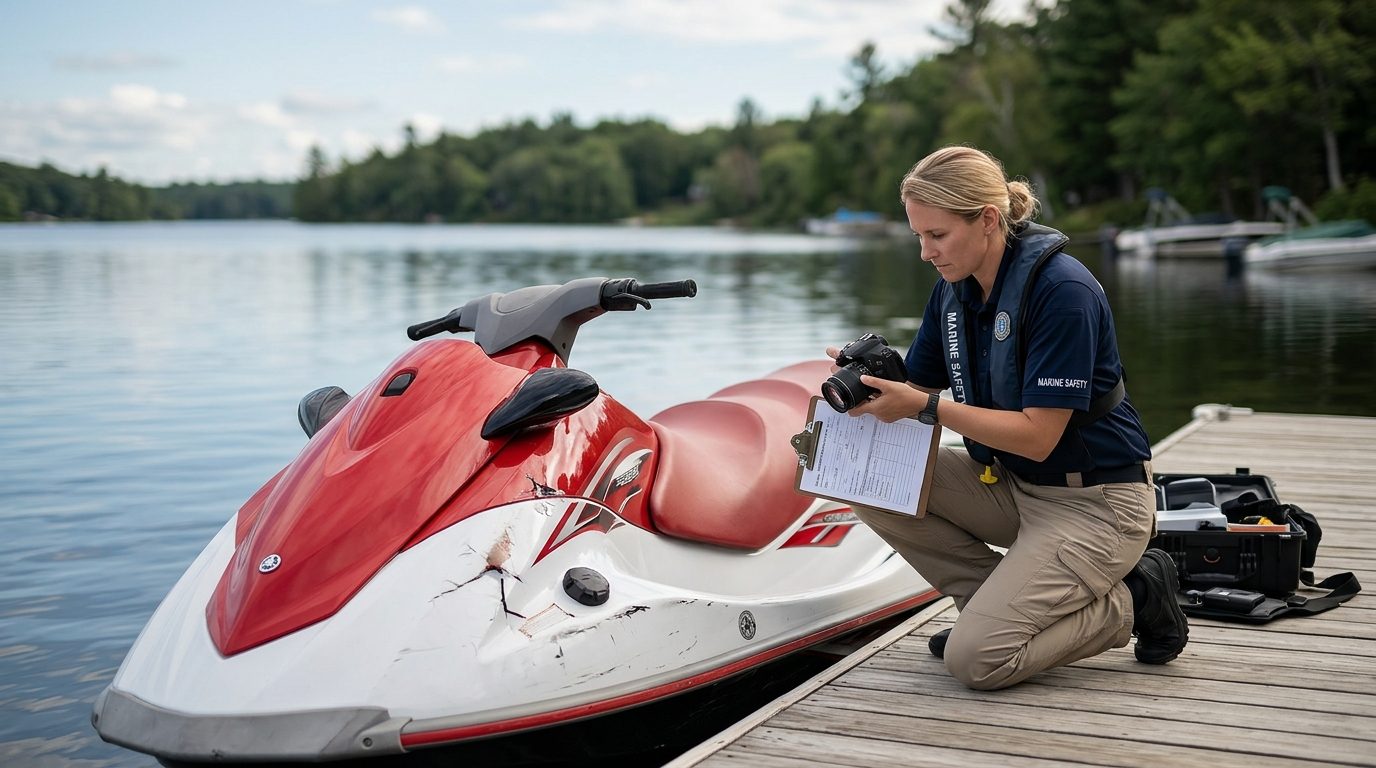
Catastrophic Jet Ski Injuries
Jet Ski Accidents: When a Day on the Water Becomes Life-Altering
Spinal cord injuries, paralysis, traumatic brain injury, and amputation from jet ski collisions demand immediate legal action. We focus exclusively on catastrophic injury claims nationwide.
By CHG Lawyers · Published August 24, 2026
Jet Ski Accidents: Catastrophic Injuries & Your Legal Rights
Jet ski accidents are high-speed collisions, rollovers, and ejections that cause permanent, life-altering injuries. These include spinal cord damage, traumatic brain injury, amputation, severe burns, and drowning. Unlike minor boating incidents, jet ski accidents happen in seconds and produce catastrophic trauma. The impact force, propeller contact, and water immersion combine to cause severe harm. If you or a family member has suffered a serious jet ski injury, understanding what caused the accident and who bears legal responsibility is the first step toward recovery and compensation.
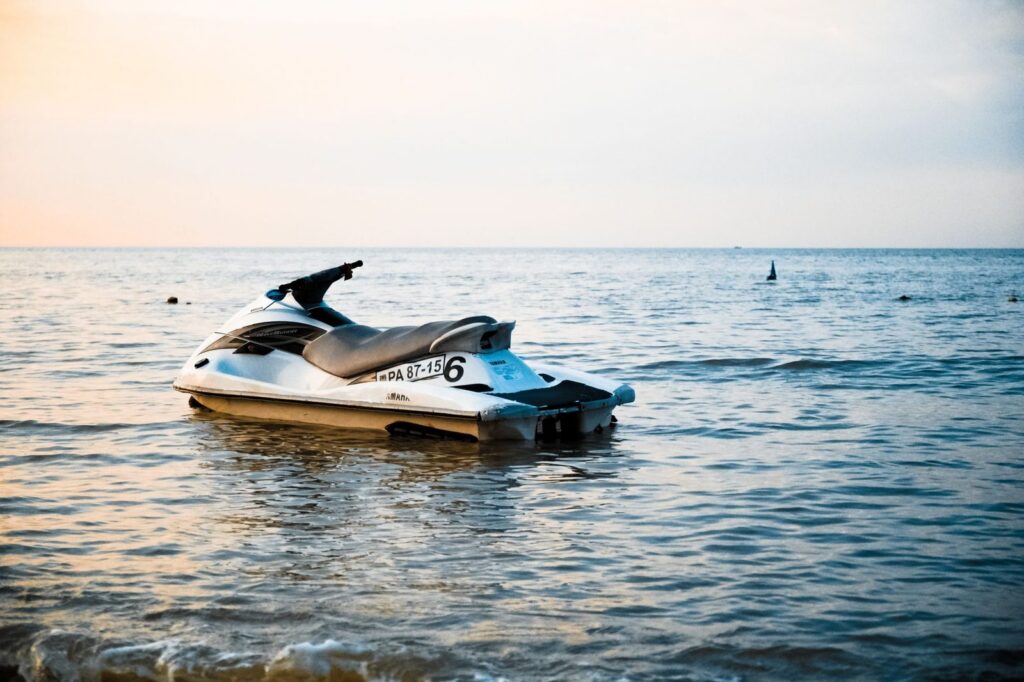
If your accident was fatal, we handle wrongful-death claims with dignity and compassion for grieving families. Talk it through with our team — the first consultation is free, confidential, and carries no obligation.
What Are Jet Ski Accidents?
Jet ski accidents are collisions, rollovers, and ejections involving personal watercraft (PWCs) operating at high speed on open water. These machines can reach speeds exceeding 60 mph. When a collision or loss of control occurs, riders face blunt-force trauma, propeller injury, and drowning risk.
The injuries that result are not minor cuts or bruises—they are catastrophic. Riders suffer spinal cord fractures, brain bleeding, limb loss, and fatal outcomes. A jet ski accident differs fundamentally from a routine boating incident. The speed, lack of protection, and water environment combine to produce permanent disability or death within moments.
Are Jet Ski Accidents Common?
Yes, jet ski accidents occur frequently across the United States. According to maritime injury data, nearly 1,000 jet ski accidents occurred in 2022, resulting in 549 injuries and 54 deaths.
Florida, with its extensive coastline and year-round warm water, sees particularly high incident rates. Broward County alone recorded 7,948 jet ski accidents in one year, ranking second nationally for jet ski accident frequency. The rising popularity of jet skis and rental operations has increased accident volume.
Most crashes occur in daylight hours and are twice as likely on weekends. Incident rates spike during warmer months when recreational water use peaks.
What Causes Jet Ski Accidents?
The causes of jet ski accidents are varied but often preventable. Over 90 percent of personal watercraft accidents are caused by operator error, including:
- Inexperience
- Recklessness
- Excessive speed
- Failure to maintain control
Alcohol and drug impairment while operating is a significant contributing factor. Collisions with other watercraft, fixed objects (docks, piers, rocks), or swimmers occur when operators fail to maintain awareness of their surroundings.
Equipment failure or defective design can also play a role. Inadequate safety training or supervision—particularly among rental operators—increases risk. Rental operators have a significantly higher association with accidents than private operators, indicating that inadequate training, insufficient safety briefings, and negligent supervision by rental companies contribute to injury.
Poor visibility, adverse weather conditions, and unmarked water hazards increase the risk of loss of control. In catastrophic-injury cases we handle, we often find that the operator, the rental company, or both bear responsibility for the accident.
What Is the Likelihood of Falling Off a Jet Ski?
Ejection from a jet ski is common, especially during high-speed maneuvers, sudden stops, or collisions. Riders without proper training or secure positioning are at higher risk of being thrown into the water.
When ejection occurs at speed, the rider faces blunt-force trauma from impact with the water, the jet ski hull, or nearby objects. Falls at high speed expose riders to head injury, spinal trauma, and drowning risk—particularly if the rider is disoriented, injured, or unable to swim.
Life jackets significantly reduce the severity of injury and improve survival rates. However, they do not prevent all harm. A rider can still suffer spinal cord injury or brain trauma even while wearing a life jacket.
What Happens If a Jet Ski Flips?
A jet ski rollover can trap riders underwater or cause immediate ejection, depending on the speed and angle of the flip. Both the operator and passengers face risk of drowning, especially if disoriented by the sudden inversion, injured during the flip, or unable to escape the overturned vessel.
Impact with the jet ski hull or its propeller can cause severe lacerations, crush injuries, and amputations. If the jet ski’s fuel system ruptures during the rollover, fire or fuel ignition may occur. Riders are then exposed to severe burns.
Hypothermia risk increases in cold water or prolonged immersion, particularly for injured riders who cannot swim to safety or signal for help.
Most Common Catastrophic Injuries from Jet Ski Accidents
Jet ski accidents produce some of the most severe injuries we see in personal-injury law:
Spinal Cord Injuries and Paralysis
High-impact collisions or rollovers can fracture or dislocate vertebrae, damaging the spinal cord. This results in partial or complete paralysis below the injury site. According to the Christopher & Dana Reeve Foundation, approximately 288,000 people in the United States live with a spinal cord injury, and jet ski accidents are a leading cause among young adults.
Paraplegia (lower-body paralysis) or quadriplegia (all-four-limb paralysis) are permanent conditions. They require lifelong medical care, mobility aids, home modifications, and result in lost earning capacity.
Traumatic Brain Injury (TBI)
Head strikes during collision or ejection cause diffuse axonal injury, contusions (bruising), or bleeding inside the skull. Mayo Clinic notes that traumatic brain injury symptoms range from loss of consciousness to cognitive impairment, memory loss, and personality changes.
Mild TBI can progress to severe disability. Severe TBI often results in permanent cognitive and physical impairment. Recovery is unpredictable, and many survivors require ongoing rehabilitation, speech therapy, occupational therapy, and psychological support.
Amputation and Limb Loss
Propeller contact is a leading cause of amputation in jet ski accidents. Crush injuries from collision or rollover can also necessitate surgical amputation of an arm or leg. Loss of limbs results in permanent disability, phantom pain, and profound lifestyle changes.
Prosthetics, adaptive equipment, and ongoing medical care are lifelong needs that carry enormous financial and emotional burden.
Severe Burn Injuries
Fuel leaks and engine fires can ignite during or after a collision. Riders may be trapped or unable to escape burning fuel on water. Deep thermal burns require extensive surgical treatment, skin grafting, and long-term wound care.
Scarring, contractures (permanent tightening of tissue), and functional impairment are common outcomes. These affect mobility, appearance, and quality of life.
Drowning and Fatal Jet Ski Accidents
Drowning is the leading cause of unintentional injury death among children and young adults. Jet ski accidents account for a significant portion of water-recreation fatalities. Disorientation, head injury, or entrapment underwater prevents escape.
Families of those who die in jet ski accidents may pursue wrongful-death claims against negligent operators, rental companies, or property owners. These claims recover damages for their loss.
Not sure what your next step is?
Talk it through with our team — the first consultation is free, confidential, and carries no obligation.
Who Is Liable in a Jet Ski Accident?
Determining liability in a jet ski accident requires investigation into the conduct, equipment, and circumstances surrounding the crash. Multiple parties may bear responsibility:
- Operator liability: The jet ski operator may be liable if they were operating recklessly, under the influence of alcohol or drugs, or in violation of boating safety rules.
- Rental company or tour operator liability: Rental companies and tour operators may be liable for inadequate training, failure to enforce safety rules, defective or poorly maintained equipment, or negligent supervision of renters.
- Equipment manufacturer liability: The jet ski manufacturer may be liable if the machine had a design defect, manufacturing flaw, or failure to warn of known hazards.
- Property owner liability: Owners of marinas, docks, or waterfront properties may be liable for negligent security or unsafe premises—for example, unsecured docks, unmarked hazards, or failure to warn of dangerous water conditions.
- Third-party liability: Other watercraft operators or bystanders may be liable if their negligent acts contributed to the accident.
Under Florida’s comparative-negligence statute (Fla. Stat. § 768.81), an injured person can recover damages even if they were partially at fault. You can recover as long as your share of fault does not exceed 50 percent. This means that even if you were partially responsible for the accident, you may still have a claim against the other responsible parties.
Jet Ski Accidents in Florida
Florida’s warm climate and extensive waterways make it a premier jet ski recreation destination. Miami, Orlando, Tampa, Jacksonville, and coastal areas throughout the state see high volumes of jet ski accidents and injuries.
The state’s year-round water-recreation season, combined with tourism and rental operations, creates ongoing risk. If you were injured in a jet ski accident in Florida, you have legal rights and options to pursue compensation. Our team focuses exclusively on catastrophic injury claims and has experience handling jet ski accident cases across the state.
What Should You Do After a Jet Ski Accident?
If you or a family member has been injured in a jet ski accident, take these steps:
- Seek immediate medical attention for any injury, no matter how minor it seems. Some injuries (like brain or spinal cord damage) may not be immediately apparent.
- Report the accident to local authorities and obtain an official incident report.
- Document the scene: Take photos and video of the jet skis, water conditions, weather, visibility, and any visible hazards or equipment damage.
- Collect witness information: Record the names, phone numbers, and addresses of anyone who saw the accident.
- Preserve evidence: Keep medical records, photographs, communications with the other operator or rental company, and any written statements.
- Do not admit fault or sign any documents without legal review.
- Consult an attorney who focuses exclusively on catastrophic injury claims as soon as possible. Early investigation and evidence preservation are critical.
Legal Claims and Compensation
Injured parties in jet ski accidents may pursue personal injury claims to recover damages for medical expenses, lost wages, pain and suffering, and permanent disability.
Damages in catastrophic jet ski injury cases may include:
- Past and future medical care, surgery, rehabilitation, and therapy
- Adaptive equipment, prosthetics, mobility aids, and home modifications
- Lost wages and loss of earning capacity
- Pain and suffering
- Loss of enjoyment of life
- In cases of gross negligence or recklessness, punitive damages (damages intended to punish the defendant and deter similar conduct)
Insurance coverage varies. Many jet ski operators and rental companies carry liability insurance that may cover claims. Our team investigates all potential sources of compensation, including insurance policies, to maximize your recovery.
Why Jet Ski Accident Claims Are Complex
Jet ski accident claims are more complex than routine personal injury cases. Determining liability requires investigation of operator conduct, equipment condition, water conditions, and environmental factors.
Catastrophic injuries demand expert medical testimony and life-care planning to calculate the full cost of lifelong care. Calculating lifetime damages for permanent disability—including future medical expenses, lost earning capacity, and ongoing care needs—requires specialized knowledge and expert input.
Insurance disputes and multi-party liability complicate settlement negotiations. In cases involving a fatal accident, families are grieving while also navigating the legal system. Wrongful-death claims require compassionate, skilled representation and an understanding of the family’s emotional and financial needs.
How CHG Personal Injury Lawyers Can Help
We focus exclusively on catastrophic injury claims, including those arising from jet ski accidents. Our team investigates the cause of your accident and identifies all liable parties—the operator, rental company, manufacturer, or property owner.
We work with medical experts to document the full extent of your injuries and long-term care needs. We pursue maximum compensation for your medical expenses, lost income, disability, and pain and suffering.
If your accident was fatal, we handle wrongful-death claims with dignity and compassion for grieving families. We are licensed Florida attorneys with experience in maritime and water-recreation injury cases. We take cases nationwide, not just in Florida, so wherever your accident occurred, we can help.
Have questions about what happened?
Ask our team directly. The first conversation is free, confidential, and there is no obligation to continue.
Frequently Asked Questions
What is the statute of limitations for a jet ski accident claim in Florida?
Under Florida Statute § 95.11, most personal injury claims must be filed within two years of the date of injury. Wrongful-death claims have a different timeline. It’s critical to consult an attorney promptly to protect your rights.
Can I recover compensation even if I was partially at fault?
Yes. Under Florida’s comparative-negligence law, you can recover damages even if you were partially responsible, as long as your fault does not exceed 50 percent of the total fault.
What if the jet ski was a rental?
Rental companies can be held liable for inadequate training, defective equipment, negligent supervision, or failure to enforce safety rules. We investigate the rental company’s practices and policies to determine liability.
Can my family pursue a wrongful-death claim if my loved one died in a jet ski accident?
Yes. Families may bring wrongful-death claims against the operator, rental company, or other responsible parties to recover damages for their loss, including funeral expenses, loss of companionship, and loss of financial support.
If you or a family member suffered a catastrophic injury in a jet ski accident—spinal cord damage, brain trauma, amputation, or severe burns—people in your situation reach out to us regularly. Let’s talk about what happened and what comes next. Contact us for a free case evaluation.
Time Matters
Under Florida law, personal injury claims have strict filing deadlines. Wrongful-death claims follow a different timeline. Contact an attorney as soon as possible to protect your rights and preserve evidence.
Types of Catastrophic Jet Ski Injuries We Handle
Spinal Cord Injuries & Paralysis
High-impact collisions can cause permanent spinal damage, resulting in paraplegia or quadriplegia. These injuries demand lifelong care and significant compensation.
Traumatic Brain Injury (TBI)
Head trauma from jet ski accidents can cause cognitive impairment, memory loss, and behavioral changes that alter a person's entire future.
Amputation & Limb Loss
Propeller strikes and crushing injuries can result in permanent limb loss, requiring prosthetics, rehabilitation, and ongoing medical care.
Severe Burn Injuries
Fuel fires and explosions cause severe burns requiring extensive treatment, skin grafts, and long-term recovery—often with permanent scarring.
Why Choose CHG Personal Injury Lawyers
Licensed Florida Attorneys
Our team is admitted to the Florida Bar and focuses exclusively on catastrophic injury claims. We understand the complexity of severe, life-altering cases.
Empathetic Representation
We recognize the physical, emotional, and financial devastation catastrophic injuries cause. Your recovery and fair compensation are our priority.
National Reach
No Attorney’s Fees Unless There Is a Recovery
We work on contingency, so you pay nothing upfront. You only pay if we secure compensation for you.
Common Questions About Jet Ski Accident Claims
What causes catastrophic jet ski injuries?
High-speed collisions with other vessels, docks, or objects; operator negligence; defective equipment; alcohol impairment; and failure to wear proper safety gear all contribute to severe accidents. Inadequate operator training and reckless behavior are common factors.
Can I recover compensation if I was partially at fault?
Florida law allows recovery even if you bear some responsibility. Consult an attorney to understand how comparative fault may affect your claim.
Who can be held liable for a jet ski accident?
Liability may rest with the other operator, a rental company, a manufacturer (if equipment was defective), or a property owner who failed to maintain safe conditions. An attorney can identify all responsible parties.
What damages can I recover?
Catastrophic injuries justify compensation for medical care, rehabilitation, lost income, pain and suffering, loss of enjoyment of life, and in wrongful-death cases, funeral expenses and loss of companionship.