

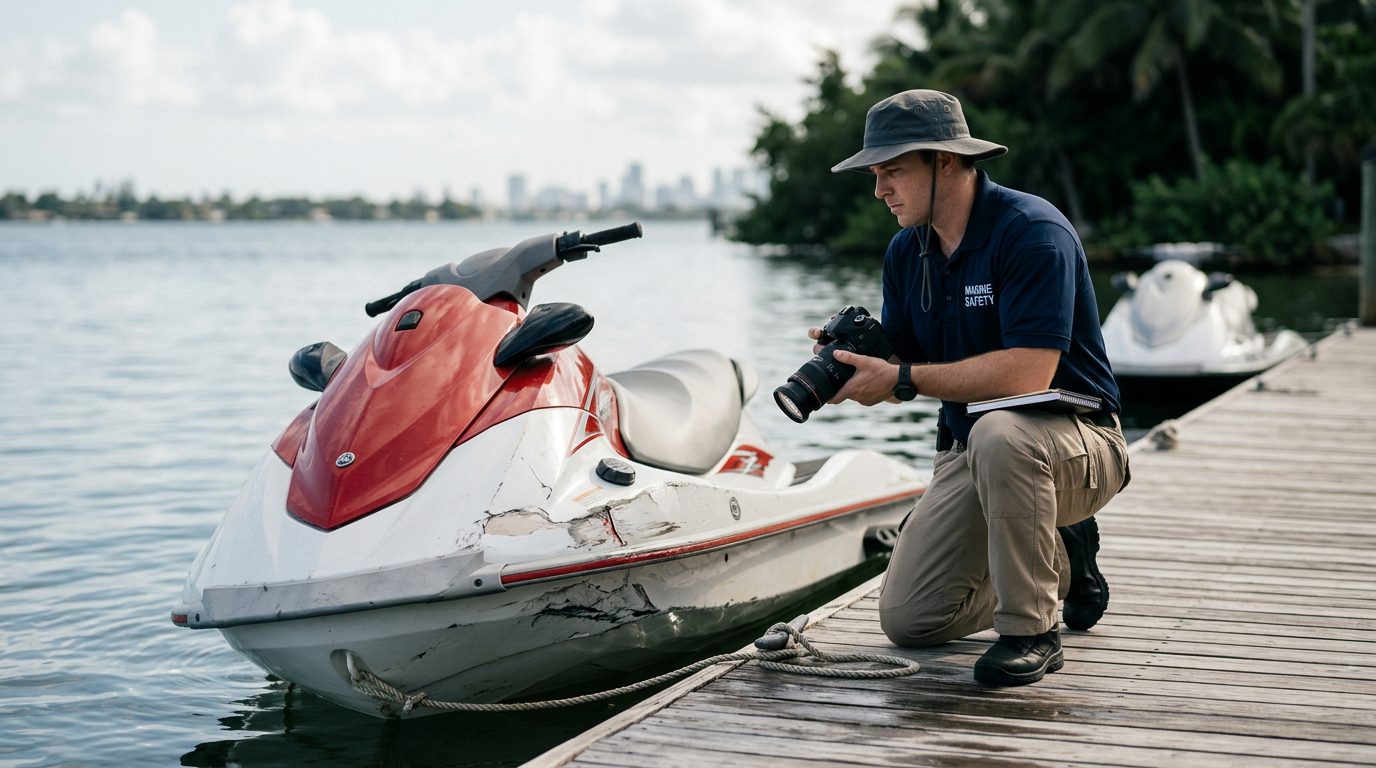
Jet Ski Accidents
Jet Ski Accidents in Miami: Know Your Rights After a Waterway Injury
Jet ski collisions, operator negligence, and defective equipment cause serious injuries every year. If you or a loved one was hurt on the water, you may have a legal claim. CHG Personal Injury Lawyers focuses exclusively on catastrophic injury cases and can help you understand your options.
By CHG Lawyers · Published September 22, 2026
Jet Ski Accidents in Miami: Liability, Catastrophic Injury, and Your Legal Rights
Miami’s Biscayne Bay and coastal waterways attract water sports enthusiasts year-round. Jet skis, boats, and personal watercraft fill these waters daily. But jet ski accidents in Miami happen in seconds. They leave riders and passengers with catastrophic, life-altering injuries—or worse.
When a jet ski accident causes severe injury or death, one critical fact matters: you have a limited window to pursue a claim. Jet ski accidents involve unique liability rules, insurance complications, and maritime law. You need legal representation that understands this landscape.
If you or a family member was injured in a jet ski accident in Miami, this guide explains your rights, who can be held liable, what injuries qualify for recovery, and the steps you must take to protect your claim.
If you or a loved one was hurt on the water, you may have a legal claim. Talk it through with our team — the first consultation is free, confidential, and carries no obligation.
Why Jet Ski Accidents in Miami Are High-Risk
Jet skis are powerful, fast, and difficult to control. Miami’s busy waterways create perfect conditions for collisions.
High-speed operation in congested space: Biscayne Bay, Government Cut, and Miami’s inlet waters host dozens of jet skis, boats, and swimmers simultaneously. Operators traveling at 40, 50, or 60 mph in narrow channels have little time to react. A moment of inattention, excessive speed, or poor judgment causes catastrophic collisions. The Florida Fish and Wildlife Conservation Commission reports that operator error is the leading cause of recreational boating accidents statewide—a pattern that holds true for jet skis in Miami’s high-traffic waters.
Operator inexperience and intoxication: Many jet ski accidents involve operators with minimal training or experience. Alcohol and drug use impair judgment and reaction time. Florida law prohibits operating a jet ski while intoxicated, but violations happen regularly. Unlike car rentals, jet ski rental facilities often provide minimal safety instruction and do not verify operator sobriety before rental.
Equipment failure and maintenance neglect: Jet skis are rented and shared equipment. Rental companies and owners may fail to maintain engines, steering systems, or brakes properly. Defective equipment can fail mid-operation, leaving the rider unable to steer or stop. Rental companies have a legal duty under Florida law to maintain equipment in safe, functioning condition and to disclose known hazards to renters.
Operator negligence: Reckless behavior—excessive speed, weaving through traffic, ignoring no-wake zones, or operating near swimmers—creates foreseeable risk of collision and injury.
Failure to provide safety equipment: Rental operators and owners have a duty to provide functioning life jackets and safety gear. Failure to do so increases injury severity and establishes negligence.
When negligence causes a jet ski accident, the person or business responsible can be held liable for the injuries and damages that result.
Who Can Be Held Liable for a Jet Ski Accident in Miami
Determining liability requires investigation into how the accident occurred, who controlled the jet ski, and what negligent acts caused the collision or injury.
The operator of the jet ski: If the operator was speeding, intoxicated, reckless, or inattentive, they are liable for injuries caused by their negligence. This applies whether they own the jet ski or rented it. Liability attaches to the operator’s conduct, not the equipment itself.
The rental company or equipment owner: Rental companies have a duty to maintain their equipment in safe, functioning condition. They must warn renters of known hazards and provide basic safety instruction. If a rental jet ski had defective steering, brakes, or an engine that failed, the company can be held liable. Failure to train the operator on safe operation, failure to inspect equipment before rental, or failure to maintain maintenance logs also creates liability.
The property or marina owner: If the accident occurred at a marina, beach, or private waterway, the property owner may be liable. They must maintain safe conditions and warn of hazards. They must prevent unsafe operation, such as excessive speed in shallow water or near swimmers. Property owners have a duty to enforce no-wake zones and to prevent congestion that creates foreseeable collision risk.
Other operators: If another jet ski operator collided with yours through negligence or recklessness, that operator and their insurance are liable. This includes operators who violated no-wake zones, operated at excessive speed, or failed to maintain a proper lookout.
Manufacturers: If the jet ski had a design defect, manufacturing defect, or inadequate warning that caused or contributed to the accident, the manufacturer can be held liable. Design defects in steering systems, throttle controls, or fuel systems have been documented in jet ski accident litigation.
Establishing liability requires investigation into the accident scene, witness statements, operator records, equipment maintenance logs, and any available video or photographic evidence. Early preservation of evidence is critical—rental companies and property owners may destroy maintenance records or surveillance footage if not legally preserved.
Catastrophic Injuries from Jet Ski Accidents
Jet ski accidents produce severe, permanent injuries that demand lifelong medical care and rehabilitation.
Spinal cord injuries and paralysis: High-impact collisions or ejection from a jet ski can fracture or damage the spine. Damage to the spinal cord can cause paraplegia (loss of function in the lower body) or quadriplegia (loss of function in all four limbs). Survivors face permanent disability, loss of independence, and need for adaptive equipment, home modifications, ventilator support, and ongoing rehabilitation. A person with quadriplegia may require 24-hour attendant care, costing $150,000 to $300,000 annually.
Traumatic brain injuries: Sudden deceleration, impact with water or another object, or ejection can cause traumatic brain injury. These injuries may result in diffuse axonal injury, intracranial bleeding, or permanent cognitive and neurological damage. Survivors may experience memory loss, difficulty concentrating, personality changes, seizures, and loss of earning capacity. Brain injury recovery often requires months or years of rehabilitation and may never restore full function.
Severe burns: Jet ski fuel fires or electrical fires can cause severe burns affecting large areas of the body. Full-thickness burns require emergency care, surgery, skin grafts, and lifelong reconstructive treatment. Burn survivors face chronic pain, scarring, contractures, and psychological trauma. A person with burns covering 30% or more of body surface area faces years of treatment and permanent disfigurement.
Amputations and limb loss: Crushing injuries, propeller injuries, or thermal damage can result in amputation or loss of limbs. Loss of a limb means permanent loss of function. Survivors need prosthetics and ongoing fitting adjustments and must retrain for daily activities and work. Prosthetic technology and replacement costs are substantial—a quality prosthetic limb costs $15,000 to $100,000 and requires replacement every 3 to 5 years.
Drowning and near-drowning injuries: If a jet ski accident results in submersion, victims may suffer drowning or hypoxic brain injury. Near-drowning survivors may experience permanent neurological damage, cognitive impairment, or conditions requiring lifetime care. Hypoxic brain injury can cause cerebral palsy, seizure disorders, and loss of motor control.
Wrongful death: The most catastrophic outcome is death. Fatal jet ski accidents leave families without a loved one. They face funeral costs, lost income, and emotional devastation. Surviving family members—spouses, children, and parents—have the right to pursue a wrongful-death claim against the responsible parties and seek compensation for their loss. Under Florida Statute § 768.19, surviving family members can recover funeral expenses, lost financial support, and damages for loss of companionship and guidance.
Liability and Insurance in Jet Ski Accidents
Jet ski liability differs from car accidents in important ways.
Personal watercraft liability insurance: Jet ski owners carry liability insurance that covers injuries caused by their negligence. This insurance typically covers medical expenses, lost wages, and pain and suffering up to the policy limit. However, many recreational jet ski operators carry minimal coverage—often $25,000 to $100,000—which is insufficient for catastrophic injuries.
Rental company liability: Rental companies carry commercial liability insurance. If a rented jet ski caused an accident, the rental company’s insurance may cover damages—but only if the rental company was negligent (failure to maintain equipment, inadequate training, failure to warn). Rental companies also carry premises liability insurance if the accident occurred at their facility.
Sovereign immunity and government property: If the accident occurred on government-owned water or property, sovereign immunity may limit or bar recovery against the government. However, exceptions exist under Florida Statute § 768.28, and claims against private parties (rental companies, other operators) may still proceed even if government property is involved.
Uninsured or underinsured operators: Many jet ski operators carry minimal or no liability insurance. If the at-fault operator is uninsured or underinsured, recovery may be limited. Your own uninsured/underinsured motorist coverage (if you have it) may provide additional recovery.
Establishing liability and identifying all available insurance sources requires investigation and legal analysis. Early investigation often reveals multiple liable parties and multiple insurance policies, substantially increasing recovery potential.
Not sure what your next step is?
Talk it through with our team — the first consultation is free, confidential, and carries no obligation.
Damages Available in Jet Ski Accident Cases
Survivors and families of jet ski accident victims can recover compensation for:
- Medical expenses: emergency care, surgery, hospitalization, rehabilitation, ongoing treatment, adaptive equipment, home modifications, and future medical care. In catastrophic injury cases, lifetime medical costs can exceed $1 million.
- Lost wages and reduced earning capacity: wages lost during recovery and permanent reduction in earning capacity due to disability. For a person unable to work due to permanent injury, this can represent decades of lost income.
- Pain and suffering: compensation for physical pain, emotional trauma, and loss of quality of life.
- Wrongful-death damages: funeral and burial costs, lost financial support, loss of companionship, and non-economic damages to surviving family members.
- Punitive damages: in cases of gross negligence or intentional conduct, courts may award additional damages to punish the defendant and deter future misconduct. Punitive damages are available if the defendant’s conduct was reckless or willful.
The amount of compensation depends on the severity of the injury, degree of liability, and strength of the evidence. Thorough investigation and expert analysis are essential to quantify damages accurately and identify all available sources of recovery.
Steps to Take After a Jet Ski Accident in Miami
Seek immediate medical attention. Document all injuries, treatments, and medical records from the start. Medical records are critical evidence of the severity and permanence of your injuries. Request copies of all medical records, imaging, and test results.
Preserve evidence. Photographs, video, personal belongings, and any physical evidence should be secured and protected. Do not allow the jet ski or debris to be discarded or destroyed. Photograph the accident scene, weather conditions, water conditions, and any visible damage to equipment or property.
Collect witness information. Gather names and contact information from other riders, bystanders, marina staff, or anyone who witnessed the accident or its aftermath. Obtain written statements if possible.
Report the accident. File a report with local law enforcement or the Florida Fish and Wildlife Conservation Commission, which oversees boating accidents. Obtain a copy of the accident report. Request the report number and the investigating officer’s contact information.
Do not sign releases or settle claims without legal advice. Insurance companies and defendants may pressure you to settle quickly for far less than your claim is worth. Any settlement must be reviewed by an attorney.
Contact an attorney with experience in jet ski accidents immediately. Early legal intervention protects your rights, ensures evidence is preserved, and positions you to pursue full compensation before statutes of limitation expire. An attorney can issue preservation letters to rental companies, property owners, and insurers, preventing destruction of evidence.
Consult with medical specialists. Catastrophic injuries require ongoing specialized care. Medical experts can document the full scope of your injuries and long-term needs, which is essential to quantify damages.
How We Help Survivors and Families in Miami
Our firm focuses exclusively on catastrophic injury claims, including those arising from jet ski accidents in Miami and throughout Florida. We work with accident reconstructors, maritime experts, and medical specialists to investigate accidents, establish liability, and quantify damages.
We handle all aspects of your jet ski accident injury claim: from initial investigation through negotiation with insurers and, if necessary, litigation in court. We understand the emotional and financial devastation that follows a serious accident. We provide clear guidance at every step.
We take cases on a contingency-fee basis: you pay no upfront costs, and we are paid only if we recover compensation for you.
Frequently Asked Questions
What should I do immediately after a jet ski accident?
Seek medical attention for any injuries. Report the accident to law enforcement or the Florida Fish and Wildlife Conservation Commission. Preserve evidence (photographs, video, equipment). Collect witness information. Do not sign any releases or settlement agreements without speaking to an attorney first.
Who is liable if I was injured by a rented jet ski?
The operator of the jet ski, the rental company (if they failed to maintain equipment or warn of hazards), or both may be liable. The rental company’s liability insurance may cover your damages if the company was negligent.
What if the jet ski operator has no insurance?
If the at-fault operator is uninsured, your own uninsured motorist coverage (if you have it) may provide recovery. You may also pursue a claim directly against the operator, though collection may be difficult. An attorney can identify all available sources of recovery.
How long do I have to file a claim after a jet ski accident in Miami?
Florida’s statute of limitations for personal injury and wrongful-death claims is generally two years from the date of injury. However, this deadline is absolute—missing it bars recovery permanently. Do not delay in contacting an attorney.
Can I recover damages if I was partially at fault for the accident?
Yes. Florida follows comparative negligence rules: you can recover damages even if you were partially at fault, as long as you were not more than 50% responsible. Your recovery is reduced by your percentage of fault.
What damages can I recover in a jet ski accident case?
You can recover medical expenses, lost wages, pain and suffering, and in wrongful-death cases, funeral costs and damages to surviving family members. In cases of gross negligence, punitive damages may also be available.
If you or a family member was injured in a jet ski accident in Miami or lost a loved one in a fatal jet ski collision, you may have a claim against the operator, rental company, property owner, or manufacturer. Your window to pursue recovery is limited.
Contact us for a free case evaluation.
We are here to help you understand your options and pursue the full compensation you deserve.
Time Matters in Jet Ski Injury Claims
Jet ski accident claims are governed by strict legal deadlines and maritime law rules that differ from standard car accident cases. The sooner you contact an attorney, the sooner we can preserve evidence, identify liable parties, and protect your right to compensation.
What Happens After a Jet Ski Accident
Seek Immediate Medical Care
Jet ski injuries often involve head trauma, spinal damage, drowning risk, and severe lacerations. Get emergency medical attention right away, even if you feel okay at first. Document all injuries and treatment.
Report the Accident
Report the incident to the Florida Fish and Wildlife Conservation Commission (FWC) and local law enforcement. Request a copy of the accident report and gather witness contact information.
Preserve Evidence
Photograph the scene, the jet skis involved, your injuries, and any property damage. Keep all medical records, receipts, and communications related to the accident.
Contact a Personal Injury Attorney
Don't speak with insurance companies or the other party's attorney without legal representation. An attorney can investigate liability, identify all responsible parties, and pursue fair compensation.
Have questions about what happened?
Ask our team directly. The first conversation is free, confidential, and there is no obligation to continue.
Why CHG Personal Injury Lawyers for Your Jet Ski Accident Claim
Focus on Catastrophic Injury
We focus exclusively on serious and catastrophic injuries—spinal cord damage, traumatic brain injury, amputations, and severe burns. We understand the long-term impact and fight for compensation that reflects your lifetime needs.
Maritime & Waterway Experience
Jet ski accidents fall under maritime law, which has unique rules and liability standards. Our experience with waterway injury claims means we know how to navigate these complex cases.
Nationwide Representation
Based in Florida and handling cases nationwide, we represent injured victims across the country. If your accident happened in Miami or anywhere else, we can help.
Compassionate, Plain-Language Guidance
We explain your rights and options in clear, everyday language—not legal jargon. We listen, we care, and we're here to support you through every step.
Common Causes of Jet Ski Accidents in Miami
Operator Negligence & Recklessness
Speeding, operating under the influence, failing to yield, and ignoring navigation rules cause most jet ski collisions. An operator's careless behavior can leave you with life-altering injuries.
Defective Equipment & Design Flaws
Faulty throttles, steering failures, fuel system defects, and poor design can cause loss of control. Manufacturers and sellers may be liable if a defect caused your injury.
Rental Company Negligence
Jet ski rental companies have a duty to maintain equipment, warn renters of hazards, and ensure operators are competent. Failure to do so can make them liable for injuries.
Inadequate Safety Equipment & Training
Missing or defective life jackets, helmets, and safety gear—or failure to provide proper instruction—increase injury severity. Rental operators and tour companies may be responsible.
Types of Jet Ski Injuries We Handle
Spinal Cord & Paralysis Injuries
Impact and submersion can cause spinal cord damage leading to paraplegia or quadriplegia. These catastrophic injuries require lifelong care and support.
Traumatic Brain Injury (TBI)
Head strikes during collisions or drowning incidents cause TBI, resulting in cognitive, physical, and emotional changes that affect your entire life.
Severe Burns & Fuel Injuries
Fuel leaks, fires, and explosions cause severe burns. Jet ski fuel is highly flammable and can ignite on impact or from engine heat.
Amputation & Limb Loss
Propeller strikes and crushing injuries can result in loss of fingers, hands, feet, or limbs—permanent injuries that change your life forever.
Who Can Be Held Liable for Your Jet Ski Injury
The Operator
If another operator's negligence, recklessness, or violation of boating laws caused your injury, they may be liable for your damages.
The Jet Ski Owner
The owner may be liable if they negligently maintained the equipment, failed to warn of known defects, or allowed an incompetent or intoxicated operator to use it.
Rental Companies
Rental operators owe a duty of care to renters and the public. They can be liable for failing to maintain equipment, provide safety training, or screen for impaired operators.
Manufacturers & Sellers
If a defective jet ski or component caused your injury, the manufacturer or seller may be liable under product liability law.
You Don't Have to Face This Alone
Related practice areas
- Jet Ski Accidents in Orlando
- Spinal Cord Injuries: A Guide for Victims and Families Facing Paralysis
- Tetraplegia