

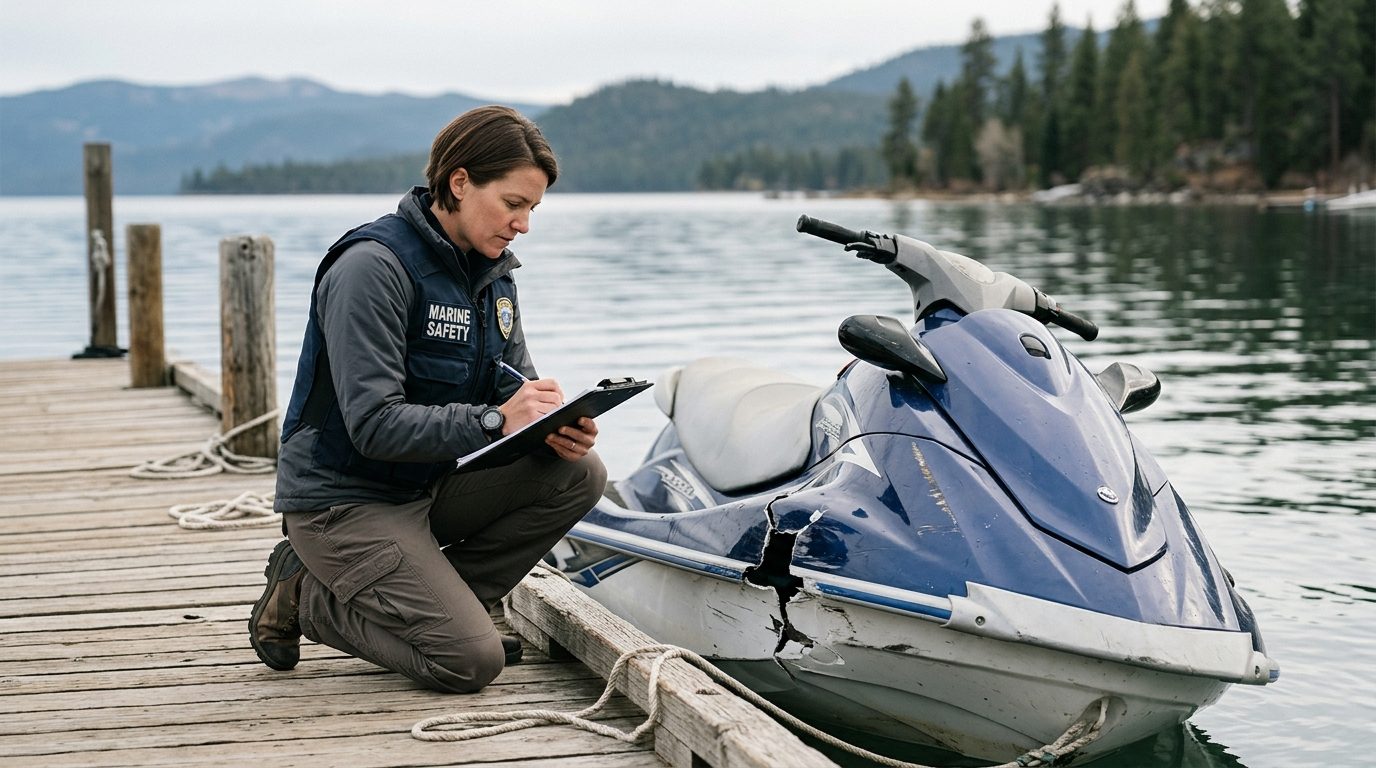
Jet Ski & Personal Watercraft Accidents
Are Jet Ski Accidents Common? What the Data Shows
Thousands of recreational boating accidents occur each year, many resulting in serious injury or death. If you or a loved one was hurt on the water, you may have a legal claim.
The Scale of Recreational Watercraft Accidents
4,080+
Recreational boating accidents reported nationwide (2022)
701
Fatalities from boating accidents annually
Peak Season
May through September sees highest accident rates
By CHG Lawyers · Published September 22, 2026
Jet Ski Accidents: Coast Guard Data, Catastrophic Injuries & Legal Liability in Florida
Jet ski accidents are common—and they often cause permanent, life-altering injuries. Personal watercraft (PWC)—the formal term for jet skis—cause hundreds of accidents and dozens of deaths yearly in U.S. waters. If you’ve been hurt in a jet ski accident, understanding the injury risk, your legal options, and Florida’s liability rules matters.
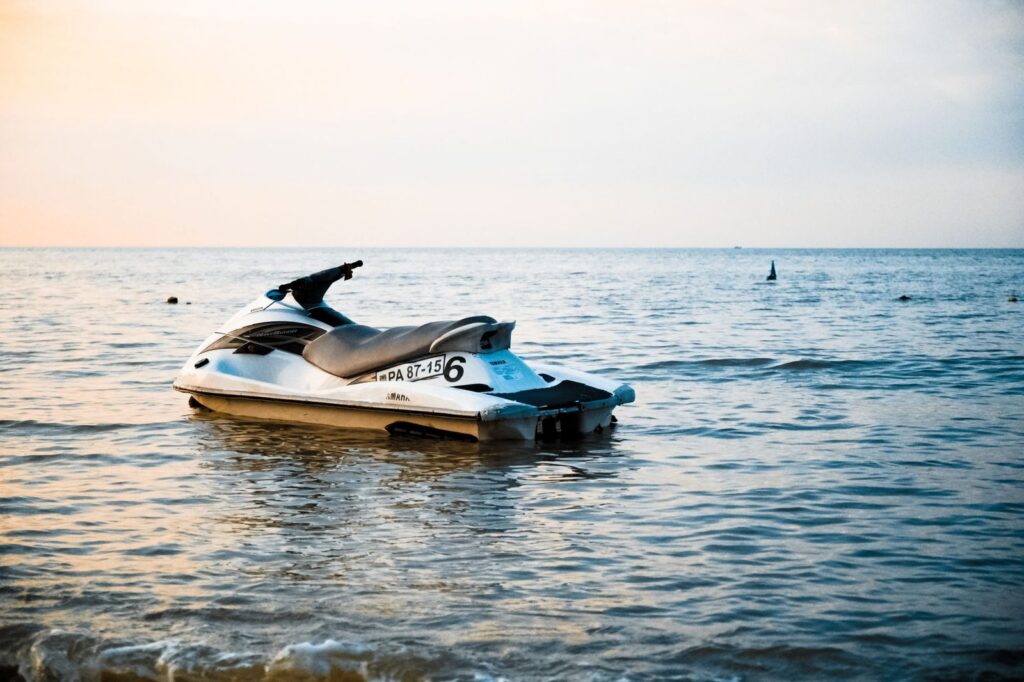
If you or a loved one was hurt on the water, you may have a legal claim. Talk it through with our team — the first consultation is free, confidential, and carries no obligation.
What the Coast Guard Data Actually Shows
The U.S. Coast Guard tracks recreational boating accidents through its Office of Auxiliary and Boating Safety. The numbers are specific and sobering:
Real USCG accident figures: – 2022: 4,080 recreational boating accidents nationwide; 701 fatalities (USCG Boating Safety Division) – Personal watercraft accidents make up a significant portion of these totals – Accident rates spike May through September (warm-water months) – Most crashes happen during daylight hours and are twice as likely on weekends – Operator inexperience and excessive speed are leading factors in PWC incidents
What sets jet ski accidents apart from other boating incidents is not just how often they happen—it’s how severe they are. Many result in permanent, life-altering outcomes: spinal cord damage causing paralysis, traumatic brain injury, amputation from propeller contact, drowning, and wrongful death. These reshape a person’s ability to work, move, and live independently. The fact that accidents are common doesn’t mean they’re inevitable—many are preventable, and when they aren’t, victims have legal recourse.
Why Jet Ski Accidents Happen
Operator Error and Minimal Training
Operator error is the leading cause of jet ski accidents. Many renters get minimal instruction—sometimes just minutes of verbal guidance—and don’t understand how powerful and unstable these machines are. A jet ski responds instantly to throttle input and has no traditional steering wheel; it steers by redirecting the water jet, which means you must keep moving forward to turn. Common mistakes include accelerating too quickly, failing to balance, taking sharp turns at high speed without understanding how the machine will respond, and not knowing how to stop (throttle off, then brake).
Speed and Loss of Control
Jet skis operate at 40–70 miles per hour. At that speed, reaction time shrinks to fractions of a second, and collision force multiplies. A sharp turn at speed—especially in rough water—can flip the jet ski or throw the rider overboard. The machine’s light weight and high power-to-weight ratio make it inherently unstable compared to larger boats.
Alcohol Impairment
Alcohol impairs judgment, balance, and reaction time on moving water. Federal law prohibits operating a PWC with a blood alcohol content of 0.08% or higher—the same limit as driving a car—yet many jet ski accidents involve operators who have been drinking. Impairment is particularly dangerous on water because there are no lane markings, guardrails, or fixed reference points to guide you.
Inadequate Safety Equipment
A U.S. Coast Guard–approved life jacket can mean survival versus drowning. A helmet can prevent or reduce traumatic brain injury. Yet many riders skip these protections, and some rental companies fail to provide them or enforce their use.
Collisions and Environmental Hazards
Jet skis are hard to steer precisely at speed. Collisions with other vessels, swimmers, or fixed objects cause severe injuries. Rough water, poor visibility, fog, and sudden weather changes increase accident risk. Shallow water and submerged obstacles (rocks, logs, sandbars) create additional hazards, especially in coastal Florida waters.
Rental Company Negligence
Rental companies sometimes fail to maintain equipment properly. Worn steering cables, failing brakes, engine problems, fuel system defects, or non-functional engine cutoff lanyards can make a jet ski uncontrollable or unsafe. When a rental company neglects maintenance, fails to inspect equipment before rental, or fails to provide adequate training and safety equipment, they may be legally responsible for resulting injuries.
Catastrophic Injuries from Jet Ski Accidents
Jet ski accidents cause injuries that change lives permanently.
Spinal Cord Injuries and Paralysis
Impact or entanglement during a jet ski accident can damage the spinal cord, resulting in paraplegia (paralysis of the lower body) or quadriplegia (paralysis of all four limbs). According to the Christopher & Dana Reeve Foundation, spinal cord injuries often result in permanent disability requiring lifelong medical care, adaptive equipment, and home modifications. Lifetime costs for spinal cord injury care exceed $1 million. A person with quadriplegia may require 24-hour attendant care, mechanical ventilation, and specialized medical equipment for life.
Traumatic Brain Injury (TBI)
Falls, collisions, and head impacts cause traumatic brain injury. Even helmets reduce but don’t eliminate this risk. Severe TBI can result in permanent cognitive impairment, memory loss, personality changes, difficulty with balance and coordination, and inability to work or live independently. Recovery from severe TBI often requires years of rehabilitation and ongoing neurological care.
Amputation and Propeller Injuries
Propeller contact is among the most severe jet ski injuries. A spinning propeller can sever limbs, cause massive cuts, and result in shock or death. Amputations mean permanent loss of function, phantom pain, prosthetic dependence, and years of rehabilitation. Propeller injuries are particularly common when a rider is thrown overboard and the jet ski circles back, or when a rider tries to retrieve something from the water near a running engine.
Drowning and Near-Drowning
Drowning is among the most common fatal outcomes of jet ski accidents. Survivors of near-drowning often suffer permanent brain damage from oxygen deprivation, resulting in cognitive impairment, memory loss, and inability to return to work or independent living. Families left behind face both the trauma of loss and the legal question of whether someone else’s negligence caused the death.
Severe Burns
Fuel ignition or contact with hot surfaces can cause severe burns requiring surgery, skin grafts, and long-term wound care with permanent scarring and contractures that limit movement.
Jet Ski Stability and Ejection Risk
Jet skis are designed for agility, but that agility comes with instability. A sudden hard turn—especially in rough water or at high speed—can flip the jet ski or throw the rider overboard.
When a jet ski flips, the rider may be trapped underneath, struck by the machine, or separated from it in open water. A minor tip in calm, shallow water might result in nothing worse than a wet ride back to shore. A catastrophic rollover at speed in deep water can cause spinal cord injury, head trauma, or drowning.
Most jet skis have an engine cutoff lanyard—a cord attached to the rider’s wrist or life jacket that shuts off the engine if the rider is separated from the machine. This prevents the jet ski from circling back and striking you. However, lanyards only work if properly attached and functional—another area where rental company maintenance failures create liability. A broken or missing lanyard is a sign of negligent maintenance.
If your reckless or negligent operation causes injury to another person, you may be liable for their medical expenses, lost income, and other damages. Talk it through with our team — the first consultation is free, confidential, and carries no obligation.
Legal Liability: Who Is Responsible?
Florida law holds people and businesses responsible for injuries caused by their negligence. Negligence means failing to act with reasonable care, resulting in injury to someone else. In jet ski accidents, liability depends on what actually caused the accident.
Operator Negligence
If another rider’s reckless or careless operation caused your injury—excessive speed, operation while intoxicated, failure to maintain control, or failure to keep a proper lookout—that operator may be liable for your damages. You must prove that the operator owed you a duty of care, breached that duty, and caused your injury as a result.
Rental Company Liability
Rental companies have a legal duty to maintain equipment in safe condition, to provide adequate warnings about the risks and operation of the equipment, and to ensure renters receive proper instruction. If a rental company fails to maintain a jet ski, provides defective equipment, fails to inspect before rental, sends out a rider without proper training or safety gear, or fails to enforce safety rules (like life jacket use), the company may be responsible for resulting injuries. This is sometimes called premises liability or negligent entrustment—placing a dangerous tool in the hands of someone inadequately trained to use it safely.
Manufacturer Defect
If a jet ski had a design flaw or manufacturing defect that caused or contributed to your accident—for example, faulty steering, brake failure, or a defective fuel system—the manufacturer may be liable under product liability law.
Third-Party Liability
If you were injured by a collision with another vessel, struck by another rider, or harmed by someone else’s failure to maintain safe practices, that person or entity may be liable.
Florida’s Statute of Limitations and Comparative Fault Rules
Time Limit to File a Claim
Under Florida law, you generally have two years from the date of injury to file a personal injury lawsuit. For wrongful death claims (when a jet ski accident is fatal), the family has two years from the date of death. This deadline is strict—if you miss it, you lose the right to sue, even if you have a strong case. If you’ve been injured, contact an attorney promptly to preserve your rights.
Comparative Fault
Florida follows a “comparative fault” rule (Fla. Stat. § 768.81(6)). This means that if you were partly responsible for your injury, your recovery may be reduced by your percentage of fault. For example, if you were injured in a jet ski accident and you were 20% at fault (perhaps you weren’t wearing a life jacket, or you were operating the jet ski recklessly), your damages award would be reduced by 20%. However, if you are found to be more than 50% at fault, you cannot recover anything. This rule makes it critical to investigate and document what actually happened—to establish that someone else bears primary responsibility for your injury.
What to Do Immediately After a Jet Ski Accident
At the Scene:
- Seek immediate medical attention for any injury, even if it seems minor. Some injuries (like internal bleeding or spinal cord damage) may not be obvious immediately.
- Report symptoms like headache, dizziness, difficulty breathing, numbness, tingling, or loss of sensation to medical personnel immediately.
- Report the accident to the Coast Guard if it occurs in federal waters, or to local law enforcement if it occurs in state or local waters. A police or Coast Guard report creates an official record.
- Document the scene. Take photos of the jet ski, the water conditions, any visible injuries, and the surrounding area. Note the time of day and weather.
- Gather witness information. Get names, phone numbers, and addresses from anyone who saw the accident.
- Preserve evidence. Do not allow the jet ski to be repaired or discarded. The rental company’s maintenance records, the rental agreement, and communications about the rental are all evidence.
In the Days After:
- Keep detailed medical records. Save all medical bills, test results, imaging (X-rays, MRI), and treatment notes. These document the extent of your injury.
- Document lost income. Keep records of time off work and lost wages.
- Photograph injuries. Document visible injuries with photos over time as they heal (or don’t).
- Write down what happened. While details are fresh, write a detailed account of the accident, the conditions, what the operator did, and what you remember about the jet ski’s condition and behavior.
Legal Considerations:
If someone else’s negligence caused your injury, you may have a legal claim for damages. These damages can include: – Medical expenses (emergency care, surgery, hospitalization, rehabilitation) – Ongoing medical care and rehabilitation costs – Lost income and lost earning capacity – Adaptive equipment and home modifications – Pain and suffering – Permanent disability and loss of quality of life – In wrongful death cases, funeral expenses and the family’s loss of companionship and support
When to Contact an Attorney
Contact an attorney as soon as possible after a jet ski accident if: – You suffered a serious or permanent injury – You were hospitalized or required surgery – You lost consciousness or have memory gaps – You cannot return to work – The accident involved another operator, a rental company, or a manufacturer – Someone else’s negligence contributed to your injury – A family member was killed in the accident
An early investigation is critical. Evidence can disappear—the jet ski may be repaired or discarded, witnesses’ memories fade, and rental company records may be lost. An attorney can preserve evidence, interview witnesses, obtain accident reports, and determine who is legally responsible for your injury.
Not sure what your next step is?
Talk it through with our team — the first consultation is free, confidential, and carries no obligation.
How to Reduce Jet Ski Accident Risk
If you choose to ride a jet ski, take these steps to reduce your risk:
- Inspect before riding. Check fuel, oil, steering, and brakes. Verify the engine cutoff lanyard is attached and functional. Ask the rental company when the jet ski was last serviced.
- Wear proper safety gear. A U.S. Coast Guard–approved life jacket and a helmet are essential. Wear protective clothing to reduce abrasion injury if you fall.
- Operate responsibly. Stay within speed limits. Avoid alcohol entirely. Be aware of other vessels, swimmers, and obstacles. Reduce speed in rough water or poor visibility.
- Get trained. Take a boating safety course before renting. Understand how to start, steer, accelerate, and stop your specific jet ski. Ask the rental company for a thorough demonstration.
- Communicate. Tell someone where you’re going and when you expect to return. Stay in visual contact with others on the water.
- Know local rules. Understand boating regulations, speed zones, and water conditions in the area where you’ll ride.
FAQ
How many jet ski accidents happen each year?
The U.S. Coast Guard reported 4,080 recreational boating accidents nationwide in 2022, with 701 fatalities. Personal watercraft accidents make up a significant portion of these. Accidents are more common on weekends and during warmer months (May through September).
What is the most common catastrophic injury from jet ski accidents?
Drowning and near-drowning are among the most serious and common fatal outcomes. Non-fatal catastrophic injuries include spinal cord damage causing paralysis, traumatic brain injury, and propeller amputations.
Are jet ski rentals regulated?
Rental practices and safety standards vary by state and rental company. Some states require operator training or safety certification; others do not. Florida does not require a boating license to rent a jet ski, though some rental companies impose their own requirements. Rental companies’ equipment maintenance and safety practices differ widely, creating liability exposure when companies fail to meet their duty of care.
Can I be held liable if I injure someone while operating a jet ski?
Yes. If your reckless or negligent operation causes injury to another person, you may be liable for their medical expenses, lost income, and other damages. Florida law holds operators responsible for injuries caused by their negligence.
What is Florida’s statute of limitations for a jet ski accident claim?
You generally have two years from the date of injury to file a personal injury lawsuit in Florida (Fla. Stat. § 95.11(5)(a)). For wrongful death claims, the family has two years from the date of death. This deadline is strict—missing it means losing the right to sue.
What should I do if I’m injured in a jet ski accident?
Seek immediate medical attention. Report the accident to law enforcement or the Coast Guard. Document what happened and gather witness information. Preserve evidence, including the jet ski and rental agreement. If someone else’s negligence caused your injury, you may have a legal claim. Contact CHG Personal Injury Lawyers for a free case evaluation to discuss what occurred and explore your options.
If you or a family member suffered a catastrophic injury or death in a jet ski accident, you’re likely facing questions about medical care, recovery, and whether someone else should be held responsible. Contact CHG Personal Injury Lawyers for a free case evaluation to discuss what occurred and explore your legal options.
Common Causes of Jet Ski Accidents
Operator Error & Inexperience
Many jet ski accidents involve operators who lack proper training, misjudge speed or distance, or fail to follow basic water-safety rules. Reckless operation—excessive speed, sharp turns, or collisions with other vessels—is a leading cause of injury.
Defective Equipment
Mechanical failure, manufacturing defects, or poor maintenance can cause loss of control, engine failure, or steering malfunction. Faulty brakes, throttle problems, or hull defects may make an accident unavoidable.
Negligent Rental or Instruction
Jet ski rental companies have a duty to maintain equipment, provide adequate safety instruction, and screen renters for fitness to operate. Failure to do so—renting to intoxicated persons or providing unsafe equipment—can lead to serious injury.
Collisions & Hazardous Conditions
Accidents occur when jet skis collide with other watercraft, swimmers, or fixed objects. Poor visibility, crowded waterways, unmarked hazards, and operator inattention increase collision risk.
Types of Injuries from Jet Ski Accidents
Spinal Cord & Paralysis Injuries
Impact trauma can cause spinal cord damage, resulting in partial or complete paralysis (paraplegia or quadriplegia). These catastrophic injuries often require lifelong medical care and mobility assistance.
Traumatic Brain Injuries
Head trauma from collision, ejection, or striking the water at high speed can cause concussion, diffuse axonal injury, or intracranial bleeding. Cognitive, physical, and behavioral changes may be permanent.
Amputation & Limb Loss
Propeller strikes, entanglement, or crushing injuries can result in partial or complete loss of fingers, hands, arms, legs, or feet—often requiring surgical amputation and lifelong prosthetic care.
Severe Burns & Drowning
Fuel leaks, fires, or prolonged immersion can cause severe burns or near-drowning injuries with lasting neurological and respiratory consequences.
Act Quickly After a Jet Ski Accident
Serious watercraft injuries often involve multiple parties—the operator, the rental company, the boat owner, or a manufacturer. Evidence deteriorates quickly, and witnesses may be hard to locate later. Documenting the scene, obtaining medical records, and preserving evidence is critical to building a strong claim.
Why You Need a Personal Injury Lawyer After a Jet Ski Accident
Identifying Liability
Determining who is legally responsible—the operator, rental company, manufacturer, or property owner—requires investigation and legal analysis. We focus exclusively on personal injury and understand how liability works in watercraft cases.
Handling Complex Claims
Jet ski accidents often involve maritime law, product liability, negligence, and insurance disputes. We manage the legal complexity so you can focus on recovery.
Advocating for Fair Compensation
Catastrophic injuries require substantial compensation for medical care, lost income, pain, and permanent disability. We fight to ensure you receive what your injury truly costs.
No Attorney’s Fees Unless There Is a Recovery
We work on a contingency basis—no attorney’s fees unless there is a recovery. You pay nothing upfront, and we only collect if we secure compensation for you.
What to Do After a Jet Ski Accident
Seek Medical Attention Immediately
Even if injuries seem minor, get evaluated by a doctor. Some injuries—internal bleeding, spinal damage, or brain trauma—may not be obvious at first. Medical records are also critical evidence for your claim.
Report the Accident
File a report with the U.S. Coast Guard or local authorities if required. Obtain a copy of the official report, which documents the incident and may identify other witnesses.
Preserve Evidence
Take photos and video of the accident scene, the jet ski, any injuries, and the surrounding area. Collect names and contact information from witnesses. Keep all medical records, receipts, and correspondence related to the accident.
Consult a Personal Injury Lawyer
Contact us for a free case evaluation. We can review your accident, explain your legal options, and advise you on next steps—all at no cost unless we recover compensation for you.