

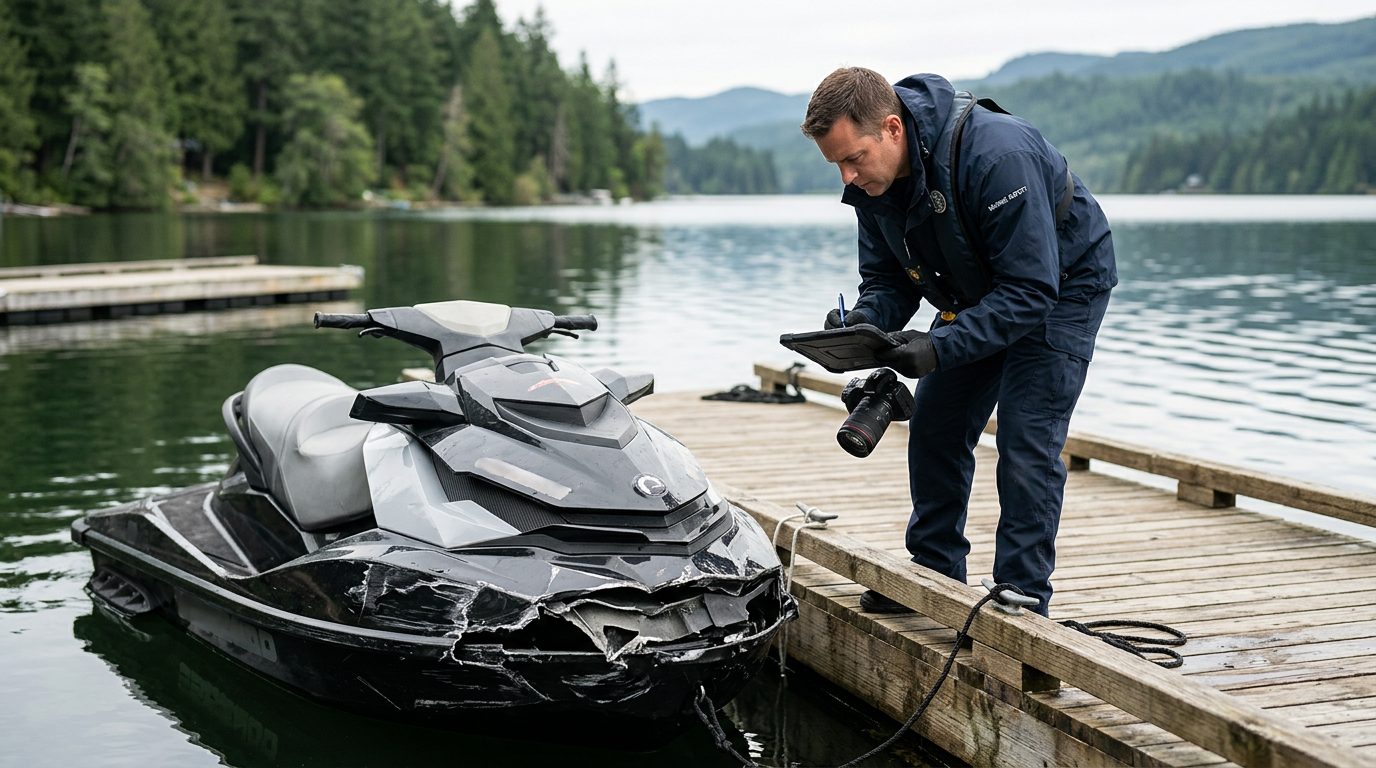
Jet Ski & Personal Watercraft Accidents
Jet Ski Accident Injuries: Spinal Cord and Brain Damage
High-speed collisions and impact injuries on the water cause catastrophic, life-altering harm. If you or a loved one was injured, we can help.
By CHG Lawyers · Published October 03, 2026
Jet Ski Accident Injuries: Spinal Cord Damage, Brain Injury & Amputation
Jet ski accidents can cause catastrophic injuries that permanently reshape a person’s life and their family’s finances. Spinal cord damage, paralysis, traumatic brain injury, amputation, severe burns, or drowning are not minor injuries—they involve permanent neurological or physical impairment, lifelong medical dependence, and profound loss of function.
This guide explains the catastrophic injuries that result from jet ski collisions, operator negligence, and mechanical failure—and the legal framework that may allow you to recover damages in Florida and nationwide.
Not sure what your next step is?
Talk it through with our team — the first consultation is free, confidential, and carries no obligation.
Spinal Cord Injuries and Paralysis from Jet Ski Trauma
High-impact jet ski collisions can fracture, compress, or sever the spinal cord, resulting in paraplegia (lower-body paralysis) or quadriplegia (full-body paralysis).
The spine is vulnerable in jet ski accidents because riders sit upright and exposed. A sudden deceleration, collision, or ejection can fracture vertebrae or herniate discs catastrophically, damaging nerve fibers inside the spinal canal. Once spinal cord tissue is damaged, it does not regenerate. Paralysis is typically permanent.
Survivors of catastrophic spinal cord injury from jet ski accidents face:
- Emergency surgery (often within hours) to stabilize the spine
- Intensive-care hospitalization and acute rehabilitation
- Permanent loss of sensation and motor function below the injury level
- Chronic neuropathic pain (often severe and difficult to manage)
- Lifelong need for wheelchairs, braces, or other mobility aids
- Home modifications: ramps, accessible bathrooms, roll-in showers, specialized beds, and lift systems
- Attendant care (personal assistance with bathing, dressing, toileting, and transfers)
- Ongoing urological, bowel, and skin-care management to prevent infection
- Vocational rehabilitation or permanent disability
The lifetime cost of care for a person with paraplegia can range from $1.3 million to $4.6 million; for quadriplegia, from $2.3 million to $7.7 million. These costs include medical care, equipment, home modifications, lost wages, and caregiver support—often extending across 50+ years of life expectancy.
Traumatic Brain Injury from Jet Ski Impact
Head trauma from jet ski accidents can cause traumatic brain injury (TBI). Impact with the water at high speed, collision with another vessel, or strike from debris all pose risks. Even helmets don’t guarantee protection against the force of high-speed impact.
The force of a collision can move the brain inside the skull, tearing nerve fibers and causing bleeding or swelling. Severe TBI results in cognitive impairment, memory loss, personality changes, difficulty with speech or movement, and permanent disability. Recovery from catastrophic TBI is unpredictable and often requires years of rehabilitation.
Survivors of severe jet ski-related brain injury may experience:
- Loss of consciousness or prolonged coma
- Difficulty with executive function (planning, decision-making, impulse control)
- Memory loss (short-term, long-term, or both)
- Speech and language problems (aphasia, dysarthria)
- Physical impairment (weakness, paralysis, loss of coordination, tremor)
- Emotional and behavioral changes (irritability, aggression, depression, anxiety)
- Seizures (occurring immediately or months or years after injury)
- Chronic headaches, dizziness, and sensory sensitivity
- Loss of employment and inability to return to pre-injury work
The long-term impact on relationships, independence, and quality of life can be as severe as spinal cord injury. Families often report that the person they knew before the accident is no longer the same.
Amputation and Limb Loss from Jet Ski Propellers
Jet ski propellers rotate at speeds exceeding 3,500 RPM and can cause severe lacerations, crushing injuries, or complete amputation. Collision trauma can also result in crush injuries that require amputation.
Amputation is permanent. Survivors require:
- Emergency surgery to control bleeding and prepare the limb for prosthetics
- Prosthetic devices (often multiple replacements as the body changes)
- Physical therapy and occupational therapy to learn to use prosthetics
- Phantom limb pain (chronic pain in the missing limb)
- Psychological counseling for trauma and adjustment to limb loss
- Vocational rehabilitation to return to work (if possible)
- Lifelong prosthetic maintenance and replacement
A single jet ski propeller injury can result in the loss of multiple limbs or digits. This compounds disability and cost of care. Amputees face employment barriers, social stigma, and the need for specialized medical care for life.
Severe Burn Injuries from Jet Ski Fuel and Engine Fires
Jet ski fuel leaks, engine fires, or explosions can cause severe thermal burns. Severe burns (third-degree or full-thickness burns covering more than 10% of body surface area) are life-threatening and require emergency treatment.
Survivors of severe jet ski burns face:
- Intensive-care hospitalization (often for weeks or months)
- Multiple reconstructive surgeries
- Skin grafts and tissue grafts (often from cadaver skin or synthetic substitutes)
- Aggressive pain management and wound care
- High risk of infection and sepsis
- Contractures (permanent restriction of movement from scar tissue)
- Psychological trauma and post-traumatic stress disorder (PTSD)
- Chronic pain and sensory changes
- Ongoing dermatological and surgical follow-up for years
Recovery from catastrophic burns can take years. Full function or appearance may never be restored. Survivors often face permanent scarring, disfigurement, and loss of mobility.
Drowning and Near-Drowning Injuries
Jet ski accidents can result in submersion, loss of consciousness, or inability to reach the surface. Drowning causes brain damage from oxygen deprivation. Survivors may experience permanent neurological impairment, cognitive disability, or remain in a persistent vegetative state.
Near-drowning injuries can be as severe as fatal outcomes in terms of permanent disability. A person who survives a near-drowning may wake up unable to speak, move, or recognize family members. The brain damage from oxygen deprivation is often irreversible.
Survivors of near-drowning may require:
- Intensive-care hospitalization and mechanical ventilation
- Ongoing neurological monitoring
- Rehabilitation for cognitive and physical impairment
- Lifelong care and supervision
- Assistive devices and home modifications
Have questions about what happened?
Ask our team directly. The first conversation is free, confidential, and there is no obligation to continue.
Severe Back and Neck Injuries from Jet Ski Collision
Impact from jet ski collisions can cause severe, non-healing injuries to the spine, discs, and surrounding tissues. Unlike minor back or neck strain, catastrophic spine injuries cause chronic pain, loss of mobility, nerve damage, and permanent disability.
These injuries often require:
- Emergency imaging (CT or MRI) to assess the extent of damage
- Surgery to stabilize the spine or remove bone fragments
- Ongoing pain management (medication, injections, or implanted devices)
- Physical therapy and rehabilitation
- Lifelong activity restrictions and work limitations
- Assistive devices and home modifications
When a jet ski accident damages the spine without causing complete paralysis, the survivor may still face severe restrictions on movement, work, and daily life.
Fatality: The Most Catastrophic Outcome
Jet ski accidents result in deaths every year. According to the U.S. Coast Guard, recreational boating fatalities (including jet skis) totaled 4,145 deaths in 2022. Drowning was the leading cause. Fatalities occur from drowning, trauma, collision, or a combination of factors.
When a jet ski accident is fatal, the family left behind faces grief and the need to understand whether negligence or wrongdoing contributed to the death. Families of deceased jet ski accident victims may have legal rights to pursue a wrongful-death claim against a negligent operator, rental company, or property owner.
A wrongful-death claim allows the family to recover damages for:
- Funeral and burial expenses
- Lost income and financial support the deceased would have provided
- Loss of companionship and emotional support
- Pain and suffering experienced by the deceased before death (if applicable)
- Punitive damages (in cases of gross negligence or intentional misconduct)
Under Florida law, a wrongful-death action must be brought within 2 years of the date of death.
Common Causes of Catastrophic Jet Ski Accidents
Understanding the cause of an accident is often the first step in determining who may be responsible.
Common causes include:
- Operator error: inexperience, recklessness, speeding, or impaired operation (alcohol or drugs)
- Collision: with another vessel, fixed object, dock, or person in the water
- Mechanical failure: defective engine, steering, throttle, or fuel system; poor maintenance
- Negligent rental practices: renting to unqualified or intoxicated operators; failing to provide safety equipment (life jackets, helmets); renting unsafe or poorly maintained vessels
- Lack of supervision: failure to enforce safety protocols in areas where jet skis are used
- Failure to maintain safe distance: from swimmers, divers, or other water users
- Inadequate safety training: rental companies failing to provide required instruction on operation and safety
Who May Be Liable for a Catastrophic Jet Ski Injury?
Liability depends on the cause of the accident and the actions (or inactions) of the parties involved.
Operator liability: A jet ski operator who causes an accident through negligence, recklessness, or impaired operation may be liable for injuries. Negligence includes speeding, failing to maintain a safe distance from other water users, operating while intoxicated, or operating recklessly.
Rental-company liability: Jet ski rental companies can be held liable if they: – Rent to unqualified or intoxicated operators – Fail to maintain equipment in safe condition – Fail to provide required safety training or equipment (life jackets, helmets) – Rent unsafe or defective vessels – Fail to enforce safety rules or warn renters of known hazards
Property-owner liability: Property owners or managers may be liable if they fail to enforce safety rules, allow unsafe jet ski operation in their waters, or fail to warn of known hazards.
Manufacturer liability: Manufacturers can be liable if a defective jet ski, engine, fuel system, or other equipment caused the accident.
Florida’s Comparative-Negligence Law
Under Florida law, comparative negligence applies to personal-injury claims. This means that even if you were partially at fault for the accident, you may still recover damages. Your recovery is reduced by your percentage of fault.
For example, if you were 20% at fault and your total damages are $100,000, you can recover $80,000. However, if you are more than 50% at fault, you generally recover nothing under Florida’s “modified comparative negligence” rule.
Florida’s Statute of Limitations for Jet Ski Injury Claims
Time is critical. A personal-injury action in Florida must be filed within 2 years of the date the cause of action accrues. For wrongful-death claims, the deadline is also 2 years from the date of death.
Waiting too long can result in loss of your right to sue. The statute of limitations is a hard deadline. Courts will not extend it except in rare circumstances.
Why Jet Ski Injury Claims Require Experienced Representation
Catastrophic jet ski injuries are complex. They often involve multiple parties—operators, rental companies, property owners, and manufacturers—and require investigation into mechanical failure, operator conduct, and negligent rental or supervision practices. Damages in these cases can reach millions of dollars when spinal cord injury, brain injury, amputation, or fatal outcomes are involved.
CHG Personal Injury Lawyers focuses exclusively on catastrophic injury claims, including spinal cord injuries, paralysis, traumatic brain injury, amputation, severe burns, and wrongful death. We understand the medical, financial, and legal complexity of these cases and work to hold negligent parties accountable.
Want to know where you stand?
Tell us what happened and our team will walk you through the options available to you, at no cost.
What Happens After a Catastrophic Jet Ski Injury?
Immediate medical care is critical. Catastrophic injuries require emergency treatment and often hospitalization.
Long-term recovery involves rehabilitation, ongoing medical care, assistive devices, and home modifications. The financial impact is severe. Medical bills, lost income, disability care, and lifetime care costs can reach hundreds of thousands or millions of dollars. Families often face emotional trauma, caregiver burden, and the need to navigate complex medical and legal systems.
Understanding your legal rights—and whether negligence or wrongdoing played a role in your accident—is an important first step toward securing the resources your family needs.
Frequently Asked Questions
What are the most common jet ski accident injuries?
Spinal cord injuries, traumatic brain injuries, and drowning are among the most common catastrophic outcomes. Each has permanent, life-altering consequences.
Can you get a spinal cord injury from a jet ski accident?
Yes. High-impact collisions, being thrown from the jet ski, or striking another vessel can fracture or compress the spine, resulting in paraplegia or quadriplegia.
How long do you have to file a lawsuit after a jet ski accident in Florida?
You have 2 years from the date of the accident to file a personal-injury claim (Fla. Stat. § 95.11(5)(a)). You have 2 years from the date of death to file a wrongful-death claim.
Can you sue a jet ski rental company?
Yes, if the rental company rented to an unqualified or intoxicated operator, failed to maintain the equipment, failed to provide required safety training or equipment, or rented an unsafe vessel.
What is a wrongful-death claim?
A legal action brought by the family of someone killed in an accident. It recovers damages for funeral expenses, lost income, and the family’s loss of companionship and support.
What is comparative negligence?
Florida law that allows you to recover damages even if you were partially at fault. Your recovery is reduced by your percentage of fault. If you are more than 50% at fault, you recover nothing.
Next Steps
If you or a family member suffered a catastrophic injury in a jet ski accident—whether spinal cord damage, paralysis, brain injury, amputation, severe burns, drowning, or a fatal outcome—you’re likely facing overwhelming medical, financial, and emotional challenges right now.
You may be wondering whether someone else was at fault, whether you have a legal claim, or how to pay for the care your family needs. The 2-year deadline to file a claim in Florida moves quickly.
A free case evaluation can help you understand whether negligence or wrongdoing played a role in your accident, who may be liable, and what your next steps might be. Contact us today to speak with someone who understands what you’re facing.
Common Jet Ski Accident Injuries
Spinal Cord Injuries
High-impact collisions, being thrown from the jet ski, or striking another vessel can fracture or damage the spine. Spinal cord injuries often result in partial or complete paralysis (paraplegia or quadriplegia), permanent loss of sensation and motor function, and lifelong care needs.
Traumatic Brain Injuries
Head trauma from impact with the water, another jet ski, or a fixed object can cause concussions, bleeding in the brain, and diffuse axonal injury. These injuries may lead to cognitive impairment, memory loss, personality changes, and long-term disability.
Drowning and Near-Drowning
Accidents that throw riders into the water, combined with loss of consciousness or inability to swim, create immediate life-threatening risk. Survivors of near-drowning may suffer permanent brain damage from oxygen deprivation.
Severe Orthopedic Injuries
Fractures of the spine, pelvis, ribs, and limbs are common in high-speed collisions. Some injuries require amputation or result in permanent impairment and chronic pain.
Act Quickly
Jet ski accident claims involve complex questions of operator negligence, vessel maintenance, and waterway safety. Evidence—including witness statements, weather records, and vessel inspection reports—can disappear quickly. The sooner you contact an attorney, the sooner we can preserve critical facts and begin building your case.
Why CHG Personal Injury Lawyers Handles Jet Ski Cases
Focus on Catastrophic Injury
Our practice focuses exclusively on serious and catastrophic injuries—spinal cord damage, brain injury, amputation, and other permanent, life-altering harm. We understand the medical, financial, and personal stakes.
Waterway & Maritime Experience
Jet ski accidents involve unique legal questions about operator liability, vessel defects, waterway conditions, and regulatory compliance. We have the experience to investigate and pursue these claims.
National Reach, Local Knowledge
Compassionate, Straight Talk
We listen to your story, explain your options in plain language, and fight for fair compensation so you can focus on recovery and rebuilding your life.
What Happens After a Jet Ski Accident
Immediate Medical Care
Seek emergency medical attention at once, even if injuries seem minor. Spinal cord and brain injuries may not be immediately obvious. Document all treatment, imaging, and medical records.
Report the Accident
Report the incident to local law enforcement, the U.S. Coast Guard (if in federal waters), or the state boating authority. Request a copy of the accident report and any citations issued.
Preserve Evidence
Collect names and contact information from witnesses. Take photos of the accident scene, the jet skis involved, water conditions, and any visible injuries. Preserve the jet ski and any safety equipment for inspection.
Contact an Attorney
Reach out to us as soon as possible. Early investigation protects your rights, preserves evidence, and ensures you understand your legal options and potential recovery.