

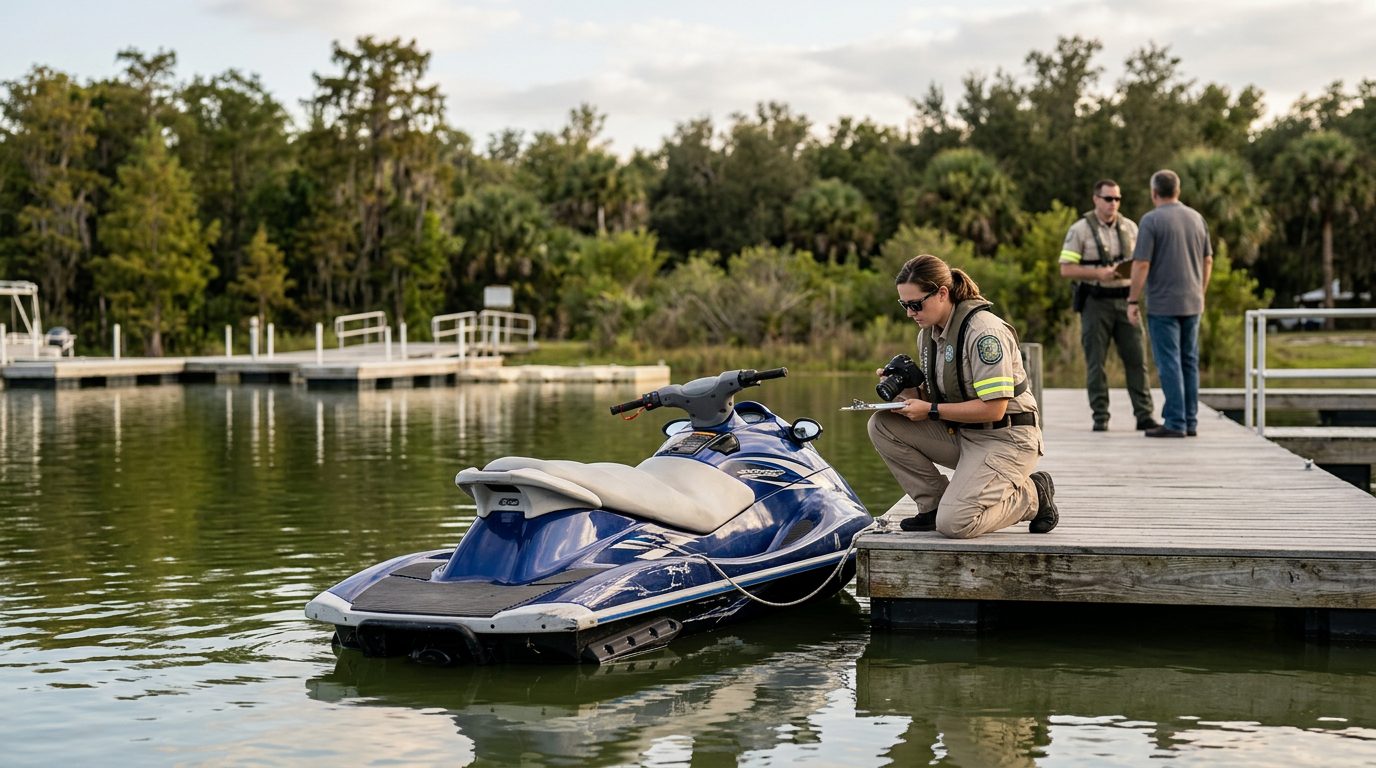
Jet Ski Accidents | Serving Florida
Hurt on the Water? Understand Your Options After a Florida Jet Ski Accident
Jet ski crashes can cause spinal cord injuries, brain injuries, broken bones, and wrongful death. CHG Personal Injury Lawyers helps injured people and their families across Florida understand what happened and what they can do next.
By CHG Lawyers · Published October 12, 2026
Jet Ski Accidents in Florida: Causes, Catastrophic Injuries & Your Legal Rights
Jet ski accidents in Florida cause serious, life-altering injuries and deaths every year. This page focuses on those catastrophic outcomes—spinal cord injuries, paralysis, traumatic brain injuries, amputations, severe burns, and fatal crashes—not minor bumps or bruises. If you’ve been injured or lost a loved one, you need to understand what happened, who may be responsible, and what legal options exist.
If you've been injured or lost a loved one, you need to understand what happened, who may be responsible, and what legal options exist. Talk it through with our team — the first consultation is free, confidential, and carries no obligation.
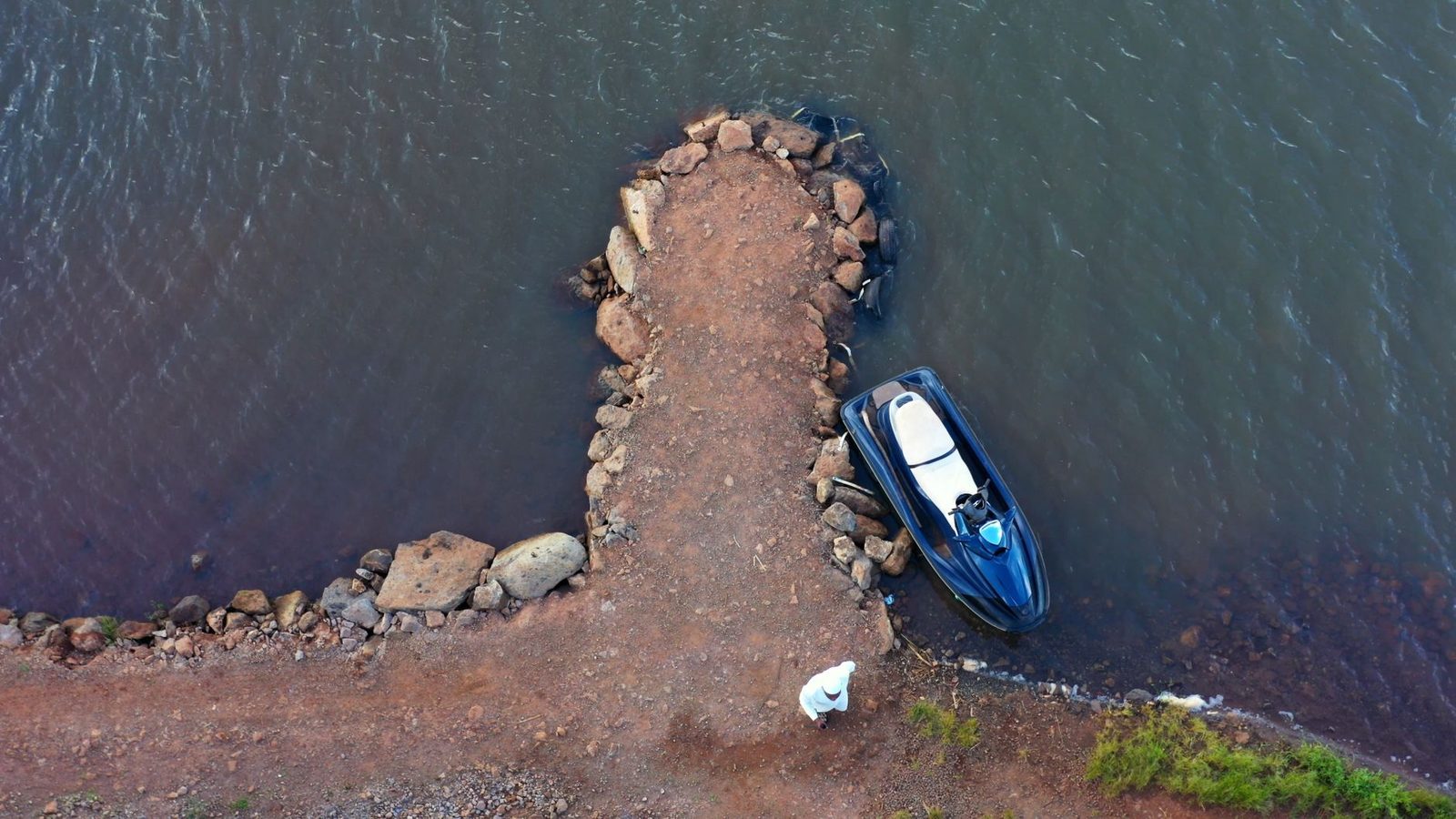
Jet Ski Accidents Happen Frequently in Florida Waters
Florida’s warm climate and year-round boating culture make jet skis a year-round fixture on our lakes, rivers, and coastal waters. From the Everglades to the Atlantic, from Tampa Bay to the Keys, jet skis are everywhere—which means accidents are too.
The Florida Fish and Wildlife Conservation Commission (FWC) tracks boating accidents statewide. In 2020 alone, there were 227 personal watercraft (PWC/jet ski) accidents. These resulted in 183 injuries and 15 fatalities. Miami-Dade County and Broward County see the highest numbers. Miami-Dade reported over 10,900 jet ski accidents in a single year. Broward County was close behind at nearly 8,000.
Many of these aren’t minor fender-benders. They involve high-speed collisions, operators under the influence, and catastrophic trauma.
The high volume of jet ski activity in Florida creates a perfect storm for serious accidents. Warm weather, crowded waterways, and year-round use all play a role. When accidents happen, the consequences are often devastating.
What Causes Jet Ski Accidents in Florida?
Most jet ski accidents stem from operator error, negligence, or recklessness. Here are the leading causes:
Operator inexperience and lack of safety training is a leading cause. Many operators don’t understand how to handle a jet ski’s speed, turning radius, or stopping distance. This is why Florida enacted Lucy’s Law.
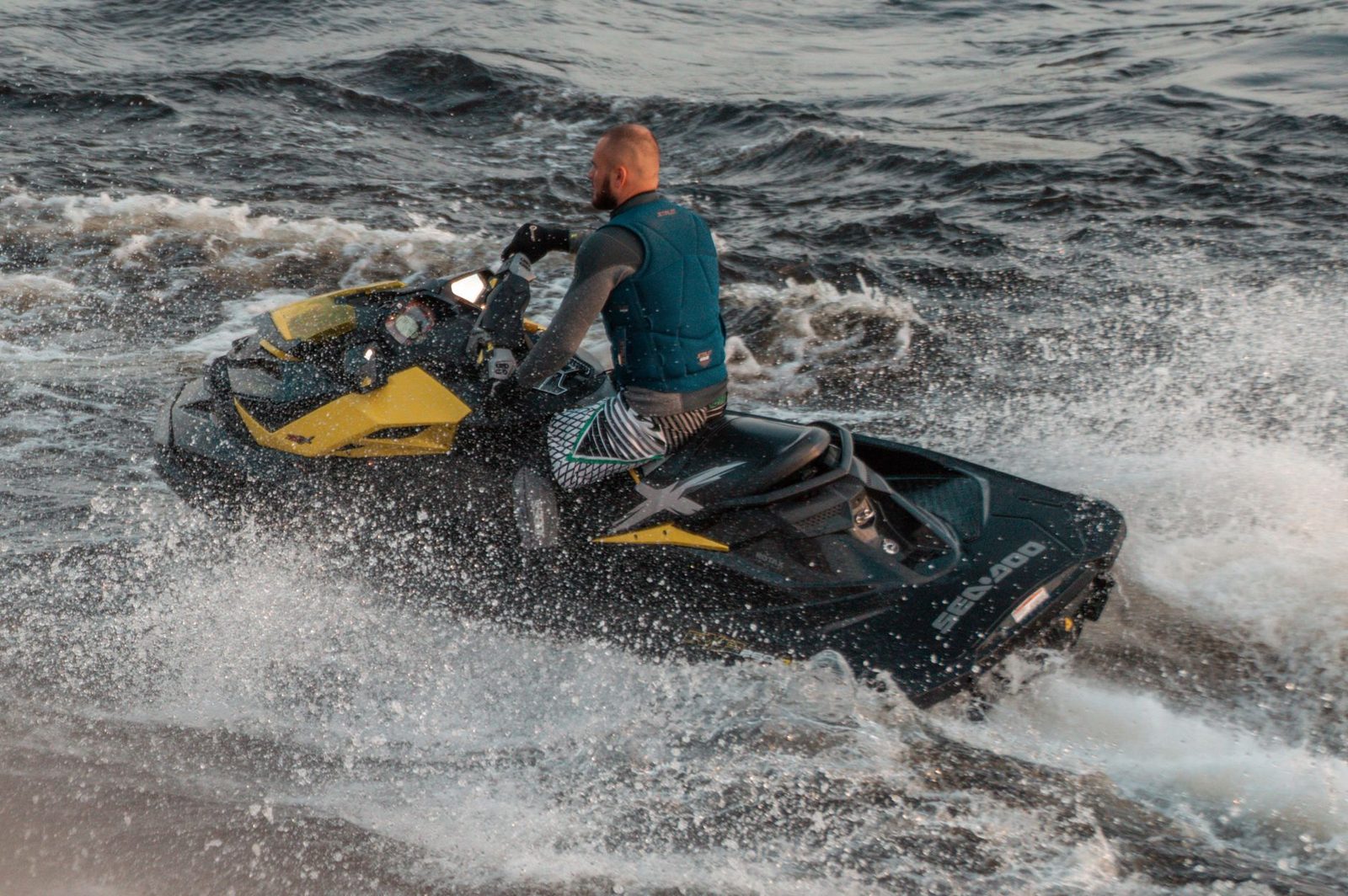
Speeding and reckless operation account for a huge share of accidents. Jet skis can reach 60+ mph. At that speed, even a small mistake becomes catastrophic.
Alcohol and drug use impair judgment, reaction time, and balance. Operating a jet ski while intoxicated is illegal and deadly.
Failure to wear a life jacket or personal flotation device (PFD) means that even a minor accident can become fatal. Many victims drown because they weren’t wearing a PFD.
Collisions with other watercraft, swimmers, or fixed objects happen when operators don’t see obstacles. They may also misjudge distance and speed.
Mechanical failure or defective equipment can cause loss of control. A steering failure, fuel leak, or engine malfunction at high speed is dangerous.
Poor visibility and weather conditions make it hard to spot other boats, swimmers, or hazards. Fog, glare, darkness, and rough water all increase accident risk.
Operator fatigue and distraction (cell phones, passengers, or inattention) reduce reaction time when split-second decisions matter.
Lucy’s Law and Florida Jet Ski Safety Requirements
Florida Statute §327.72 (known as Lucy’s Law) requires anyone born on or after January 1, 1988, to complete a boating safety course before operating a jet ski or other motorized watercraft. The law was enacted to reduce accidents and fatalities among younger operators.
Violating Lucy’s Law can result in fines and criminal penalties. But here’s the hard truth: even with a boating safety certificate, accidents still happen. Training reduces risk, but it doesn’t eliminate negligence, recklessness, or the negligence of others sharing the water.
If the operator who hit you never completed the required course, that’s evidence of negligence. If they completed the course but operated recklessly anyway, that’s also negligence. Either way, you may have a claim.
Types of Catastrophic Injuries from Jet Ski Accidents
Jet ski accidents can cause permanent, life-altering injuries:
Spinal cord injuries and paralysis occur when high-impact collisions or propeller strikes damage the spine. According to the Christopher & Dana Reeve Foundation, over 17,000 new spinal cord injuries occur in the U.S. annually. Victims may suffer paraplegia (lower-body paralysis) or quadriplegia (all four limbs). Recovery is rare. Most victims face permanent disability, lifelong medical care, and lost earning capacity.
Traumatic brain injuries (TBI) result from head trauma, high-speed impact with water, or collision. The Mayo Clinic notes that TBI can cause cognitive impairment, memory loss, personality changes, and permanent disability. Some victims never return to work or independent living.
Amputation or severe limb loss happens when a limb strikes the jet ski’s propeller or is crushed in a collision. Losing an arm or leg changes everything: phantom pain, infection risk, prosthetic costs, and the psychological trauma of permanent disfigurement.
Severe burn injuries occur when fuel ignites or the operator contacts the hot engine. Severe burns require months of hospitalization, skin grafts, and ongoing wound care. Scarring and contractures can limit movement for life.
Catastrophic back and neck injuries cause chronic pain, loss of function, and permanent impairment even without complete paralysis.
Drowning and near-drowning with permanent neurological damage can leave victims in a vegetative state or with severe cognitive deficits.
Wrongful death is the most catastrophic outcome. Families lose a loved one, face funeral expenses, lose financial support, and grieve a preventable tragedy.
Who Can Be Held Liable for a Jet Ski Accident?
Liability depends on who caused the accident and how. Multiple parties may share responsibility:
The operator is liable if they were negligent (careless), reckless (deliberately ignoring danger), or operating under the influence.
The jet ski owner is liable if they allowed an unqualified, impaired, or unlicensed operator to use the jet ski. They’re also liable if they failed to maintain it safely.
A rental company can be liable if they rented a defective jet ski. They may also be liable if they failed to provide safety instruction, rented to an unqualified operator, or failed to warn of known hazards.
A tour operator or guide service is liable if they failed to provide proper supervision, safety equipment, or training.
A manufacturer is liable if the jet ski had a defective design, a manufacturing defect, or failed to warn of known dangers.
A property owner or marina operator is liable if they failed to maintain safe conditions, warn of hazards, or provide adequate supervision.
In catastrophic-injury cases, we often find that multiple parties share blame. The operator was speeding and intoxicated. The rental company failed to verify boating certification. The jet ski had a known steering defect. Identifying all responsible parties is critical to maximizing your recovery.
Not sure what your next step is?
Talk it through with our team — the first consultation is free, confidential, and carries no obligation.
Boating Accidents and Jet Ski Crashes: The Broader Picture
Jet ski accidents are a subset of Florida’s broader boating-accident crisis. Florida consistently ranks among the top states for boating fatalities. The FWC reported 628 boating accidents in Florida in 2018. These resulted in 59 fatalities and 307 injuries. These numbers include all motorized watercraft, but jet skis—because of their speed and the operator’s exposure—account for a disproportionate share of catastrophic injuries.
Common risk factors in boating accidents mirror jet ski accidents: operator error, alcohol use, lack of life jackets, speeding, and poor visibility. But jet skis are uniquely dangerous because they’re fast, hard to control, and leave the operator exposed to impact.
What to Do After a Jet Ski Accident in Florida
If you’ve been in a jet ski accident, take these steps immediately:
-
Seek medical attention for any injury, no matter how minor it seems. Some injuries (internal bleeding, spinal damage, TBI) don’t show symptoms right away. Get checked out.
-
Report the accident to local law enforcement and the Florida Fish and Wildlife Conservation Commission. Get a copy of the police report.
-
Gather information from the other operator(s): names, phone numbers, addresses, insurance details, and the jet ski’s registration number.
-
Get witness contact information from anyone who saw the accident.
-
Take photographs of the scene, both jet skis, any visible injuries, and environmental conditions (weather, water conditions, visibility).
-
Do not admit fault or sign any documents other than police reports.
-
Preserve evidence: keep medical records, photos, witness statements, and any written communication with the other party.
-
Do not post about the accident on social media. Insurance companies and defense attorneys monitor social media for statements they can use against you.
-
Contact a personal injury attorney as soon as possible. Time limits apply, and early investigation is critical.
Pursuing a Claim After a Catastrophic Jet Ski Injury
If you’ve suffered a catastrophic injury, you may have a personal injury claim. If a loved one was killed, the family may have a wrongful death claim.
Personal injury claims seek compensation for medical expenses (past and future), lost income, pain and suffering, permanent disability, and loss of enjoyment of life. In catastrophic cases, these damages are substantial. Lifelong care, prosthetics, home modifications, and lost earning capacity add up quickly.
Wrongful death claims are brought by the family of someone killed in the accident. They seek compensation for funeral and burial expenses, lost financial support, and the loss of companionship. Florida law recognizes that losing a loved one to a preventable accident is a real, compensable loss.
Compensation may come from the at-fault operator’s insurance, the jet ski owner’s insurance, a rental company’s liability coverage, or the manufacturer’s product-liability insurance. Insurance companies often try to minimize payouts, so having an attorney in your corner is essential.
Florida’s comparative negligence law (Fla. Stat. §768.81) allows you to recover even if you were partially at fault. Your award is reduced by your percentage of fault. If you were 30% at fault and the other operator was 70% at fault, you recover 70% of your damages. However, if you were more than 50% at fault, you generally recover nothing.
Time limits apply. Florida Statute §95.11 sets the statute of limitations for personal injury claims at two years from the date of the accident. For wrongful death claims, it’s two years from the date the cause of action accrues. Miss these deadlines and you lose your right to sue.
Why Legal Representation Matters
Going up against an insurance company alone is like trying to navigate the ocean without a map. Insurance adjusters are trained to minimize payouts. They’ll ask leading questions, request recorded statements, and use anything you say against you.
An experienced attorney:
- Investigates the accident thoroughly, gathering police reports, witness statements, photos, and expert analysis to establish liability.
- Identifies all responsible parties, not just the operator but the owner, rental company, and manufacturer.
- Values your damages accurately, accounting for past and future medical care, lost income, pain and suffering, and permanent disability.
- Negotiates with insurers on your behalf, protecting your interests and fighting for fair compensation.
- Pursues litigation if a fair settlement can’t be reached, taking your case to trial if necessary.
- Handles the legal process so you can focus on recovery and grieving.
For families who’ve lost a loved one in a fatal jet ski accident, an attorney provides compassionate guidance through an overwhelming process. You shouldn’t have to navigate wrongful death claims, insurance negotiations, and legal deadlines while grieving.
Frequently Asked Questions
What should I do immediately after a jet ski accident?
Seek medical attention, report the accident to law enforcement and the FWC, gather the other operator’s information and witness contact details, take photos, and contact an attorney as soon as possible.
What to Do After a Jet Ski Accident
Get Medical Care Right Away
Some serious injuries, including head and spinal injuries, may not show symptoms right away. A prompt medical evaluation protects your health and creates an important record of your injuries.
Report the Accident
Contact law enforcement and the Florida Fish and Wildlife Conservation Commission (FWC) so the crash is documented. Ask for the report number.
Preserve the Evidence
Take photos of the scene, the watercraft, any damage, and visible injuries. Write down the date, time, weather, and water conditions while your memory is fresh.
Speak With a Florida Injury Attorney
Insurance companies may contact you quickly. Talking with a lawyer before giving a recorded statement can help you avoid mistakes that affect your claim.
Why Florida Families Call CHG Personal Injury Lawyers
Florida-Based Firm
We represent people injured in accidents across Florida, from Miami and Fort Lauderdale to Tampa, Orlando, and Jacksonville.
Catastrophic Injury Focus
Our practice focuses on serious, life-altering injuries and wrongful death, including the cases that require a longer and more thorough investigation.
Licensed Attorneys
Our attorneys are licensed to practice law and admitted to The Florida Bar.
No Fees Unless There Is a Recovery
CHG charges no attorney's fees and no case costs unless there is a recovery.
Plain-Language Guidance
We explain your options in clear terms and keep you informed, in English or Spanish, so you can make decisions with confidence.
Important: Do Not Wait to Get Help
Insurance adjusters may ask for recorded statements, medical releases, or quick settlements. Before you agree to anything, speak with an attorney who can explain how these requests may affect your claim.