
Electrocution Injuries | Serving Florida
An Electrical Accident Can Change Your Life in a Moment. You Do Not Have to Face the Claim Alone.
CHG Personal Injury Lawyers helps Floridians and their families understand electrocution injuries, from burns and nerve damage to cardiac harm and wrongful death, and what they may be able to do next.
By CHG Lawyers · Published October 21, 2026
Electrocution happens when electric current passes through a person’s body and causes serious harm. In the worst cases, it causes death.
Many people think a shock only hurts where the skin touched the source. But electricity can also affect nerves, muscles, the heart, and the brain.
If you or someone you love was hurt by electricity in Florida, you may have legal options. This guide explains:
- What electrocution is
- What injuries it can cause
- Who may be responsible
- The Florida deadlines that apply
- What to do now
CHG Personal Injury Lawyers is a Florida-based firm. The firm represents people throughout Florida, including Miami, Orlando, Tampa, and Jacksonville.
What Is Electrocution, and How Is It Different From an Electric Shock?
Electrocution generally means death caused by electric current. An electric shock is any injury from current passing through the body.
Every electrocution involves a shock. But most shocks do not end in death.
For a fuller comparison, read our guide to electrocution versus electric shock.
Electricity follows the easiest path through the body. Current can enter at one point and leave at another. Along the way, it can pass through the heart, nerves, and muscles.
Muscles can tighten so hard that a person cannot let go of the source. Burns often appear where the current enters and exits.
A shock can look minor from the outside. A small mark on the skin may hide damage underneath. Harm to the heart, nerves, or muscles often cannot be seen at first.
Any shock deserves a medical check. After an injury, follow your doctors’ care.
Not sure what your next step is?
Talk it through with our team — the first consultation is free, confidential, and carries no obligation.
What Does an Electric Shock Feel Like, and Why Can Symptoms Be Delayed?
A shock usually feels like a strong jolt. It may feel like tingling or burning. It can also cause a sudden loss of muscle control.
Some people feel pain where the contact happened. Others feel weak, dizzy, or confused right away. A mild feeling does not prove there was no harm.
Some symptoms take time to appear. Effects on heart rhythm, nerves, or muscles can show up hours or days later. A person who felt fine at the scene can still need a medical evaluation.
Report any new symptoms to a doctor promptly.
Call 911 right away if the person:
- Lost consciousness
- Has chest pain
- Has trouble breathing
- Seems confused
Emergency care comes first. After that, follow the plan your treating doctors give you. Keep every follow-up visit.
What Are the Different Types of Electrical Injuries?
Electrical injuries generally fall into four groups:
- Electric shock
- Electrocution
- Electrical burns
- Injuries from a fall or being thrown
A single accident can involve more than one group. Each can need different care.
Electrical burns occur where current enters and leaves the body. They can run deeper than the surface suggests.
Arc flash is a sudden release of energy from an electrical fault, which is a break or short in wiring or equipment. It can cause severe burns from heat and light. An arc blast adds a powerful pressure wave.
Learn more about severe burn injuries.
Falls are a common secondary injury. A worker jolted off a ladder, roof, or scaffold may suffer a head injury, broken bones, or spinal damage. In some cases, the fall causes more lasting harm than the current itself.
Long-Term Injuries That Can Follow an Electrical Accident
Electrical accidents can cause lasting injuries. These include spinal cord damage, paralysis, brain injury, amputation, and severe burns.
The spinal cord sits inside three layers of protective tissue. Cerebrospinal fluid is the clear fluid that surrounds the brain and spinal cord. It acts as a cushion against shock or injury. See the NINDS spinal cord injury overview.
The cervical spinal nerves, C1 to C7, carry signals to the arms, hands, and diaphragm. The diaphragm is the main muscle used for breathing. NINDS notes that an injury between C1 and C4 can stop breathing.
Lower spinal nerves control signals to the lower back, buttocks, legs, and feet. The location of an injury shapes what a person may lose.
Electrical accidents can lead to:
- Spinal cord injuries
- Paralysis, paraplegia, and quadriplegia
- Traumatic brain injury, which can follow a fall after a shock
- Amputation and limb loss
- Serious back and neck injuries
The lasting effects depend on the facts of each case and the treatment received.
How Common Are Electrical Injuries and Electrical Deaths?
Electrical injuries happen in homes, workplaces, and public places. They can strike people of any age.
Counts of electrical deaths and injuries vary. They differ by source, by year, and by how each agency defines an incident. A total you find online may not match another total.
Because of that, the most useful question is what happened in your case. Ask:
- Where did it happen?
- What wiring or equipment was involved?
- Who controlled that place or equipment?
Those facts shape who may be responsible.
Many electrical accidents involve hazards that could have been fixed or marked. Examples include damaged wiring, unprotected outlets, and unmarked overhead lines.
When you read any statistic, check three things: the year, the publisher, and what it counts. Some totals cover only deaths. Others include all shock injuries.
Where Electrical Accidents Happen in Florida
Florida’s heat, humidity, storms, and long coastline create many settings for electrical accidents. Hazards can show up at home, at work, on the water, and after a storm.
The setting often shows who controlled the hazard.
In homes and rentals, damaged wiring, worn outlets, faulty appliances, and pool equipment can cause shocks. A missing or failed ground-fault protection device can leave a person exposed. This device is a safety part that cuts power when current leaks. Renters and guests often have no control over the wiring they use.
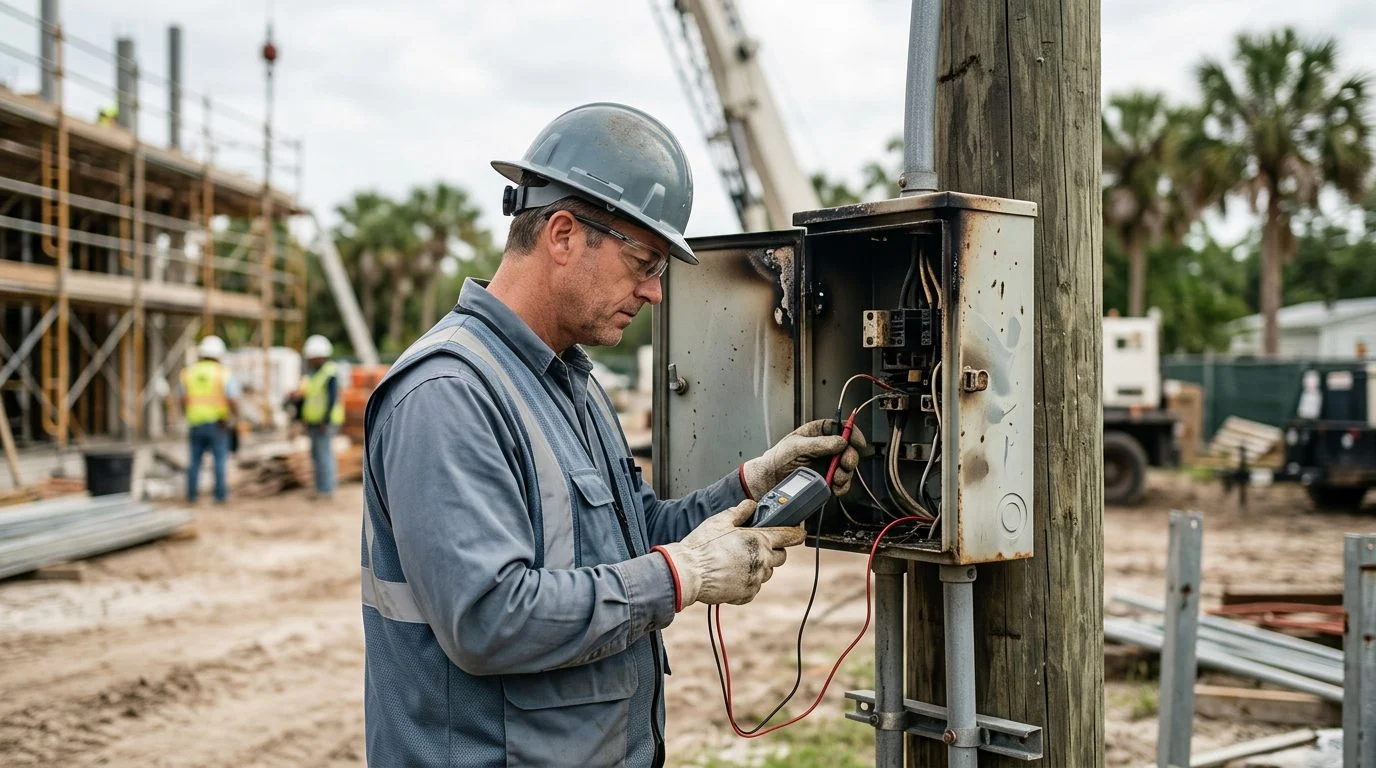
On job sites, risks include overhead power lines and unguarded wiring. Metal ladders or tools that touch energized lines are also dangerous. Workers in construction zones can face these hazards.
On boats, Jet skis, and waterfront properties, electricity and water meet. Injured people may find related information in our pages on maritime claims and Jet ski accidents. When water contact is involved, see also drowning cases.
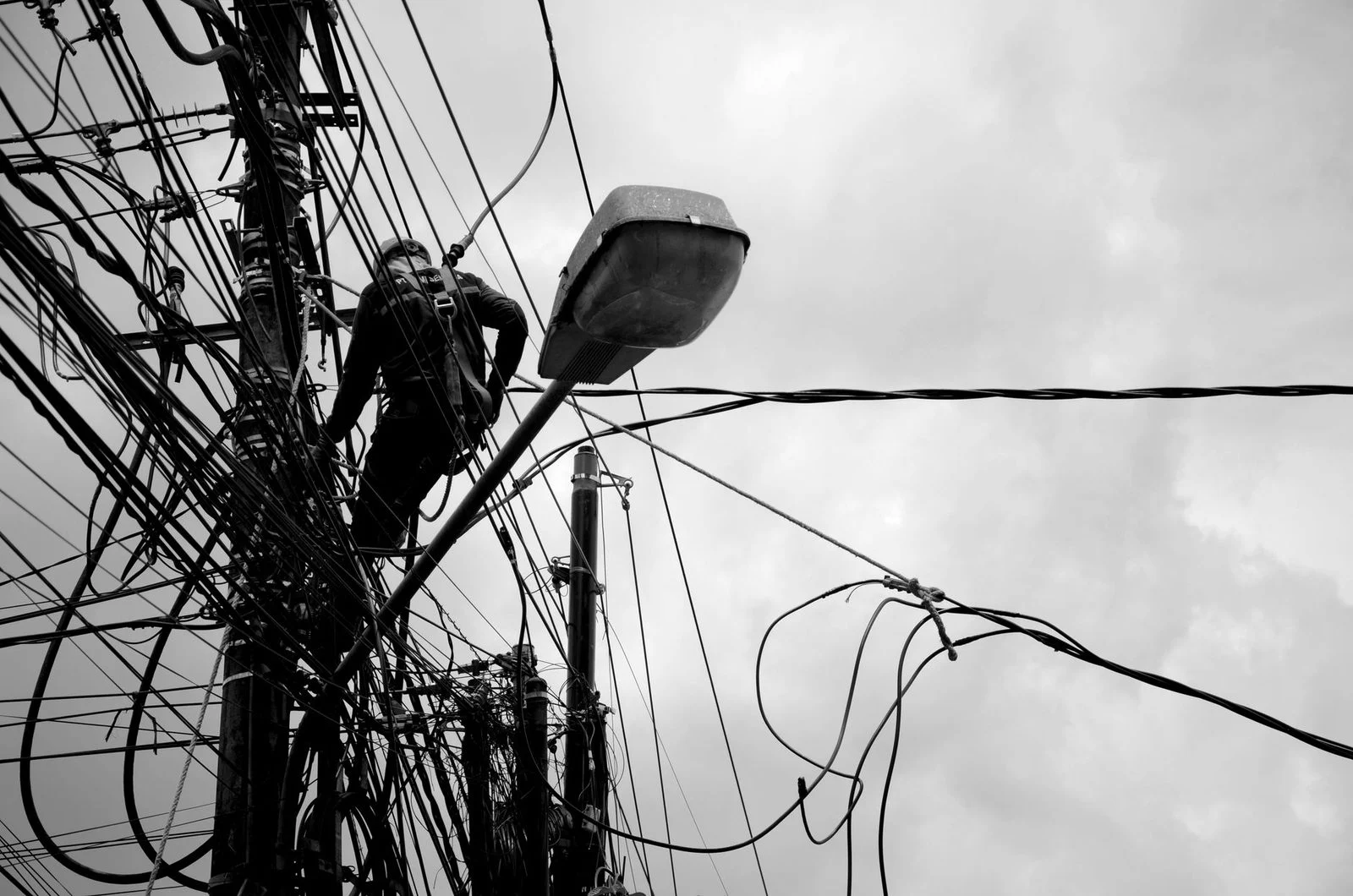
After a storm, downed lines and flooded areas can leave live wires in standing water. Stay well back from any downed line. Assume it is live. Call 911 and the utility company instead of approaching it.
Have questions about what happened?
Ask our team directly. The first conversation is free, confidential, and there is no obligation to continue.
Who May Be Responsible for an Electrocution Injury?
Responsibility depends on who owned, controlled, installed, or maintained the place or equipment. More than one party can share responsibility in one incident.
The key question is who had a duty to keep people safe.
Short-term rental hosts can face similar questions. Read more about short-term rental liability.
Equipment makers may be named in lawsuits. Those lawsuits may allege that a design or part contributed to the harm. These are allegations that a court would weigh. They are not established facts.
Claims against government entities follow different rules. Florida law sets its own limits and procedures for claims against state and local governments. See Fla. Stat. § 768.28.
Employers are a special case. Florida’s workers’ compensation law is insurance that pays hurt workers. Under it, an employer’s liability is generally exclusive. This means the worker usually cannot also sue the employer. See Fla. Stat. § 440.11.
An injured worker often receives workers’ compensation benefits instead of suing the employer. The statute has exceptions. One example is when an employer fails to secure payment of compensation.
Florida Deadlines, Damages, and How Fault Is Decided
Florida sets a deadline for filing a lawsuit. This deadline is called a statute of limitations. It is the last day you can file.
Florida deadlines apply to these claims, and they can be strict, so contact the firm promptly to protect your rights. Negligence means carelessness that causes harm. See Fla. Stat. § 95.11. That statute sets different rules for medical malpractice claims.
Deadlines apply to actions other than for recovery of real property. Contact a lawyer promptly.
Florida also uses comparative fault, which means shared blame. Under Fla. Stat. § 768.81, a person found more than 50 percent at fault for their own harm may not recover any damages in a negligence action, except in an action for personal injury or wrongful death arising out of medical negligence under chapter 766.
Shared fault can reduce a claim. The facts of each accident matter.
Damages are the money a person may seek for losses. The same statute defines economic damages to include medical expenses and lost income.
For past medical bills that were already paid, Fla. Stat. § 768.0427 limits the evidence to the amount actually paid.
What to Do Right After an Electrical Accident
Your first steps should focus on safety, medical care, and keeping proof.
- Call 911 right away. Do not touch the person while they are still in contact with the power source. Wait for trained responders and the utility to cut the power.
- Get a medical evaluation. Do this even if the person seems fine. Some effects can appear later. Follow your doctors’ care closely.
- Preserve evidence when it is safe. Take photos of the scene, the outlet, the cord, the appliance, the equipment, and any warning signs. Write down the names of witnesses and the property or job site details. Keep damaged equipment if you can.
- Keep records. Track medical bills, missed work, and symptoms. A simple daily log of how you feel can help.
Consider talking with a lawyer before giving recorded statements to insurers. For claims that begin with a report, the car accident claim process follows similar early steps.
When an Electrical Accident Causes a Death
Florida law allows a family to bring a wrongful death claim. A wrongful death claim is a lawsuit a family files after another person’s wrongful act or negligence causes a death. Florida’s Wrongful Death Act is the name for Sections 768.16-768.26 of the Florida Statutes.
Under Fla. Stat. § 768.19, the party who would have been liable for the injury can be liable for damages when death follows.
The decedent is the person who died. The personal representative is the person appointed to act for them. That person recovers for the survivors and the estate, under Fla. Stat. § 768.20.
Florida’s wrongful death statute, Fla. Stat. § 768.21, sets out the damages that surviving family members may recover, including the value of lost support and services. A surviving spouse may recover the value of lost support and services, and may also recover for loss of the decedent’s companionship and protection and for mental pain and suffering from the date of injury. Fla. Stat. § 768.21
- Loss of companionship and protection
- Mental pain and suffering
If there is no surviving spouse, all of the decedent’s children, including adult children, may recover for these losses. If there is no surviving spouse, all of the decedent’s children, including adult children, may recover for these losses. A survivor who paid medical or funeral expenses may recover them.
Losing someone this way is a profound loss. The law’s focus is on the family left behind.
Families can take practical steps now:
- Keep records of the scene, medical costs, and funeral costs.
- Request copies of records from providers.
- Speak with a lawyer before giving statements to insurers.
- Contact a lawyer promptly, because deadlines apply.
You can also review our pages on wrongful death claims in Florida and catastrophic injury claims.

Want to know where you stand?
Tell us what happened and our team will walk you through the options available to you, at no cost.
How CHG Personal Injury Lawyers Can Help You Decide What Comes Next
CHG Personal Injury Lawyers is a Florida-based personal injury firm. The firm represents people throughout Florida, including Miami, Orlando, Tampa, and Jacksonville.
Its cases range from everyday accidents to catastrophic injuries and wrongful death. Igor Hernandez is the responsible lawyer for this page. The firm’s lawyers and team work together on these matters.
CHG charges no attorney’s fees and no case costs unless there is a recovery.
What should I do first after an electrocution accident?
Call 911 and get a medical check, even if you feel fine. Keep photos and records, and follow your doctors’ care.
Deadlines apply to every case, so contact a lawyer promptly.
Can a family file a claim after an electrocution death?
Florida law lets a family bring a wrongful death claim through the personal representative. A lawyer can explain who may be entitled to recover.
Does workers’ compensation cover a job-site electrical injury?
It often applies to workplace injuries. Other parties, such as equipment makers or property owners, may still be responsible.
If an electrical shock left you or a family member with burns, a lasting injury, or a loss, contact our team for a free, confidential first consultation. There is no obligation to continue. We will talk through what may come next.
How We Help After an Electrical Injury
Focus on Your Recovery
We handle the paperwork, insurance calls, and property and utility inquiries so you and your family can focus on medical care and healing.
Clear Explanations
We explain the legal process in plain language, in English or Spanish, so you know what to expect at every step.
Florida-Based Representation
Our firm represents clients throughout Florida, and our attorneys are licensed to practice law in Florida.
No Fees Unless There Is a Recovery
CHG charges no attorney's fees and no case costs unless there is a recovery.
Warning: Treat Every Downed or Sparking Line as Live
Stay well away from downed power lines, damaged electrical equipment, and any water near a energized source. Do not try to move a person who is touching a live wire. Call 911 right away. Then get a medical check, even if you feel fine, because some electrical injuries are not visible at first.
Who May Be Involved in an Electrocution Case
Property Owners and Landlords
Injuries can happen from exposed wiring, faulty outlets, or unsafe electrical systems in homes, apartments, hotels, and businesses. Who is responsible depends on the facts of each case.
Contractors and Construction Sites
Work near overhead or buried power lines, or improper equipment use, can lead to serious electrical harm for workers and bystanders alike.
Equipment and Product Makers
Some electrical injuries involve faulty tools, cords, or appliances. Investigators look at how the product was made, sold, and used.
Utilities and Public Entities
Downed lines, damaged poles, and unsafe public equipment can cause harm. These claims can involve special notice rules, so prompt contact matters.