
Electrocution Injuries | Country Club, Florida
Hurt by Electricity in Country Club? You Do Not Have to Face the Aftermath Alone
An electrical shock or burn can change a life in an instant. CHG Personal Injury Lawyers helps Florida families understand their options after an electrocution injury, from the first call through every step that follows.
By CHG Lawyers · Published October 21, 2026
Electrocution injuries in Country Club can cause burns, nerve damage, and heart problems. Some signs do not appear until hours or days later. If someone else’s carelessness caused the shock, you may have a claim under Florida law.
This guide explains how electrical injuries happen. It covers who may be responsible and how Florida’s rules work. It also explains what to do next. Whether you were hurt at home, at work, or by a downed line, you do not have to sort it out alone.
What an Electrocution Injury Can Do to the Body
Electrical current can injure much more than the skin it touches. The current can travel through the body. It can affect nerves, muscles, and the heart.
A burn may look small on the surface. The damage underneath can be much deeper. Some people feel fine at first. Later, they notice pain, numbness, or weakness. That is why every shock needs a medical check, even if you feel okay.
Follow your doctors’ care closely. Your treatment team knows your condition best. Many people with electrical injuries need ongoing care. This can include wound care and rehabilitation.
Keep every discharge paper, test result, and bill. Your medical records show what happened, when it happened, and how it affected your daily life. They are central to any claim.
Not sure what your next step is?
Talk it through with our team — the first consultation is free, confidential, and carries no obligation.
Everyday Situations That Lead to Electrocution in Country Club and Across Miami-Dade
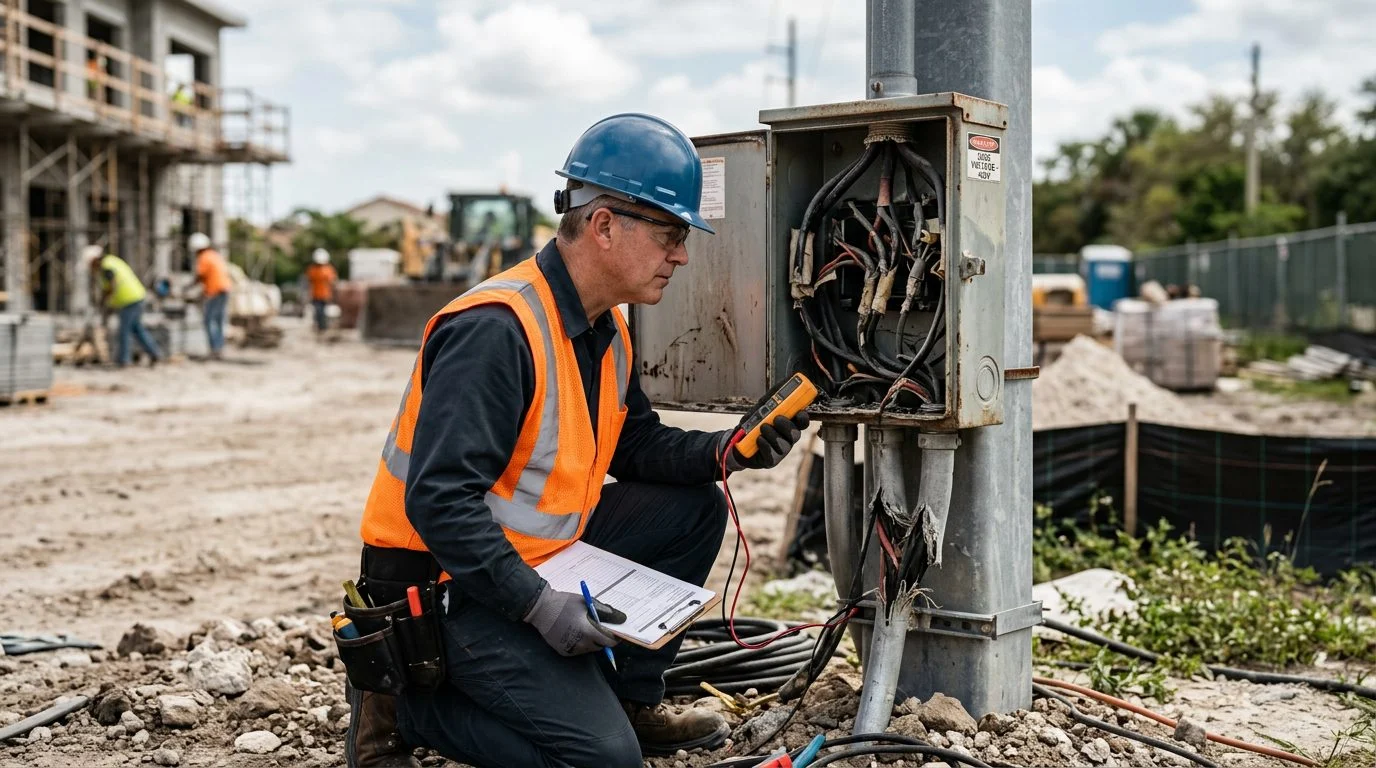
Most electrocution accidents come from faulty wiring, damaged equipment, or work near power lines. These situations happen across Miami-Dade. They happen in Country Club, Richmond West, and Palmetto Bay too.
Older homes and rental units. Worn outlets, cracked extension cords, and old wiring cause many indoor shocks. A landlord who knew about a problem and did not fix it may share responsibility.
Pools and outdoor equipment. Pool pumps, pool lights, fountains, and outdoor outlets sit near water. Water makes a shock far more dangerous.
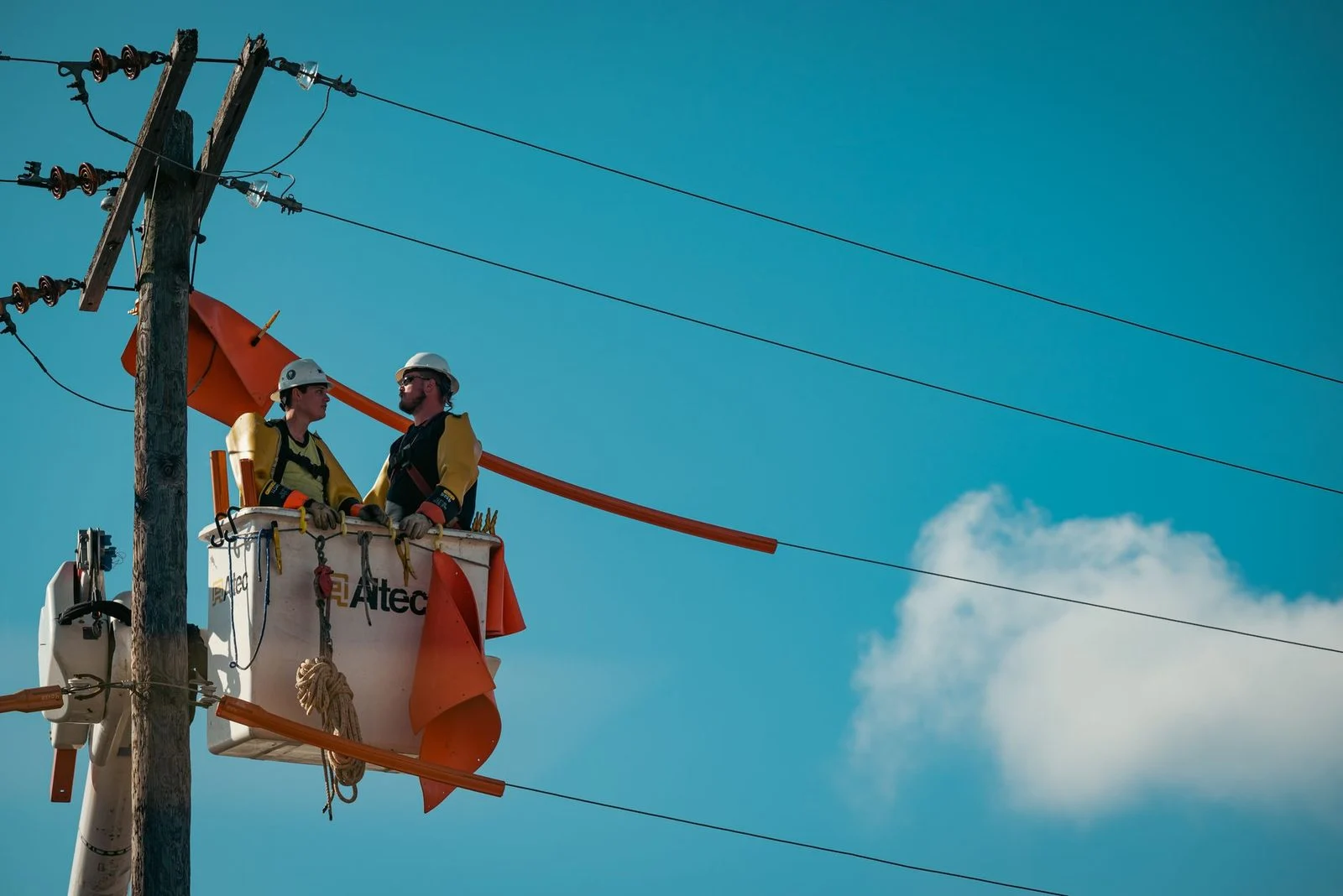
Downed and sagging lines. After a storm, a fallen line can energize fences, cars, and standing water. Ladders, tree trimming, and hauling equipment can also touch overhead lines. Miami’s summer thunderstorms can arrive fast. Lightning is one more outdoor electrical hazard.
Construction and renovation. Crews may work near live lines. Some skip the steps that shut off power. This puts workers and passersby at risk. The OSHA employer responsibilities page describes ways employers and workers can recognize and prevent serious workplace hazards. Safe equipment and worker training are common topics in workplace safety guidance.
Who Can Be Held Responsible for an Electrocution Injury in Florida
Responsibility depends on two things. First, who controlled the hazard. Second, who knew, or should have known, about it. More than one party can be involved in the same incident.
Property owners and landlords may be asked to answer. This can happen when they knew about dangerous wiring or a damaged pool light. It also applies if they failed to repair it or warn people.
Contractors, electricians, and maintenance companies may be involved. This is true when their work created or left the hazard. If a lawsuit alleges that a defective product caused a shock, the product’s maker may be a party too. In downed-line cases, utilities and other parties may be involved. The facts decide who is responsible.
Florida assigns fault by percentage. In a negligence action, the court enters judgment against each liable party based on that party’s percentage of fault. This is not joint and several liability, where one party must pay the whole amount. Each party pays only its own share. Fla. Stat. § 768.81
How Florida Law Shapes an Electrocution Claim
Florida law generally bars recovery only when the injured person is more than 50 percent at fault. Partial fault does not automatically end a claim.
Partial fault lowers the damages a person can recover. It does not bar recovery on its own. A person found more than 50 percent at fault for their own harm may not recover any damages. Fla. Stat. § 768.81
Fla. Stat. § 95.11 Deadlines differ for some claims, so do not wait.
Evidence also fades quickly. Photos, the outlet or equipment that caused the shock, and repair records can disappear or change. Contact the firm promptly so key evidence is preserved.
Have questions about what happened?
Ask our team directly. The first conversation is free, confidential, and there is no obligation to continue.
Steps to Protect Your Health and Your Claim After an Electrical Injury
Get medical care first. Then protect the evidence while the scene is still intact.
Call 911 if a line is down or someone is hurt. Stay away from any downed line, wet area, or damaged equipment. Wait until utility crews confirm it is safe.
Get a medical evaluation right away, even if you feel fine. Keep every discharge paper and bill.
Photograph the scene. Photograph the outlet, the cord, the pool equipment, or the damaged area. Keep the item itself if it is safe to do so.
Write down the names of owners, managers, contractors, and witnesses while memories are fresh. Avoid posting details about the accident online.
It helps to talk with a lawyer before you give a recorded statement to an insurer or property owner.
When an Electrocution Ends in a Death: Support for Families
A death from electrocution changes a family in ways no paperwork can capture. Florida law lets the family pursue a wrongful death claim. That claim focuses on the people left behind.
The decedent’s personal representative brings the action for the benefit of the survivors and the estate. Fla. Stat. § 768.20
Under Fla. Stat. § 768.21, a surviving spouse may recover for loss of companionship. A spouse may also recover for mental pain and suffering.
Each parent of a deceased minor child may recover for mental pain and suffering. A survivor who paid medical or funeral expenses may also recover those costs.
Families often need to preserve records. They may need to gather the police report and keep funeral receipts. Please contact the firm promptly so these records stay in order.

Talk With Igor Hernandez About Your Electrocution Injury in Country Club
Igor Hernandez, one of the firm’s lawyers, offers a free, confidential initial consultation. There is no obligation to continue.
CHG Personal Injury Lawyers charges no attorney’s fees and no case costs unless there is a recovery.
In Spanish: consulta inicial gratuita, confidencial y sin compromiso. CHG no cobra honorarios de abogados ni costos del caso, a menos que haya una recuperación.
The firm is based in Florida. It serves people throughout the state, including the Country Club area.
Quick answers
Can I still have a claim if I was partly at fault?
Possibly. In negligence actions, Florida bars recovery when a person is found more than 50 percent at fault for his or her own harm, but this rule does not apply to medical negligence claims under chapter 766.
Deadlines differ, so act promptly.
Should I keep the outlet or cord?
Keep it if it is safe to do so. It can be key evidence.
If a shock left you hurt, or you lost someone to electricity and want to know who is responsible, reach out to CHG Personal Injury Lawyers. We will listen. We will talk through what your situation may mean for you.
Want to know where you stand?
Tell us what happened and our team will walk you through the options available to you, at no cost.
Why Families Contact CHG Personal Injury Lawyers
Free First Consultation
Your first consultation is free, confidential, and comes with no obligation to continue.
No Fees Unless There Is a Recovery
The firm charges no attorney's fees and no case costs unless there is a recovery.
Licensed Florida Attorneys
Our attorneys are licensed and admitted to practice before The Florida Bar, and we represent people throughout Florida.
Focus on Your Recovery
We handle the legal work so you and your family can concentrate on medical care, rehabilitation, and daily life.
Safety First
If someone is still in contact with an electrical source, do not touch them or the source. Turn off the power only if you can do so safely, and call 911 right away. Seek medical evaluation even if the injury looks minor, and follow your doctors' care.
Steps That May Help Protect Your Claim
Get Medical Care
Electrical injuries can cause harm that is not immediately visible. Follow your doctors' recommendations and keep every record of your treatment.
Keep the Evidence
Keep the outlet, cord, or device if it is safe to do so. It can be key evidence. Do not repair or throw it away.
Document the Scene
Take photos of the location, equipment, wiring, and any warning signs. Write down names and contact details of anyone who saw what happened.
Talk to a Florida Injury Lawyer
Call CHG Personal Injury Lawyers for a free, confidential first consultation. Deadlines can apply, so reach out promptly.