

Miami | Drowning Accidents & Wrongful Death
When a Drowning Changes Your Family's Life Forever, You Don't Have to Face It Alone
CHG Personal Injury Lawyers is a Florida-based firm that focuses on catastrophic injuries and wrongful death. We help families in Miami and throughout Florida understand their options after a drowning, near-drowning, or other serious water accident.
Why Families Contact Our Firm
Florida
Based in Florida and serving clients throughout the state
Licensed
Attorneys admitted to The Florida Bar
$0
Attorney's fees or case costs unless there is a recovery
By CHG Lawyers · Published October 12, 2026
Miami Drowning Accident Lawyer: Pursuing Justice for Families
When a loved one drowns at a Miami property—a hotel pool, apartment complex, beach, or other water area—the family faces unimaginable grief and urgent legal questions: Who is responsible? Can we hold them accountable? What will our family receive?
A Miami drowning accident lawyer investigates what happened. They identify negligence or inadequate security by the property owner or operator. Then they pursue a claim on behalf of the family or survivor. This guide explains what these cases involve, who is liable, what compensation covers, and how the legal process works—in plain language, without legal jargon.
If your family lost someone to drowning at a Miami property, or you survived a catastrophic drowning injury, you may have a claim against the owner or operator—and people in your situation reach out to us regularly to understand their options. Talk it through with our team — the first consultation is free, confidential, and carries no obligation.
What a Miami Drowning Accident Lawyer Does
A drowning accident attorney represents families and survivors after a fatal or catastrophic drowning injury in Miami. The attorney:
- Investigates the accident to identify negligence, inadequate supervision, failed safety equipment, or lack of security
- Pursues claims against property owners, operators, managers, and other responsible parties
- Negotiates settlements or takes the case to trial if needed
For families who lost a loved one: The attorney handles a wrongful-death claim. This allows the family to recover funeral expenses, medical costs, lost income the deceased would have earned, loss of companionship, and pain and suffering.
For survivors of catastrophic drowning injuries: The attorney pursues a personal-injury claim. This covers lifetime medical care, rehabilitation, assistive devices, home modifications, lost wages, and pain and suffering.
The attorney manages every legal step: gathering evidence, consulting with medical and accident experts, negotiating with insurance companies, and, if necessary, taking the case to trial.
Who This Is For
This service is for:
- Families who lost a loved one to drowning at a Miami property—pool, hotel, apartment complex, beach, canal, or other water area
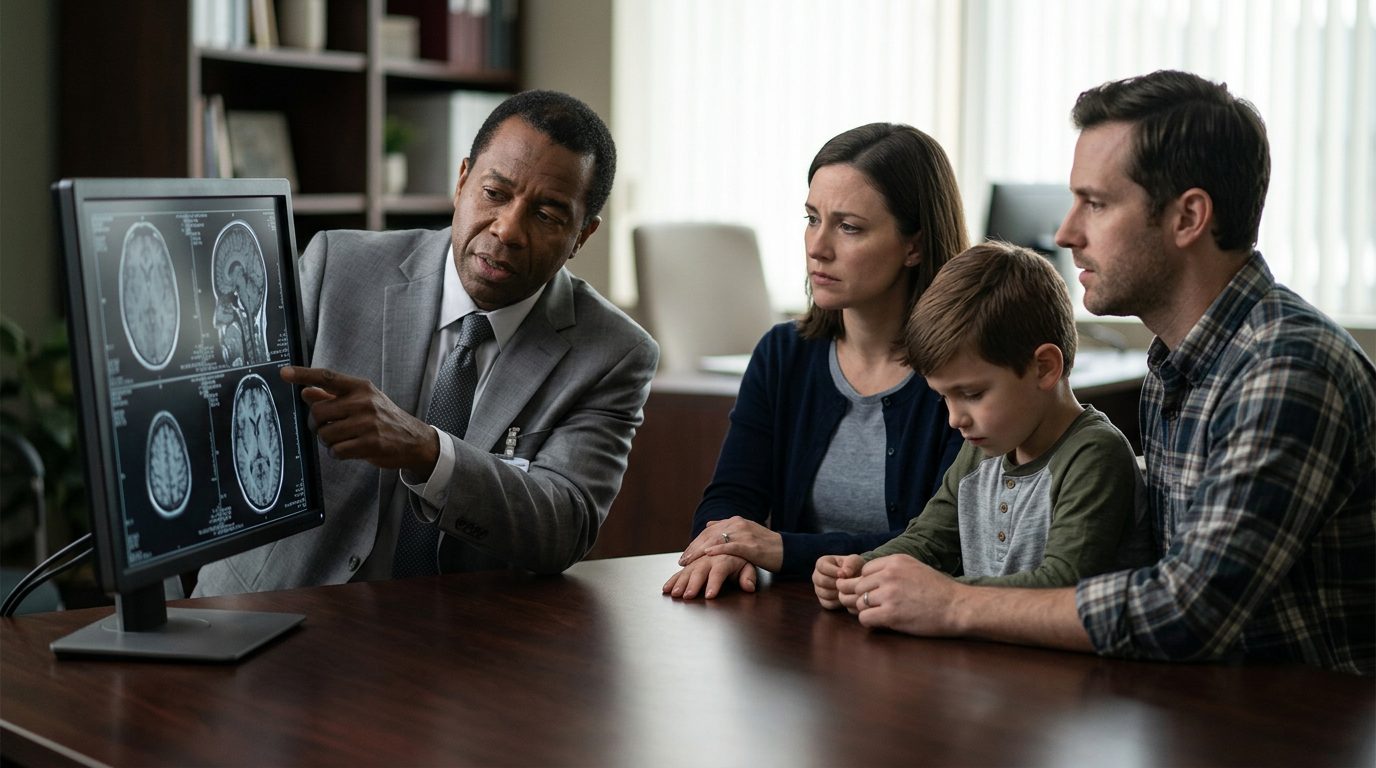
- Survivors of catastrophic drowning injuries that caused permanent brain damage, organ damage, or other life-altering harm
- People who believe the property owner, operator, or manager failed to provide adequate supervision, safety measures, or security
- Anyone uncertain whether they have a legal claim and what it might be worth
If you’re in crisis and unsure where to start, a free case evaluation can help you understand your options.
What Drowning Accident Cases Cover
Drowning accident claims cover a broad range of losses and responsible parties.
Wrongful-Death Claims – Funeral and burial costs – Medical expenses from the final illness or injury – Lost income the deceased would have earned over their lifetime – Loss of companionship, guidance, and emotional support to the family – Pain and suffering of the family
Catastrophic Injury Claims – All past and future medical care, including hospitalization, surgery, and ongoing treatment – Rehabilitation and therapy – Assistive devices and home modifications – Lost wages and lost earning capacity – Pain and suffering – Loss of enjoyment of life
Responsible Parties – Property owners (residential and commercial) – Property managers and operators – Lifeguard services and security companies – Hotels, motels, and short-term rental operators – Contractors hired to maintain safety equipment or supervise pools – Other parties whose negligence contributed to the drowning
Punitive Damages In cases of gross negligence or willful misconduct—such as a property owner who knowingly ignored broken safety equipment or failed to hire lifeguards—the court may award punitive damages. These punish the defendant and deter similar conduct in the future.
How Drowning Accidents Happen in Miami
Many drowning accidents in Miami are preventable. They occur when property owners or operators fail to maintain safe conditions and provide reasonable supervision. Common causes include:
- Inadequate or absent supervision at residential and commercial pools
- Failure to maintain working lifeguard stations or hire trained lifeguards
- Broken or missing safety equipment—life rings, rescue poles, first-aid kits, automated external defibrillators (AEDs)
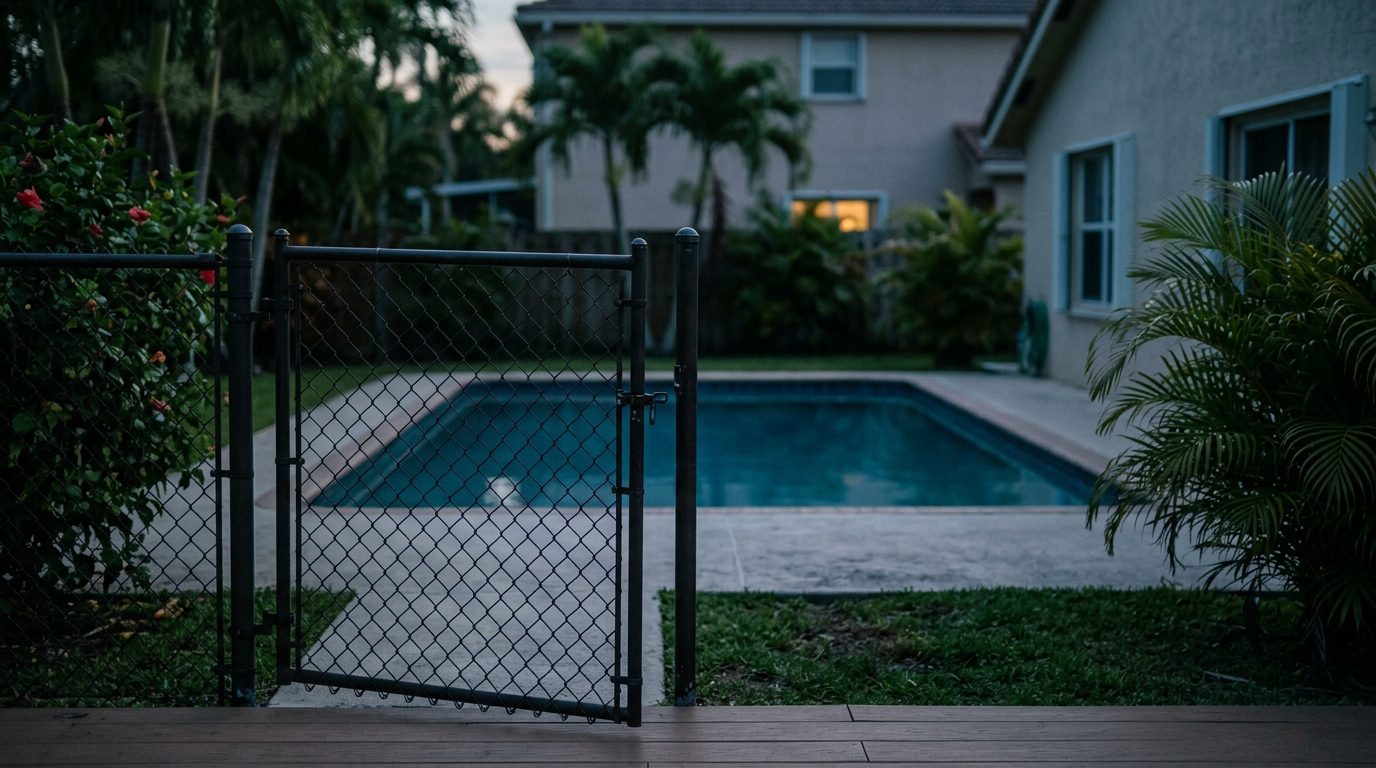
- Unsecured pool gates or fences that allow unauthorized access, especially by children
- Failure to maintain safe water conditions or warn of hazards such as strong currents or algae blooms
- Negligent security at hotels, motels, and short-term rentals—unsupervised pools or hot tubs with inadequate access controls
- Failure to prevent access to canals, retention ponds, or other water hazards on commercial property
- Inadequate lighting or monitoring at beach access points or waterfront properties
In the catastrophic cases we handle, many drownings result from multiple failures: a broken gate, no lifeguard, and no one monitoring the pool. Each failure compounds the risk.
Liability in Miami Drowning Accident Cases
Property owners have a legal duty to maintain safe conditions and provide reasonable supervision at pools, hotels, apartment complexes, and other water-access properties. When a property owner fails to meet that duty—through negligence or inadequate security—they become liable for harm.
Liability can extend to property managers, operators, lifeguard services, and contractors hired to maintain safety. In some cases, strict liability applies: a property owner is liable for harm even without proof of negligence, depending on the circumstances and who was on the property (for example, a child trespasser on an unsecured pool).
Florida law allows families to pursue wrongful-death claims and survivors to pursue personal-injury claims based on the property owner’s breach of duty. Under Fla. Stat. §768.81, Florida’s comparative-negligence rule, you may still recover damages even if you are partially at fault—as long as you are not more than 50% responsible for the accident. Your recovery is reduced by your percentage of fault.
Not sure what your next step is?
Talk it through with our team — the first consultation is free, confidential, and carries no obligation.
What to Expect: The Legal Process
Understanding the steps ahead can help you feel more in control during an overwhelming time.
Step 1: Initial Consultation You meet with an attorney to discuss what happened, who was involved, and what you remember about the accident. The attorney listens, answers your questions, and explains whether you likely have a viable claim. This consultation is free and confidential.
Step 2: Investigation The attorney’s team obtains police reports, medical records, property records, surveillance footage, and witness statements. They may hire a drowning-accident reconstructionist or medical expert to determine how the drowning occurred and whether the property owner’s negligence caused or contributed to it.
Step 3: Liability Assessment The attorney determines who is responsible and whether you have a strong claim. If the property owner’s negligence is clear, the attorney moves forward. If liability is weak, the attorney will advise you honestly.
Step 4: Demand and Negotiation The attorney sends a detailed demand letter to the responsible party’s insurance company. It explains the accident, the negligence, and the damages you’ve suffered. The insurance company responds with an offer. The attorney negotiates on your behalf to reach a fair settlement.
Step 5: Litigation (If Needed) If settlement talks fail, the case proceeds to court. The attorney files a lawsuit, conducts discovery (exchanging evidence with the defendant), and prepares for trial. A judge or jury hears evidence and decides liability and damages.
Step 6: Settlement or Judgment You receive compensation for your losses. If you settled, the funds come from the insurance company. If you won at trial, the defendant pays the judgment (or their insurance company does).
Timeline Most drowning-accident cases resolve within 1 to 3 years. Complex cases, cases involving multiple defendants, or cases that go to trial may take longer.
The statute of limitations is critical: under Fla. Stat. §95.11, you have generally two years from the date of death to file a wrongful-death claim and two years to file a personal-injury claim. Do not delay.
Why Choose a Firm That Focuses on Catastrophic Drowning Cases
Deep Experience Our firm focuses exclusively on catastrophic-injury cases, including drowning accidents in Miami and across Florida. We understand local property-liability law, insurance practices, and the specific challenges of proving negligence in drowning cases.
Immediate Access to Experts We have relationships with investigators, medical experts, hypoxia specialists, and accident-reconstruction professionals. They can prove negligence and quantify damages.
Compassionate Communication We understand that you’re in crisis. We communicate directly and honestly, in plain language, without legal jargon or delays.
Willingness to Go to Trial We don’t pressure you to accept a low settlement. If the insurance company refuses fair compensation, we’re prepared to take your case to trial and let a jury decide.
No Upfront Costs We handle drowning-accident cases on contingency. You pay nothing upfront. We take a percentage of your recovery (typically 33–40%), plus costs. If we don’t recover, you owe us nothing.
Bilingual Resources We serve English- and Spanish-speaking families with full bilingual support.
Frequently Asked Questions
How long do I have to file a drowning accident claim in Florida?
Florida’s statute of limitations is generally two years from the date of death for wrongful-death claims and two years for personal-injury claims. Do not delay; contact an attorney immediately.
What is the 51% rule in Florida?
Florida’s comparative-negligence rule allows you to recover damages even if you are partially at fault, as long as you are not more than 50% responsible for the accident. Your recovery is reduced by your percentage of fault.
How much do accident attorneys take in Florida?
Most personal-injury attorneys, including those handling drowning cases, work on contingency and take a percentage of your recovery (typically 33–40%), plus costs. You pay nothing upfront.
How many drowning deaths occur per year in Florida?
Drowning is a leading cause of unintentional-injury death, and hundreds of Floridians die from drowning each year. Many of these deaths are preventable through adequate supervision and safety measures. National drowning data is published by the U.S. Centers for Disease Control and Prevention (CDC).
Can I sue if my loved one drowned at a hotel or short-term rental?
Yes. Hotels, motels, and short-term rentals have a duty to maintain safe pools and provide adequate supervision. Failure to do so creates liability for wrongful death or injury.
What if the drowning happened at a public beach or government property?
Claims against government entities are subject to sovereign immunity, but exceptions exist. An attorney can evaluate whether you have a claim.
What evidence is needed to prove negligence in a drowning case?
Evidence typically includes surveillance footage, witness statements, property records showing maintenance failures, expert testimony about inadequate supervision or safety equipment, and medical records documenting the drowning and resulting injuries.
If your family lost someone to drowning at a Miami property, or you survived a catastrophic drowning injury, you may have a legal claim against the owner or operator—and you don’t have to face this alone.
How We Can Help Your Family
We Start With Your Family
A drowning leaves behind questions, grief, and medical bills. We listen first, so you understand what happened and what your family can do next.
We Investigate the Cause
We look at the scene, the safety equipment, the supervision, and the records that show how the accident happened and who may be responsible.
We Pursue Wrongful Death Claims
When a loved one has died, Florida law allows certain family members to bring a wrongful death claim. We explain who may file and what it involves.
No Fees Unless There Is a Recovery
CHG charges no attorney's fees and no case costs unless there is a recovery. Your free consultation carries no obligation.
Important: Protect Your Claim Early
Evidence from a water accident can disappear quickly. Keep photos, names of witnesses, medical and police records, and any messages about the incident. Avoid giving recorded statements to insurance companies before you speak with an attorney.
Drowning Accidents We Handle
Pool and Backyard Drownings
Drownings at apartment complexes, hotels, condominiums, and private homes can occur when gates, fencing, alarms, or lifeguard coverage are missing or not maintained.
Boating and Maritime Accidents
Accidents on vessels, docks, and waterways can involve operator negligence, overcrowding, or missing safety equipment, and may fall under maritime law.
Jet Ski and Personal Watercraft
Personal watercraft crashes and rental-related water accidents can cause drowning, near-drowning, and catastrophic brain or spinal injuries.
Near-Drowning With Lasting Harm
Oxygen deprivation can cause permanent brain injury and long-term medical needs even when a loved one survives the water rescue.
Speak With a Florida Personal Injury Firm That Focuses on Catastrophic Cases
Related practice areas
- Truck Accidents in Florida & Serious Fall Claims