

Drowning Accident Lawyer Serving Florida from Our Coral Gables Office
Drowning Accidents & Wrongful Death Claims in Orlando
When a loved one dies or is catastrophically injured in a drowning accident, you need a law firm that understands the devastating impact and knows how to hold negligent property owners, operators, and others accountable. CHG Personal Injury Lawyers focuses exclusively on catastrophic injury and wrongful death cases throughout Florida and nationwide.
By CHG Lawyers · Published September 20, 2026
Drowning Accident Lawyer Serving Florida from Coral Gables | Wrongful Death & Catastrophic Injury Claims
When a loved one drowns or survives a near-drowning with permanent brain damage, the family faces both immediate grief and urgent legal decisions. If the drowning happened because a property owner, operator, or manager failed to provide adequate supervision, safety equipment, or secure conditions, you may have a legal claim for compensation. This guide explains what drowning accident claims are, who is liable, what compensation may be available, and how the process works.
Not sure what your next step is?
Talk it through with our team — the first consultation is free, confidential, and carries no obligation.
What Is a Drowning Accident Claim?
A drowning accident claim is a legal case against a property owner, operator, or third party whose negligence caused the drowning, and in a fatal case under Florida law it is brought by the decedent’s personal representative for the benefit of the survivors and estate.
Drowning accident claims cover fatal drownings (called wrongful death claims), near-fatal drownings with permanent brain injury or organ damage, and severe injuries from submersion. If you survived a drowning but suffered catastrophic brain damage due to oxygen deprivation, you can pursue a claim. If your loved one died, a wrongful death claim can be brought by the decedent’s personal representative for the benefit of your family. These claims hold negligent parties accountable and secure compensation to cover medical costs, lost income, funeral expenses, and the family’s loss—including the loss of companionship and financial support.
Who This Service Is For
This service is for families in Orlando and Central Florida—and anywhere in the United States—who have experienced a drowning tragedy or catastrophic near-drowning injury.
You may be a good fit if:
- Your loved one died in a drowning accident at a pool, beach, lake, water park, or other water recreation area.
- You survived a near-drowning and now live with catastrophic brain injury, organ damage, or permanent disability.
- A property owner, manager, lifeguard, or operator failed to provide adequate supervision, safety equipment, warnings, or emergency response.
- You’re unsure whether you have a legal claim and want to understand your options.
Common Causes of Drowning Accidents in Florida
Many drowning accidents are preventable. They often result from negligence by property owners and operators.
Common causes include:
- Inadequate or absent lifeguard supervision at public pools, beaches, and water parks.
- Failure to maintain safety equipment (rescue buoys, first-aid kits, AED defibrillators).
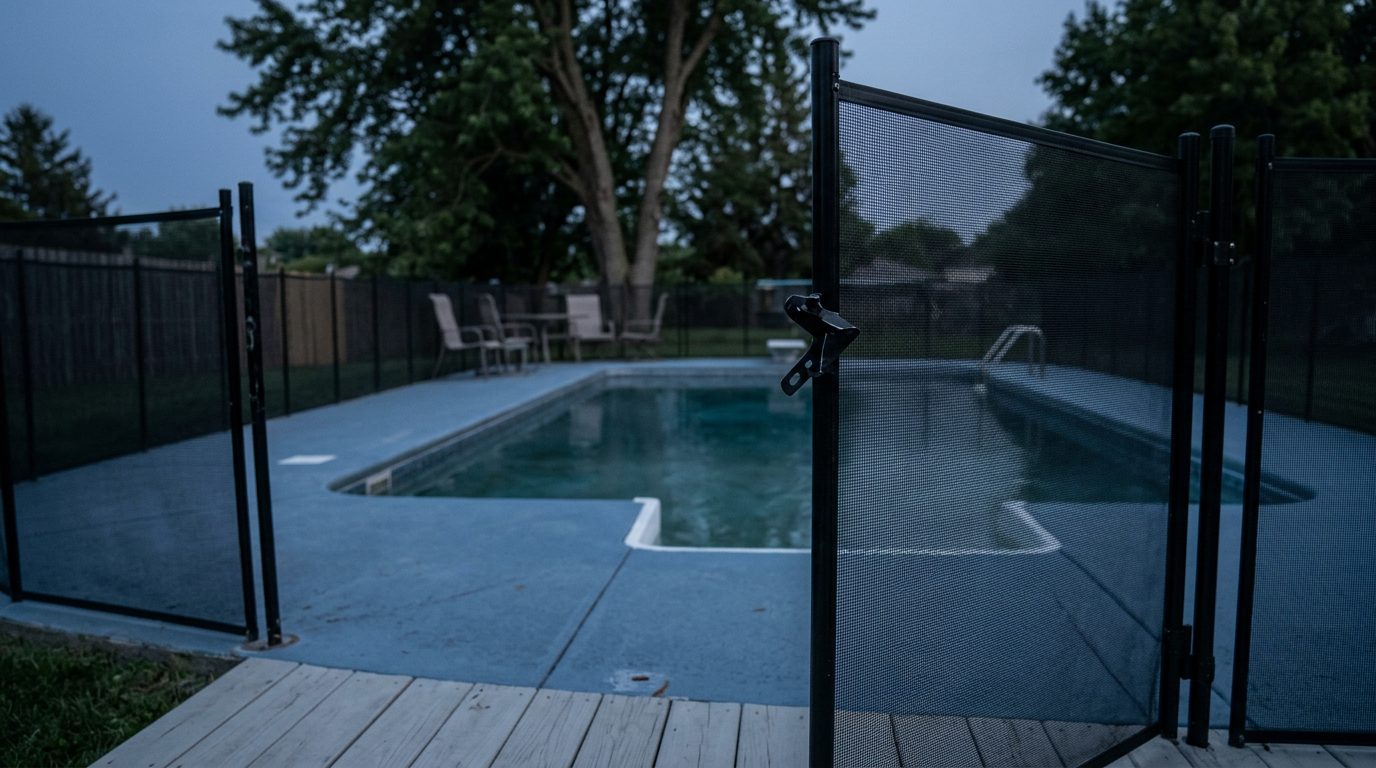
- Lack of proper fencing, gates, or barriers around private pools.
- Failure to enforce or post water-safety rules and depth warnings.
- Negligent operation of water recreation equipment (jet skis, boats, rental watercraft).
- Failure to provide swimming lessons or age-appropriate supervision for children.
- Unsafe conditions: poor water visibility, hidden hazards, or unmarked deep areas.
- Delayed or inadequate emergency response by staff or first responders.
Understanding Liability in Florida Drowning Cases
Property owners and operators have a legal duty to maintain safe conditions and provide reasonable supervision. When that duty is breached—for example, a pool operator fails to hire a lifeguard, or a property owner does not secure a pool with a fence—negligence occurs.
Under Florida law, Fla. Stat. §768.81, you can recover damages even if you were partially at fault, as long as you were not more than 50% responsible for the accident. This is called comparative negligence, or the “51% rule.” If you were 51% or more at fault, you cannot recover—but if you were 50% or less at fault, you can still pursue a claim.
When a drowning is fatal, a wrongful death claim may be brought for the benefit of the survivors and the decedent’s estate, and survivors may recover lost support and services under Fla. Stat. §768.21. Property owners can be held liable for drowning accidents that occur on their property due to their negligence or failure to warn of known hazards. This is called premises liability.
Have questions about what happened?
Ask our team directly. The first conversation is free, confidential, and there is no obligation to continue.
What Drowning Accident Claims Cover
Drowning accident claims can recover compensation for a wide range of damages, depending on the severity of the injury and the circumstances.
Medical expenses include emergency care, hospitalization, surgery, rehabilitation, ongoing therapy, and specialized equipment for survivors with permanent brain injury or organ damage.
Lost income and earning capacity covers wages lost during recovery and future income lost due to permanent disability.
Pain and suffering compensates for physical pain, emotional trauma, and loss of quality of life.
Wrongful death damages provide compensation to the family for the loss of the victim’s life, companionship, guidance, and financial support.
Funeral and burial expenses are also recoverable.
Punitive damages may be available in cases of gross negligence or willful misconduct—additional damages designed to punish the defendant and deter similar conduct.
Lifetime care costs are critical for survivors with permanent catastrophic injuries. These cover long-term medical care, assisted living, and support services over the victim’s lifetime.
There is no cap on pain-and-suffering damages in Florida for catastrophic injuries or wrongful death. The amount depends on the severity of the injury, the impact on the victim’s life, and the circumstances of the case.
How the Process Works
Understanding the legal process can help reduce anxiety during an already difficult time.
Step 1 – Free Case Evaluation: You contact the firm and speak with an attorney about what happened. There is no cost or obligation. The attorney will listen to your story and explain whether you have a viable claim.
Step 2 – Investigation: The firm gathers evidence, including witness statements, surveillance footage, safety records, lifeguard logs, and expert analysis of the property’s safety conditions and compliance with water-safety regulations.
Step 3 – Liability Assessment: Attorneys determine who is responsible and whether a viable claim exists against the property owner, operator, or other parties.
Step 4 – Demand and Negotiation: The firm sends a demand letter to the defendant’s insurance company and negotiates a settlement on your behalf.
Step 5 – Litigation (if necessary): If a fair settlement is not reached, the firm files a lawsuit and prepares the case for trial. This includes depositions, expert testimony, and discovery of evidence.
Step 6 – Resolution: The case is resolved through settlement or judgment at trial.
Timeline: Most drowning accident cases take 1–3 years, depending on the complexity of the case and whether it goes to trial. Wrongful death cases may take longer due to the need for expert testimony and the emotional and legal complexity involved.
Why Choose This Firm for Your Drowning Accident Claim
The firm’s practice focuses exclusively on catastrophic injury cases, including drowning accidents and near-drowning injuries with permanent harm.
Licensed attorneys: All attorneys are licensed to practice in Florida and admitted to the Florida Bar, with experience handling catastrophic injury claims.
National reach: While based in Florida, the firm handles drowning accident cases nationwide, so geography is not a barrier.
No upfront attorney’s fee: The firm works on a contingency-fee basis. You pay no attorney’s fee unless the firm recovers compensation for you. Clients may still be responsible for certain case costs, which we explain upfront. Typically, the firm takes a percentage of the recovery (usually 33–40%) only if you win or settle the case. This removes financial barriers and aligns the firm’s interests with yours.
Compassionate approach: The firm understands the trauma and grief families face and provides empathetic, straightforward guidance without legal jargon.
Drowning Statistics and the Scope of the Problem in Florida
The scale of drowning in Florida underscores the importance of accountability and prevention.
Many drowning survivors suffer brain injury due to oxygen deprivation, which can result in permanent disability.
Near-drowning incidents can cause organ damage, seizure disorders, and lifelong medical needs. Yet many drowning accidents are preventable through adequate supervision, proper safety equipment, and adherence to water-safety protocols. When negligence leads to a preventable drowning, families deserve accountability and compensation.
Want to know where you stand?
Tell us what happened and our team will walk you through the options available to you, at no cost.
Frequently Asked Questions
What is the 51% rule in Florida?
Florida’s comparative negligence law allows you to recover damages even if you were partially at fault, as long as you were not more than 50% responsible for the accident. If you were 51% or more at fault, you cannot recover.
How long after a drowning accident can I sue in Florida?
The statute of limitations for personal injury claims in Florida is generally two years from the date of the accident, and two years from the date of death for wrongful death claims under Fla. Stat. §95.11. It is critical to act quickly to preserve evidence and meet these deadlines.
How much can I sue for pain and suffering in Florida?
There is no cap on pain-and-suffering damages in Florida for catastrophic injuries or wrongful death. The amount depends on the severity of the injury, the impact on the victim’s life, and the circumstances of the case. An attorney can help you understand what your claim may be worth.
How much do accident attorneys take in Florida?
Personal injury attorneys typically work on a contingency-fee basis, meaning they are paid a percentage of the recovery only if they win or settle the case. You pay nothing upfront.
What if the drowning happened at a public beach or government-owned facility?
Claims against government entities follow different rules than claims against private parties. Deadlines for claims against government entities are strict, so it is important to speak with an attorney as soon as possible.
What is a near-drowning injury, and what are the long-term effects?
A near-drowning is a submersion incident in which the person survives but may suffer oxygen deprivation to the brain and organs. Long-term effects include catastrophic brain injury, seizure disorders, organ damage, and permanent disability. Some survivors never regain consciousness or full cognitive function.
Get Your Free Case Evaluation Today
If you or a loved one has been harmed in a drowning accident in Orlando or anywhere in Florida, you have legal options. The firm offers a free, confidential case evaluation to discuss what happened and explain your rights. There is no obligation, and no cost unless the firm recovers compensation for you.
If you lost a loved one in a drowning accident in Orlando or your family member suffered catastrophic brain injury from near-drowning, you may have a legal claim—and families in your situation reach out to us regularly. Contact the firm today to speak with an attorney about your case.
Why Choose CHG Personal Injury Lawyers
Focused on Catastrophic Cases
We focus exclusively on serious and life-altering injuries, including wrongful death. We understand the full scope of damages—medical care, lost income, pain and suffering, and the loss of a loved one.
Compassionate Representation
Drowning deaths and severe injuries leave families devastated. We approach every case with empathy and the commitment to help you navigate this tragedy and pursue the accountability your family deserves.
Thorough Investigation
We investigate the circumstances surrounding your accident—whether inadequate lifeguard supervision, faulty equipment, unsafe pool conditions, or failure to maintain rescue equipment—to identify all liable parties.
Florida-Based, Nationwide Reach
Based in Florida and handling cases across the nation, we have the resources and experience to pursue drowning claims wherever they occur—from resort pools to natural water bodies.
Types of Drowning Cases We Handle
Wrongful Death Claims
When a loved one dies in a drowning accident due to negligence—inadequate supervision, unsafe conditions, or failure to provide rescue equipment—family members may pursue a wrongful death claim against the responsible party.
Pool & Water Park Accidents
Drowning injuries and deaths at residential pools, public pools, hotels, resorts, and water parks often result from negligent maintenance, inadequate lifeguard presence, or failure to warn of hazards.
Negligent Supervision & Security
Property owners have a duty to provide reasonable supervision and safety measures. When they fail, resulting in a drowning, they may be held liable for the injury or death.
Natural Water Body Accidents
Drowning accidents at beaches, lakes, rivers, and other natural water areas may involve negligent operators, inadequate warning signs, or failure to provide rescue services.
Time Matters in Drowning Cases
Evidence in drowning accidents—witness statements, surveillance footage, maintenance records, and safety protocols—can disappear quickly. The sooner you contact an attorney, the sooner we can preserve critical evidence and begin building your case.
What We Investigate in Drowning Cases
Lifeguard Presence & Training
Was there an adequate number of trained lifeguards on duty? Did they follow proper rescue protocols? Inadequate or absent supervision is a common factor in preventable drowning deaths.
Pool & Water Maintenance
We examine whether the facility was properly maintained, whether drains were compliant with safety laws, and whether the water quality and visibility were adequate to prevent accidents.
Safety Equipment & Signage
We investigate whether rescue equipment was available and functional, whether warning signs were posted, and whether the property owner failed to warn of known hazards.
Operator Negligence
We identify whether water park operators, boat operators, or other parties failed to follow safety protocols, ignored warnings, or acted recklessly in a way that contributed to the drowning.