
Florida Drowning Accident Lawyer
Drowning Deaths and Serious Water Injuries: Legal Help for Your Family
When a drowning or water accident takes a life or causes catastrophic injury, property owners and operators may be held liable. CHG Personal Injury Lawyers handles drowning cases and wrongful-death claims across Florida.
By CHG Lawyers · Published September 22, 2026
Florida Drowning Accident Lawyer: Wrongful Death & Catastrophic Injury Claims
Your child was at a pool party. Your spouse was on a rented jet ski. Your loved one was at a beach or water park. Then, in an instant, they were gone—or they survived with permanent brain damage.
Drowning is the leading cause of unintentional injury death for children ages 1–4 in the United States, according to the CDC. For adults, it remains a leading cause of unintentional fatal injury. Many of these deaths are preventable. They happen because someone—a property owner, a facility operator, a lifeguard, a boat operator, or an instructor—failed to keep conditions safe, supervise adequately, warn of danger, or respond to an emergency.
If your loved one drowned because of someone else’s negligence, you may have a legal claim. If someone in your family survived a near-fatal drowning with permanent brain or spinal injury, you may also have a claim. This guide explains what happened, who may be responsible, what damages you can recover, and how a Florida drowning accident lawyer can help you move forward.

If your loved one drowned because of someone else's negligence, you may have a legal claim. Talk it through with our team — the first consultation is free, confidential, and carries no obligation.
The Reality: Drowning as a Catastrophic Injury
Drowning is not a minor injury. It is a catastrophic event that ends lives or leaves survivors permanently disabled.
When someone drowns, they lose consciousness within seconds. Brain damage begins within minutes without oxygen. Near-drowning survivors can suffer anoxic encephalopathy—permanent brain injury from lack of oxygen. This causes cognitive impairment, loss of motor function, seizures, and the need for full-time care.
Others suffer spinal cord injury from diving accidents into shallow water. This results in paraplegia or quadriplegia.
The family left behind faces grief plus immediate, crushing costs: medical bills, funeral expenses, lost income, and long-term care. The law recognizes this catastrophic loss and provides a path for families to recover damages.
Who Is Responsible? Understanding Liability in Drowning Cases
In Florida, property owners and operators have a legal duty of care. They must maintain safe premises and protect people in their care. When they breach that duty and someone drowns, whether they are liable depends on the facts of the case, including whether the breach caused the drowning and what defenses apply.
Potential defendants in drowning cases may include property owners and operators, facility operators, lifeguards and instructors, boat and jet ski operators, and product manufacturers, depending on the facts.
Common forms of negligence that lead to drowning:
- Absent or inadequate lifeguard supervision
- Failure to maintain or repair safety equipment (life jackets, rescue devices, defibrillators, first-aid kits)
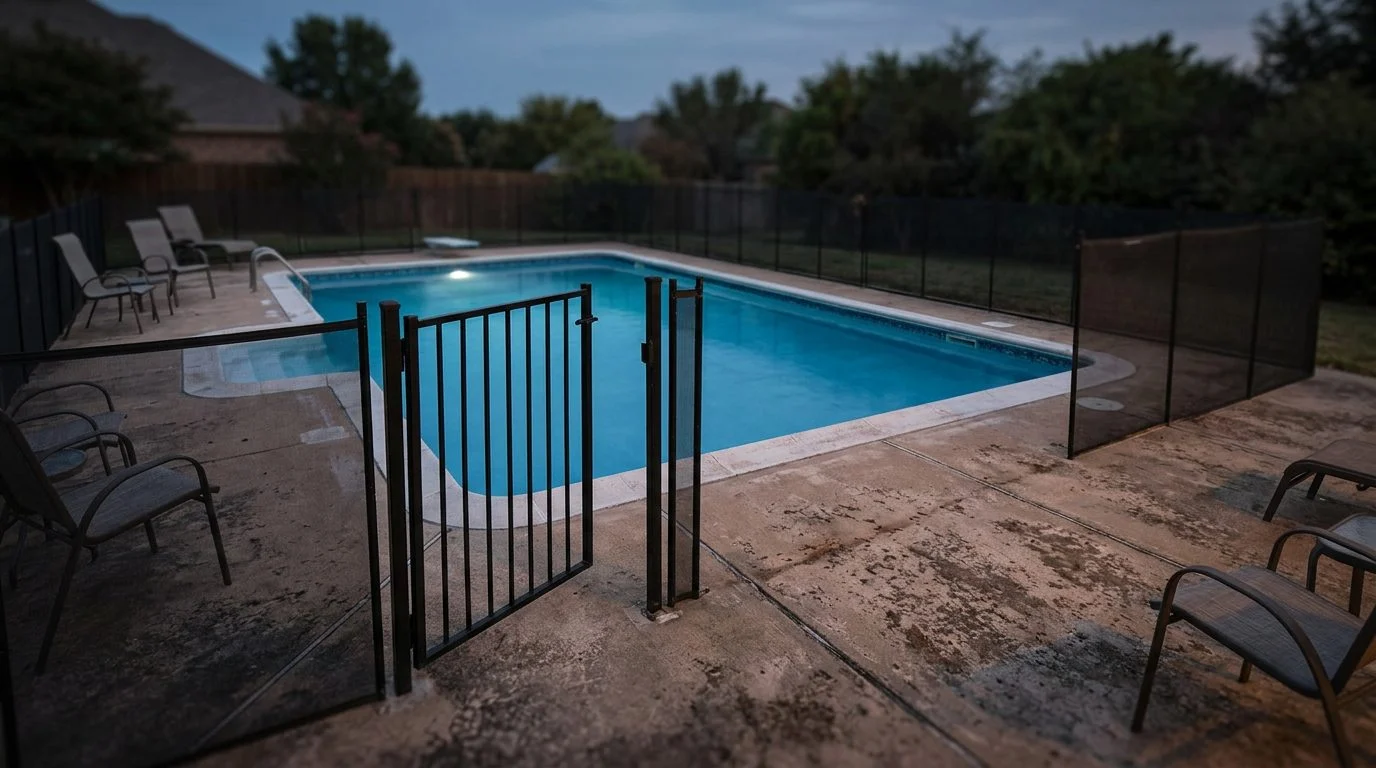
- Missing, broken, or inadequate fencing, gates, or barriers around water hazards
- Failure to warn of dangerous conditions (strong currents, deep water, submerged obstacles)
- Negligent or inadequate instruction in swimming, diving, or water sports
- Operator error or recklessness in boat or jet ski operation
- Failure to enforce safety rules or respond promptly to distress signals
- Defective equipment or design flaws in watercraft or attractions
- Serving alcohol without adequate supervision
What Is the 51% Rule? Understanding Comparative Negligence
Florida law recognizes that sometimes more than one person bears responsibility for an accident. Under Florida Statute §768.81, this is called comparative negligence.
If you are found to be more than 50% at fault, you cannot recover any damages.
If you are found to be 50% or less at fault, you can recover damages (Fla. Stat. § 768.81(6)). But the amount is reduced by your percentage of fault.
Here is a concrete example:
A 10-year-old child drowns at a community pool. The pool has no lifeguard on duty, no working rescue equipment, and broken fencing. The pool operator is found to be 85% at fault. However, the child’s parent did not enforce a rule that the child wear a life jacket. A jury finds the parent 15% at fault.
Under Florida’s wrongful-death statute, a defense that would bar or reduce a survivor’s own recovery may be asserted against that survivor, but it does not affect the recovery of any other survivor.
Why this matters: Our investigation focuses on minimizing any finding of comparative fault against you and maximizing the defendant’s liability (Fla. Stat. § 768.81(6)). We gather evidence of the defendant’s negligence, expert testimony, and witness statements to build the strongest case.
What Damages Can You Recover?
Wrongful Death Claims
When someone dies due to negligence, the family can pursue a wrongful death claim under Florida Statute §768.19. Recoverable damages include:
- Funeral and burial expenses (often $5,000–$15,000 or more)
- Lost income and financial support the deceased would have provided
- Loss of companionship, guidance, and emotional support to surviving family members
- Pain and suffering of the family
- Punitive damages (additional compensation to punish the defendant) if the defendant’s conduct was grossly negligent or reckless
Catastrophic Injury Claims (Survivors)
A person who survives a near-fatal drowning but suffers permanent brain or spinal injury can recover:
- Emergency and medical expenses (ICU care, ventilators, surgeries, medications)
- Ongoing rehabilitation and long-term care costs (physical therapy, occupational therapy, in-home nursing, adaptive equipment)
- Lost wages and lost earning capacity (income the survivor would have earned)
- Damages for permanent disability and reduced quality of life
- Pain and suffering
See our guide to catastrophic injury claims for more detail.
Drowning Accidents in Maritime Settings
If the drowning or injury occurred on navigable waters—a lake, river, ocean, or in connection with a boat, jet ski, or other watercraft—the case may involve maritime law. Maritime law operates under different rules than land-based injury law.
Maritime claims may fall under federal jurisdiction and involve focused statutes:
- The Jones Act (allows maritime workers injured due to negligence to sue their employer)
- The Death on the High Seas Act (governs wrongful death claims for deaths occurring on the high seas)
- The Longshore and Harbor Workers’ Compensation Act (covers certain maritime workers)
Not sure what your next step is?
Talk it through with our team — the first consultation is free, confidential, and carries no obligation.
How the Legal Process Works
Step 1: Free, Confidential Consultation
You meet with an attorney to discuss what happened and potential liability. There is no obligation, and you pay nothing at this stage.
Step 2: Investigation
We conduct a thorough investigation. We gather:
- Accident reports and police records
- Witness statements and contact information
- Photographs and video of the scene
- Maintenance records and safety policies
- Expert opinions from medical specialists, accident reconstructionists, and maritime experts
- Prior complaints or incidents at the same location
Step 3: Demand and Negotiation
We send a detailed demand letter to the defendant’s insurance company. We outline the facts, the defendant’s liability, and the damages you have suffered. We then negotiate a settlement.
Step 4: Lawsuit and Discovery (if necessary)
If a fair settlement is not reached, we file a lawsuit. Both sides exchange evidence and take depositions (recorded statements under oath) during the discovery phase. Most cases settle during this phase.
Step 5: Trial (if necessary)
If the case does not settle, it proceeds to trial before a judge or jury. We present evidence, witnesses, and expert testimony to prove liability and damages.
Timeline: Drowning cases typically take 1 to 3 years from initial consultation to resolution.
Statute of Limitations: Time Is Critical
Under Florida Statute §95.11, the deadline to file a lawsuit is:
- Two years from the date of death for wrongful death claims
- Two years from the date of injury for personal injury claims
If you miss this deadline, you lose your right to recover damages. Contact the firm immediately to ensure your claim is filed within the deadline.
Why This Firm
Our attorneys are licensed in Florida and focus on catastrophic injury and wrongful death claims. Drowning cases—whether fatal or resulting in permanent brain or spinal injury—are a core part of our practice.
We represent clients nationwide, not just in Florida. Bilingual resources in English and Spanish ensure that all families receive support in their preferred language.
We work on contingency: you pay nothing upfront and nothing if the case is unsuccessful. We handle all communication with insurance companies and defendants so you can focus on healing and supporting your family.
We have access to top experts—medical specialists, accident reconstructionists, maritime experts, and investigators. This strengthens every case. Most importantly, we approach each family with compassion and dignity, understanding the devastating impact of drowning tragedies.
Frequently Asked Questions
Can someone sue you if they drown in your pool?
Yes. Under Florida law, pool owners have a legal duty to maintain safe premises, provide adequate supervision, and warn of dangers. If someone drowns due to the owner’s negligence—inadequate fencing, lack of lifeguard, failure to maintain equipment, or failure to respond to an emergency—the owner can be held liable.
What is the 51% rule in Florida?
Under Florida Statute §768.81, if the injured person or deceased is more than 50% at fault, they cannot recover damages. If 50% or less at fault, recovery is reduced by their percentage of fault.
How much do accident attorneys take in Florida?
Most personal injury and wrongful death attorneys work on a contingency fee basis: they take a percentage of the recovery (typically 25–40%, depending on the case and whether it settles or goes to trial). You pay nothing upfront and nothing if the case is unsuccessful.
How long do I have to file a drowning lawsuit in Florida?
Under Florida Statute §95.11, the statute of limitations for wrongful death is typically two years from the date of death, and two years for personal injury claims. Contact the firm immediately to ensure your claim is filed within the deadline.
What damages can I recover in a drowning case?
Wrongful death claims cover funeral expenses, lost income and support, loss of companionship, pain and suffering, and in cases of gross negligence, punitive damages. Survivors of near-fatal drowning may recover medical costs, rehabilitation, lost wages, and damages for permanent disability.
Do I need to prove the defendant intended to cause harm in a drowning claim?
No. Drowning claims are based on negligence, not intent. You must show that the defendant owed a duty of care, breached that duty, and caused the drowning and your damages.
Have questions about what happened?
Ask our team directly. The first conversation is free, confidential, and there is no obligation to continue.
Take the Next Step
The firm offers a free, confidential case evaluation—no obligation, no cost. During the consultation, an attorney will listen to your story, answer your questions, and explain your legal options and next steps.
If your family lost a loved one in a drowning accident or someone survived with catastrophic brain or spinal injury, you may have a claim against the property owner or operator. The law recognizes the catastrophic nature of drowning and provides a path for families to recover damages and hold negligent parties accountable.
Contact the firm today for a free case evaluation.
Drowning is Preventable
Most drowning deaths result from negligence—missing or broken safety equipment, lack of supervision, failure to maintain the property, or inadequate rescue response. If a property owner or operator failed to provide reasonable care and someone died or was seriously injured, you may have a claim.
Common Causes of Drowning Claims
Pool & Spa Negligence
Broken drains, missing or inadequate fencing, lack of lifeguards, failure to maintain equipment, or failure to post warnings.
Failure to Supervise
Inadequate staff, untrained personnel, or absence of required supervision at beaches, water parks, hotels, or rental properties.
Unsafe Property Conditions
Poor water quality, hidden hazards, slippery surfaces, lack of lighting, or missing rescue equipment.
Failure to Respond
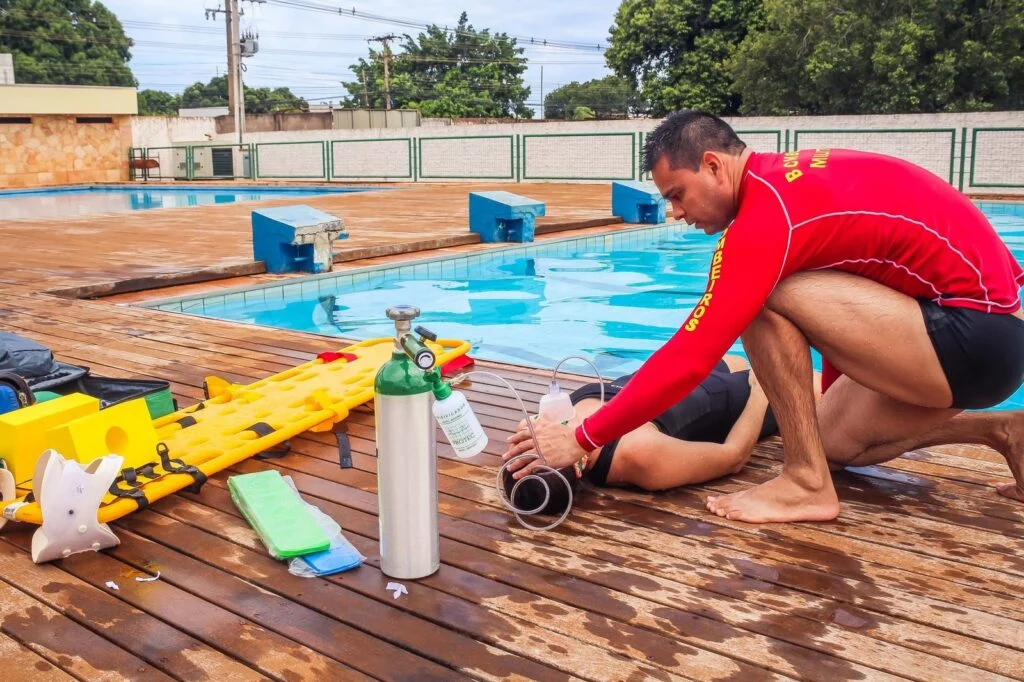
Delayed emergency response, untrained staff, or failure to perform CPR or call for help when a person is in distress.
Why Families Choose CHG Personal Injury Lawyers
Focused on Catastrophic Injury & Wrongful Death
We focus on serious and fatal injuries. Drowning deaths and permanent water-related injuries are at the heart of our practice.
Experience with Complex Claims
Drowning cases involve property liability, premises duty, supervision standards, and often multiple defendants. We navigate these complexities for you.
Florida-Based, Nationwide Reach
We handle drowning cases throughout Florida and across the country, including vacation rentals, hotels, and water facilities in other states.
Compassionate Representation
We understand the devastating loss of a drowning death. We listen, support your family, and fight for fair compensation.
Who Can Be Held Liable?
Property Owners
Homeowners, apartment complexes, and vacation rental owners have a duty to maintain safe premises and warn of dangers.
Operators & Facilities
Water parks, hotels, resorts, beaches, and public pools should maintain adequate supervision, trained staff, and working safety equipment.
Managers & Staff
Lifeguards, facility managers, and supervisors may be liable for failure to supervise, negligent rescue, or failure to call for help.
Equipment Manufacturers
Makers of drains, gates, alarms, and other safety equipment may be liable if defective products contribute to a drowning.
Florida's Duty of Care
Under Florida law, property owners and operators owe a duty to maintain safe premises, provide adequate supervision, and warn of known dangers. If someone drowns because of negligence—broken equipment, lack of lifeguards, poor maintenance, or failure to respond—the owner can be held liable for the death or serious injury.
What We Handle
Wrongful Death Claims
When a drowning takes a life, families can pursue a wrongful-death claim against the negligent property owner or operator for compensation and justice.
Serious Injury Cases
Near-drowning incidents can cause traumatic brain injury, spinal cord damage, paralysis, and permanent disability. We pursue full compensation for lifelong care.
Vacation Rental Liability
Short-term rental owners and platforms may be liable if pools, hot tubs, or water features lack proper safety measures or supervision.
Hotel & Resort Claims
Hotels, resorts, and hospitality businesses have heightened duties to guests. We hold them accountable for negligent supervision and unsafe conditions.
Your Family Deserves Answers and Fair Compensation
Related practice areas
- Catastrophic Jet Ski & Personal Watercraft Accident Injuries: A Florida Legal Guide
- Florida Jet Ski Accident Injury Attorneys | Catastrophic Watercraft Crash Claims
- Jet Ski Rental Accident Claims: When a Rental Company Is Liable for Your Injuries
- Traumatic Brain Injuries From Jet Ski Accidents: What Families Need to Know
- Spinal Cord Injuries: A Guide for Victims and Families Facing Paralysis
- Tetraplegia
- Orlando Drowning Accident Lawyer