

Florida Car Accidents | Igor Hernandez, CHG Lawyers, Coral Gables, Florida
Who Is Responsible After a Florida Car Accident?
Florida fault rules can shape how a car accident claim is evaluated. Here is how those rules generally work, which facts often matter, and how to take the next step.
By Igor Hernandez, CHG Lawyers, Coral Gables, Florida
Car accidents usually come from a mix of driver choices, road conditions, and vehicle factors, not one single cause. Speed, distraction, fatigue, impairment, and seat belt use can each matter, and how Florida law treats them depends on the facts of each crash.
This page does not rank crash causes by percentage. The sources it relies on do not give a verified breakdown, so we won’t offer one.
If a crash has changed your life or a loved one’s, you may be trying to understand what happened while dealing with pain, paperwork, and decisions you didn’t expect. This guide explains the basics in plain words.
What causes car accidents in Florida?
Crashes can start with the driver, the road, the weather, or the vehicle. No single factor explains every crash, and the facts of each crash decide which factors matter.
Speed and driving too fast for conditions
Florida law says no driver may go faster than is reasonable and prudent for the conditions and hazards that exist. Florida’s unlawful speed statute also requires drivers to slow down near intersections, curves, hill crests, and narrow or winding roads. In work zones, no driver may exceed the posted maximum speed limit.
Distraction and phone use by commercial drivers
Federal rules for commercial truck and bus drivers prohibit texting while driving. A motor carrier may not allow or require its drivers to text while driving either. The federal texting rule for drivers includes an emergency exception.
Federal rules also bar drivers of commercial vehicles from using a hand-held mobile phone while driving. The hand-held phone rule also has an exception for communicating with law enforcement or emergency services. Whether these rules apply depends on the facts of the trip.
Fatigue and illness for truck drivers
A commercial vehicle driver may not operate the vehicle when their ability or alertness is so impaired, through fatigue, illness, or any other cause, that it is unsafe. The federal rule on ill or fatigued operators sets that standard. How it applies to a specific crash depends on the records and facts in that case.
Alcohol and other impairment
Florida’s alcohol and drug defense can bar an injured person from recovering damages. Florida’s alcohol or drug defense statute applies when the person was impaired at the time of injury. It also requires that the impairment made the person more than 50 percent at fault for their own harm. The statute also covers a blood or breath alcohol level of 0.08 percent or higher.
Florida also limits when a seller of alcohol may be liable. Florida’s alcohol liability statute says a person who sells or furnishes alcohol to an adult of lawful drinking age is not liable for that adult’s intoxication for that reason alone. The statute has exceptions, such as serving someone under the lawful drinking age or knowingly serving a person habitually addicted to alcohol. Each situation depends on its facts.
Seat belts
Florida’s Safety Belt Law sets the state’s seat belt rules, including limited exceptions. How seat belt use may affect an injury claim depends on the facts of the crash and on Florida law.
If a crash has changed your family's daily life, our team can talk with you about what may apply to your situation, and CHG charges no attorney's fees and no case costs unless there is a recovery.
How does Florida law divide fault after a crash?
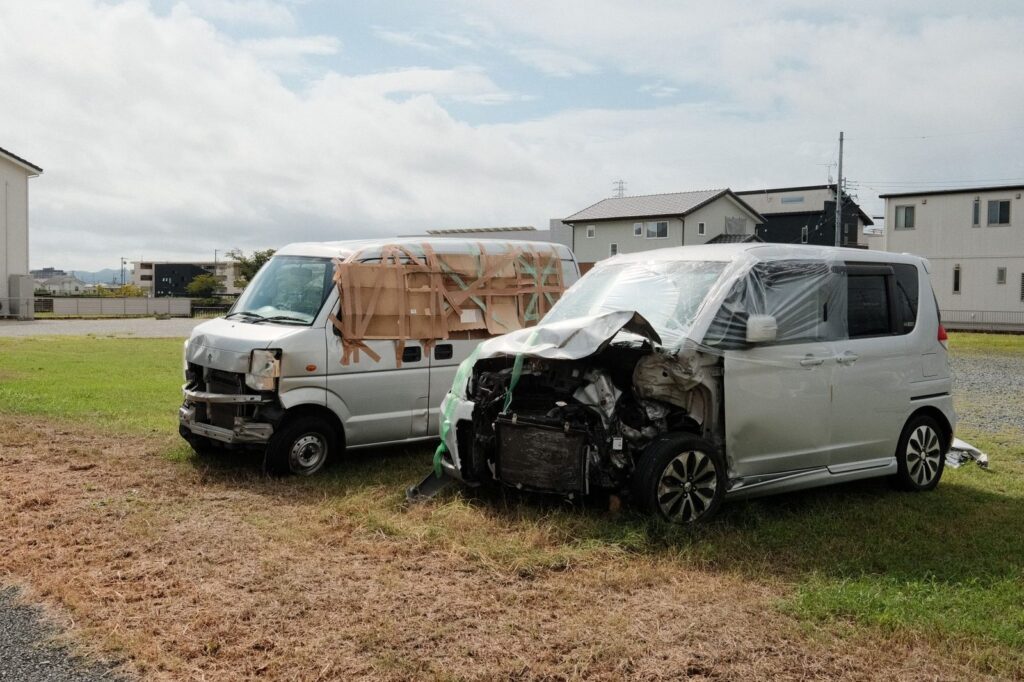
Florida generally divides fault by percentage, and an injured person’s own share of fault may limit what they recover. Florida’s comparative fault statute says the court enters judgment against each liable party based on that party’s percentage of fault. It does not apply joint and several liability, which would make one party pay the full amount.
Under Florida’s comparative fault law, a party found more than 50 percent at fault for their own harm generally may not recover damages in a negligence action (Fla. Stat. § 768.81(6)), for causes of action filed after March 24, 2023, and this rule does not apply to medical negligence claims under chapter 766. The statute does not cover every type of claim, including actions based on an intentional tort. How it applies depends on the facts of your case.
How long do you have to file a claim in Florida?
Florida sets filing deadlines in its statutes, and Florida’s limitations statute is the main statute for many negligence claims. The deadline depends on when the claim arose and on exceptions that may apply. Because deadlines apply, don’t wait to look at your timeline.
What should families know after a fatal crash?
Losing someone in a crash is devastating. Families often face questions about the person they lost and about what comes next.
Under Florida’s Wrongful Death Act, Fla. Stat. §§ 768.16–768.26 (including § 768.20), a wrongful-death claim is generally brought by the decedent’s personal representative for the benefit of the survivors and the estate, and whether a claim exists depends on the facts of each case and the conditions set out in Florida law. Who may bring the claim, and what may be recovered, depend on the facts and the applicable law. Families may find it helpful to keep copies of the crash report, medical records, and insurance information. Follow your doctors’ care plan as well.
Who may be responsible in a truck crash?
In a crash involving a commercial truck, more than one party may be responsible, depending on the facts. Possible parties can include the driver, the company that employs or contracts with the driver, and the vehicle’s owner. Florida law on these relationships depends on the specific facts. Learn more about truck accident claims.
Mistakes that can make a claim harder
Some people wait to see a doctor, post about the crash online, or sign papers they don’t fully understand. These choices may make it harder to show what happened, depending on the facts. Get medical care when you need it, and keep your follow-up appointments.
Not sure what your next step is?
Frequently asked questions
Is there one main cause of car accidents?
No single cause explains every crash. Speed, distraction, fatigue, impairment, and seat belt use can each matter, depending on the facts.
Does speeding break Florida law?
Florida law says no driver may go faster than is reasonable and prudent for the conditions. Lower speeds are also required in certain settings, such as work zones.
Can I be partly at fault and still recover?
Under Florida law, a recovery is reduced by the injured person’s share of fault under § 768.81(2), and a finding of more than 50 percent fault may bar recovery entirely under Fla. Stat. § 768.81(6), for causes of action filed after March 24, 2023, subject to the medical-negligence exception under chapter 766. How these rules apply depends on the facts of each case. How they apply depends on the facts of your case.
Do I have to wear a seat belt in Florida?
Florida’s Safety Belt Law sets seat belt rules with limited exceptions. Its effect on an injury claim depends on the facts and on Florida law.
Can a bar be sued after a drunk driver crashes?
Florida law generally does not make a seller liable for an adult’s intoxication for that reason alone, and it has exceptions. Each case depends on its facts.
How long do I have to file?
Florida sets filing deadlines by statute, and they depend on when a claim arose and on exceptions. Don’t wait to look at your timeline.

Talk with CHG about your situation
If you’re reading this while a crash is still shaping your days, you don’t have to sort out the law alone. Our team at CHG can talk with you about what may apply to your situation, and contact CHG to start that conversation. CHG charges no attorney’s fees and no case costs unless there is a recovery.
This page gives general information about Florida law. It is not legal advice. Results depend on the facts of each case and cannot be promised.
What Shapes Fault in a Florida Crash
The crash record
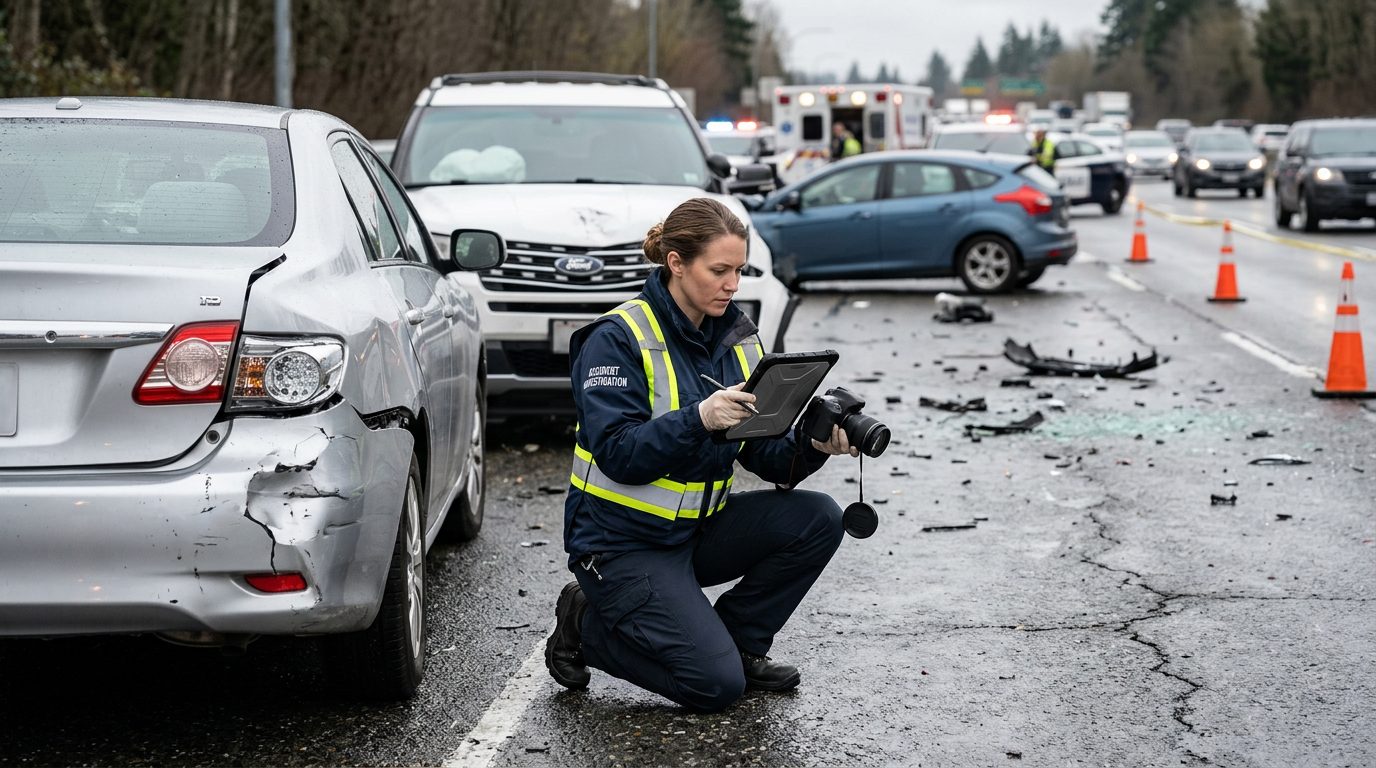
Police reports, photographs, and witness statements can help show how a crash happened. Their weight depends on the facts of each case.
The driving conduct involved
Speed, distraction, impairment, fatigue, and lane or signal choices are examined against the conditions at the time of the crash.
Medical records
Whether a link exists depends on the medical evidence and the facts of each case.
Florida law as applied
Florida's fault and damages rules are applied to the facts of your situation. Results are not guaranteed, and no two cases are the same.
Protect Your Evidence
Keep the crash report number, photos of the scene and vehicles, names of witnesses, and every medical record and bill. Follow your doctors' care. Whether this information matters to your claim depends on the facts of your case.
Driving Conduct We Examine
Speed
Speed can be a factor when a driver travels faster than conditions allow. Whether it played a role depends on the facts of the crash.
Distraction
Phones, screens, and other distractions may be examined when a driver did not keep a proper lookout.
Impairment
Alcohol, drugs, or medication may be part of a crash investigation. The evidence in each case is reviewed on its own terms.
Fatigue
Exhaustion can affect reaction time and judgment. Whether fatigue contributed to a crash depends on the records and facts available.