


Car Accident Injuries
Psychological Shock After a Car Accident: Why It Matters to Your Claim
A car crash triggers more than physical injury. Understand how psychological shock affects your body, your recovery, and your legal rights in Florida.
By CHG Lawyers · Published September 29, 2026
Psychological Shock After a Car Accident: Why It’s a Compensable Injury in Florida
When a car accident happens, your nervous system responds instantly. It doesn’t distinguish between a fender-bender and a catastrophic crash. Your body floods with stress hormones—adrenaline, cortisol, norepinephrine—triggering what’s called psychological shock: a cascade of physical, emotional, and cognitive reactions designed to protect you from immediate threat.
This protective response kept our ancestors safe from predators. Today, it often leaves accident survivors feeling shaky, disoriented, emotionally numb, or panicked hours or days after the danger has passed.
Here’s what many accident survivors don’t know: in Florida, psychological shock and the injuries it causes—anxiety, depression, post-traumatic stress disorder (PTSD)—are legally compensable damages. That means they’re part of what you may recover in a personal-injury claim. Understanding what psychological shock looks like, how it’s documented, and how it affects your legal rights helps you recognize what’s happening to your body and mind, know when professional help matters, and understand how these injuries strengthen your claim.
Not sure what your next step is?
Talk it through with our team — the first consultation is free, confidential, and carries no obligation.
What Psychological Shock Is—And Why It’s Not Weakness
Psychological shock is your nervous system’s automatic defense mechanism. It activates when faced with sudden, life-threatening, or deeply distressing events. It’s not weakness. It’s not panic disorder. It’s not something you can “think your way out of.”
Acute shock occurs in the first few hours after an accident. This differs from acute stress disorder (ASD) or post-traumatic stress disorder (PTSD), which are clinical diagnoses developing over days, weeks, or longer. This page focuses on acute psychological shock—what you’re likely experiencing immediately after an accident.
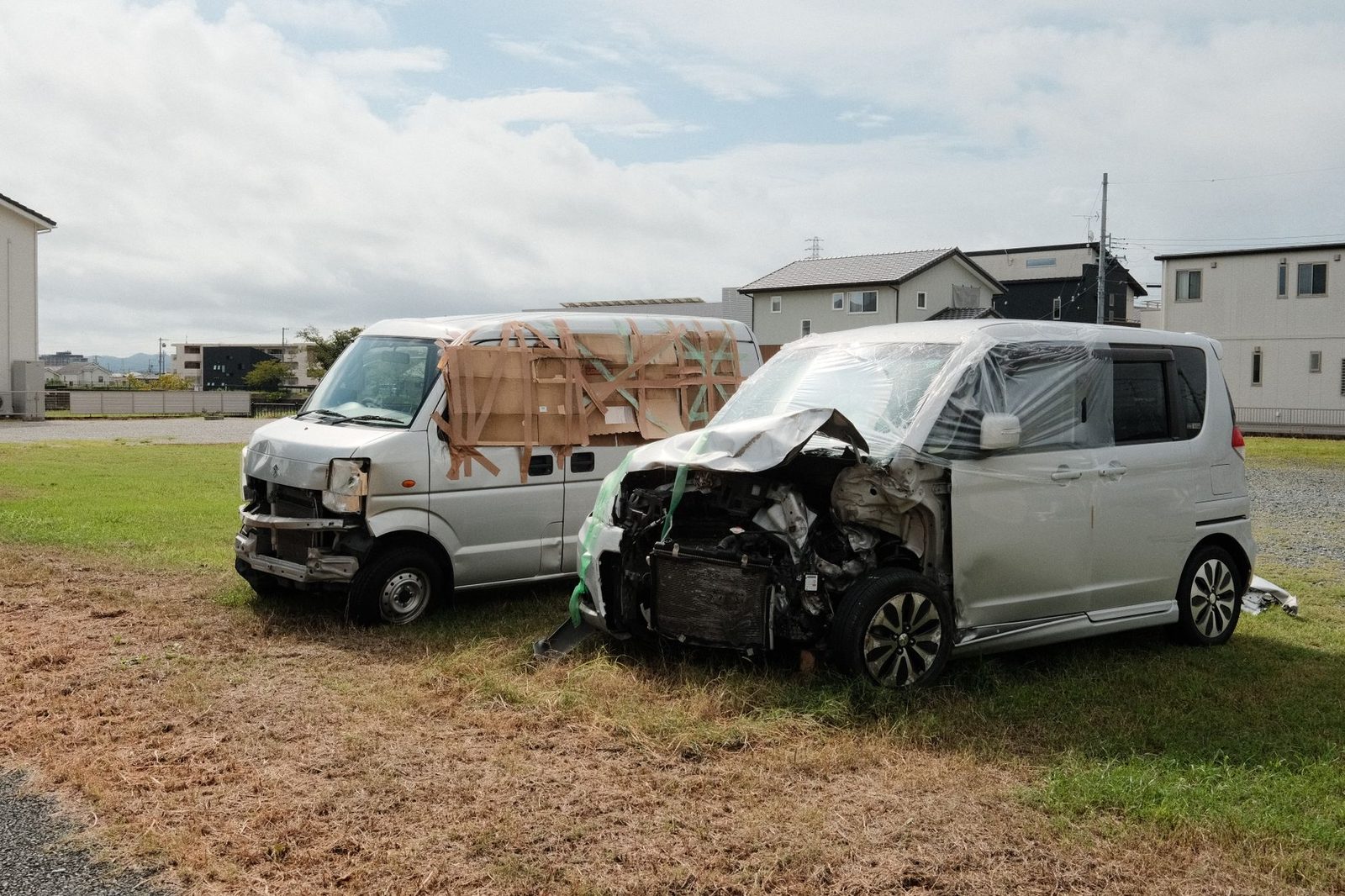
Many people experience intense shock after accidents they initially thought weren’t “that bad.” The psychological impact doesn’t always match vehicle damage. A low-speed rear-end collision can trigger the same nervous-system response as a high-speed crash. Your body measures threat, not miles per hour.
Why this matters legally: In Florida, the severity of physical damage is not the measure of your injury claim. A minor-impact crash that leaves you with PTSD is still a valid claim.
Physical Symptoms: Your Body in Overdrive
When shock hits, your sympathetic nervous system (the “fight or flight” branch) kicks into overdrive. These physical symptoms are real—not imagined—and they’re documented in your medical records.
Trembling, shaking, or muscle tension
Your muscles may lock up or shake involuntarily, especially in your hands, legs, or jaw. Your body is preparing for action. Shaking can be subtle or pronounced enough that others notice it.
Rapid heartbeat or chest tightness
Your heart may race, pound irregularly, or feel like it’s skipping beats. Your chest may feel tight, heavy, or painful. This symptom often triggers fear that something is wrong with your heart, amplifying anxiety. Many accident survivors seek emergency care for chest pain only to learn their heart is fine—but the symptom is real and documented.
Shallow or rapid breathing
You may feel unable to catch your breath or notice yourself breathing quickly and shallowly. Hyperventilation can cause tingling in your fingers and face from exhaling too much carbon dioxide.
Nausea, dizziness, or lightheadedness
You may feel queasy, dizzy, or like you might faint. Blood is being redirected away from your digestive system toward your muscles to prepare for action.
Numbness or tingling sensations
Your fingers, toes, lips, or face may feel numb or tingly. This usually results from hyperventilation or nervous-system activation, not neurological injury. However, if numbness persists or is accompanied by weakness, see a doctor to rule out spinal cord or nerve damage.
Fatigue or exhaustion
You may feel completely drained despite no physical exertion. Your nervous system has been working at maximum capacity.
Headaches or body aches
Tension headaches or generalized muscle pain are common. Your muscles have been clenched; your jaw may ache from grinding your teeth.
Chills or alternating sweating
You may feel cold despite warm surroundings, or alternate between chills and sweating. Your body’s temperature regulation is disrupted.
These symptoms can persist for hours or even days. Many people wake up the next morning still experiencing trembling or fatigue. This is normal. Your nervous system is still processing the threat.
Emotional and Psychological Symptoms
Psychological shock manifests emotionally in ways that can feel confusing or frightening—and these emotional responses are the foundation of your psychological-injury claim.
Intense fear or panic
You may feel terrified, sometimes triggered by reminders of the accident—a similar sound, a car approaching quickly, the smell of the road. Your amygdala (the brain’s alarm center) is in overdrive. This fear is real and measurable. A mental health professional can document it.
Emotional numbness or detachment
You might feel emotionally numb or detached, as though watching yourself from outside your body. This dissociation is a protective mechanism. Your mind shields you from the full weight of what happened. It’s temporary.
Confusion and difficulty processing
You may struggle to understand what happened or replay the accident repeatedly. “Did that really just happen?” is a common thought. This cognitive disruption is documented in therapy notes and can affect your ability to work or manage daily responsibilities—all factors that increase your damages.
Irritability and mood swings
You may snap at loved ones, then feel guilty, then angry again. Your emotional reserves are depleted. If this persists, it affects your relationships and quality of life—both compensable harms.
Guilt and self-blame
Guilt is especially common even when you were not at fault. Many accident survivors blame themselves or replay “what if” scenarios endlessly. This is a normal trauma response, not an accurate reflection of responsibility. A therapist can help you process this guilt and document how it’s affecting you.
Denial or minimization
You may minimize what happened or struggle to accept that the accident occurred. “It wasn’t that bad” or “I’m fine” are common statements even when symptoms suggest otherwise. Don’t let this minimize your claim—your body and mind know the truth.
Feeling overwhelmed by normal tasks
Showering, eating, answering the phone—routine activities may feel impossible. Your emotional reserves are depleted. If you can’t return to work or care for yourself, that lost income and reduced quality of life are part of your damages.
Behavioral Changes That Document Your Injury
Shock often shows up in the way you act and the choices you make after an accident—and these behavioral changes create a documented record of your psychological injury.
Avoidance or driving anxiety
You may avoid driving or riding in cars altogether, or feel intense anxiety when you do. Some people become hypervigilant behind the wheel—constantly checking mirrors, braking suddenly, or gripping the steering wheel tightly. This heightened alertness is exhausting and can make driving unsafe. If you can’t drive, that affects your independence, your ability to work, and your quality of life. Document this with your therapist.
Sleep disturbances
You may lie awake replaying the crash or experience vivid nightmares. You might wake up in a panic or find yourself unable to fall asleep despite exhaustion. Sleep deprivation compounds other symptoms and is well-documented in medical literature as a barrier to recovery. A sleep diary or therapist’s notes can support your claim.
Social withdrawal
You may not feel like talking or being around people, or feel isolated even when surrounded by loved ones. Explaining what happened or managing others’ reactions feels too demanding. This isolation is a recognized symptom of trauma and is compensable—it affects your relationships and quality of life.
Changes in appetite
Some people lose all interest in food; others eat constantly as a coping mechanism. Both are normal responses to stress and are documented in medical visits.
Substance use as coping
Some people turn to alcohol or other substances to numb anxiety and emotional pain. While this may feel like relief in the moment, it can complicate recovery and mask more serious underlying conditions. If this happens to you, tell your healthcare provider. It’s part of your injury picture, not a character flaw.
Restlessness or inability to sit still
You may feel compelled to pace, fidget, or keep moving. Your nervous system is still in “action mode.” This agitation is documented and measurable.
Have questions about what happened?
Ask our team directly. The first conversation is free, confidential, and there is no obligation to continue.
Cognitive Symptoms: How Shock Affects Your Thinking
Shock impacts how you think and process information—and these cognitive changes are compensable if they affect your ability to work or function.
Memory gaps or difficulty recalling details
You may remember the moment before impact clearly, then have a blank space, then remember something afterward. This is not necessarily a head injury sign (though see a doctor if you hit your head). It’s a normal stress response. Your brain prioritizes survival over memory formation during trauma. This is documented in medical literature and recognized by courts.
Intrusive thoughts and flashbacks
You may suddenly relive the crash in vivid detail or have unwanted accident images pop into your mind at random moments—triggered by a sound, a smell, or nothing obvious. Flashbacks are a hallmark of trauma and are well-documented in PTSD diagnosis and treatment.
Difficulty making decisions
Even simple choices—what to eat, what to wear, whether to answer a text—may feel impossible. Your mind feels too foggy or overwhelmed. If this persists and affects your work performance, that’s part of your damages.
Racing thoughts or mental fog
Your mind may jump from one worry to another or get stuck in repetitive “what if” thinking. Conversely, you might experience mental fog where everything feels slow and unclear.
Difficulty concentrating
You may read the same sentence three times without absorbing it or forget what someone just said mid-conversation. Work or school tasks that normally feel routine may feel impossible. If you lose productivity or have to take time off work, that lost income is recoverable.
How Long Does Psychological Shock Last?
Acute psychological shock typically peaks within the first few hours and may last 24 to 72 hours. For many people, the most intense symptoms begin to ease after a few days.
Recovery timelines vary significantly. Some people feel mostly back to normal within a week; others experience lingering symptoms for weeks or longer. Duration depends on:
- The severity and circumstances of the accident
- Your personal history with trauma or mental health conditions
- Your support system (family, friends, community)
- Your overall physical and mental health before the accident
- Whether you sustained physical injuries requiring ongoing treatment
Important: If symptoms worsen or don’t improve after a few weeks, or if they prevent you from returning to normal daily functioning, this may indicate acute stress disorder (ASD) or post-traumatic stress disorder (PTSD). These are treatable clinical conditions that respond well to evidence-based therapies. They’re not signs of weakness.
When to Seek Professional Help
Consider reaching out to a mental health professional, trauma counselor, or your primary care doctor if:
- Symptoms persist or worsen beyond 2–3 weeks – Lingering shock that doesn’t improve on its own warrants professional support.
- You can’t return to normal daily functioning – If you’re unable to work, care for yourself, or engage in routine activities, professional help is warranted.
- Persistent nightmares or flashbacks – Vivid, recurring dreams or intrusive memories that disrupt your sleep or daily life warrant professional attention.
- Suicidal thoughts or severe depression – If you’re having thoughts of harming yourself, contact the 988 Suicide & Crisis Lifeline (call or text 988) or go to an emergency room immediately.
- Substance abuse as a coping mechanism – If you’re drinking more, using drugs, or relying on medication to manage symptoms, talk to a healthcare provider.
A mental health professional can assess your symptoms and determine whether you’re experiencing ASD or PTSD (both defined in the DSM-5, the diagnostic manual used by mental health professionals). They can recommend treatment options like trauma-focused cognitive behavioral therapy (TF-CBT), eye movement desensitization and reprocessing (EMDR), or other evidence-based approaches. Early intervention often leads to better outcomes.
Why seeking help matters for your claim: Every therapy session, every diagnosis, every treatment recommendation creates a documented record of your injury. This documentation is what transforms your subjective experience into objective evidence that a court or insurance adjuster can evaluate and value.
How Psychological Injuries Are Documented and Valued in Your Claim
Many people don’t realize that emotional trauma and psychological injury are compensable damages in car accident cases—meaning they’re part of what you may be entitled to recover.
Psychological shock, anxiety, depression, PTSD, and other mental health impacts caused by an accident are legitimate injuries. They affect your quality of life, your ability to work, your relationships, and your overall well-being.
How psychological injuries are documented:
- Therapy or counseling notes describing your symptoms, diagnosis, and progress
- Psychiatric or psychological evaluation with a formal diagnosis (e.g., PTSD, ASD, major depressive disorder)
- Treatment recommendations and ongoing care plans
- Medical records from your primary care doctor noting mental health symptoms
- Work records showing absences, reduced hours, or performance decline due to psychological symptoms
- Testimony from family members about changes in your behavior, mood, or functioning
- Your own detailed account of how the accident has affected your daily life, relationships, and ability to work
How psychological injuries are valued:
In Florida, damages for psychological injury include:
- Past medical expenses – Therapy sessions, psychiatric evaluations, medications
- Future medical expenses – Ongoing treatment, counseling, or medication
- Lost wages – Income lost due to inability to work or reduced work capacity
- Loss of earning capacity – If your psychological injury permanently reduces your ability to earn (e.g., anxiety prevents you from returning to a high-stress job)
- Pain and suffering – The emotional distress, anxiety, depression, and reduced quality of life caused by the accident
- Loss of enjoyment of life – If PTSD or anxiety prevents you from activities you once enjoyed
The value of your psychological-injury claim depends on the severity of your symptoms, the duration of treatment, the impact on your work and relationships, and the prognosis for recovery. A mental health professional’s documentation directly supports each of these factors.
In catastrophic-injury cases, psychological trauma is especially significant. A person recovering from a spinal cord injury, traumatic brain injury, or amputation faces not only physical rehabilitation but also the emotional weight of permanent life changes. That psychological burden is real and recoverable. We regularly see how the combination of physical and psychological injury compounds damages and justifies higher settlements.
Want to know where you stand?
Tell us what happened and our team will walk you through the options available to you, at no cost.
Florida’s Statute of Limitations: Why Timing Matters
This applies to psychological injuries just as it does to physical injuries.
Why this matters: If you’re experiencing psychological shock or symptoms of PTSD and haven’t yet sought legal help, you still have time—but don’t wait. Delay in reporting or seeking help does not forfeit your legal rights, but it can weaken your claim. The longer you wait to seek treatment, the harder it becomes to prove that your psychological injury was caused by the accident and not by other life events.
What you should do now:
- Seek professional mental health care – Document your symptoms with a therapist or psychiatrist as soon as possible.
- Keep detailed records – Write down your symptoms, how they affect your daily life, and when they occur.
- Notify your insurance company – Report the accident and your injuries promptly.
- Contact a personal-injury attorney – Discuss your case before the statute of limitations runs out. We can advise you on how to preserve evidence and build your claim.

Frequently Asked Questions
Is psychological shock after a car accident normal?
Yes. Psychological shock is a normal, protective response to trauma. It can occur even in accidents without serious physical injury. It’s not a sign of weakness or a character flaw. Your nervous system is doing exactly what it’s designed to do.
How long does it take to recover from psychological shock?
Acute psychological shock typically peaks within the first few hours and may last 24 to 72 hours. Some symptoms may persist for weeks depending on accident severity, personal history, and support systems. If symptoms don’t improve after a few weeks, professional help is recommended.
What’s the difference between normal post-accident stress and PTSD?
Normal post-accident stress improves over days or weeks. PTSD involves persistent symptoms (nightmares, flashbacks, avoidance) lasting longer than a month and significantly impairing daily functioning. A mental health professional can assess your symptoms and determine whether you meet criteria for a clinical diagnosis.
Can I include psychological injury in my car accident claim?
Yes. Emotional trauma, anxiety, depression, and PTSD caused by an accident are compensable damages under Florida law. Documentation from a mental health professional strengthens your claim by providing evidence of your condition and its impact on your life, your work, and your relationships.
Should I see a therapist after a car accident?
If symptoms persist beyond a few weeks, prevent you from functioning normally, or include nightmares, flashbacks, or thoughts of self-harm, professional help is recommended. Early intervention often leads to better outcomes and creates a documented record that supports your legal claim.
What if the accident caused a catastrophic physical injury? Does psychological trauma matter?
Absolutely. In catastrophic-injury cases—spinal cord injuries, traumatic brain injuries, amputations, severe burns—the psychological impact is often as significant as the physical injury. The trauma of permanent life changes, grief, and adjustment compounds your damages. Document both the physical and psychological impacts with your medical team.
If you’re noticing these physical, emotional, or behavioral changes after a car accident—and especially if they’re not improving on their own—you’re not alone. People in your situation often have questions about whether their psychological injuries are part of their legal claim, what recovery might look like, and what happens next.
Our firm focuses exclusively on personal-injury cases, including the psychological and emotional impacts of accidents. We understand that serious accidents—those causing catastrophic physical injury, death, or witnessing of trauma—carry higher psychological-injury risk and warrant immediate legal consultation. We’re here to discuss what happened, what you’re experiencing, and how we can help you move forward.
Contact us for a free case evaluation.
We can answer your questions about your psychological injuries, explain how they factor into your claim, and help you understand your legal rights under Florida law.
Common Signs of Psychological Shock After a Crash
Immediate Physical Reactions
Trembling, rapid heartbeat, shallow breathing, nausea, dizziness, or feeling faint in the minutes or hours after the accident. Your nervous system is in overdrive.
Emotional & Mental Responses
Numbness, confusion, difficulty concentrating, feeling detached from reality, or an overwhelming sense of fear or panic. These are normal trauma responses.
Sleep & Behavioral Changes
Insomnia, nightmares, irritability, avoidance of driving or the accident location, or hypervigilance (being constantly on alert for danger).
Delayed Symptoms
Anxiety, depression, or flashbacks may emerge days or weeks after the crash, even if you felt fine at first. Psychological injury often unfolds over time.
Don't Dismiss Psychological Injury
Many accident victims minimize their emotional or mental symptoms because they aren't visible like a broken bone. In Florida law, psychological shock and trauma are compensable injuries—just as real as any physical harm. Document your symptoms and seek professional evaluation.
Why Psychological Shock Is Part of Your Injury Claim
It's a Real Medical Condition
Psychological shock is recognized by medical professionals and the law. Treatment from a therapist, counselor, or psychiatrist documents the injury and supports your claim.
It Affects Your Recovery & Earnings
Trauma can prevent you from working, driving, or engaging in daily life. These losses—lost wages, reduced earning capacity, ongoing therapy—are part of what you may recover.
The At-Fault Driver Is Responsible
In Florida, the person or entity whose negligence caused the crash is liable for all resulting harm, including psychological injury.
Evidence Matters
Medical records, therapy notes, testimony from mental health professionals, and your own documented account of symptoms strengthen your case. Start keeping records early.
What to Do if You're Experiencing Psychological Shock
Seek Professional Help
Contact a therapist, counselor, or your primary care doctor. Describe your symptoms honestly. Professional evaluation creates a medical record that supports your claim.
Document Everything
Keep notes of when symptoms occur, what triggers them, how they affect your work and daily life, and any treatment you receive. This record is valuable evidence.
Report the Accident Fully
When speaking to police, insurance, or your attorney, mention all injuries—physical and psychological. Don't downplay emotional or mental effects because they feel less 'real' than bruises.
Contact an Attorney
A personal injury attorney can explain how psychological injuries factor into your claim, what damages you may recover, and how to present your case to the insurance company or court.
Psychological Injury Is Not Weakness
Trauma after a car accident is your nervous system doing exactly what it's designed to do—responding to danger. Seeking help is a sign of strength and good judgment, not a weakness. Your injury is valid, and you deserve compensation for it.