

Igor Hernandez, CHG Lawyers | Coral Gables, Florida
What Does a Minor Car Accident Mean for You?
A low-speed crash can still leave you hurt, and the first steps you take matter. Here is what the term means, why a medical evaluation matters, and how Florida personal injury law may come into play.
What Does a Minor Car Accident Mean in Florida?
By Igor Hernandez, CHG Personal Injury Lawyers, Coral Gables, Florida
A crash can look minor to the people standing beside it and still leave someone hurt. This guide explains what the phrase means and how Florida’s rules may apply. Whether any of those rules apply to your crash depends on its facts.
Not sure what your next step is?
What “Minor” Describes
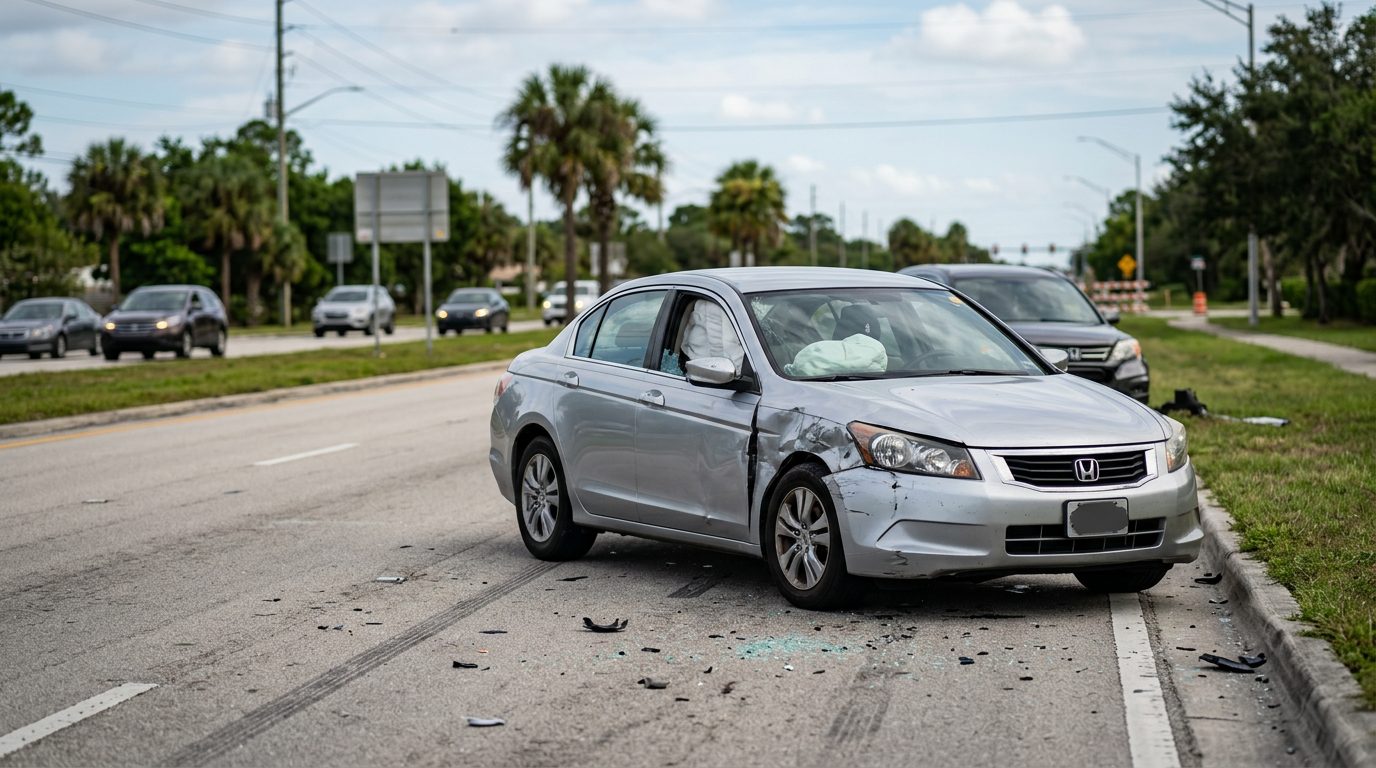
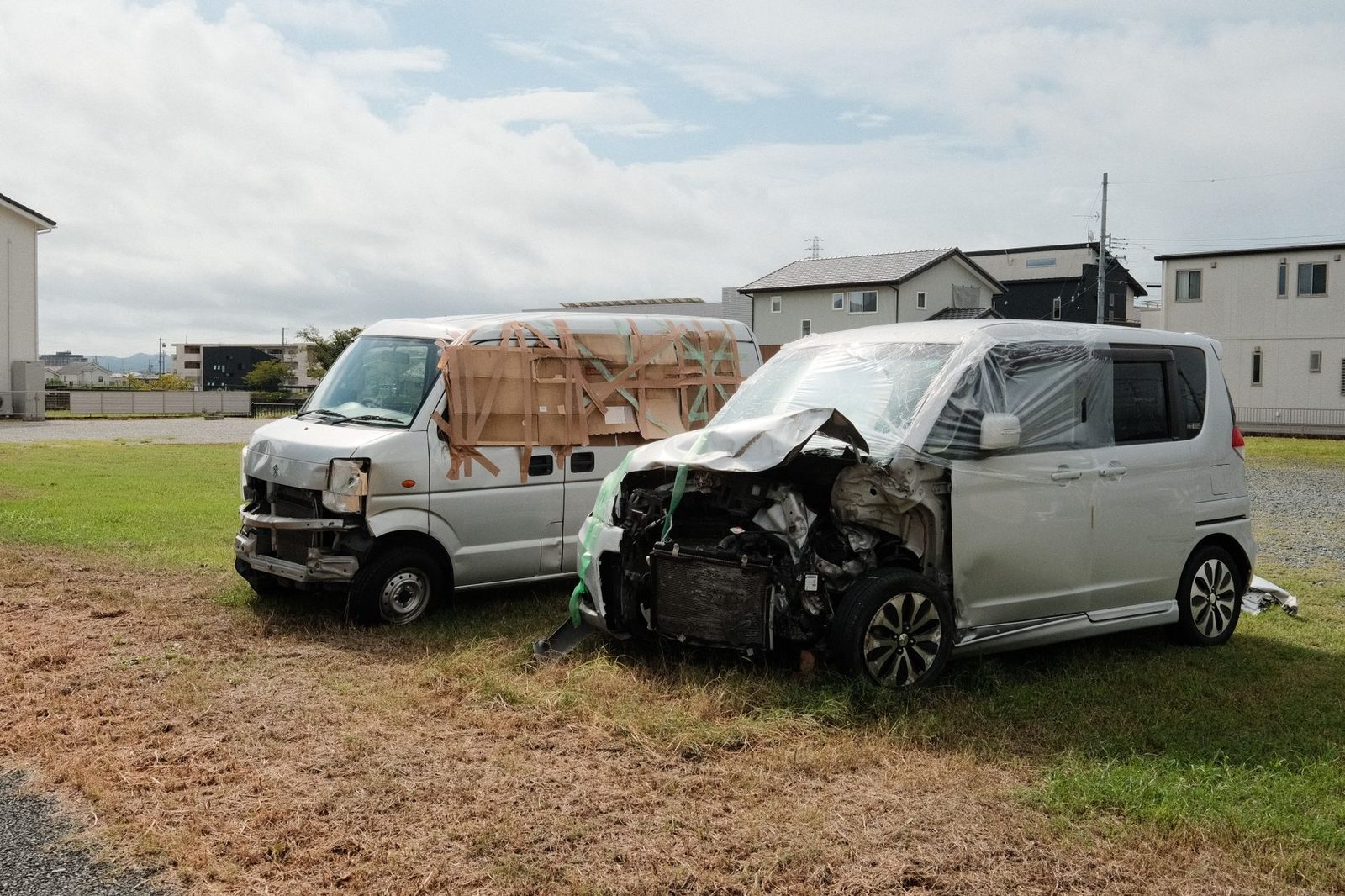
People use “minor” for a low-speed crash with little visible damage and no serious injury obvious at the scene. The phrase describes how the crash looked. It does not tell you whether anyone was hurt.
People commonly use the phrase for a fender bender, a small bump in a parking lot, or a tap in slow traffic. Symptoms after a crash can vary from person to person, even when the vehicles appear to have sustained little damage. Whether an injury is related to the crash depends on each person’s medical evaluation.
Common Examples People Call Minor
- A rear-end collision in stop-and-go traffic
- A car that backs into another car in a parking lot
- A low-speed side contact at a driveway or intersection
- A scuffed bumper on a car that can still be driven
A driver or passenger may feel fine at the scene. Anyone who notices symptoms after a crash should tell their doctor about every symptom, because medical causation depends on each person’s medical records. Tell a doctor about any new symptom, and follow your doctor’s care plan.
How Florida Law May Apply
Several Florida rules may apply to a car crash. Which ones apply, and how they work, depends on the facts of each case.
Personal Injury Protection (PIP). Section 627.736 of the Florida Statutes sets PIP requirements for policies that meet the state’s security rules. Florida’s no-fault (PIP) law, Section 627.736(1), Florida Statutes, generally provides personal injury protection benefits of up to $10,000, subject to the policy and the statute’s conditions. Under Section 627.736(1)(a), medical benefits up to that amount generally require a finding of an emergency medical condition by a Florida-licensed physician, osteopathic physician, dentist, physician assistant, or advanced practice registered nurse; without that finding, medical benefits are generally limited to $2,500. Disability benefits are not conditioned on that finding. Otherwise, medical benefits are generally limited to $2,500. Death benefits are generally up to $5,000. Under Fla. Stat. § 627.736, medical benefits under personal injury protection are eighty percent of all reasonable expenses for medically necessary medical, surgical, X-ray, dental, and rehabilitative services, including prosthetic devices and medically necessary ambulance, hospital, and nursing services, if the individual receives initial services and care as the statute requires. An insurer may require written notice as soon as practicable after an accident. Benefits received under any workers’ compensation law must be credited against PIP benefits.
Tort exemption and the permanency threshold. Under § 627.737(1), owners and operators of vehicles with required security are generally exempt from tort liability for bodily injury to the extent PIP benefits are payable. That exemption does not apply if the injured person may bring a claim for pain, suffering, mental anguish, and inconvenience under subsection (2).
Under § 627.737, that claim is available only in the event that the injury or disease consists in whole or in part of:
- Significant and permanent loss of an important bodily function
- Permanent injury within a reasonable degree of medical probability, other than scarring or disfigurement
- Significant and permanent scarring or disfigurement
- Death
Whether the threshold is met depends on the medical evidence, the facts, and how Florida law applies.
Early motion practice. Under § 627.737(3), a defendant may file a motion questioning whether the plaintiff meets subsection (2). The court then examines the pleadings and evidence, one time only, 30 days before the trial or pretrial hearing, whichever comes first. If the court finds the plaintiff cannot submit evidence of meeting the requirements, the court shall dismiss the claim without prejudice.
Comparative fault. Section 768.81 is Florida’s comparative fault statute. For causes of action filed after March 24, 2023, § 768.81(6), Florida Statutes, generally bars recovery by a claimant found more than 50% at fault, subject to exceptions such as medical negligence claims. Under § 768.81, fault is apportioned among the people who contributed to an accident, and a claimant’s own percentage of fault may reduce the recovery available.
Claims involving the other driver’s insurer. Filing an insurance claim is a separate step from filing a lawsuit. Whether and how that happens depends on the facts and on applicable Florida law.
Each case differs, and no outcome can be predicted or guaranteed.
Records to Keep After Any Crash
Keep these records after any crash, whether it looked minor or not:
- Photos of the vehicles, the scene, and road conditions
- The other driver’s name, contact details, insurer, and policy information
- Names and contact details of any witnesses
- Medical bills, visit notes, and prescriptions
- A dated log of new symptoms and how they affect daily life
Sworn insurance disclosure. Section 627.4137 generally requires a liability insurer, within 30 days of a claimant’s written request, to provide a statement under oath. The statement covers the insurer’s name, each insured’s name, the policy limits, any policy or coverage defense the insurer reasonably believes is available, and a copy of the policy. A claimant is the person making the claim. The statute has conditions, so confirm how it applies to your situation.
Missed appointments can leave medical records incomplete, and incomplete records may matter later. A diagnosis or a symptom does not, by itself, establish a claim. Treating doctors’ records, the history given at visits, and the treatment plan may be relevant to showing what happened, depending on the facts.
Time Limits and Notice Steps
Florida law sets filing deadlines for claims. How a deadline applies depends on the type of claim, when it arose, the facts of the case, and any exceptions. Other notice steps may also apply, including steps tied to PIP benefits. Do not assume a crash is too minor to matter. A missed deadline or notice step can affect a claim, depending on the facts and the governing rules.
Not sure what your next step is?

Talk With CHG Personal Injury Lawyers About Your Crash
You may be looking at a crash involving a parent, a spouse, or yourself. This page cannot tell you whether follow-up care or a claim is right for your situation. A conversation about your facts can help clarify your next step.
Igor Hernandez is admitted to practice in Florida as a member of The Florida Bar. Our team supports the firm’s daily work in Coral Gables and across Florida.
For a broader overview, read our guide to car accidents in Florida.
CHG charges no attorney’s fees and no case costs unless there is a recovery.
Frequently Asked Questions
Is a minor car accident serious?
Whether a low-speed crash causes injury depends on the person and their medical evaluation. A medical evaluation is how to find out what, if anything, is wrong.
Do I have to report a minor car accident in Florida?
Reporting rules depend on the facts of the crash. Confirm current Florida crash-reporting requirements for your situation.
How long do I have to file a claim?
Florida law sets filing deadlines. They depend on the type of claim, the facts of the case, and any exceptions. Contact the firm promptly to discuss the timing in your situation.
If a crash that looked minor has left you or someone you love with questions about injuries or insurance, contact CHG Personal Injury Lawyers. CHG charges no attorney’s fees and no case costs unless there is a recovery.
Steps to consider after a minor crash
Get a medical evaluation
Some injuries are not obvious right away. A doctor can examine you and explain what, if anything, is wrong. Follow your doctors' care.
Keep your records
Save crash reports, photos, repair estimates, medical bills, and notes about how you feel each day. These records may matter later, depending on the facts of your case.
Understand Florida insurance rules
Florida's personal injury protection (PIP) rules may apply to injuries from a car crash. How they apply depends on the facts of the crash and on your own policy.
Speak with a lawyer before giving statements
Insurance adjusters may ask for recorded statements. Talking with a Florida attorney first can help you understand what to say and what to avoid.
Do not assume a small crash means no injury
A minor crash does not always mean a minor injury, and damage to a car does not tell you how a person is hurt. Whether a crash caused an injury depends on the facts and on your medical records. If you feel pain, stiffness, or other changes after a crash, see a doctor promptly.
Questions people ask after a minor crash
Is a minor accident serious?
Whether a low-speed crash causes injury depends on the person and their medical evaluation. Only a doctor can tell you what, if anything, is wrong.
Do I have to report it in Florida?
Confirm current Florida crash-reporting requirements for your situation.
Can I still have a claim?
Whether a claim exists depends on the facts, your medical records, and the applicable Florida law. Comparative fault may also affect any recovery.
What should I do first?
Check for injuries, seek medical care, keep your records, and consider speaking with a Florida personal injury lawyer before you sign anything.