
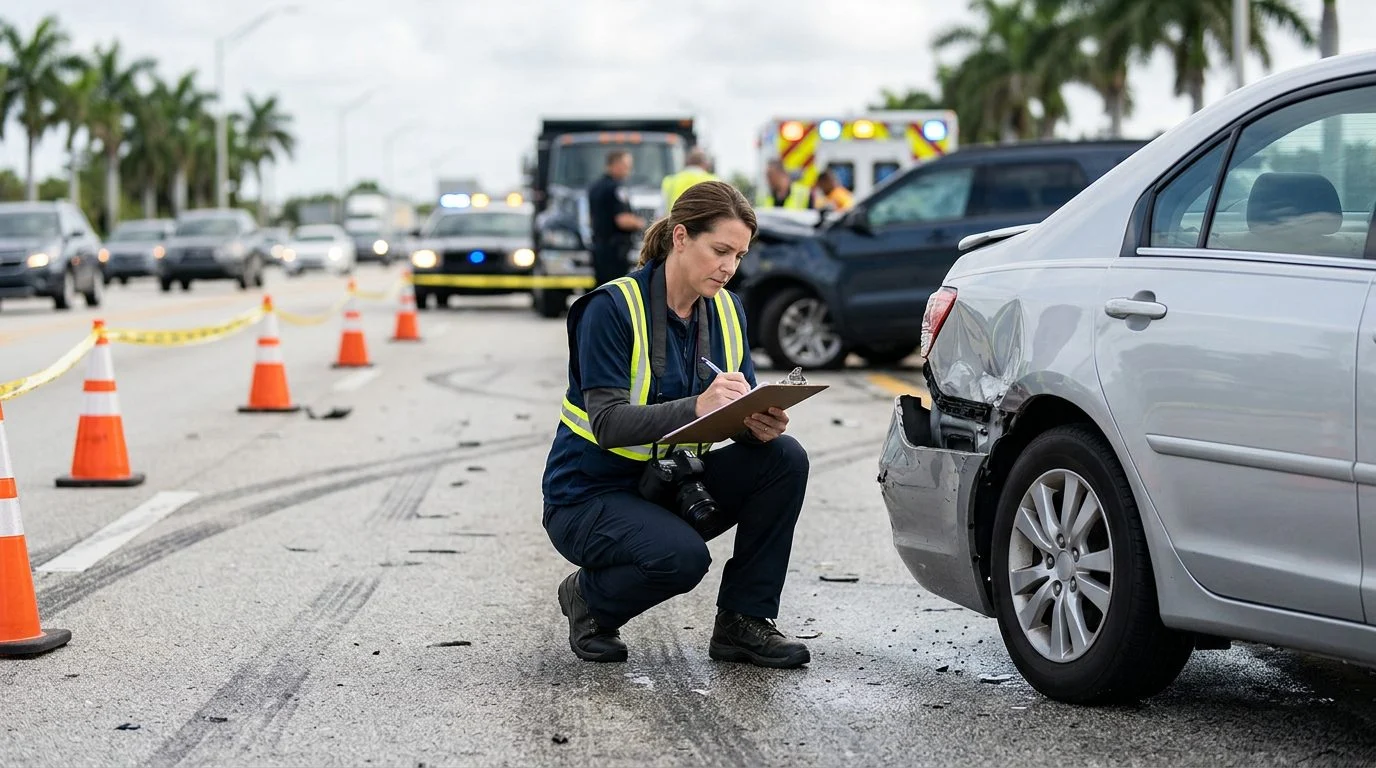
Car Accident Injuries | Serving Florida
Numbness, Tingling, or Weakness After a Car Accident? Learn the Signs.
Nerve damage can appear days or weeks after a crash. Here is what to watch for, why prompt medical care matters, and how CHG Personal Injury Lawyers can help Florida families understand their options.
Why Florida Families Contact CHG
Florida
Florida-based firm serving clients throughout the state
Licensed
Attorneys admitted to The Florida Bar
Free
Confidential first consultation, with no obligation to continue
By CHG Lawyers · Published November 3, 2026
Signs of nerve damage after car accident injuries often appear days later, not at the scene. This page explains the damages Florida law may recognize when a crash affects a nerve, and what to do now to protect your claim. If you’re helping an injured family member, this guide is written for you too.
What “Damages” Means in a Florida Car Accident Case
Damages are the losses a court or insurer may pay for because a crash caused them. They pay for what the accident cost you. They don’t pay for the crash itself.
Damages fall into two broad groups. Economic damages have a bill or a paycheck attached. Non-economic damages cover the harder losses, like pain and changes to daily life.
Many injured people don’t know what to track at first. A spouse, parent, or adult child may be the one trying to list losses for someone who can’t yet describe them. Florida’s rules decide which losses count and how you prove them. The sections below cover both groups, the symptoms to report to a doctor, and the rules that shape a claim. For a broader view, see car accident settlements in Florida.
If numbness or pain after your crash has you wondering what it means for your bills and your future, our team at CHG Personal Injury Lawyers is ready to talk it through with you. Talk it through with our team — the first consultation is free, confidential, and carries no obligation.
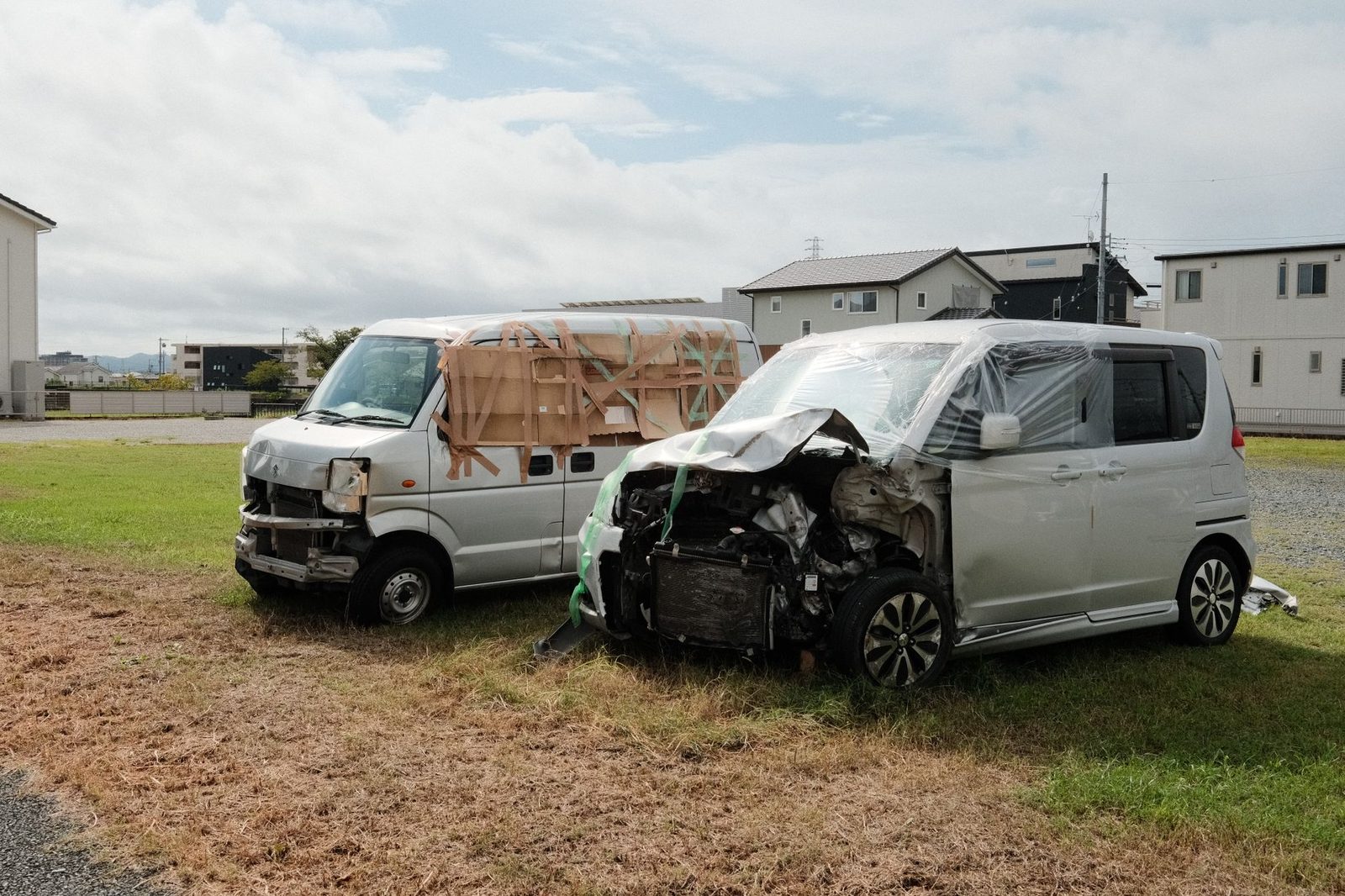
Economic Damages: Medical Bills, Lost Wages, and Future Care
Economic damages are the money losses you can show with bills, pay records, and receipts. Florida law includes past and future lost income, medical and funeral expenses, and other economic losses that would not have happened without the injury. See Fla. Stat. § 768.81.
For a nerve injury, medical costs can include emergency care, imaging, nerve testing, visits with a doctor, physical therapy, medication, and equipment a doctor orders. Lost wages cover time away from work. If the injury limits your ability to work later, lost future income may become part of the claim. Vehicle repairs and travel to appointments can count too.
Florida also requires personal injury protection, often called PIP. Florida’s personal injury protection (PIP) rules set out required medical and disability benefits for people hurt in motor vehicle crashes. PIP helps with some medical and wage costs, but it is not the whole claim. How PIP fits into your case depends on the facts.
Non-Economic Damages: Pain, Suffering, and Loss of Daily Life
Non-economic damages cover the human cost of an injury. Florida’s car accident statute allows a person to recover damages for pain, suffering, mental anguish, and inconvenience only if the injury consists in whole or in part of a significant and permanent loss of an important bodily function, a permanent injury within a reasonable degree of medical probability other than scarring or disfigurement, significant and permanent scarring or disfigurement, or death. These losses have no invoice, so they are harder to measure.
Nerve injuries can change daily life in ways no bill shows. You may struggle to button a shirt, hold a coffee cup, sleep through the night, or play with your kids. Those changes matter. A simple journal of what has become hard can help you remember them.
Doctor notes that describe the same limits also help. Significant and permanent scarring or disfigurement is a recognized category in this area too. Stress from the crash can be part of the picture, and our page on compensation for emotional injuries after a crash explains that topic further.
Signs of Nerve Damage After Car Accident Injuries
Signs of nerve damage after car accident injuries often include numbness, tingling, burning pain, and weakness. Symptoms of these injuries can include numbness, tingling, and muscle weakness, and any new symptom should be evaluated by a doctor. For general background, see the Mayo Clinic’s guide to peripheral nerve injuries.
Many people feel fine at the scene. Later, a hand feels asleep, a leg gives way, or pain runs from the neck or back into an arm or foot. Common descriptions include:
- Numbness or tingling, often called pins and needles
- Burning or electric-shock pain
- Pain that travels into an arm or leg
- Muscle weakness or trouble gripping
- Dropping objects or losing balance
- Changes in reflexes
Symptoms can start hours or days after a crash. A delay does not automatically break the link to the accident, but doctors need the full timeline. Crash-related nerve problems can include pinched nerves in the neck or lower back and injuries to the nerves of the arm, such as the brachial plexus.
Only a doctor can determine whether a nerve has been damaged. This list helps you know what to report, not what to conclude. Report new or worsening symptoms promptly, and follow your doctors’ care.
How Nerve Injuries Connect to Damages
A nerve injury can create nearly every category of loss on this page. Testing, physical therapy, pain care, time off work, and changes to daily activities all carry costs or effects you can document.
Doctors often use nerve conduction studies and electromyography (EMG) to record how nerves and muscles are working. These are medical tests a doctor may order. The results become part of the medical record that shows the injury.
When a doctor believes symptoms may last, future medical care can become part of the claim. Florida’s medical expense rules also matter. Under Fla. Stat. § 768.0427, evidence of medical bills that have already been satisfied is limited to the amount actually paid, regardless of the source of payment.
Some providers treat patients under a letter of protection. The statute defines that as an arrangement where treatment is given in exchange for a promise of payment from any judgment or settlement. The damages you can recover depend on your medical records and the facts of your case.
Documenting a Nerve Injury for a Damages Claim
The best way to document a nerve injury is to keep every medical record and a dated log of symptoms. Organized proof makes a claim easier to explain.
Keep every record connected to the crash. That includes the emergency visit notes, referrals, test results, prescriptions, and bills. Ask for copies if you don’t have them.
Describe your symptoms to your doctor consistently. Write them down with the location, the timing, and what tasks have become harder. Repeat the same details at each visit.
Keep records of missed work, schedule changes, and help you need at home. Save photos of the vehicles and injuries, the police report, and every letter from insurers.
Gaps in treatment matter. Insurers may argue that an injury was not serious if care stopped for long periods. Following the treatment plan helps your medical picture and your claim.
Not sure what your next step is?
Talk it through with our team — the first consultation is free, confidential, and carries no obligation.
Florida’s Permanency Threshold for Pain and Suffering Claims
Under Florida law, pain and suffering damages in a car accident case require a serious, lasting injury. Florida Statute § 627.737(2), part of the state’s motor vehicle insurance law, allows a person hurt in a crash to seek tort damages for pain, suffering, mental anguish, and inconvenience only where the injury consists in whole or in part of a significant and permanent loss of an important bodily function, a permanent injury within a reasonable degree of medical probability other than scarring or disfigurement, significant and permanent scarring or disfigurement, or death (Fla. Stat. § 627.737).
Nerve injuries often sit at the center of this question. Lasting numbness, weakness, or loss of function that a doctor records can bear on whether the threshold is met. Florida’s car accident statute permits recovery for pain, suffering, mental anguish, and inconvenience only if the injury consists in whole or in part of a listed type of harm, such as a permanent injury within a reasonable degree of medical probability other than scarring or disfigurement, and medical records from doctors can bear on whether that standard is met.
The threshold is still a legal test. Lawyers apply it to the medical evidence, and the outcome depends on that evidence. Keep your doctors’ notes clear and complete.
Florida Rules That Shape a Car Accident Damages Claim
Florida uses comparative fault. Under Fla. Stat. § 768.81, in a negligence action a person found more than 50 percent at fault for their own harm may not recover any damages, but this rule does not apply to personal injury or wrongful death actions arising out of medical negligence under chapter 766.
Fault is a real issue in many crashes. Insurers and defendants often argue that the injured person caused part of the problem. Our page on how negligence works in Florida car accidents explains this in more detail.
Deadlines also matter. Florida’s limitation periods are set out in Fla. Stat. § 95.11. Under Florida law, a negligence lawsuit generally must be filed within two years, as set out in Fla. Stat. § 95.11, and that time can pass quickly. Contact CHG Personal Injury Lawyers promptly so the deadline is not missed.
Igor Hernandez, the responsible lawyer for this page, can explain how these rules apply to your facts.
Common Questions About Nerve Damage and Car Accident Damages
How can I know if I have nerve damage?
Only a doctor can diagnose nerve damage. Report symptoms early and follow the testing your doctor recommends.
How long does recovery take?
Recovery depends on the injury and the person. Your doctor’s plan and follow-up visits set the timeline.
Can I recover for future treatment?
Keep every record that supports that need.
What if symptoms start weeks after the crash?
Tell your doctor and insurer as soon as symptoms begin. Keep records that link them to the accident, since signs of nerve damage after car accident injuries can be delayed.

Talk With CHG Personal Injury Lawyers About Your Situation
If you’re reading this with a numb hand, a painful neck, or a loved one’s new limits after a crash, you may be juggling bills and missed work. You don’t have to sort out the damages questions alone.
Igor Hernandez is the responsible lawyer for this page. The firm offers a free, confidential initial consultation with no obligation to continue. CHG charges no attorney’s fees and no case costs unless there is a recovery.
Reach out to talk through your crash, your medical records, and your questions with our team.
Signs That Can Point to Nerve Damage
Numbness or tingling
A pins-and-needles feeling, or areas that feel "asleep," in an arm, hand, leg, or foot that does not go away.
Weakness or clumsiness
Difficulty gripping objects, dropping things, or a leg that gives way when you walk.
Pain that spreads or changes
Sharp, burning, or electric-shock pain that travels along a limb, or pain that gets worse over time instead of better.
Changes in bladder or bowel control
Any loss of control is a warning sign that needs urgent medical attention.
Do Not Wait to Get Checked
Some nerve injuries do not show symptoms right away. Get medical care after any crash, even if you feel fine, and follow your doctors' care plan and every follow-up visit. Only a doctor can diagnose nerve damage. If you have sudden weakness, loss of feeling, or loss of bladder or bowel control, seek emergency care now.
Steps That Can Help Protect Your Health and Your Claim
Get evaluated promptly
Tell your doctor about every symptom, including ones that seem minor, and describe when they started and how they have changed.
Keep every record
Save medical bills, test results, imaging reports, prescriptions, and records of time missed from work or daily activities.
Document your daily life
Write down what you can no longer do comfortably, such as driving, lifting, sleeping, or caring for children, so the full impact is recorded.
Speak with a Florida injury lawyer early
Our attorneys can explain how a car accident claim may work in Florida, what information matters most, and what questions to bring to your doctor.