

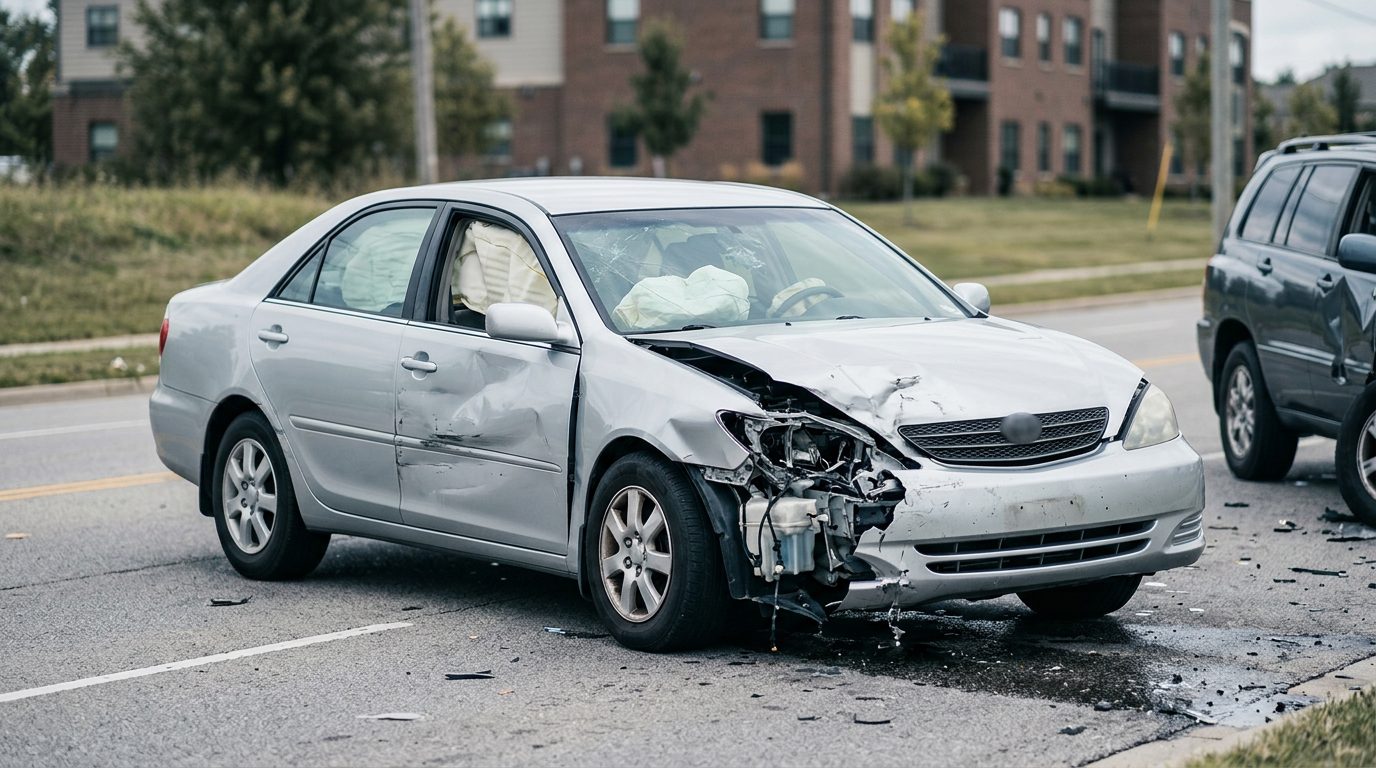
Car Accident Injuries
Soft Tissue Injuries in Car Accidents: What You Need to Know
Whiplash, sprains, and strains can cause serious pain and long-term complications. Learn what these injuries are, why symptoms appear days later, and what to do next.
By CHG Lawyers · Published October 03, 2026
Soft Tissue Injuries From Car Accidents in Florida: Acute Damage to Chronic Pain
You walked away from the crash. Your car has damage, but you feel okay. Maybe a little sore. Then, 24 hours later, you can’t turn your neck. Your lower back hurts. Your shoulder is stiff. This is the reality of soft tissue injuries from car accidents: they’re invisible at first, they show up when you least expect them, and they can disrupt your life for months—or longer.
Soft tissue injuries are damage to muscles, ligaments, tendons, and connective tissue. They’re among the most common injuries in car accidents. Unlike broken bones, they don’t show up on standard X-rays. Insurance companies and even some doctors initially underestimate how serious they are. But no fracture doesn’t mean the injury is minor.
The distinction between acute soft tissue injury and chronic pain syndromes is crucial to understanding why some injuries resolve in weeks while others persist for years. An acute injury—the immediate tearing or overstretching of muscle fibers or ligaments—can heal completely with proper treatment. But if that acute injury isn’t managed well, or if the damage is severe, it can develop into a chronic pain syndrome: ongoing pain, weakness, and functional loss that persists long after the initial injury should have healed. Understanding this difference helps explain why some people recover fully and others face years of treatment, lost work, and permanent lifestyle changes.
Strains, sprains, contusions, and whiplash injuries are all common outcomes of crashes. Untreated or poorly managed soft tissue injuries from car accidents can cause chronic pain, permanent loss of mobility, and lasting inability to work or enjoy normal activities. If you’re reading this days after a crash and unsure what you’re dealing with, this guide will help you understand what’s happening in your body, what steps to take now, and what your legal options are under Florida law.
Not sure what your next step is?
Talk it through with our team — the first consultation is free, confidential, and carries no obligation.
What Is a Soft Tissue Injury?
Soft tissue is everything in your body that isn’t bone or joint: muscles, ligaments (connective tissue that holds joints stable), tendons (connective tissue that attaches muscle to bone), and fascia and other connective tissue that surrounds these structures.
When a car crash happens, the sudden impact forces these tissues beyond their normal range of motion. Muscle fibers tear. Ligaments stretch or rupture. Tendons are overstretched. Blood vessels rupture, causing swelling and inflammation. The result is pain, stiffness, weakness, and reduced range of motion.
Why the delay? Adrenaline released during the crash masks pain and suppresses the inflammatory response. As adrenaline wears off and your body’s immune system activates, swelling increases and pain peaks. This delayed onset is completely normal. It does not mean your injury is minor. It means your body is responding to tissue damage.
Acute Soft Tissue Injury vs. Chronic Pain Syndromes: Why Some Injuries Linger
Not all soft tissue injuries heal the same way. Understanding the difference between acute injury and chronic pain is essential to understanding your recovery and your damages claim.
Acute soft tissue injury is the immediate damage that occurs at the moment of impact: torn muscle fibers, stretched or torn ligaments, ruptured blood vessels. With proper treatment—rest, ice, compression, elevation (RICE), physical therapy, and time—acute injuries typically heal within weeks to a few months. The tissue repairs itself, inflammation resolves, and function returns.
Chronic pain syndromes develop when acute injuries don’t heal properly, or when the damage is severe enough to cause lasting changes in how your nervous system processes pain. Instead of healing, the injured area develops ongoing inflammation, scar tissue that restricts movement, nerve sensitization (where nerves become hypersensitive to pain signals), and muscle weakness or atrophy from disuse. A person with a chronic pain syndrome experiences persistent pain, reduced function, and ongoing limitations months or years after the initial crash.
Why does this happen? Several factors determine whether an acute injury becomes chronic:
- Severity of initial damage: A partial ligament tear is more likely to become chronic than a simple stretch.
- Age and healing capacity: Older adults and those with certain medical conditions heal more slowly and are at higher risk for chronic pain.
- Quality of early treatment: Proper physical therapy, consistent follow-up, and adherence to treatment plans reduce the risk of chronic problems. Delayed care or incomplete treatment increases it.
- Pre-existing conditions: People with prior injuries to the same area, arthritis, or other degenerative conditions are at higher risk for chronic pain after a new injury.
- Psychological factors: Stress, anxiety, and depression can amplify pain perception and slow healing.
This distinction matters for your legal claim. An injury that causes 12 weeks of pain and full recovery is different from one that causes 12 weeks of acute pain followed by years of chronic pain, ongoing medical costs, and permanent functional loss. Your damages claim should reflect the full scope of your injury—both the acute phase and any chronic consequences.
Examples of Soft Tissue Injuries: The Three Main Types
All soft tissue injuries fall into one of three categories:
Strains: Muscle and Tendon Injuries
A strain is an overstretching or partial tear of a muscle or tendon. In a car crash, your muscles contract suddenly to brace for impact. The force of the collision jerks your body in ways it doesn’t normally move, stretching muscle fibers beyond their limit.
Common locations: neck, shoulders, lower back, upper back.
What you feel: immediate or delayed pain, stiffness, weakness, muscle spasms, visible bruising.
Recovery timeline: Mild strains may resolve in 2–4 weeks with rest and physical therapy. Moderate strains take 6–12 weeks. Severe strains—especially those involving partial tearing—can take several months and require ongoing physical therapy or specialist care. If not treated properly, a severe strain can develop into chronic pain and weakness lasting years.
Sprains: Ligament Injuries
A sprain is a stretch or tear of a ligament—the tough connective tissue that holds your joints stable. Sprains occur from twisting motions, lateral impact, or hyperextension (when a joint is forced beyond its normal range).
Common locations: neck (cervical spine), lower back (lumbar spine), shoulders, knees, ankles.
What you feel: pain, swelling, instability (the joint feels loose or weak), reduced range of motion, visible bruising.
Why this matters: If a sprain doesn’t heal properly, you can develop chronic joint instability and chronic pain. A sprained ankle or knee from a car accident can lead to years of chronic pain, weakness, and difficulty walking, working, or exercising. Many people with chronic ankle or knee instability from old car-accident injuries require ongoing physical therapy, bracing, or pain management—and some eventually need surgery.
Contusions: Bruising From Blunt Force
A contusion is a bruise caused by blunt force. Your body strikes the steering wheel, dashboard, seatbelt, or door, rupturing small blood vessels in the soft tissue beneath the skin.
Common locations: chest (from steering wheel or seatbelt pressure), arms, legs, torso.
What you feel: visible bruising, pain, swelling, tenderness.
Severity range: Minor contusions fade in a week. Severe contusions involve deep tissue damage that can affect underlying organs or blood vessels. A severe chest contusion can cause rib fractures or internal bleeding and requires immediate medical attention.
Whiplash: The Mechanism and the Injury
Whiplash is often misunderstood. Here’s the key difference:
Whiplash is the mechanism—the rapid back-and-forth motion of your head and neck, typically from a rear-end collision. Your head snaps backward, then forward.
Soft tissue damage is the result—the actual injury to muscles, ligaments, and tendons in your neck and upper back caused by that rapid motion.
Many people ask: “Is soft tissue damage the same as whiplash?” The answer is no. Whiplash is how the injury happens. Soft tissue damage is what happens to your body. You can experience whiplash without severe soft tissue damage. You can also have significant soft tissue damage from other types of collisions (front-end, side-impact, rollover).
Whiplash injury symptoms: – Neck pain and stiffness – Headaches (often at the base of the skull) – Shoulder pain – Numbness or tingling in the arms or hands – Reduced range of motion in the neck – Difficulty concentrating or memory problems (in more severe cases)
These symptoms often don’t peak until 24–48 hours after the crash. You might feel fine at the scene but be unable to move your neck the next morning. This delayed onset is normal. It reflects your body’s inflammatory response—not a sign that the injury is minor.
Soft Tissue Injuries as Part of the Broader Spectrum of Motor-Vehicle Injuries
Soft tissue injuries don’t exist in isolation. They’re part of a continuum of motor-vehicle injuries that ranges from minor bruising to catastrophic, life-altering harm. A person injured in a car accident might experience:
- Minor soft tissue damage: A small strain or contusion that resolves in weeks.
- Moderate soft tissue injury: Multiple strains or sprains requiring weeks of physical therapy and ongoing pain management.
- Severe soft tissue injury with chronic consequences: Significant ligament or muscle damage that develops into chronic pain, permanent weakness, or functional loss.
- Catastrophic injury: Spinal cord damage causing paralysis, traumatic brain injury, amputation, or severe burns.
Whether your injury is at the minor end of that spectrum or the catastrophic end, you may have a legal claim against the at-fault driver. We focus exclusively on personal injury claims arising from motor-vehicle accidents—from everyday car accidents involving soft tissue damage through to the most severe, life-altering injuries. Understanding where your injury falls on that spectrum helps determine what damages you may recover and what legal strategy makes sense for your case.
Have questions about what happened?
Ask our team directly. The first conversation is free, confidential, and there is no obligation to continue.
Why Insurance Companies Undervalue Soft Tissue Injuries
Insurance adjusters often rely on vehicle damage to estimate injury severity. A car with moderate damage is assumed to have caused only minor injuries. But soft tissue damage can be severe even in lower-impact crashes. The occupant’s position in the vehicle, their age, pre-existing conditions, and the direction of impact all affect injury severity independent of vehicle damage.
Because soft tissue injuries don’t show up on standard X-rays, an adjuster might see your medical records and think: “No fractures, no surgery—this must be a minor injury.” This assumption is wrong. Soft tissue damage is real, measurable, and can be documented through:
- MRI scans (magnetic resonance imaging), which show muscle, ligament, and tendon damage with high detail
- Ultrasound imaging, which can visualize soft tissue tears and inflammation
- CT scans, which show soft tissue damage in cross-section
- Physical therapy notes documenting ongoing pain, limited range of motion, and slow progress
- Consistent medical records showing repeated treatment visits and persistent symptoms
Insurance companies respond to thorough documentation. Injuries that persist or worsen over time are taken more seriously than those that resolve quickly. Legal representation helps present the full picture of your injury, your treatment, your ongoing symptoms, and how the injury has affected your ability to work and live.
What to Do Immediately After a Crash
If you’ve been in a car accident, here’s what you should do to protect your health and your legal claim:
1. Seek medical attention promptly. Get a thorough evaluation as soon as possible, even if symptoms seem mild. Don’t wait to see if pain develops. Early documentation in the medical record is crucial. Tell your doctor about all pain, stiffness, numbness, or other symptoms.
2. Request imaging. Ask your doctor whether MRI, ultrasound, or CT imaging is appropriate for your injuries. Standard X-rays often miss soft tissue damage. Imaging that reveals the injury strengthens your claim significantly.
3. Follow your doctor’s treatment plan completely. Complete all recommended physical therapy sessions, take prescribed medications, and follow advice about rest and activity. Consistent treatment shows the injury is real and ongoing. Gaps in treatment can be used by insurance companies to argue the injury wasn’t serious.
4. Keep detailed records. Save everything: medical bills, treatment notes, prescriptions, imaging reports, physical therapy progress notes, and documentation of missed work or lost income. These records are the foundation of your claim.
5. Report symptoms consistently at every visit. Tell your doctor about all pain, limitations, and changes in your condition at each appointment. Consistent reporting in medical records is powerful evidence of ongoing injury.
6. Document how the injury affects your life. Note which activities you can no longer do, which work tasks are difficult, how sleep is affected, and how your daily life has changed. This documentation supports a claim for damages.
Florida’s Legal Deadlines and Rules
If another driver’s negligence caused your crash, you may have a claim against their insurance. But Florida law has important rules you need to know:
The statute of limitations: Under Fla. Stat. §95.11(5)(a), you have two years from the date of injury to file a lawsuit. This deadline is strict. If you miss it, your claim is barred forever, regardless of how serious your injuries are.
Comparative fault: Florida follows a comparative fault rule. Under Fla. Stat. §768.81, you can recover damages unless you were more than 50% at fault for the accident. If you are found to be 30% at fault, you can recover 70% of your damages. If you are found to be 51% or more at fault, you cannot recover anything.
The other driver’s insurance company will try to argue that you were partially responsible for the crash. Documentation of the accident scene, witness statements, and police reports all matter in establishing fault.
The Long-Term Cost of Untreated or Poorly Managed Soft Tissue Injuries
Soft tissue injuries that don’t heal properly cause lasting problems:
- Chronic pain that persists for years, requiring ongoing pain management and limiting daily activities
- Reduced mobility and range of motion that affects work and daily activities
- Permanent weakness in the injured area
- Ongoing medical costs for physical therapy, pain management, specialist care, and sometimes surgery
- Lost income from inability to return to previous work or activities
- Psychological impact from chronic pain and disability
Early, proper treatment in the first weeks and months after a crash can prevent long-term complications and help you recover as fully as possible. Delaying care or stopping treatment prematurely increases the risk of chronic problems and can significantly increase your lifetime medical costs and lost income.
Want to know where you stand?
Tell us what happened and our team will walk you through the options available to you, at no cost.
Frequently Asked Questions
Why do soft tissue injury symptoms appear days after a crash?
Adrenaline released during the crash masks pain and suppresses inflammation. As adrenaline wears off, your body’s immune system activates, causing swelling and inflammation to increase. This inflammatory response peaks 24–48 hours after the injury.
Can soft tissue injuries be seen on an X-ray?
No. Standard X-rays show bones but not soft tissue damage. MRI, ultrasound, or CT scans are needed to visualize muscles, ligaments, tendons, and other soft tissue structures.
How long does soft tissue injury recovery take?
Recovery depends on severity and proper treatment. Mild strains may heal in 2–4 weeks. Moderate injuries typically take 6–12 weeks. Severe injuries—especially those involving significant tearing or affecting multiple structures—can take several months or longer and may require ongoing physical therapy or specialist care. Some injuries develop into chronic pain syndromes that persist for years.
What if I didn’t seek medical attention right away?
Seek care now. Delayed treatment can complicate your recovery and weaken your legal claim, but it doesn’t eliminate your right to compensation. Document your current condition and symptoms, and explain the delay to your doctor. Early documentation going forward is important.
Do I have a claim for soft tissue injuries?
If another driver’s negligence caused the crash, yes—you may have a claim against their insurance. Under Florida law, you can recover damages for medical expenses, lost wages, pain and suffering, and other losses caused by the injury. You have two years from the date of injury to file a lawsuit (Fla. Stat. § 95.11(5)(a)).
Is a soft tissue injury the same as a catastrophic injury?
No. Soft tissue injuries are common in car accidents and often heal with proper treatment. Catastrophic injuries—spinal cord damage, traumatic brain injury, amputation, severe burns—cause permanent, life-altering impairment. However, severe soft tissue injuries that develop into chronic pain syndromes can have serious long-term consequences. We handle the full spectrum of motor-vehicle injuries, from soft tissue damage through to the most severe, catastrophic harm.
Next Steps
If you’re experiencing pain, stiffness, or other symptoms that appeared after your car accident—whether immediately or days later—you have options. Many people in your situation aren’t sure whether their injuries are serious enough to pursue, or they’re uncertain how to document and present their case to an insurance company.
We focus exclusively on personal injury claims arising from motor-vehicle accidents, including soft tissue injuries, whiplash injuries, and all other injuries caused by car crashes. We help injured people in Florida and across the country understand their options, protect their legal rights, and navigate the claims process.
Contact us for a free case evaluation—no obligation, no pressure, just straightforward guidance about what happened and what your next steps might be. We’re here to answer your questions and help you understand your rights under Florida law.
Why Symptoms Appear Days After Your Crash
During a crash, adrenaline masks pain and suppresses inflammation. As adrenaline wears off over the next 24–48 hours, your body's immune system activates, causing swelling and inflammation to peak. This is why you may feel fine immediately after the accident but wake up the next morning in significant pain.
Common Soft Tissue Injuries from Car Accidents
Whiplash
The sudden back-and-forth motion of your head and neck strains muscles and ligaments. Symptoms include neck pain, stiffness, headaches, and shoulder pain—often appearing 12–48 hours after impact.
Sprains and Strains
Ligaments (sprains) and muscles (strains) tear or overstretch when your body is thrown violently during a crash. Common in the neck, back, shoulders, and knees, these injuries cause pain, swelling, and reduced movement.
Contusions and Bruising
Blunt-force trauma from impact or contact with the steering wheel, dashboard, or seat belt causes deep bruising. Bruising can indicate underlying muscle or soft tissue damage.
Back and Shoulder Pain
The force of a collision can injure muscles, tendons, and ligaments throughout the back and shoulders. Pain may be immediate or develop gradually as inflammation increases.
Why Soft Tissue Injuries Matter
Not Always Visible on X-rays
Soft tissue damage—muscles, ligaments, and tendons—doesn't show up on standard X-rays. Your injury is real even if imaging appears normal. MRI or ultrasound may be needed to confirm the damage.
Recovery Takes Time
Soft tissue injuries heal slowly. What feels like minor whiplash can take weeks or months to resolve, and some people experience chronic pain or long-term complications.
Impact on Daily Life
Pain, stiffness, and reduced mobility can prevent you from working, exercising, or caring for your family. Medical treatment, physical therapy, and lost wages add up quickly.
Documentation Is Critical
Seeking prompt medical care creates a record linking your injury to the crash. This documentation is essential if you pursue a claim for compensation.
What to Do After a Car Accident
Seek Medical Attention—Even If You Feel Fine
See a doctor within 24–48 hours, even if you have no obvious injuries. Describe all pain, stiffness, or discomfort. This creates a medical record and allows early detection of soft tissue damage.
Document Everything
Take photos of vehicle damage, the accident scene, and any visible injuries. Keep records of all medical visits, treatment, prescriptions, and expenses. Note how the injury affects your work and daily activities.
Report the Accident
File a police report and notify your insurance company. Obtain the other driver's information and contact details from witnesses. Keep copies of all accident reports and correspondence.
Follow Medical Advice
Attend all appointments, complete prescribed physical therapy, and follow treatment recommendations. Skipping care can delay healing and weaken a potential claim.
Don't Settle Too Quickly
Insurance companies often offer quick settlements before you understand the full extent of your injury. Soft tissue damage can worsen or cause long-term complications. Before accepting any offer, consult with an attorney who can evaluate whether the amount fairly covers your medical costs, lost income, and ongoing pain.