
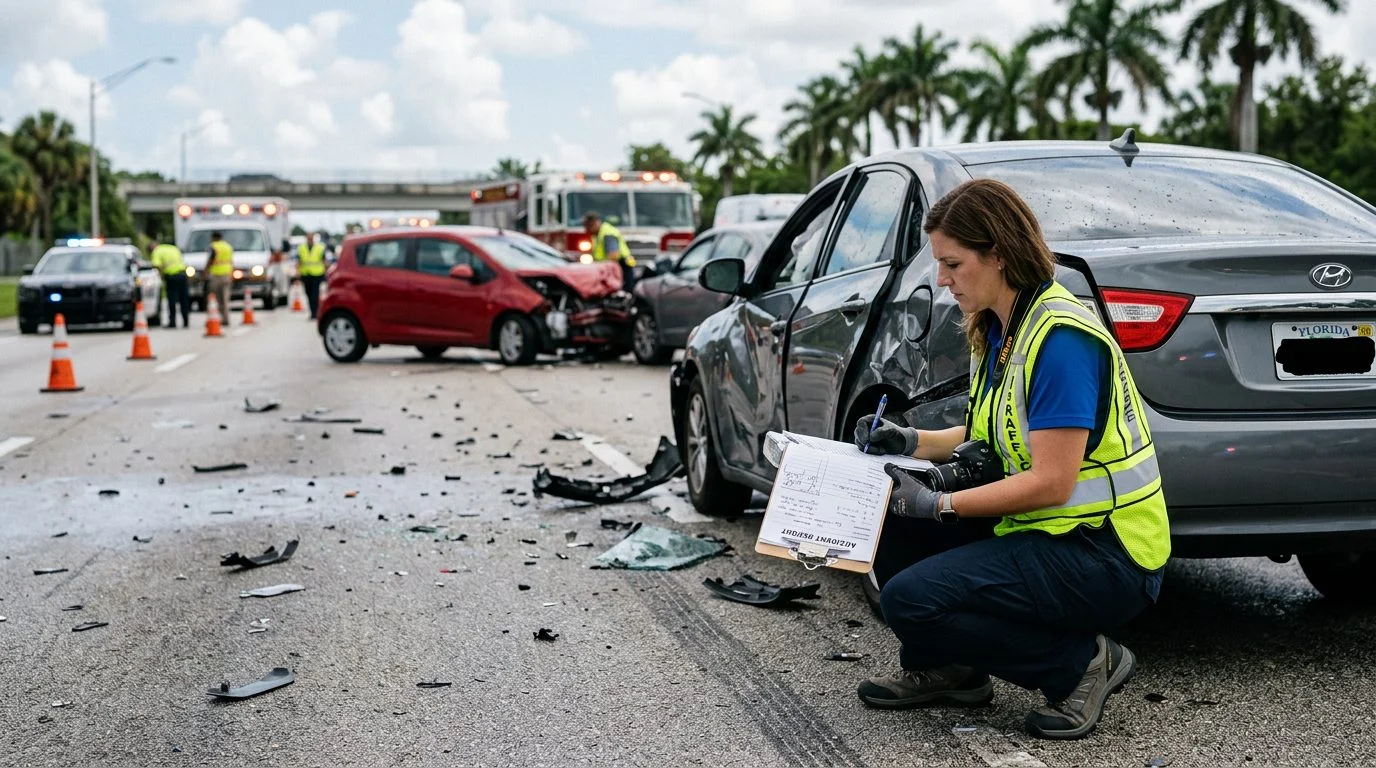
Florida Car Accident Injuries
Florida Car Accident Injuries and Long-Term Effects: What Families Should Know
Some injuries do not show up until days or weeks after a crash. Here is what to watch for, how long-term effects can change daily life, and how CHG Personal Injury Lawyers can help you understand your options.
Why people contact CHG
Florida
Florida-based firm serving clients throughout the state
Free
First consultation: confidential and without obligation
No fees
No attorney's fees or case costs unless there is a recovery
By CHG Lawyers · Published October 21, 2026
What are common injuries and long-term health risks from car accidents? The most common injuries are soft tissue injuries, such as whiplash, head injuries, broken bones, cuts, and knee injuries. Some effects last for months or years. These include chronic pain, limited movement, and emotional strain. This guide explains each one in plain language. It also covers what Florida law says about timing.
Why Car Accident Injuries Often Show Up Later
Many people feel fine at the scene. Then they notice pain days later. Adrenaline and shock can hide pain for hours. That is one reason doctors ask about symptoms, even when a person says they feel okay.
People sometimes describe symptoms that appear after the first hours as “delayed shock.” Common delayed symptoms include:
- Stiffness
- Headaches
- Numbness
- Dizziness
- Changes in sleep
Some people have trouble concentrating. Others feel an ache that seems to move around the body.
A delayed symptom is still worth reporting to a doctor. Do it promptly. Write down when each symptom started, how often it happens, and what makes it better or worse. Follow your doctors’ advice on tests, visits, and activity limits.
Not sure what your next step is?
Talk it through with our team — the first consultation is free, confidential, and carries no obligation.
The Most Common Injuries After a Car Crash
Soft tissue injuries, head injuries, broken bones, cuts and abrasions, knee injuries, and internal bleeding are among the injuries most often described after a collision. Each group covers many kinds of problems. Some injuries heal in a few weeks. Others can be permanent.
Several things shape which injuries happen. These include the type of crash, the speed and direction of impact, seat position, whether a person was thrown from the vehicle, and whether they were struck from the side. Two people in the same crash can have very different injuries.
Severity matters most. A minor injury may need a few weeks of rest and therapy. A catastrophic injury, such as a spinal cord injury, can change a person’s ability to walk, work, or care for themselves. These cases need longer medical care and more planning from the whole family.
Whiplash, Soft Tissue, and Back and Neck Injuries
Whiplash is a soft-tissue neck injury. It happens when the head and neck move suddenly back and forth. The FloridaHealthFinder whiplash guide describes neck pain, stiffness, and other symptoms that can follow whiplash.
“Soft tissue” means muscles, ligaments (tissue that connects bones), and tendons (tissue that connects muscle to bone). These injuries often do not show clearly on basic X-rays. That is why they are frequently missed early on. Pain may build over several days. Stiffness is often worst the next morning. When doctors need a closer look at soft tissue, they may use imaging such as MRI.
Neck and back injuries can involve more than muscles. Discs between the spinal bones can bulge or tear. Nearby nerves can get pinched. Numbness, tingling, or weakness in the arms or legs needs prompt medical care.
In the most serious cases, the spinal cord itself is hurt. Spinal cord injuries and paralysis are among the most serious outcomes of a crash. Our spinal cord injury page covers them in more detail.
Head Injuries and Traumatic Brain Injuries
A head injury can happen even if a person never loses consciousness. A concussion is one form of brain injury. A traumatic brain injury (TBI) is more serious. It can cause lasting changes.
Commonly reported signs include:
- Headaches
- Memory or concentration problems
- Irritability
- Sensitivity to light or noise
- Balance problems
Some people feel like themselves on the first day. Then they notice changes in the following weeks. Brain injury symptoms can change over time.
Doctors use imaging and neurological evaluations (tests of brain and nerve function) to assess brain injuries. Follow your doctor’s instructions about rest, screen time, and activity. Ask before you return to work, drive, or play sports. For more on brain injuries after a crash, see our traumatic brain injury page.
Have questions about what happened?
Ask our team directly. The first conversation is free, confidential, and there is no obligation to continue.
Broken Bones, Cuts, Knee Injuries, and Internal Bleeding
These injuries are common after a crash. Some do not show obvious signs at first. Fractures often happen when arms, legs, ribs, or the collarbone hit the steering wheel, dashboard, or door.
Cuts and abrasions (scrapes) come from broken glass, airbags, and road surfaces. Clean wounds can still become infected. Have any cut checked. This matters most if it is deep, dirty, or red and swollen.
Knees often strike the dashboard. This can tear ligaments or damage cartilage (the cushioning tissue in a joint). Signs include swelling, locking, or buckling.
Internal bleeding and organ injuries can be hidden. Abdominal pain, dizziness, fainting, or a racing heartbeat after a crash needs immediate medical care. Do not wait to see if it gets better. Seek emergency care right away.
How Long After a Car Accident Can Effects Appear?
Some symptoms appear within hours. Others appear within days or weeks. Some develop months later. No single timeline fits everyone. The timing depends on the injury and the person.
People delay treatment for many reasons. They may assume the injury is minor. They may feel they cannot take time off work. They may hope it will go away. A delay can make it harder to connect symptoms to the crash later. That is why prompt evaluation matters.
How Florida’s PIP System Treats Medical Bills
Florida uses a no-fault system called personal injury protection (PIP). PIP pays certain medical benefits.
Florida Statutes section 627.736 requires that medical statements and bills be submitted to the insurer on a properly completed Centers for Medicare and Medicaid Services (CMS) 1500 form, UB 92 form, or another standard form. That form must be approved by the office and adopted by the commission.
The same section says an insurer is not considered to have notice of the amount of covered loss or medical bills. This applies unless the bills follow that paragraph and are properly completed in their entirety. Ask your provider’s billing office to confirm the forms are complete. Keep copies of every bill and statement.
If you bring a civil action against an insurer to recover PIP benefits, the statute has another rule. All claims involving the same health care provider and the same injured person must be brought in one action. The exception is when good cause is shown for bringing them separately. Florida Statutes section 627.736 sets these rules.
A symptom journal helps. Write down the date, each symptom, your pain level, your activity limits, and each appointment. Bring it to your doctor. Keep following the care plan your doctors recommend.
Long-Term Health Risks and Life After a Crash
Some injuries lead to long-term effects. These include chronic pain (pain that lasts for months or longer), reduced range of motion (less ability to move a joint), and changes in the spine over time.
Emotional effects can last too. Anxiety, sleep trouble, and post-traumatic stress are medical concerns. They deserve care. They are not signs of weakness.
Long-term effects can change daily life. A person may struggle to lift a child, keep a job, drive, or do household chores. Family members often take on caregiving, rides to appointments, and extra cooking or cleaning. Future medical needs can also add up. These include therapy, medication, or equipment.
The financial side depends on the facts of each case. No article can predict what any claim would be worth. No two situations are the same. What matters now is documenting the effects and getting the care you need.

Want to know where you stand?
Tell us what happened and our team will walk you through the options available to you, at no cost.
Next Steps for You or Your Family
Get a medical evaluation promptly. Follow the treatment plan, and keep records. Useful records include medical bills, work absence notes, photos of injuries and the scene, and the police report. Keep a running list of out-of-pocket costs.
Florida’s deadlines are strict. They should be reviewed early. Florida Statutes section 95.11 says in subsection (5)(a) that an action based on negligence must be started within two years. This covers many car crash claims.
If you believe medical treatment after the crash was negligent, that is a different kind of claim. It has its own timing. Medical malpractice (a claim in tort or contract for damages for death, injury, or monetary loss arising from a health care provider’s medical, dental, or surgical diagnosis, treatment, or care) is one example.
Florida Statutes section 95.11 provides that an action for medical malpractice against a health care provider, or persons in privity with the provider, shall be commenced within 2 years from the time the incident giving rise to the action occurred or within 2 years from the time the incident is discovered, or should have been discovered with the exercise of due diligence; however, in no event shall the action be commenced later than 4 years from the date of the incident or occurrence out of which the cause of action accrued, except that this 4-year period shall not bar an action brought on behalf of a minor on or before the child’s eighth birthday, and in those actions in which it can be shown that fraud, concealment, or intentional misrepresentation of fact prevented discovery of the injury, the period of limitations is extended forward 2 years from the time the injury is discovered or should have been discovered with the exercise of due diligence, but in no event to exceed 7 years from the date the incident giving rise to the injury occurred, except that this 7-year period shall not bar an action brought on behalf of a minor on or before the child’s eighth birthday; this rule does not apply to actions for which ss. 766.301-766.316 provide the exclusive remedy. The two years run from when the incident occurred or was discovered, or should have been discovered with due diligence (reasonable care in finding out).
Common Questions
What are common injuries and long-term health risks from car accidents?
Common injuries include whiplash, head injuries, broken bones, cuts, and knee injuries. Long-term risks can include chronic pain, limited movement, and emotional strain.
Can car accident injuries appear days later?
Yes. Symptoms such as stiffness, headaches, and numbness can start days or weeks after a crash.
Is there a deadline to file a Florida car accident claim?
Yes. Florida Statutes section 95.11 says an action based on negligence must be started within two years. Other deadlines can also apply.
Talk With Us
Are you caring for someone hurt in a crash? Or do you still live with symptoms that started after a collision? You do not have to sort through medical, insurance, and legal questions alone.
CHG Personal Injury Lawyers is a Florida-based firm. Our team handles car accident claims for people across Florida. You can request a free, confidential first consultation. There is no obligation to continue. Visit our contact page to get started.
CHG charges no attorney’s fees and no case costs unless there is a recovery.
Igor Hernandez, attorney, CHG Personal Injury Lawyers. This page is educational and does not replace medical advice. Follow your doctors’ care.
Long-term effects families ask about
Chronic pain
Neck, back, or joint pain can continue long after the crash, sometimes affecting sleep, work, and the activities a person once enjoyed.
Limited movement
Stiffness, reduced range of motion, or weakness can make everyday tasks harder and may require ongoing therapy or follow-up care.
Emotional strain
Anxiety, nightmares, and fear of driving are common after a serious crash, and they deserve the same attention as physical injuries.
Ongoing medical needs
Some injuries need long-term treatment, medication, or equipment. Following your doctors' care plan helps create a clear record of your recovery.
Do not wait to get checked
Symptoms such as headaches, numbness, dizziness, or stiffness can appear days or weeks after a collision. Get medical care promptly, follow your doctors' instructions, and keep records of how you feel and what you can no longer do.
How CHG Personal Injury Lawyers can help
Free first consultation
Talk with our team about what happened and what your options may be. The consultation is confidential and comes with no obligation to continue.
Plain-language answers
Our attorneys explain Florida law and the claims process in clear terms, so you know what to expect at each step.
Serving Florida families
Our firm represents people hurt in car and truck crashes throughout Florida, including the families of those who were killed.
Careful attention to your records
We help gather and organize medical records, bills, and crash reports so your story is fully documented.