

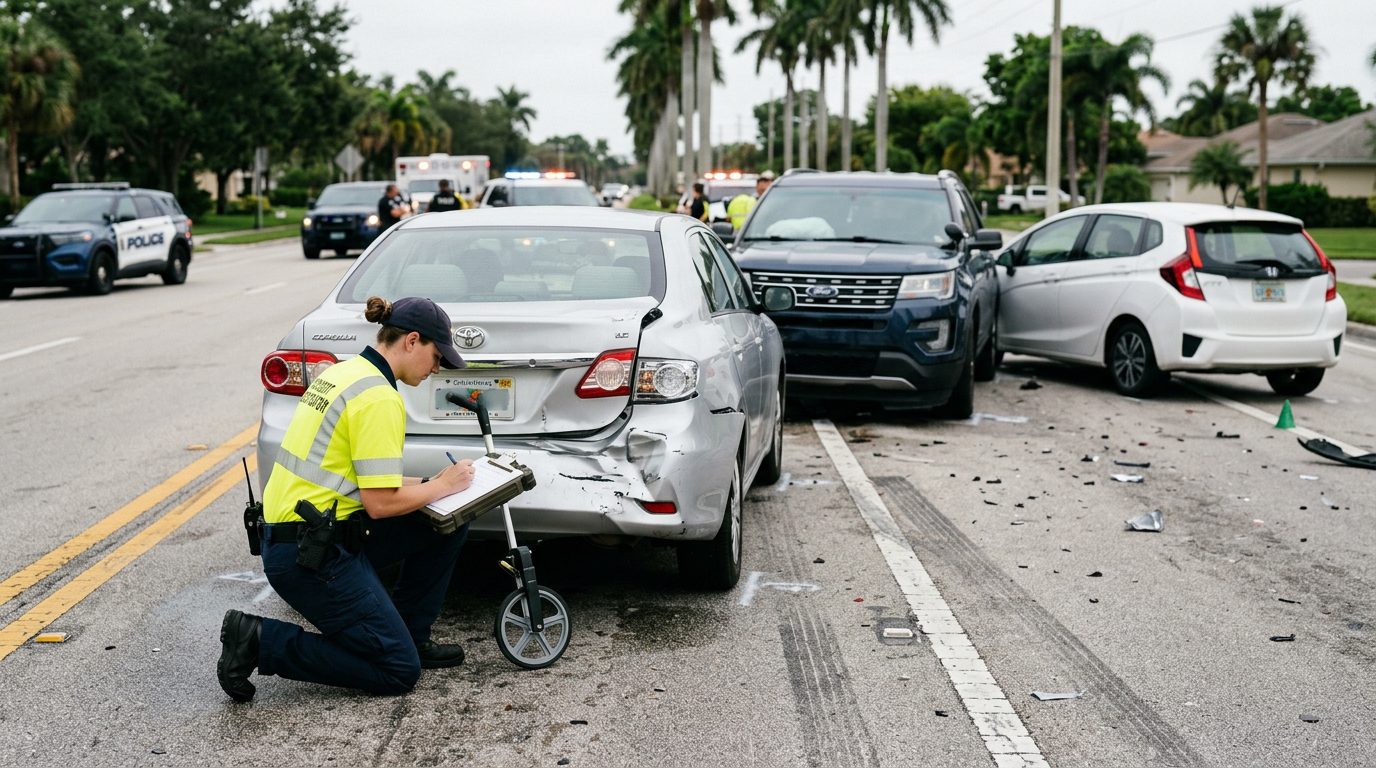
Car Accidents in Country Club, FL
Hit by a car? We can help you recover.
Whether your injury is minor or life-changing, CHG Personal Injury Lawyers is ready to help you with your car accident claim. We handle your case from start to finish.
By CHG Lawyers · Published September 26, 2026
Car Accidents in Country Club, Florida: Your Rights, Timeline, and Path to Recovery
Country Club is a quiet residential community in Miami-Dade County. It sits between Tamiami and Westchester. Most residents expect safe commutes on local streets and highways that connect to I-95. But car accidents happen here like everywhere else. What you do in the first moments after a crash can determine whether you recover fairly.
Whether you’ve had a minor fender-bender or a serious collision that left you injured, you need to know what comes next. This guide walks you through what happens after a car accident in Country Club, why legal help matters, and how to move forward. If you speak Spanish, CHG Personal Injury Lawyers publishes this same information in Spanish to serve Country Club’s diverse population.
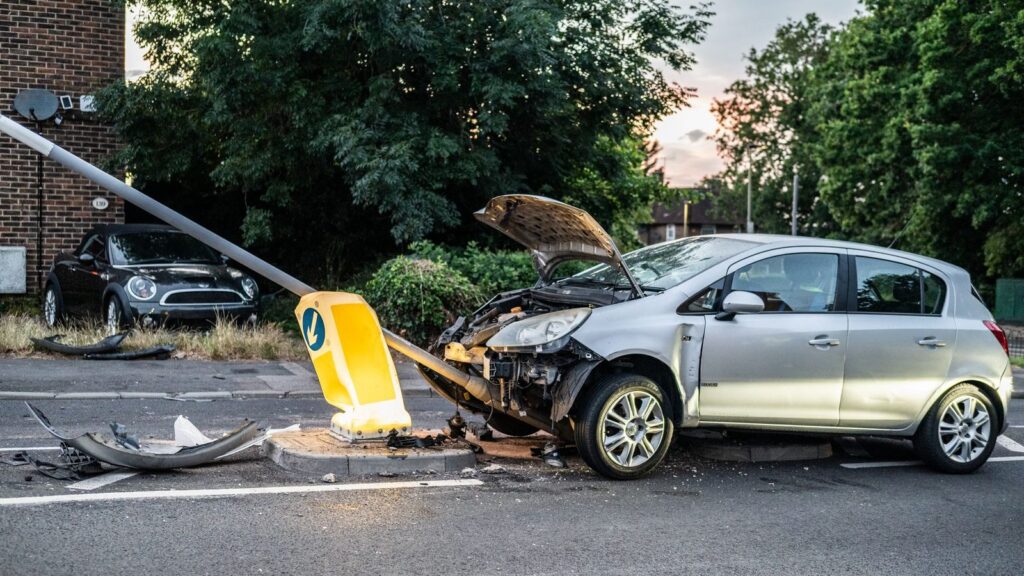
If you've been injured in a car accident in Country Club and are facing medical bills, lost wages, or questions about who's responsible, reach out. Talk it through with our team — the first consultation is free, confidential, and carries no obligation.
Car Accidents in Country Club: Common Causes and Liability
Car accidents in Country Club range from low-speed rear-end collisions to serious, high-impact crashes. Human behavior is a factor in many collisions.
Common causes include:
- Distracted driving (phones, eating, adjusting controls)
- Speeding or driving too fast for conditions
- Failure to yield at intersections or stop signs
- Impaired driving (alcohol or drugs)
- Reckless lane changes and unsafe passing
- Tailgating and aggressive driving
- Weather-related hazards (heavy rain, reduced visibility)
- Mechanical failures or vehicle defects
Who is liable? Most accident victims think only about the driver who hit them. But liability can extend beyond that one driver:
- Vehicle owners who knowingly let an unfit driver use their car
- Employers whose employees cause accidents while working (delivery drivers, rideshare drivers, commercial trucks)
- Vehicle manufacturers if a defect (brake failure, steering malfunction) caused or worsened the crash
- Property owners if poor road maintenance, missing signage, or hazardous conditions contributed to the accident
Identifying all liable parties broadens your potential recovery. An attorney investigates thoroughly to find every source of compensation.
Injuries from Car Accidents: From Minor to Catastrophic
Not all car accident injuries are obvious. Even a low-speed crash can cause whiplash, back strain, and neck injuries that develop over hours or days. You might feel fine at the scene but wake up in pain the next morning.
Serious collisions can result in:
- Broken bones and fractures
- Internal injuries and organ damage
- Head trauma and concussions
- Spinal cord injuries and paralysis
- Traumatic brain injuries (TBI)
- Amputations and severe lacerations
- Severe burns
Some accident victims suffer catastrophic, life-altering injuries. Spinal cord injuries can result in paraplegia (paralysis of the lower body) or quadriplegia (paralysis of all four limbs). Traumatic brain injuries may cause cognitive changes, memory loss, personality shifts, and permanent disability. These injuries require specialized medical care, ongoing therapy, and lifelong support.
Always seek medical attention after a car accident, even if you feel fine. Some injuries don’t show symptoms immediately. A medical record created right after the accident also protects your legal claim.
What to Do Immediately After a Car Accident in Country Club
Documentation in the first hours matters. Here’s what to do:
- Check for injuries and call 911 if anyone is hurt or the accident is serious.
- Move vehicles to a safe location if possible and safe to do so.
- Exchange information with the other driver: names, phone numbers, addresses, insurance details, and vehicle information.
- Take photos of vehicle damage, the accident scene, traffic signs, road conditions, and any visible injuries.
- Get contact information from witnesses. Their statements can be crucial later.
- Report the accident to your insurance company as soon as possible.
- Seek medical evaluation, even for minor symptoms.
- Keep records of all medical visits, treatments, prescriptions, and expenses.
Documentation is your evidence. Photos, witness names, medical records, and police reports build a strong case.
Florida’s No-Fault Insurance Law and Your Claim
Florida is a “no-fault” state. Your own insurance helps cover part of your medical expenses and lost income, regardless of who caused the accident. This coverage is called Personal Injury Protection (PIP).
However, if your injuries are serious enough, you may have the right to pursue a claim against the at-fault driver’s liability insurance. Under Florida Statute § 768.81, Florida follows a “modified comparative negligence” rule.
Here’s what that means: If you are 50% or less at fault, you can recover damages (Fla. Stat. § 768.81(6)). Your recovery is reduced by your percentage of fault. If you are more than 50% at fault, you generally recover nothing.
Determining fault requires evidence: police reports, witness statements, photos, vehicle damage patterns, and sometimes accident reconstruction. An attorney investigates thoroughly and builds a case to establish liability clearly.
Minimum Insurance Requirements in Florida
Florida sets minimum insurance requirements for drivers. Many drivers carry higher limits. Some carry uninsured or underinsured motorist (UM/UIM) coverage.
If the at-fault driver is uninsured or underinsured, your own insurance may cover you through your UM/UIM coverage. This is why reviewing your own policy is critical.
Insurance adjusters are trained to settle claims quickly and cheaply. Their goal is to protect the insurance company’s bottom line, not to maximize your recovery. An attorney can review your policy, identify all available coverage, and pursue every avenue of compensation.
Not sure what your next step is?
Talk it through with our team — the first consultation is free, confidential, and carries no obligation.
Car Accident Settlements: What Your Claim Is Worth
A settlement is an agreement in which the at-fault driver’s insurance company pays you a lump sum to resolve your claim without going to trial. Settlements typically cover:
- Medical expenses (past and future)
- Lost wages and lost earning capacity
- Pain and suffering
- Property damage
Insurance companies often offer low initial settlements. Negotiation is normal and expected. If a settlement cannot be reached, you may file a lawsuit and take the case to trial.
The value of your claim depends on the severity of your injuries, the clarity of liability, and the insurance coverage available. Florida law sets minimum insurance requirements for drivers, and those minimums may not be enough to cover serious injuries. That’s where your own uninsured or underinsured motorist coverage comes in.
The Two-Year Deadline: Why Timing Matters
Under Florida Statute § 95.11, you have two years from the date of the accident to file a personal injury lawsuit in Florida. This deadline is firm. If you miss it, you lose your right to sue, regardless of the strength of your case.
Don’t wait. Contact an attorney soon after your accident. Early investigation preserves evidence, locks in witness memories, and ensures you meet all critical deadlines.
Why You Need an Attorney After a Car Accident in Country Club
Insurance companies have teams of adjusters and lawyers working to minimize what they pay. They’re skilled at getting injured people to settle quickly and cheaply. Going up against them alone puts you at a disadvantage. An attorney levels the playing field.
Here’s what an attorney does for you:
- Investigates thoroughly, gathering police reports, witness statements, medical records, and accident reconstruction if needed.
- Identifies all liable parties—sometimes more than one driver, an employer, a vehicle manufacturer, or a property owner.
- Understands your options: no-fault coverage, third-party claims, and litigation.
- Handles all communication with insurance companies, so you can focus on recovery.
- Negotiates aggressively for fair compensation.
- Protects your rights and ensures you don’t miss critical deadlines.
Many accident victims settle too quickly or without legal advice and leave substantial money on the table. You pay nothing upfront. Most personal injury attorneys work on contingency, meaning you pay only if you win.
Catastrophic Injuries: When a Car Accident Changes Everything
Some Country Club car accidents result in catastrophic, permanent injuries that require lifelong care and support. Spinal cord injuries, paralysis, traumatic brain injuries, severe burns, and amputations are among the most devastating outcomes.
According to the Christopher & Dana Reeve Foundation, approximately 1 in 50 Americans lives with paralysis. For those injured in a car accident, the road ahead is long and expensive.
Catastrophic injury claims are more complex than routine accident claims. They involve:
- Extensive medical records and expert testimony
- Lifetime care costs and medical equipment
- Loss of earning capacity
- Pain, suffering, and loss of enjoyment of life
- In some cases, punitive damages (extra damages meant to punish reckless behavior)
These cases typically result in larger settlements or verdicts. Families of accident victims who suffer catastrophic injuries need experienced legal guidance to secure the full compensation their loved one deserves.
Have questions about what happened?
Ask our team directly. The first conversation is free, confidential, and there is no obligation to continue.
CHG Personal Injury Lawyers: Serving Florida Communities
CHG Personal Injury Lawyers focuses exclusively on catastrophic personal injury cases—spinal cord injuries, paralysis, traumatic brain injuries, amputations, severe burns, and the accidents that cause them. While based in Florida, the firm serves clients throughout the state.
Our attorneys understand Florida law, Miami-Dade County courts, and the specific challenges Country Club residents face. We also publish bilingual content in English and Spanish to serve our community’s diverse population.
We investigate thoroughly, identify all liable parties, and fight for the full compensation you deserve. We work on contingency—you pay nothing unless we win.

Frequently Asked Questions
How long do I have to file a lawsuit after a car accident in Florida?
You have two years from the date of the accident to file a personal injury lawsuit in Florida. Don’t wait—contact an attorney soon after your accident.
What if I was partially at fault for the car accident?
Florida’s comparative negligence rule allows you to recover damages even if you are partially at fault, as long as you are 50% or less at fault (Fla. Stat. § 768.81(6)). Your recovery is reduced by your percentage of fault.
Should I post about my accident on social media?
No. Insurance adjusters and defense attorneys monitor social media. Anything you post can be used against you. Avoid discussing your accident, injuries, or claim online.
What if the other driver doesn’t have insurance?
Your own uninsured motorist (UM) coverage should cover you. UM/UIM coverage is optional in Florida and applies only if you purchased it. That’s why it’s important to review your policy and understand your coverage limits.
How much is my car accident claim worth?
The value depends on the severity of your injuries, the clarity of liability, the insurance coverage available, and other factors. An attorney can evaluate your case and give you a realistic estimate.
Can I pursue a claim against someone other than the at-fault driver?
Yes. You may have claims against the vehicle owner, the driver’s employer, a vehicle manufacturer (if a defect caused the accident), or a property owner (if road conditions or maintenance failures contributed to the crash). An attorney investigates all potential sources of liability.
If you’ve been injured in a car accident in Country Club and are facing medical bills, lost wages, or questions about who’s responsible, reach out. People in your situation can contact us to understand their options. Contact our legal team for a free consultation.
What happens after a car accident
Seek medical attention first
Even if you feel fine, get checked by a doctor. Some injuries show up days later. Keep all medical records and bills.
Report the accident
Call the police and file a report. Get the other driver's insurance information, license plate, and contact details. Take photos of the damage and scene if safe.
Document everything
Write down what happened while it's fresh. Collect witness names and numbers. Keep receipts for medical care, repairs, and lost wages.
Contact an attorney
Don't wait to talk to a lawyer. We can protect your rights, handle insurance companies, and pursue the compensation you deserve.
Why choose CHG Personal Injury Lawyers
We focus exclusively on personal injury
Car accidents are a major part of the personal injury cases we handle. We know Florida law, insurance tactics, and how to build strong cases.
We're here for you
We handle communication with insurance companies so you can focus on healing. You're not just a case number to us.
No attorney’s fees unless there is a recovery
We work on contingency. You pay nothing upfront, and we only get paid if you recover compensation.
Serving Country Club and all of Florida
We also handle cases nationwide.
Don't settle too quickly
Insurance companies often make low initial offers. Before accepting any settlement, talk to a lawyer. You may be entitled to more than you think.
Common questions about car accidents in Florida
How long do I have to file a lawsuit?
You have two years from the date of the accident to file a personal injury lawsuit in Florida (Fla. Stat. § 95.11(5)(a)). Don't wait—contact an attorney soon after your accident.
What if I was partially at fault?
Florida's comparative negligence rule allows you to recover damages even if you share some responsibility for the accident (Fla. Stat. § 768.81(6)). The amount you recover may be reduced by your percentage of fault.
What damages can I recover?
You may recover medical bills, lost wages, pain and suffering, property damage, and other losses caused by the accident. An attorney can help you understand what your case is worth.
Do I need a lawyer?
You're not required to hire a lawyer, but insurance companies have teams working against you. An attorney levels the playing field and protects your rights.