
Wrongful Death Claims | Key Biscayne, Florida
When a Loss Was Someone Else's Fault, Your Family Does Not Have to Face It Alone
Florida law gives certain surviving family members a way to seek justice and support after a death caused by another person's wrongdoing. Here is how to begin.
By CHG Lawyers · Published November 17, 2026
A wrongful death on Key Biscayne can happen on the Rickenbacker Causeway. It can also happen on a quiet street off Crandon Boulevard. Your family may have many questions. Was someone else to blame? Who can file? How much time do you have?
In Florida, a family may be able to bring a wrongful death claim. This applies when another person’s wrongful act, negligence, default, or breach of contract or warranty causes a death, and the event would have entitled the injured person to maintain an action and recover damages if death had not occurred.
Florida’s time limits apply. That is why acting early matters.
What Key Biscayne Families Should Do in the First Days After a Death
The first steps are simple:
- Protect evidence.
- Keep records.
- Think before you talk to an insurer.
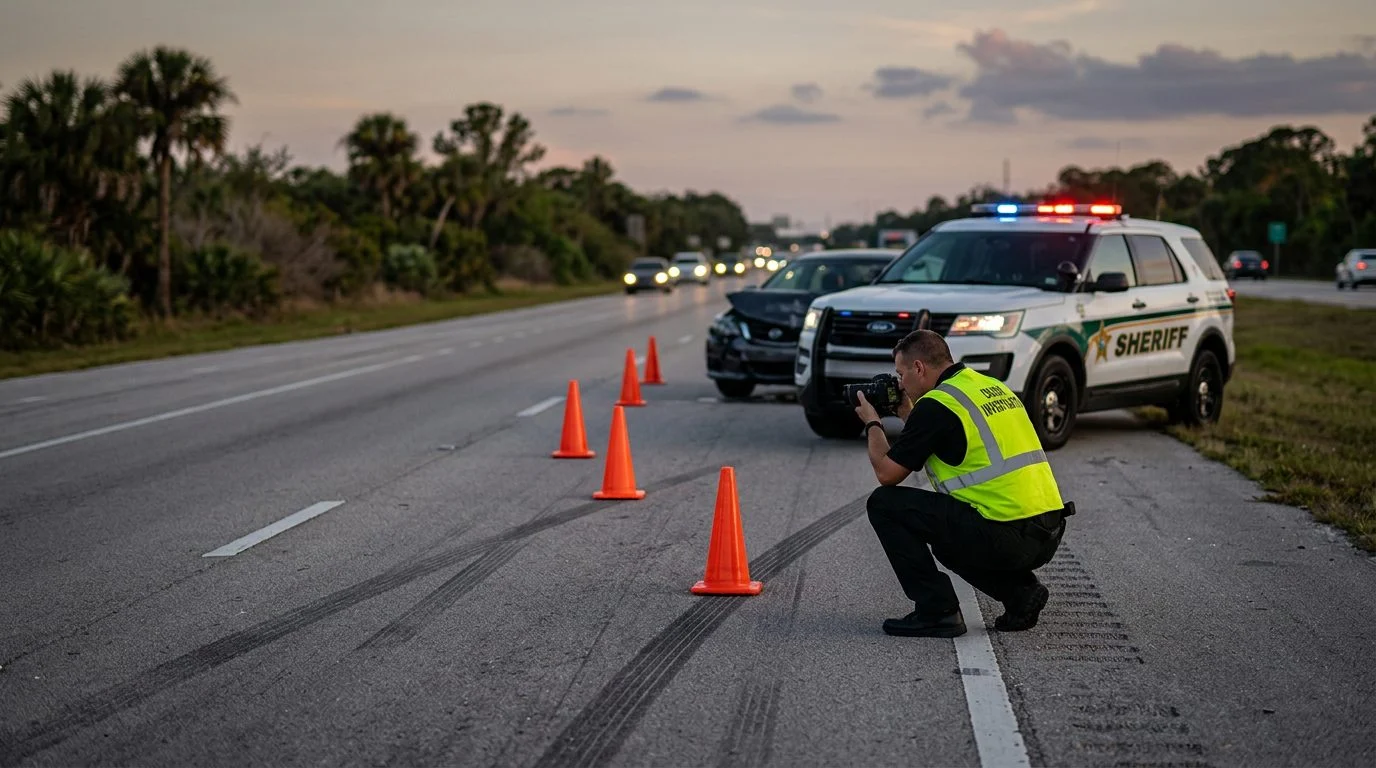
If the death followed a crash, ask the investigating agency for its report. Ask how to request a copy, and keep the report number.
Keep records as you go. Save funeral, transport, and medical bills. Keep photos and witness names. Keep any dash-cam or surveillance video you hear about.
Ask early whether that video still exists. Recordings can be overwritten.
Death investigations can take time. Findings on cause and manner of death may not come quickly.
Don’t give a recorded statement to another driver’s insurer before you speak with a lawyer. An insurer works for its own interests, not yours.
Not sure what your next step is?
Talk it through with our team — the first consultation is free, confidential, and carries no obligation.
Who Can Bring a Wrongful Death Claim in Florida?
The decedent’s personal representative brings the claim. A decedent is the person who died. The claim is for the benefit of the survivors and the estate.
A personal representative is the person appointed to manage a deceased person’s estate. Florida law says the action “shall be brought by the decedent’s personal representative” (§ 768.20). If no one has been appointed yet, act quickly so the claim can move forward.
“Survivors” is a defined term. Under § 768.18, survivors include the decedent’s spouse, children, and parents, and, when partly or wholly dependent on the decedent for support or services, any blood relatives and adoptive brothers and sisters. Fla. Stat. § 768.18 reads: “It includes the child born out of wedlock of a mother, but not the child born out of wedlock of the father unless the father has recognized a responsibility for the child’s support.”
Blood relatives and adoptive brothers and sisters can also qualify. They qualify when they were partly or wholly dependent on the decedent for support or services.
The statute defines minor children as children under 25, no matter the age of majority.
Who may recover depends on each family’s relationships and the facts. A spouse, a child, and a parent may each have different rights. Describe your family’s situation in full when you call.
How Long Does a Family Have to File in Florida?
Under Florida law, an action founded on negligence generally must be commenced within two years (Fla. Stat. § 95.11(5)(a)). Negligence means failing to act with reasonable care.
The general rule is in § 95.11. A negligence lawsuit must be started within two years.
Certain intentional killings follow a different rule. Under § 95.11, a wrongful death action brought against a natural person for an intentional tort resulting in death from acts described in s. 782.04 or s. 782.07 may be commenced at any time.
Deadlines apply. The exact timing depends on the facts of each case. Insurance claims and claims involving a government entity can have their own timing rules. That is one more reason to act early.
Don’t wait for the paperwork to settle before you ask about the calendar.
What Can a Florida Wrongful Death Claim Recover?
A Florida family may seek the types of damages that the wrongful death statute lists.
“Damages” means money awarded for losses.
Under § 768.21, each survivor may recover the value of lost support and services.
A surviving spouse may also recover for loss of the decedent’s companionship and protection. A surviving spouse may recover for mental pain and suffering, too.
Minor children may recover for lost parental companionship, instruction, and guidance. All children may recover this if there is no surviving spouse. Those children may also recover for mental pain and suffering.
Each parent of a deceased minor child may recover for mental pain and suffering. Parents of an adult child may recover that category only if there are no other survivors, and they cannot recover it in medical negligence claims.
The estate may recover the decedent’s lost earnings from the date of injury to the date of death, less lost support of survivors excluding contributions in kind. Medical or funeral expenses paid by a survivor, or paid for the decedent, may also be part of the claim.
Settlements follow their own rule. A settlement is not effective unless the court approves it, if a survivor objects. While an action is pending, the same court-approval rule applies if the settlement affects a minor or an incompetent survivor (§ 768.25).
Each family’s losses are different. No outcome or amount can be promised. The statute describes what may be sought, not what any family will receive.
Which Fatal Incidents on Key Biscayne Lead to Wrongful Death Claims?
Fatal crashes, bicycle and pedestrian deaths, boating accidents, and some deaths tied to unsafe property can all lead to these claims.
On the island, this can mean:
- A crash on the Rickenbacker Causeway
- A collision on Crandon Boulevard
- A bicycle or pedestrian death on residential and beach-area streets
Motorcycle crashes, rideshare collisions, delivery vehicle crashes, and commercial truck crashes can also lead to wrongful death claims.
Biscayne Bay adds another layer. A boating collision that results in a death raises its own questions about who was responsible.
Jet ski and drowning cases can raise similar questions about who was responsible.
Some fatal incidents happen on someone else’s property. Picture a parking garage, a hotel lot, or a condo building. A gate didn’t work. The lights were out. There was no camera or guard. If someone was attacked and killed there, the family may have a claim.
Lawyers call this a negligent security claim.
How Is Fault Decided, and Who Pays in a Death Claim?
A claim generally asks whether another person’s negligence caused the death. Fault can be shared among more than one person.
Florida’s comparative fault rules are in § 768.81. Under that section, in a negligence action to which it applies, a party found more than 50 percent at fault for his or her own harm may not recover any damages; this bar does not apply to actions for medical negligence under chapter 766.
Insurance policies matter too. Policy limits can cap what’s available. Knowing them early helps.
If the person who died was on Medicare, federal rules require that Medicare be notified when a claim is made against a party with liability insurance. CMS explains how that reporting works.
Facing an insurance company alone can feel like paddling a kayak into strong wind on Biscayne Bay. Insurers may dispute fault or value. Don’t accept a quick offer until you understand what it covers.
Not sure what your next step is?
Talk it through with our team — the first consultation is free, confidential, and carries no obligation.
Frequently Asked Questions About Wrongful Death in Key Biscayne
Here are short answers to questions families often ask after a fatal accident.
Can a family file if no one was charged with a crime?
Yes. A civil claim is a lawsuit for money damages. It is separate from any criminal case. For certain intentional killings, § 95.11 says no arrest, formal charges, or conviction is required before a civil case is filed.
Does the money go to the estate or to family members?
Both can be involved. § 768.21 sets out each category of damages.
What if the death happened outside Key Biscayne but the family lives on the island?
Where the incident happened and who was involved both matter. Share all the details early. That helps identify the right location and the right parties.
How long does a wrongful death claim take?
Timelines vary. Death investigations, insurance disclosures, and any court approval of a settlement can each add time.
Why Key Biscayne Families Contact CHG Personal Injury Lawyers
CHG Personal Injury Lawyers is a Florida firm. It handles personal injury and wrongful death cases for families across the state.
The firm’s lawyers are licensed in Florida and admitted to The Florida Bar. The firm’s case types include car and truck crashes, slip-and-fall incidents, and wrongful death.
Some matters may be referred to, or handled together with, another law firm. When that happens, we’ll tell you.
The firm also publishes educational content in English and Spanish. Spanish-speaking families can read the same information.
CHG charges no attorney’s fees and no case costs unless there is a recovery. The first consultation is free, confidential, and comes with no obligation to continue.
La consulta inicial es gratuita, confidencial y sin compromiso de continuar.
Talk With Our Team About Your Family’s Next Step
If your family has lost someone in a crash, a fall, or an attack, paperwork and deadlines can pile up fast. Deciding whether to file is one of the hardest choices you may face.
Our team can review what happened and whether someone may be responsible. Reach out through our contact page to start that conversation.
Bring what you have:
- The crash report number
- Any medical examiner paperwork you’ve received
- Witness names
- The insurance information you’ve been given
Deadlines apply. Reaching out early gives your family more room to weigh its options.
How CHG Personal Injury Lawyers Supports Key Biscayne Families
Care for the family first
We understand that a wrongful death claim comes in the middle of grief. We explain each step in plain language so you can focus on your loved ones.
Clear answers about your options
We review the accident, the records and the people involved, then explain the possible paths forward for your family.
Serving families throughout Florida
We represent clients in Key Biscayne, Miami-Dade County and communities across the state, including those in Spanish-speaking households.
Situations Where Families Often Ask About Wrongful Death
Car and truck crashes
A fatal collision on the causeway, a local road or a Florida highway can leave a family with questions about who is responsible and what comes next.
Motorcycle, bicycle and scooter accidents
Riders and cyclists are often seriously exposed in a crash. When a death results, the family may be able to pursue a claim.
Boating, jet ski and drowning incidents
Accidents on Biscayne Bay and Florida waterways can involve complex questions. We help families understand what happened and their options.
Violence on someone else's property
Some people are killed in an assault or shooting at an apartment complex, parking garage, hotel or business. In some cases, the property owner may share responsibility for failing to provide reasonable security.
Time Matters
Deadlines apply to wrongful death claims in Florida. Waiting can make it harder to protect your family's rights, so contact our firm promptly to discuss your situation.