
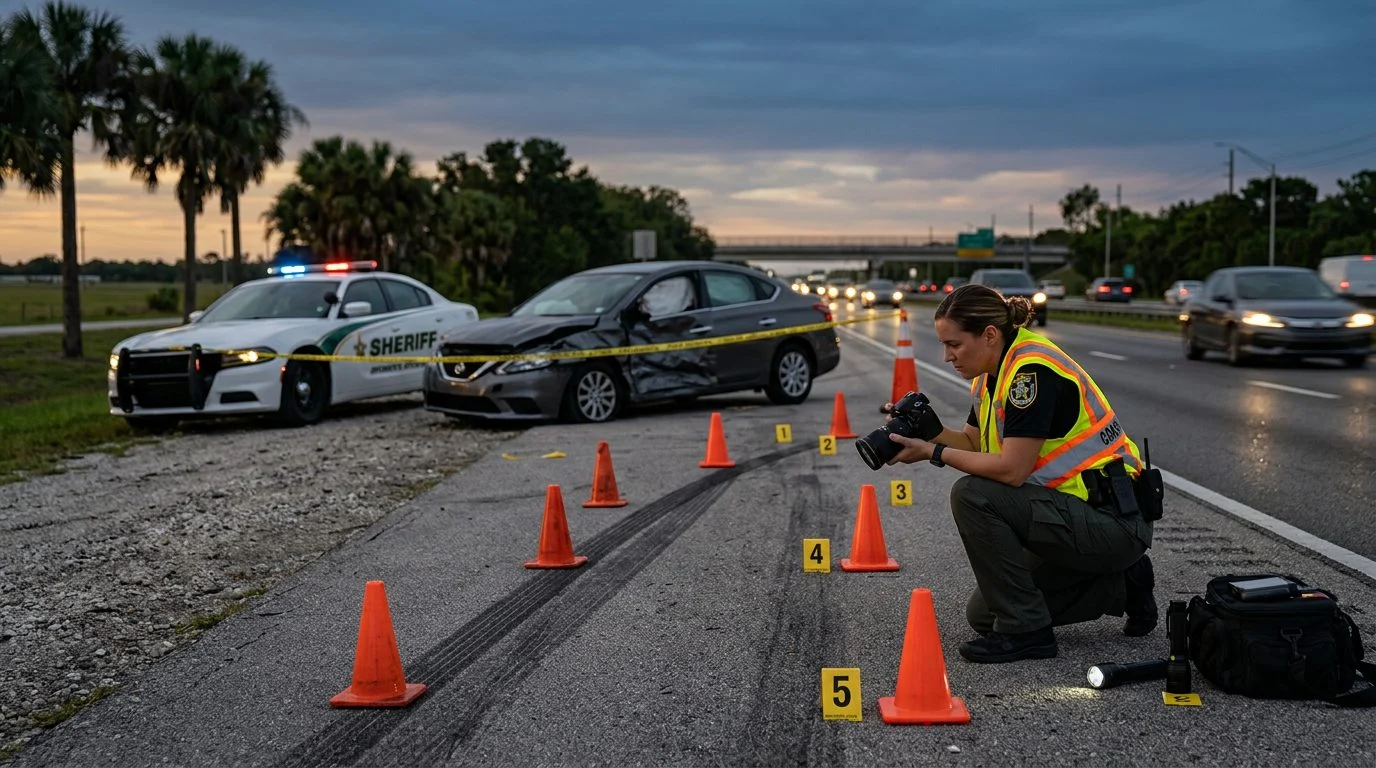
Wrongful Death · Margate, Florida
When a Loss Is Sudden, Your Family Deserves Answers
CHG Personal Injury Lawyers helps Florida families understand their options after a loved one dies because of someone else's negligence.
Our Firm
Florida
Based in Florida, serving families throughout the state
Licensed
Attorneys admitted to The Florida Bar
By CHG Lawyers · Published November 17, 2026
Losing someone suddenly is hard. In the days after a death, many Margate families also ask what happened and who may be responsible.
In Florida, a family may be able to bring a wrongful death claim when another person’s or a company’s negligence causes a death. This guide explains how the claim works, who can bring it, and the deadline that applies.
When a Loss in Margate Becomes a Legal Question
A loss becomes a legal question when someone else’s negligence causes the death. Negligence means carelessness that breaks a duty of care, or a duty to act safely.
The claim is civil. The family asks a court for money damages. The family does not ask for criminal punishment.
Losses like these happen in many ways in Margate and across Broward County. A crash on a busy road can cause one. So can a fall on unsafe property or an attack in a parking garage. Each one can leave a family planning a funeral and facing hard questions at the same time.
Two tracks run side by side. Government agencies handle police reports, medical examiner findings, and criminal charges. Florida law keeps the civil claim in place even when the death involved a felony (§ 768.19). A criminal case does not decide the family’s claim.
Early on, the most useful step is keeping evidence. This includes:
- The crash report
- Photos and video
- Bills
- Names of witnesses
Vehicle data and surveillance video can be overwritten. Acting early matters. Our team can help you sort out which records matter most.
If your family is facing a wrongful death claim after a sudden loss in Margate, our team can talk through your options with you. Talk it through with our team — the first consultation is free, confidential, and carries no obligation.
Who Can Bring a Florida Wrongful Death Claim
Usually, the personal representative of the deceased person’s estate brings the claim. The claim is for the benefit of the survivors and the estate (§ 768.20). The personal representative is the person legally appointed to handle the estate. The Florida Wrongful Death Act sets out these rules.
The Florida Wrongful Death Act (§§ 768.16-768.26) is the name for these sections. Its definition of survivors is in § 768.18: the decedent’s spouse, children, and parents, and, when partly or wholly dependent on the decedent for support or services, any blood relatives and adoptive brothers and sisters. Survivors are the people left behind who can make a claim.
Blood relatives and adoptive brothers and sisters can also count. They qualify if they depended on the decedent, fully or partly, for support or services (§ 768.18). Under Fla. Stat. § 768.18, “minor children” means children under 25 years of age, notwithstanding the age of majority.
What Florida Families May Be Able to Recover
Survivors and the estate can seek several kinds of losses. Which ones apply depends on who survived and what they lost (§ 768.21).
- Lost support and services: the value of financial help and household tasks the person provided, from the injury to death and into the future.
- A surviving spouse: loss of companionship and protection, plus mental pain and suffering.
- Minor children: lost parental companionship, instruction, and guidance, plus mental pain and suffering.
- Parents of a deceased minor child: mental pain and suffering. Parents of an adult child may also recover mental pain and suffering if there are no other survivors, except in medical negligence claims, where parents of an adult child may not recover it.
- Medical and funeral expenses paid by a survivor or by the estate.
- The estate: the decedent’s lost earnings from injury to death, less lost support of survivors (excluding contributions in kind), with interest.
In Ripple v. CBS Corp. (2024), Florida’s Supreme Court said a surviving spouse does not bring a separate loss of consortium claim. Loss of consortium means losing a spouse’s companionship and support. The spouse’s losses are recovered in the wrongful death action instead.
Florida’s comparative fault rule can reduce a recovery. Comparative fault means each person’s share of blame. In a negligence action, if a person is found more than 50 percent at fault for their own harm, they may not recover any damages; this does not apply to personal injury or wrongful death claims arising out of medical negligence under chapter 766 (§ 768.81).
No amount can be promised. Each family’s losses are different. CHG charges no attorney’s fees and no case costs unless there is a recovery.
The Two-Year Deadline Families Should Know
Under Florida law, an action founded on negligence must be commenced within two years (§ 95.11(5)(a)), and an action for wrongful death also has a two-year limit (§ 95.11(5)(e)). Ch. 2023-15, Laws of Florida made amendments to s. 95.11, Florida Statutes.
Other deadlines can apply, depending on who is being sued. That is why you should raise timing with us early, not later.
Waiting also makes evidence harder to keep. Memories fade. Video and vehicle data can be lost. Families who gather records early keep more options open.
Deadlines apply. The firm can explain which ones fit your family’s situation.
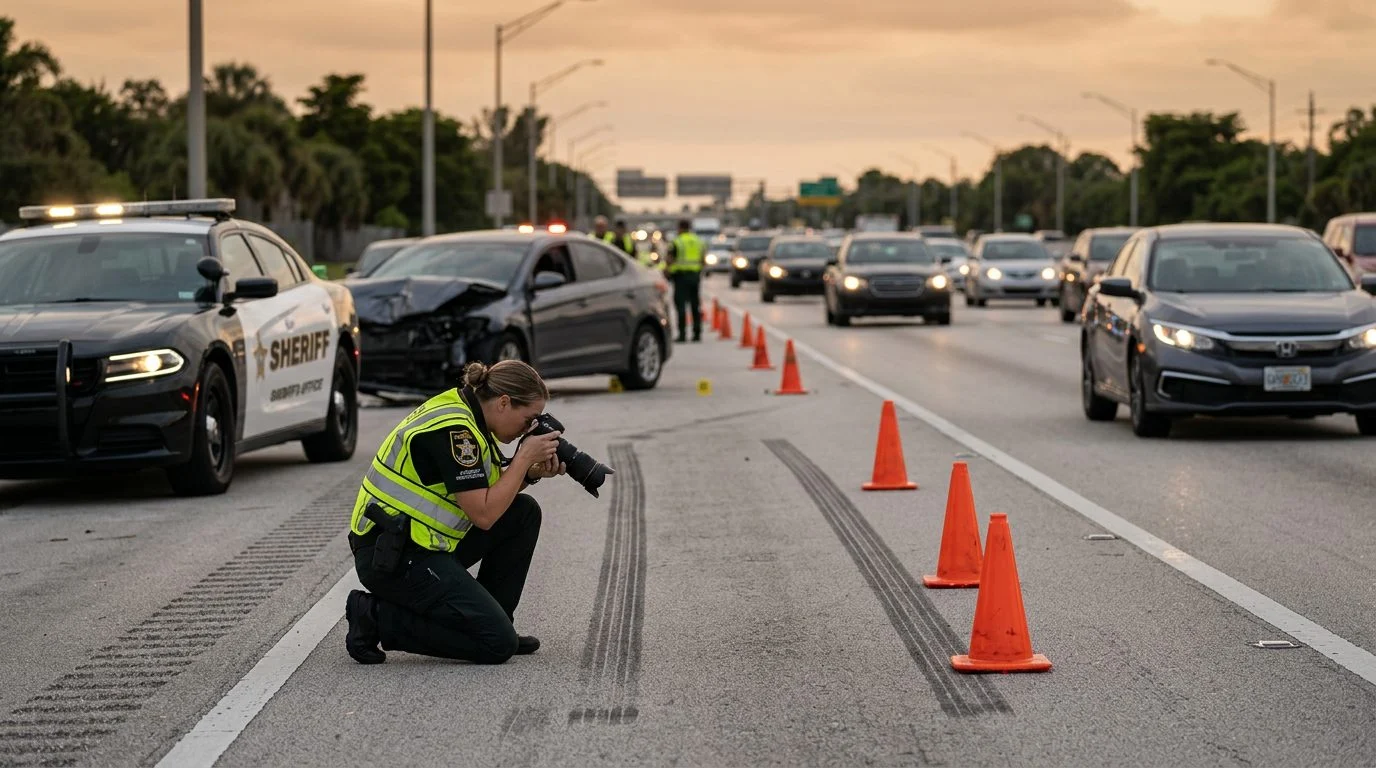
Fatal Incidents in Margate and Broward County
Wrongful death claims in Margate and Broward County often grow out of crashes, falls, and attacks on someone else’s property. Each one raises the same question: who was responsible?
Traffic is heavy on Broward roads. This is true for trips to a Florida Panthers game in nearby Sunrise and for the daily commute. Families bring claims after fatal car and truck crashes, motorcycle and bicycle crashes, and pedestrian deaths. The CDC publishes federal information on alcohol-impaired driving and traffic fatalities.
Some families lose someone who was attacked, shot, or robbed. These attacks can happen in an apartment complex, parking lot, garage, hotel, or store. Sometimes the property owner did not provide reasonable locks, gates, lighting, cameras, or guards.
Lawyers call this a negligent security claim. Florida’s rule for injuries from a third party’s crime says that, in an action for damages against the owner, lessor, operator, or manager of commercial or real property brought by a person lawfully on the property, the jury must consider the fault of all persons who contributed to the injury (§ 768.0701).
The firm also handles wrongful death cases from drowning, electrocution, and construction zone accidents.
Common Questions Families Ask About Wrongful Death
Most of these answers depend on the evidence and the facts of the accident.
Are wrongful death cases hard to win?
Each case turns on the evidence, who was at fault, and the family’s losses. No one can promise a result. A free consultation lets us review your facts.
Who can be sued in a wrongful death case?
The claim can be brought against whoever’s negligence caused the death. That may be a driver, a property owner, a company, or another party.
Is wrongful death a felony?
No. Wrongful death is a civil claim for money damages. It is not a criminal charge. Florida law keeps the civil claim in place even when the death involved a felony.
What is the average payout in a wrongful death suit?
No single figure fits every family. Damages depend on who survived, what they lost, and the facts of the case.
Not sure what your next step is?
Talk it through with our team — the first consultation is free, confidential, and carries no obligation.
Steps Families Can Take Now
Start by gathering records, keeping bills, and writing down what you remember while it is fresh. Keep these items:
- The crash or incident report
- Funeral bills
- Photos
- Contact details for witnesses
Read any insurer statement carefully before you sign it.
Follow the guidance of your doctors and grief support providers. This page is general legal information, not medical advice.
Igor Hernandez is the responsible attorney for this page. CHG Personal Injury Lawyers is Florida-based and serves families throughout Florida. Our lawyers are licensed in Florida and admitted to The Florida Bar. Some cases are handled with other law firms. If yours is, we will tell you up front.
Talk With Our Team About Your Family’s Situation
If your family is weighing a wrongful death claim after a sudden loss, reach out to us for a free case evaluation. The initial consultation is free, confidential, and carries no obligation to continue. La consulta inicial es gratuita, confidencial y sin compromiso de continuar.
You can contact our team here.
Attorney advertising. This page is general information, not legal advice.
How We Can Help Your Family
Compassion First
We understand that a death in the family is more than a legal matter. We take time to listen and to explain each step in plain language.
Investigating What Happened
We look at accident reports, records, and other evidence to understand how the death occurred and who may be responsible.
Claims Against the Responsible Party
A wrongful death claim can be brought against whoever's negligence caused the loss, whether that is a driver, a property owner, or a company.
Clear, Honest Answers
Our Florida attorneys will tell you what we see in your case, including the questions that still need answers.
No Fees Unless There Is a Recovery
CHG charges no attorney's fees and no case costs unless there is a recovery. Our free consultation is confidential and carries no obligation to continue.
Do Not Wait to Ask for Help
Legal deadlines can apply to wrongful death claims. Contact our firm promptly so your family's options can be reviewed while evidence is still available. Follow the care and guidance of your family's doctors and other professionals, and keep copies of all records you receive.
Questions Families Often Ask
What is a wrongful death claim?
A wrongful death claim is brought by the family after a person dies because of another party's negligence. It is a civil claim and is separate from any criminal case.
Who can be sued?
The claim can be brought against whoever's negligence caused the death. That may be a driver, a property owner, a business, or another party, depending on the facts.
What should the family do now?
Keep accident reports, photos, medical and funeral bills, and any letters from insurers. Speak with a lawyer before giving a recorded statement to an insurance company.
Are these cases hard to pursue?
Each case turns on the evidence, who was at fault, and the family's losses. No one can promise a result, but a free consultation lets us review your facts with you.