
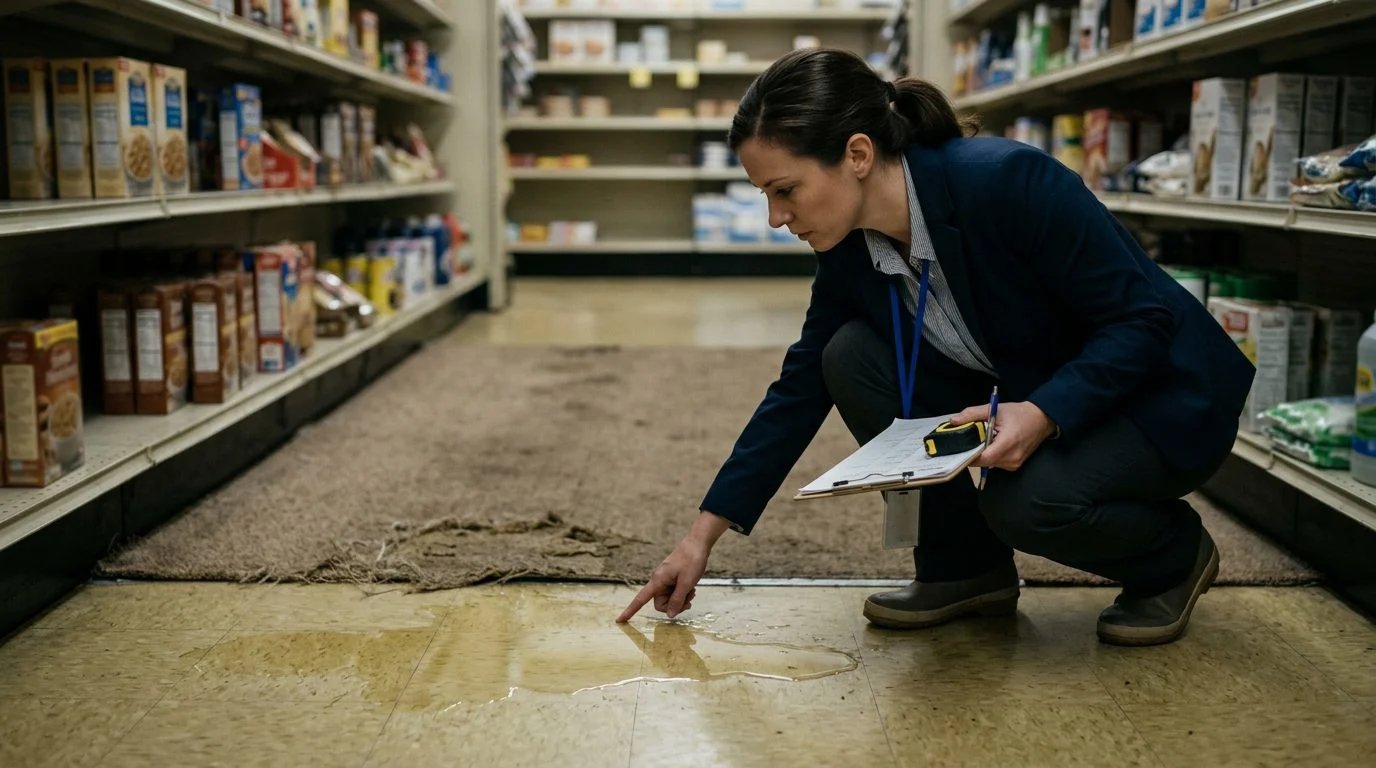
Slip and Fall | Serving Florida Communities
Slipped in a Florida Store? Talk to Our Lawyers About Your Options
Wet floors, uneven tile and missing warning signs can change a single afternoon into months of pain and bills. Our team is here to listen and explain what comes next.
By CHG Lawyers · Published November 9, 2026
Slip and Fall Law in Florida: What Happens After a Spill in a Store
Igor Hernandez, of CHG Lawyers in Coral Gables, Florida, wrote this article.
Under Fla. Stat. § 768.0755, the key question is what the business knew or should have known about the spill, and whether it should have acted.
Not sure what your next step is?
Talk it through with our team — the first consultation is free, confidential, and carries no obligation.
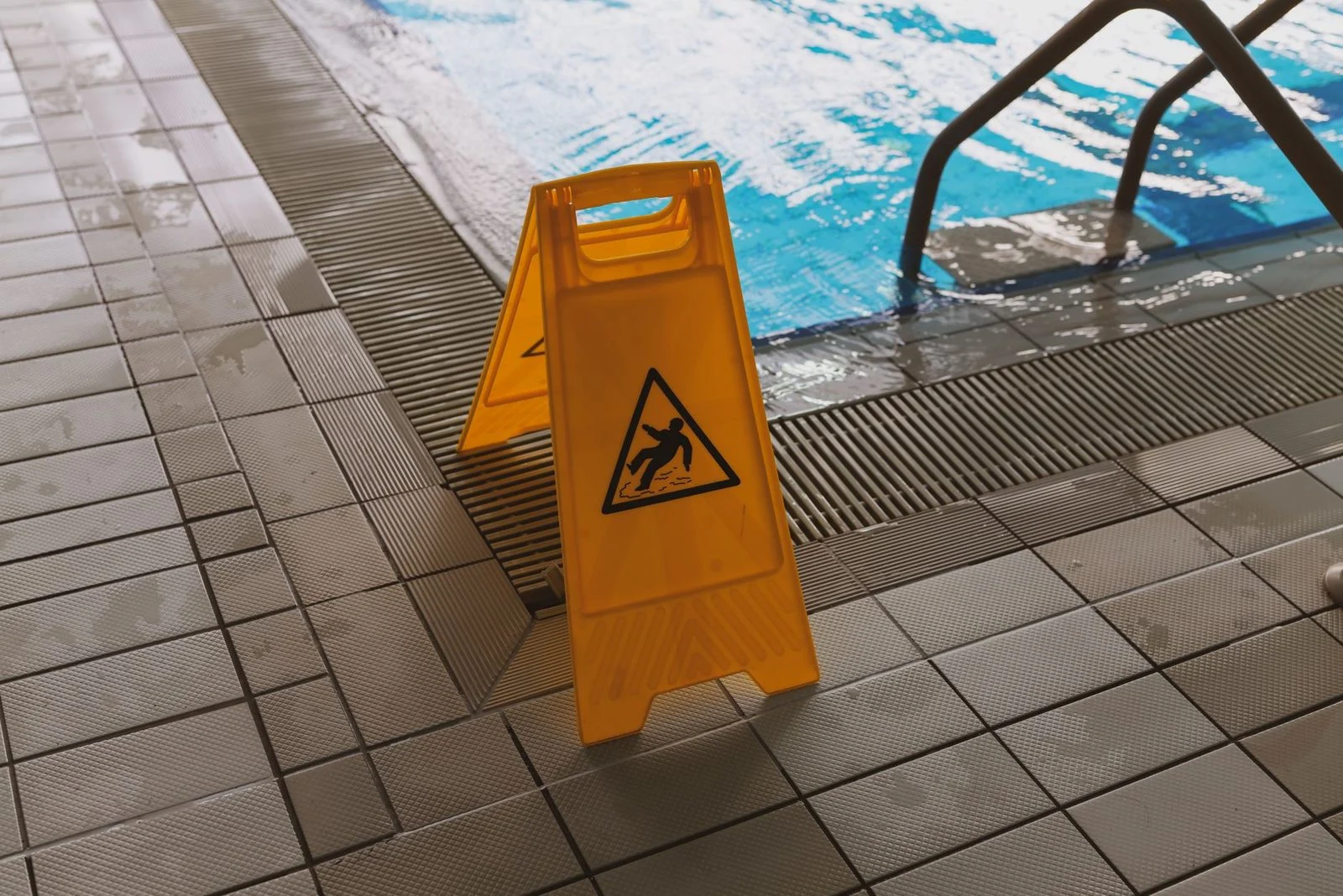
What happens after a slip on a spill in a store?
When someone slips on a spill inside a store and gets hurt, the store’s knowledge of that spill becomes a central question. Picture a shopper walking past a cooler where liquid has pooled on the tile. A wet floor sign may be nearby, or it may not be.
Whether the store can be held responsible depends on the facts of that case. The records, witness accounts, and the timing of the spill all matter.
What does Florida’s statute say about spills in a business?
Under § 768.0755, an injured person who slips on a transitory foreign substance in a business establishment must prove the business had actual or constructive knowledge of the dangerous condition. The injured person must also show the business should have taken action to fix it.
In everyday words, a “transitory foreign substance” is a temporary substance on the floor, such as a spill.
Actual knowledge
For example, an employee may have seen the liquid and walked past it without acting.
Constructive knowledge
Constructive knowledge is a second path. The statute says it may be shown with circumstantial evidence, which means indirect proof.
- Time: The condition existed long enough that, using ordinary care, the business should have known about it.
- Regularity: The condition occurred repeatedly, so it was foreseeable.
Indirect proof might include video, cleaning logs, or witness statements. Each piece of evidence needs to be weighed against the facts of the case.
Does a wet floor sign settle the question?
Section 768.0755 does not mention wet floor signs, cleanup, or warnings. It asks whether the business had knowledge and should have acted to remedy the condition. Fla. Stat. § 768.0755 reads: “If a person slips and falls on a transitory foreign substance in a business establishment.”
A sign, a cleanup, or a timed mop-up may be part of that picture. How much weight any of them carries turns on timing and the specific facts.
The statute also says it does not affect any common-law duty of care owed by a person or entity in possession or control of a business premises, according to § 768.0755(2). So the statute does not describe every premises claim. Other legal duties may also apply.
How can shared fault affect a Florida slip and fall claim?
Shared fault, called comparative fault, can reduce what a person recovers. Under § 768.81(2), in a negligence action, the claimant’s contributory fault lowers the damages awarded in proportion to that fault, but does not bar recovery, subject to subsection (6). Under Florida’s comparative fault law, as amended in 2023, § 768.81(6) bars a claimant found greater than 50% at fault for their own harm from recovering any damages in a negligence action, except a personal injury or wrongful death action arising out of medical negligence under chapter 766.
The same statute’s greater-than-50% rule says that any party found to be greater than 50 percent at fault for his or her own harm may not recover any damages, but this does not apply to an action for damages for personal injury or wrongful death arising out of medical negligence pursuant to chapter 766. Under § 768.81(3), the court enters judgment against each liable party based on that party’s own percentage of fault, not on the doctrine of joint and several liability.
How much time is there to file?
Florida sets lawsuit time limits by statute. Which limit applies turns on the type of claim and when it accrued, and other periods or exceptions may apply.
Under the statute’s accrual rule, a cause of action accrues when its last element occurs, according to § 95.031. Because deadlines can be short, contact CHG Lawyers promptly if you were hurt.
Not sure what your next step is?
Talk it through with our team — the first consultation is free, confidential, and carries no obligation.
What should you keep after a slip and fall in Florida?
Evidence can change or disappear over time. Photos of the spot, any sign or lack of one, and names of people who saw the fall may later matter to how the facts are shown.
Follow your doctors’ care. This page does not give medical advice.
Talk with CHG Lawyers about your Florida slip and fall
If you were hurt on a spill in a store, you may have questions about what the business knew and what the law says. CHG Lawyers is based in Coral Gables, Florida, and represents people throughout Florida, including in Miami, Orlando, Tampa, and Jacksonville. Contact CHG Lawyers to talk through what happened. CHG charges no attorney’s fees and no case costs unless there is a recovery.
Frequently asked questions
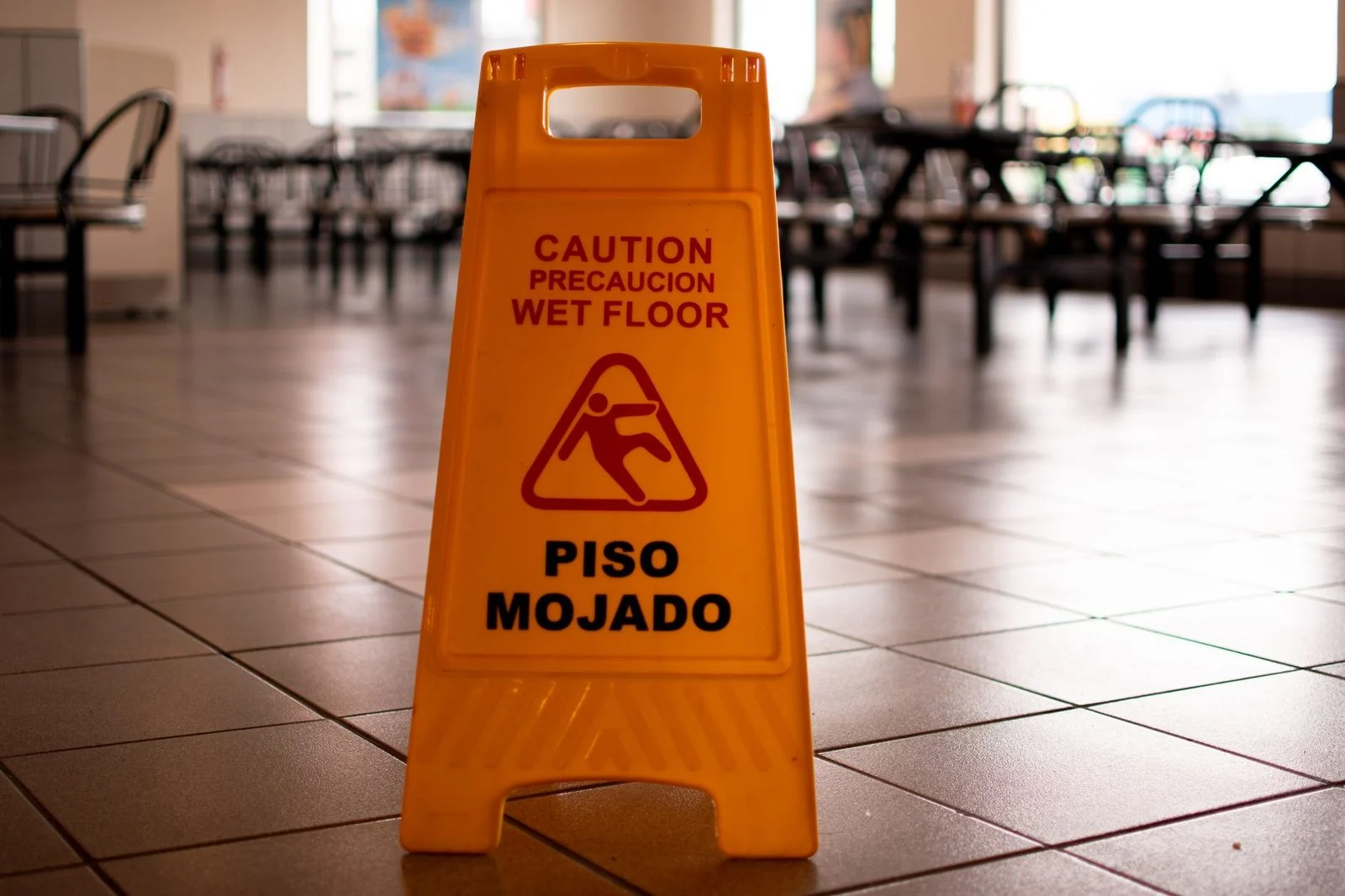
Does a wet floor sign protect a store in Florida?
What is actual knowledge in a Florida slip and fall case?
What is constructive knowledge?
It means the business should have known, based on how long the condition existed or whether it occurred repeatedly.
Does Florida’s statute cover every store fall?
Not entirely. Section 768.0755(2) does not affect any common-law duty of care owed by a person or entity in possession or control of a business premises.
Does partial fault end a Florida slip and fall claim?
How long do I have to file a slip and fall lawsuit in Florida?
Time limits come from § 95.11 and vary by claim type. Contact CHG Lawyers promptly to learn which limit may apply.
How CHG Personal Injury Lawyers Can Help
Florida-Based Representation
We represent people injured on Florida properties, from grocery aisles in Miami to shopping centers in Jacksonville and Tampa.
Free First Consultation
Your first consultation is free, confidential and comes with no obligation to continue.
Attorneys Who Take the Time to Listen
Our lawyers and staff take time to understand how the fall happened and how the injury affects your work, family and daily life.
Do Not Sign Anything Yet
Insurance representatives may reach out quickly after a fall. Before you give a recorded statement or sign any release, speak with a lawyer about what it could mean for your claim.
Steps to Take After a Store Fall
Get Medical Care
Follow your doctor's care plan and keep every appointment note, test result and bill, even for injuries that seem minor at first.
Document the Scene
Photos of the spill or hazard, the lighting, the floor surface and any missing warning signs can help preserve what happened.
Write Down Witnesses
Names and phone numbers of employees, customers or passersby who saw the fall can be important later.
Contact Us Promptly
Time matters in every injury claim. The sooner you reach our team, the sooner we can review your options with you.