
West Palm Beach & Palm Beach County | Serving Florida
Hurt in a Slip and Fall in West Palm Beach? Here's What to Know Next
A fall on someone else's property can cause serious injuries and mounting bills. CHG Personal Injury Lawyers helps injured people and their families understand their options, in plain language, with a free, confidential consultation.
By CHG Lawyers · Published October 19, 2026
If you were hurt in a fall on property you don’t own or run, you may have a claim against the property owner. Whether you do depends on what caused the fall and what the owner knew or should have known.
Who This Page Is For: A Fall on Someone Else’s Property
If you slipped and got hurt on property someone else controls, you may have a claim against the owner or manager, depending on the facts.
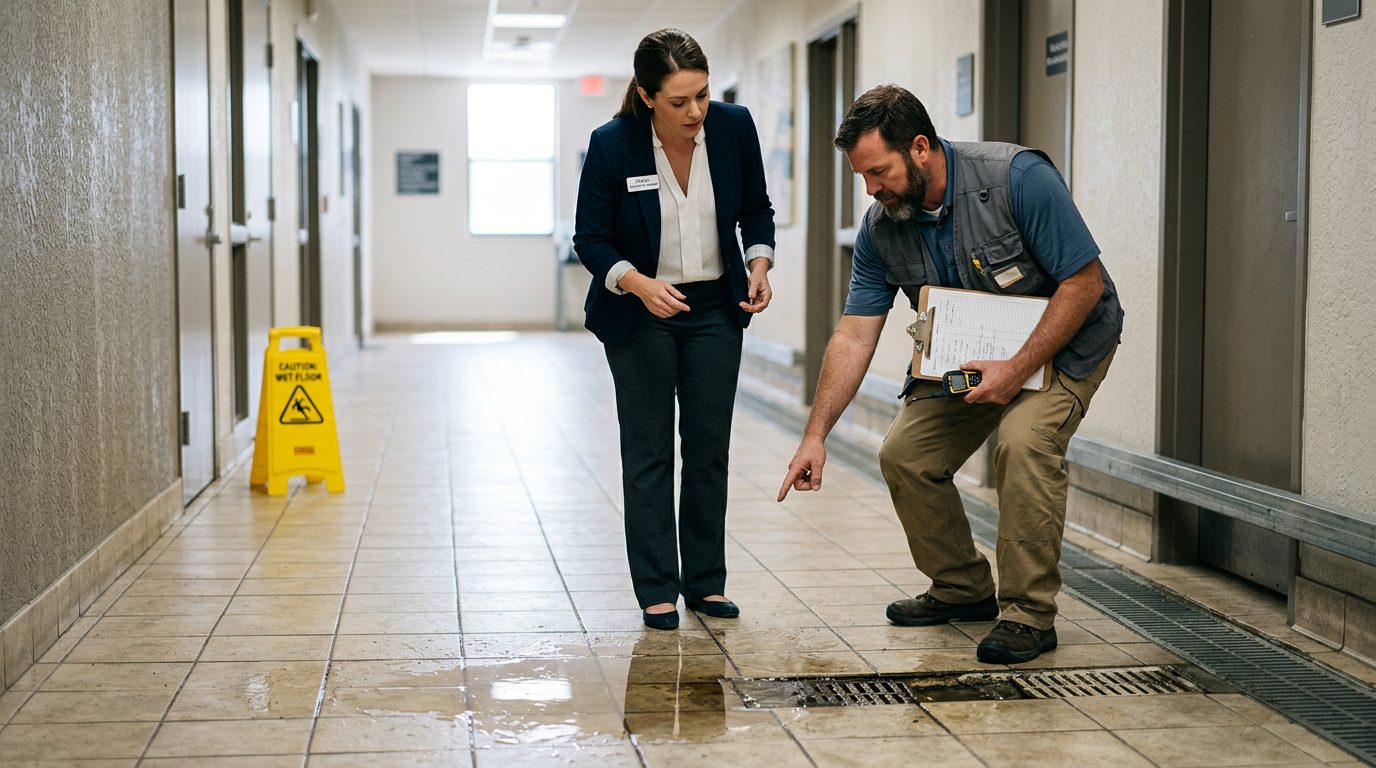
Picture this. You step on a wet floor in a grocery store with no warning sign. Or you catch a cracked edge on a condo walkway, or you trip on a loose stair rail at a hotel. You get hurt. You didn’t own the place, and you didn’t create the danger. Many people in this spot wonder whether they can do anything about it.
In Florida, this kind of claim is often called premises liability (a claim that a property owner was responsible for an unsafe condition). The sections below explain its parts in plain words.
Generally, the injured person brings the claim. If a fall causes a death, the claim is brought by the decedent’s personal representative (the person appointed to handle the deceased person’s estate), for the survivors and the estate, under § 768.20.
Each case depends on its own facts. No result can be promised.
If you were hurt in a fall on property you don't own or run, you may have a claim against the property owner. Talk it through with our team — the first consultation is free, confidential, and carries no obligation.
Where Slip and Fall Injuries Happen in West Palm Beach and Palm Beach County
Slip and fall injuries often happen in shared places that people use every day. Common settings include:
- Shopping centers and retail plazas, including store aisles and entrances
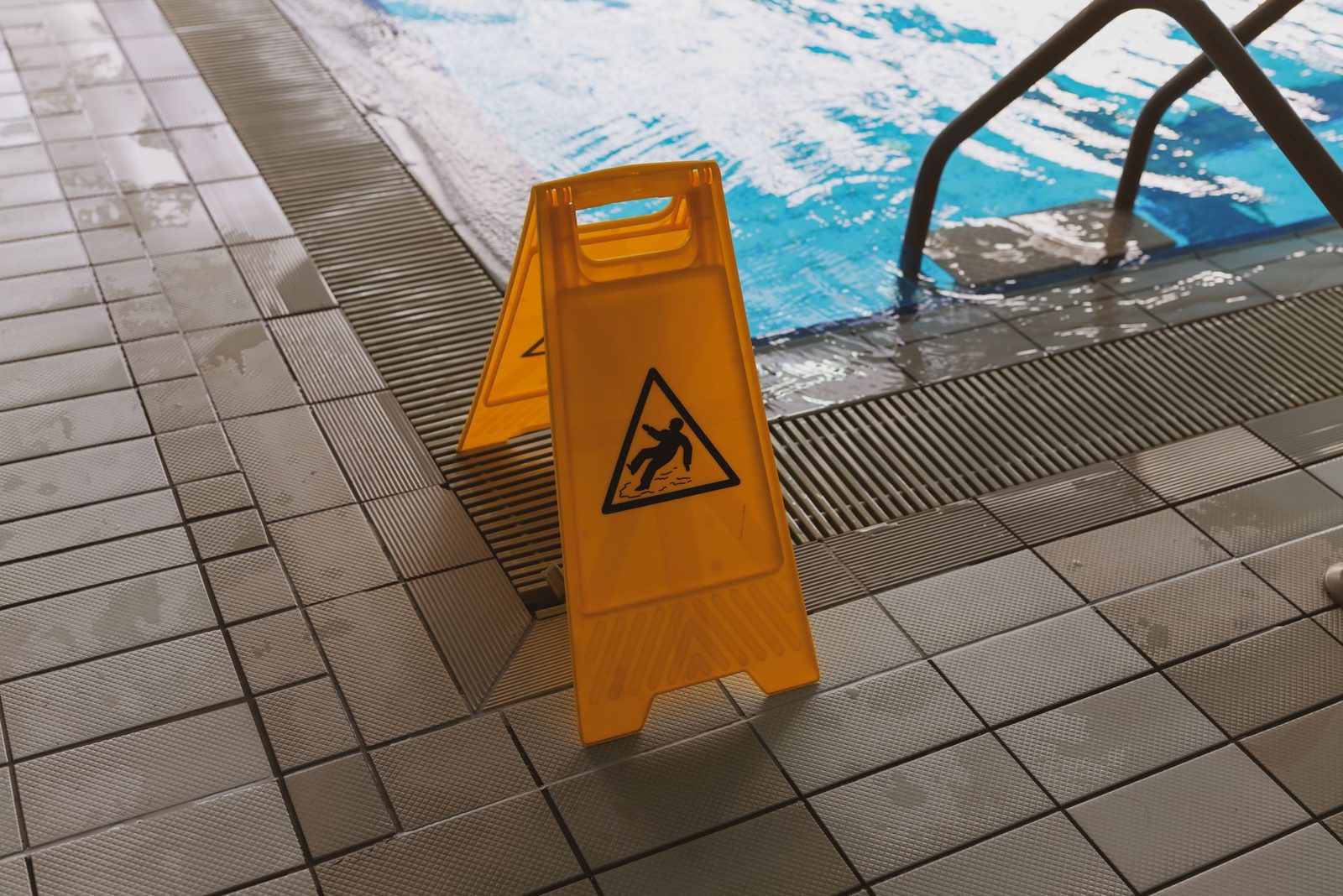
- Condominium lobbies, walkways, and pool decks
- Hotel and resort common areas, such as lobbies, stairs, and pool areas
- Parking lots and garages, including curbs, potholes, and poor lighting
Hazards that often come up in these places include wet or slippery floors, poor lighting, torn carpet, missing handrails, and unmarked changes in level. These are examples to discuss, not proof that anyone was at fault. Whether a hazard supports a claim depends on how it was created, how long it was there, and what the owner did about it.
A fall in a parking area or on a walkway can also raise questions about who was responsible for keeping that area in good condition. This page does not include local fall statistics, because no named source has been verified for them.
What a Florida Slip and Fall Claim Generally Requires
For a fall on a temporary substance in a business, the injured person generally must show the business knew or should have known about the danger.
Under § 768.0755, when a person slips and falls on a transitory foreign substance in a business establishment, the injured person must prove the business had actual or constructive knowledge (knowledge it had, or knowledge the law treats it as having) of the dangerous condition. The business also should have acted to fix it. Under Fla. Stat. § 768.0755, constructive knowledge may be proven by circumstantial evidence showing that:
- The condition existed long enough that, with ordinary care, the business should have found it.
- The condition happened often enough that it was foreseeable.
Other hazards, like a broken stair or a missing handrail, may fall under a different rule. § 768.0755(2) says the section does not affect common-law duties (duties set by earlier court decisions) owed by a person or entity in possession or control of a business premises. Which rule applies depends on the facts.
Florida also uses comparative fault (shared fault). Under § 768.81(6), a party found more than 50 percent at fault for their own harm may not recover any damages. Exceptions apply, including certain medical negligence claims.
Timing matters too. Under § 95.031(1), a cause of action generally accrues when its last element occurs. The time limits for filing in § 95.11 depend on the type of action and when it accrued. Because your deadline depends on your facts, have it reviewed promptly.
What to Do Now After a Fall
Getting medical care, reporting the fall, and keeping records may be relevant to a claim. None of these steps can promise a result.
- Get medical care. Follow your doctor’s advice. Keep copies of diagnoses, treatment plans, and bills.
- Report the fall. Tell the property manager or owner. Ask for an incident report, and keep a copy.
- Document the scene. If it is safe, photograph the hazard, the lighting, and the area. Write down the names and phone numbers of any witnesses.
- Keep your records. Save the shoes and clothing you wore. Note missed work and daily activities you can’t do.
- Be careful with the insurer. An adjuster works for the insurance company, not for you. Talk with a lawyer before you give a recorded statement or sign a release.
Under § 627.4136(1), a person who is not an insured generally cannot sue a liability insurer until a settlement or verdict exists against its insured.
If you slipped and got hurt on property someone else controls, you may have a claim against the owner or manager, depending on the facts. Talk it through with our team — the first consultation is free, confidential, and carries no obligation.
How CHG Handles a Slip and Fall Case
CHG starts with a free, confidential initial consultation with no obligation to continue.
- Initial consultation. You describe the fall, the location, and your injuries. You can ask questions. You aren’t required to hire the firm afterward.
- Investigation. We look at the property, the hazard, maintenance and incident records, and witness information. We request records as appropriate.
- Evaluation and options. We explain how Florida law may apply to your facts. Options may include negotiating with the insurer or filing a lawsuit if needed.
- Ongoing updates. We keep you informed as the case moves. Timelines vary by case, and no timeline can be promised.
CHG charges no attorney’s fees and no case costs unless there is a recovery.
Why CHG Personal Injury Lawyers for a West Palm Beach Fall
CHG Personal Injury Lawyers is a Florida-based firm. Its practice focuses on catastrophic injury claims, and it also handles everyday accidents, including slip and fall matters.
- Responsible lawyer: Igor Hernandez, admitted in Florida as a member of The Florida Bar.
- Office: Our office is in Coral Gables, Florida, and we serve clients in West Palm Beach.
- Support staff: Our office staff supports the lawyer with scheduling, records, and daily case work.
- Languages: The firm publishes educational content in English and Spanish.
Common Questions About West Palm Beach Slip and Fall Claims
Do I need a lawyer to talk about my fall?
A free, confidential consultation can help you understand your options. You aren’t obligated to continue.
Results depend on the facts.
Does the owner’s insurance company pay me directly?
Not generally.
Do I have to pay costs if I lose?
CHG charges no attorney’s fees and no case costs unless there is a recovery.
Can a family bring a claim after a fatal fall?
Under § 768.21, all potential beneficiaries of a wrongful death recovery, including the decedent’s estate, must be identified in the complaint, and their relationships to the decedent must be alleged. Depending on the facts, the relationships involved matter.
Talk With CHG About Your West Palm Beach Fall
If you fell at a shopping center, condo, or hotel in West Palm Beach and now face medical bills and missed work, you may be asking who is responsible. Our office in Coral Gables can talk through those questions in a free, confidential consultation with no obligation to continue. Igor Hernandez, admitted in Florida as a member of The Florida Bar, is the responsible lawyer. Contact CHG at chglawyers.com/contact-us. CHG charges no attorney’s fees and no case costs unless there is a recovery.
If you fell at a shopping center, condo, or hotel in West Palm Beach and now face medical bills and missed work, you may be asking who is responsible. Talk it through with our team — the first consultation is free, confidential, and carries no obligation.
Why Injured People Contact CHG
Free, Confidential Consultation
Talk with a lawyer about your fall at no cost. The first consultation is confidential and comes with no obligation to continue.
No Fees Unless There Is a Recovery
CHG charges no attorney's fees and no case costs unless there is a recovery.
Florida-Based, Serving Florida
We represent people injured across Florida, including West Palm Beach, Palm Beach County, and communities throughout the state.
Licensed Florida Attorneys
Igor Hernandez is a licensed attorney admitted to The Florida Bar, supported by our office staff, who work to keep you informed at every step.
Be Careful Before You Speak With the Property Owner's Insurer
An insurance adjuster may call soon after your fall and ask for a recorded statement. Speak with a lawyer first so your words are not used against your claim.
Steps That Can Help Protect Your Claim
1. Get Medical Care
See a doctor as soon as you can, even if you feel you only have bruises. Some injuries, such as head or back injuries, may not show symptoms right away. Follow your doctors' care.
2. Document the Scene
If you are able, take photos of the spot where you fell, including wet floors, missing warning signs, poor lighting, torn carpet, or broken stairs. Write down the date, time, and what happened.
3. Report the Fall
Ask the property manager or owner to file an incident report, and request a copy for your records. Note the names of any employees or witnesses who saw what happened.
4. Keep Every Record
Save medical bills, receipts, prescriptions, and time missed from work. Keep a simple daily journal of pain, limits on daily life, and appointments.