

Slip and Fall Claims
What Your Slip and Fall Claim Is Worth
Understanding settlement ranges, what affects your payout, and how to protect your claim from the start.
By CHG Lawyers · Published September 29, 2026
Slip and Fall Payout in Florida: What Your Claim Is Worth
You fell on someone else’s property and got hurt. Medical bills are piling up. You’ve lost income. Pain lingers. The property owner should have kept that area safe or warned you about the danger. So what is your slip and fall payout actually worth?
Slip and fall payouts vary widely. A minor ankle sprain might settle for $3,000 to $5,000. A fractured hip requiring surgery could reach $50,000 to $150,000. A catastrophic injury—spinal cord damage, traumatic brain injury, or permanent paralysis—can exceed $500,000.
The difference depends on injury severity, medical records, lost income, and how clearly the property owner was negligent. This guide explains what drives your claim’s value and what to do right now to protect your rights.

Not sure what your next step is?
Talk it through with our team — the first consultation is free, confidential, and carries no obligation.
Why Property Owners Are Responsible
Property owners must keep their premises reasonably safe. They must also warn visitors of known dangers.
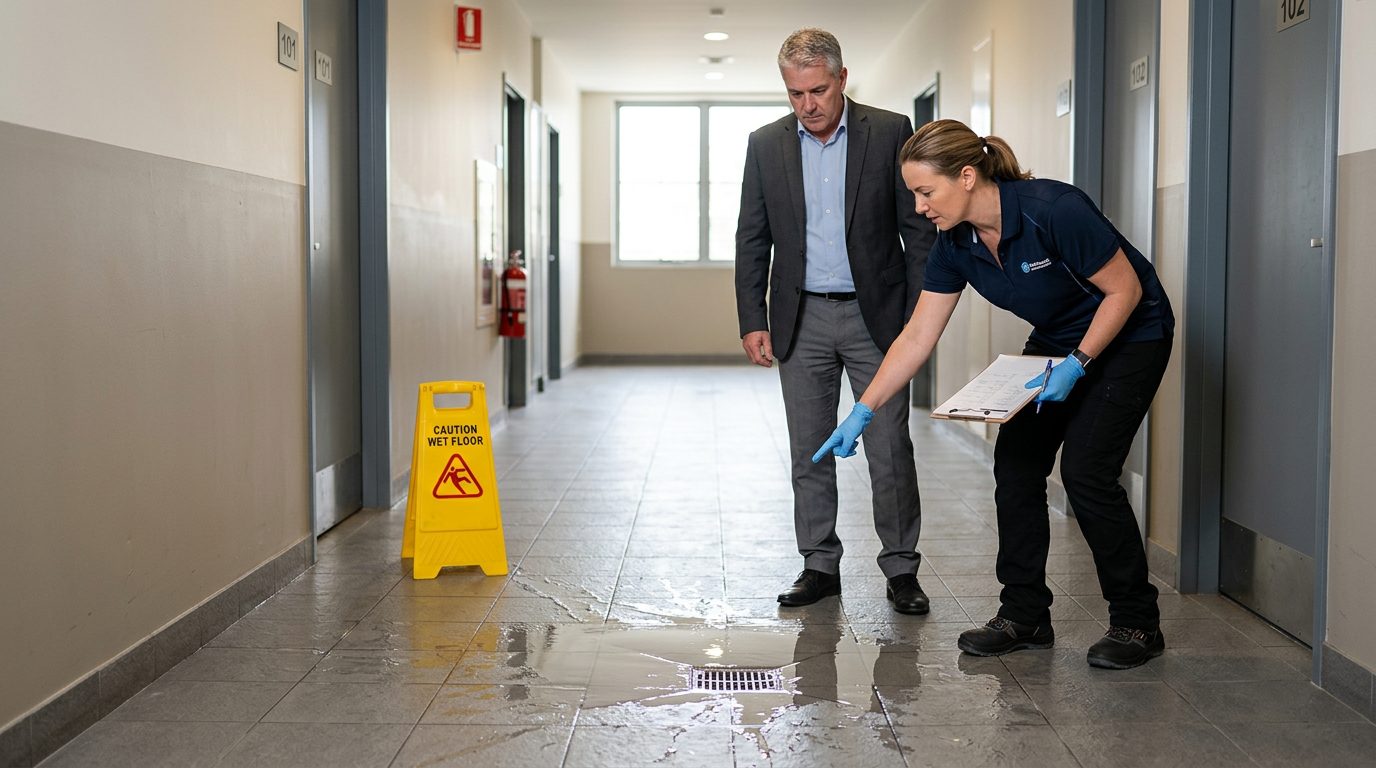
If you slipped on a wet floor with no warning sign, tripped on a broken stair the owner knew was damaged, fell in a dark parking garage with broken lights, or were injured because a gate or lock wasn’t working—the owner failed that duty.
When that failure causes your injury, you may have a claim. Legally, this is called premises liability. The owner owed you a duty of care. They breached it by failing to maintain safe conditions or warn you. That breach caused your injury and damages.
Visitor Status and the Owner’s Duty
Florida law recognizes different visitor categories. The owner’s duty of care depends on your status:
Invitees (customers, guests, tenants, employees): The owner owes the highest duty. They must inspect regularly, fix hazards promptly, and warn of known dangers.
Licensees (social guests, delivery workers): The owner must warn of known hazards but doesn’t need to inspect as thoroughly.
Trespassers: The owner owes minimal duty and cannot intentionally harm you.
Most slip and fall claims involve invitees. This higher duty standard strengthens your claim.
Evidence Preservation: The Critical First 72 Hours
This is the most important action you can take right now.
Evidence disappears fast. The wet floor gets mopped. The broken stair gets repaired. Witnesses move on. Security camera footage gets overwritten after 30 days at many locations.
Immediately after your fall:
-
Photograph and video the scene: Capture the exact spot where you fell, the hazard itself (wet floor, broken step, debris), surrounding area, lighting, and any warning signs (or lack thereof). Take photos from multiple angles. Video captures full context better.
-
Get witness names and contact information: Ask anyone who saw your fall for their name, phone number, and email. Witnesses corroborate your account when the property owner claims you were careless.
-
Request an incident report: Tell the property manager immediately. Ask for a written incident report and request a copy. This creates an official dated record.
-
Note environmental conditions: Write down the date, time, weather, how busy the area was, and other details while your memory is fresh.
-
Preserve your clothing and shoes: Don’t wash or discard what you wore. Stains and debris may prove the hazard existed.
-
Identify maintenance records: Ask whether the owner has maintenance logs, inspection records, or prior complaints about that area. Your attorney can request these later.
Why this matters: When you contact us, we immediately send a preservation letter demanding the property owner keep all evidence—photos, video, maintenance records, incident reports, and witness information. But evidence you gather in the first hours is irreplaceable. Insurance companies and juries trust documentation made right after your fall far more than memories from months later.
What Slip and Fall Claims Cover
When you pursue a claim, you seek compensation for:
- Medical expenses: emergency room, hospitalization, surgery, imaging (X-rays, MRI, CT scans), physical therapy, occupational therapy, prescriptions, and medical equipment
- Lost wages: income you lost while unable to work during recovery
- Pain and suffering: physical pain, emotional distress, anxiety, depression, and reduced quality of life
- Permanent disability or impairment: lasting functional loss, reduced mobility, chronic pain, cognitive changes, or inability to perform daily activities
- Future medical care: anticipated ongoing treatment, surgery, therapy, or home modifications needed for years
- Loss of earning capacity: if the injury prevents you from returning to your previous job or earning at your prior level
- Wrongful death damages (if applicable): if a family member died from complications, surviving family members may recover funeral expenses, lost financial support, and loss of companionship
Yes, slip and fall cases can result in death. An elderly person with weak bones falls and fractures their hip; surgery complications or immobility lead to pneumonia or blood clots. A head injury causes serious bleeding in the brain. These tragic outcomes are within slip and fall claims, and families deserve full compensation for their loss.
How Injury Severity Drives Payout
Injury severity is the single largest factor in claim value.
Minor injuries (sprains, minor bruises, small cuts): Heal within weeks to months. Require basic first aid or outpatient care. Cause minimal lost work time. Typical payout: $2,000–$10,000.
Moderate injuries (fractures, moderate soft-tissue damage, concussions): Require emergency care and possibly hospitalization. Involve 2–6 months of recovery. May cause temporary work loss. Typical payout: $15,000–$75,000.
Serious injuries (complex fractures, severe sprains, significant head injuries): Require surgery, extended hospitalization, or intensive therapy. Cause 6+ months of recovery with ongoing limitations. Result in substantial lost wages. Typical payout: $75,000–$250,000.
Catastrophic injuries (spinal cord damage, traumatic brain injury, permanent paralysis, amputation, severe burns): Cause permanent impairment or disability. Require lifelong medical care, therapy, and equipment. End or severely limit earning capacity. Typical payout: $250,000–$1,000,000+.
The difference between a $20,000 settlement and a $500,000 settlement often comes down to whether the injury is temporary or permanent.
Medical Documentation Strengthens Your Claim
Every medical record you obtain strengthens your case. Insurance adjusters and juries evaluate injury severity through documentation.
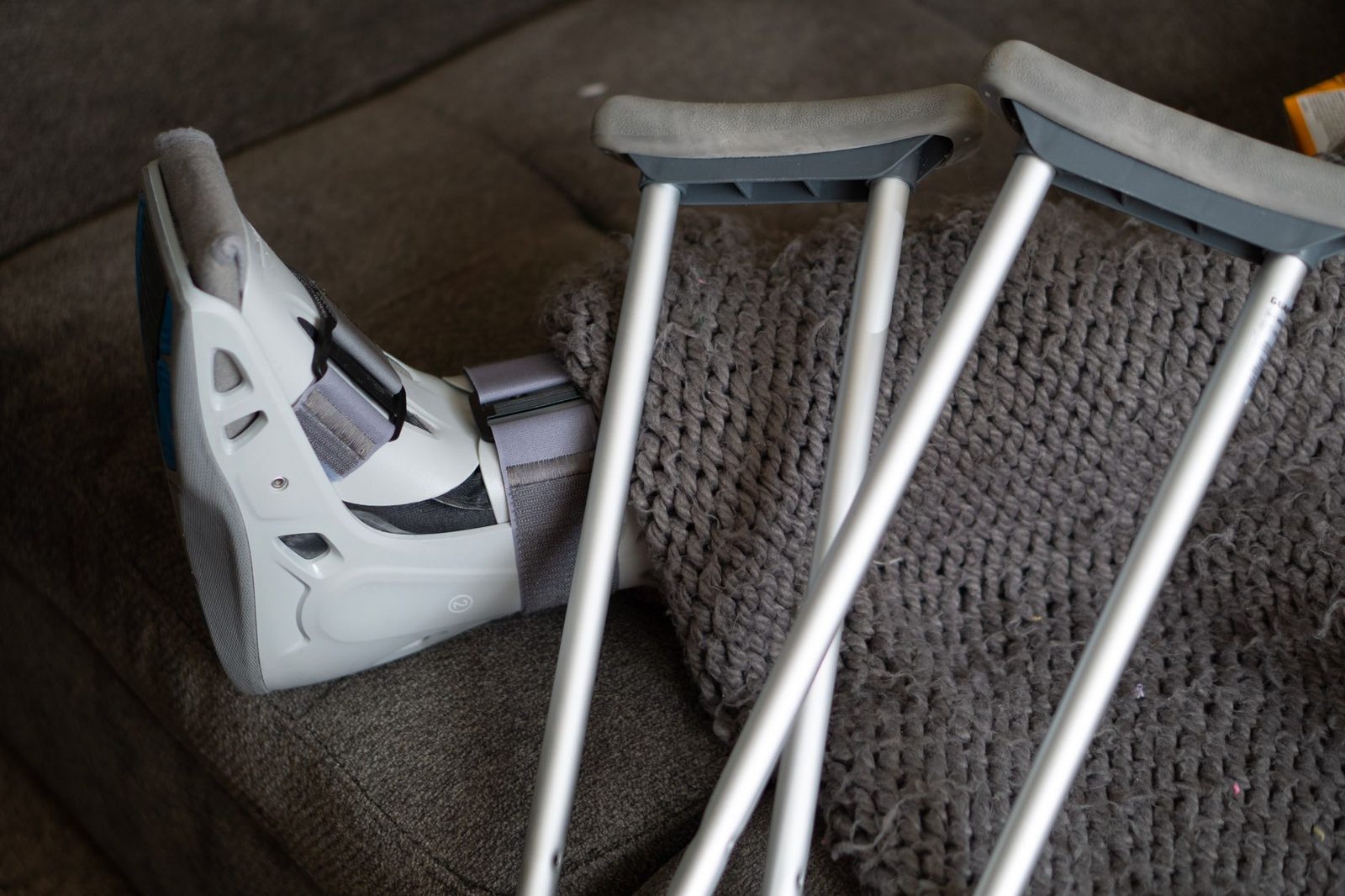
Gather and keep: – Emergency room records and bills – Hospital discharge summaries – Surgical reports and operative notes – Imaging studies (X-ray, MRI, CT reports) – Physical therapy and occupational therapy notes – Physician office visit summaries – Prescription records – Medical equipment invoices (crutches, braces, wheelchairs, home modifications) – Specialist referrals and consultations
Request your complete medical records from every provider. Insurance companies will obtain them anyway, but having them yourself ensures accuracy and lets your attorney identify gaps early.
Lost Wages and Earning Capacity
If you missed work during recovery, document it: – Pay stubs showing your normal income – Employer statement confirming dates you were absent – Tax returns (if self-employed)
Loss of earning capacity is more complex but often more valuable. If your injury prevents you from returning to your previous job—a construction worker with a spinal cord injury, a surgeon with a hand injury, a teacher with cognitive impairment—you can claim the difference between what you earned before and what you can earn now, projected over your remaining work life.
This is especially important in catastrophic cases. A 35-year-old earning $60,000 annually who cannot work has lost 30 years of earning potential—potentially $1.8 million or more before accounting for raises and inflation.
Have questions about what happened?
Ask our team directly. The first conversation is free, confidential, and there is no obligation to continue.
Proving the Property Owner’s Negligence
Your payout depends directly on how clearly you prove the owner was negligent.
Strong negligence evidence includes: – Photos of the hazard taken immediately after your fall – Witness statements confirming the condition existed before you fell – Maintenance records showing the owner knew about the problem – Prior complaints from other people about the same hazard – Records of other people falling at the same location – Incident reports filed by the property owner – Security camera footage showing the hazard and your fall – Expert testimony explaining industry maintenance and safety standards
Weak negligence evidence (which reduces your payout): – No photos of the hazard – No witnesses – No documentation the owner knew about the condition – Evidence you were distracted or ignored warning signs – A very brief time between when the hazard appeared and your fall
The stronger your negligence evidence, the more pressure the insurance company faces to settle rather than risk a jury verdict.
Florida’s Comparative Fault Rule
Florida follows a modified comparative-negligence rule under Florida Statute § 768.81(6).
If you bear some responsibility for the fall—for example, you weren’t paying attention or ignored a warning sign—your recovery is reduced by your percentage of fault.
Example: Your damages are $100,000. A jury finds you 20% at fault and the property owner 80% at fault. You recover $80,000 (your damages reduced by your 20% share).
Critical rule: You can recover only if you are 50% or less at fault. If you’re found more than 50% responsible, you recover nothing.
This is why evidence matters so much. Clear photos of an unmarked hazard, witness statements that you couldn’t have seen it, and maintenance records proving the owner knew about it all reduce your percentage of fault and increase your recovery.
Insurance Coverage Limits
The property owner’s liability insurance policy has coverage limits—typically $100,000 to $1,000,000 per occurrence.
If your damages exceed the policy limit, the insurer pays only up to the maximum. You may pursue the owner’s personal assets for the remainder, but most individuals have limited assets.
Your attorney will investigate: – What insurance the owner carries – The policy limits – Whether umbrella or excess coverage exists – Whether the owner has personal assets worth pursuing
This investigation helps determine your realistic recovery range.
The Two-Year Florida Statute of Limitations
This is critical: You have two years from the date of your fall to file a lawsuit in Florida.
Florida Statute § 95.11(3)(a) sets this deadline. If you don’t file suit within two years, your claim is barred forever—even if you have strong evidence and significant damages.
Why this matters: – Many cases settle before trial, but settlement negotiations can take 12–18 months – If negotiations fail, you need time to prepare for trial – Evidence degrades over time; witnesses move or forget details – Filing suit before the deadline preserves your claim even if settlement talks continue
What you should do now: Contact an attorney as soon as possible after your fall. Even if you’re still recovering or unsure whether to pursue a claim, a consultation costs nothing and protects your deadline. If you wait until month 20, you’ve lost leverage and time.
The Slip and Fall Claims Process
Understanding the timeline removes uncertainty:
1. Initial Consultation (Week 1) You meet with an attorney who reviews your incident, injuries, and evidence. The attorney explains whether you have a viable claim and what to expect.
2. Investigation (Weeks 2–8) Your attorney gathers evidence: obtains your medical records and bills, photographs the scene, interviews witnesses, requests maintenance records and incident reports, reviews security camera footage if available, and researches the property owner’s insurance.
3. Demand Letter (Weeks 8–12) Your attorney sends a formal demand to the property owner’s insurance company. It includes a detailed account of your fall, medical records and bills, lost wage documentation, a specific settlement demand with supporting reasoning, and explanation of the owner’s negligence.
4. Negotiation (Weeks 12–52) The insurer may accept the demand, counter-offer a lower amount, request additional information, or deny the claim. Most cases settle during this phase. Your attorney negotiates on your behalf while you focus on recovery.
5. Litigation (if needed) (Months 12–24+) If no settlement is reached, your attorney files a lawsuit. This triggers discovery, depositions, expert reports, mediation, and trial if mediation fails.
Timeline expectations: – Simple cases with clear liability and minor injuries: 6–12 months – Moderate cases with documented injuries: 12–18 months – Complex cases with severe injuries or disputed liability: 18–36 months
Why Speed and Documentation Matter
Insurance companies know that evidence fades. Witnesses forget. Photos disappear. Video gets overwritten. The longer you wait, the weaker your case becomes.
Strong documentation made right after your fall—photos taken the day of your fall, witness statements recorded within days, incident reports filed immediately—creates a compelling record that’s hard to dispute.
This is why contacting an attorney quickly is important. We immediately send preservation letters to the property owner, demand evidence retention, and begin gathering documentation before it’s lost.
Want to know where you stand?
Tell us what happened and our team will walk you through the options available to you, at no cost.
Frequently Asked Questions
What if I was partially at fault?
You can still recover if you’re 50% or less at fault, but your payout is reduced by your percentage of fault. Strong negligence evidence minimizes your percentage of fault.
Do I need a lawyer?
You can file a claim yourself, but insurance companies are trained to minimize payouts to unrepresented claimants. An attorney maximizes your recovery through professional negotiation and, if necessary, litigation.
What if I signed a waiver?
Waivers are often unenforceable for negligence, especially in commercial settings. An attorney can review your specific situation.
What if the property owner has no insurance?
You may still pursue a claim against the owner’s personal assets. Your attorney will investigate all available recovery sources.
Can I recover if I didn’t seek immediate medical attention?
You can still pursue a claim, but delayed medical care weakens your case. Insurance companies may argue your injuries weren’t serious. Seek medical attention promptly, even if you feel okay initially.
How long do I have to file a lawsuit?
Two years from the date of your fall under Florida Statute § 95.11(3)(a). After two years, your claim is barred forever.
What if the property owner claims I was careless?
This is common. Strong evidence—photos of the hazard, witness statements, maintenance records—proves the owner’s negligence regardless of their claims about your conduct.
How much will this cost me?
Our firm works on contingency. You pay nothing upfront. We recover a percentage of your settlement or verdict. If we don’t recover compensation, you owe nothing.
Why Choose CHG Personal Injury Lawyers
Our practice focuses exclusively on personal injury claims, including slip and fall cases. We handle cases nationwide with deep roots in Florida and South Florida communities including Miami-Dade, Broward, and Palm Beach counties.
Our attorneys are admitted to the Florida Bar with extensive knowledge of premises liability law, comparative fault, and Florida’s statute of limitations. We serve English and Spanish-speaking clients with equal care and attention, ensuring language is never a barrier to justice.
We understand that evidence disappears. We move quickly to photograph scenes, interview witnesses, and preserve documentation before it’s lost. While we handle all slip and fall cases, we focus on serious and catastrophic injuries—spinal cord damage, traumatic brain injury, permanent paralysis—so we understand how to value complex, lifelong harms and maximize recovery.
We explain what your case is worth, what factors affect settlement, what the statute of limitations means for your timeline, and what to expect at each stage. We work on contingency. You pay nothing unless we recover compensation for you.
We know what questions to ask, what records to request, and how to build a strong negligence case. Learn more about how to file a personal injury claim and evidence preservation in injury cases to understand your options better.
Protect Your Rights Today
If you’ve been injured in a slip and fall on someone else’s property, time is working against you. Evidence is disappearing. Your two-year statute of limitations is counting down.
Contact CHG Personal Injury Lawyers today for a free, confidential case evaluation. We’ll review your incident, injuries, and evidence to assess your claim and explain your options. There’s no obligation, and you pay nothing unless we recover compensation for you.
Call us now or submit your case online to get started. We serve clients nationwide and are ready to help you understand your rights and pursue the compensation you deserve.
Time Matters
Florida law sets a two-year window to file a slip and fall lawsuit. Waiting too long can affect your ability to gather evidence, locate witnesses, and preserve your claim. Early action protects your rights.
What Affects Your Slip and Fall Payout
Severity of Your Injury
Medical bills, ongoing treatment, and the permanence of your injury directly influence what your claim is worth. Catastrophic injuries—spinal cord damage, traumatic brain injury, or permanent disability—typically result in higher settlements than minor injuries.
Clear Evidence of Negligence
Property owners have a duty to maintain safe conditions. Strong evidence—photos of the hazard, maintenance records, witness statements, or prior complaints—shows the owner knew or should have known about the danger and failed to act.
Your Degree of Fault
Florida law allows recovery even when you share some responsibility for the fall. If you are found 50% or less at fault, you can recover damages reduced by your percentage of fault. Evidence of the property's condition and the owner's negligence is key.
Economic and Non-Economic Damages
Payouts cover medical expenses, lost wages, and future care costs. They also include pain and suffering, emotional distress, and loss of quality of life—often the largest component of a settlement.
Why Your Claim Needs Strong Legal Representation
Insurance Companies Know the Process
Adjusters are trained negotiators. Without an attorney, you may receive an offer far below what your claim is actually worth. A lawyer levels the negotiation and advocates for fair compensation.
Evidence Preservation Is Critical
Hazardous conditions disappear, maintenance records are destroyed, and memories fade. Early legal action preserves photos, video, witness statements, and the property owner's records—all essential to proving negligence.
Deadlines Are Real
Missing filing deadlines or failing to respond to settlement offers on time can jeopardize your entire claim. An attorney manages every deadline and procedural requirement.
We Handle the Complexity
Slip and fall cases involve premises liability law, comparative fault rules, and insurance policy limits. Our firm focuses exclusively on catastrophic and serious personal injury claims—we know how to navigate these issues.
Common Questions About Slip and Fall Payouts
What if I was partially at fault for the fall?
You can still pursue a claim. Florida law permits recovery if you are 50% or less at fault. Your payout is reduced by your percentage of responsibility. Strong evidence of the property owner's negligence—such as a known hazard, lack of warnings, or failure to maintain safe conditions—helps minimize your share of fault.
Do I need a lawyer for a slip and fall case?
You can file a claim on your own, but insurance companies are prepared to negotiate with unrepresented claimants. An attorney ensures you understand your rights, gathers the evidence needed to prove negligence, and negotiates for fair compensation. Many people find that legal representation results in a substantially better outcome.
How long does a slip and fall case take?
Simple cases may settle within months; complex cases involving serious injury or disputed liability can take longer. Your attorney will work to resolve your claim efficiently while ensuring you receive full and fair compensation for all damages.
What if the property owner claims I was careless?
Property owners often argue that you were not paying attention or were acting recklessly. This is where evidence matters: photos of poor lighting, uneven surfaces, lack of warning signs, or prior complaints show the owner's responsibility. Your attorney will build a strong case to counter these defenses.