

Slip and Fall | Broken Arm Settlement
What Is Your Broken Arm Slip and Fall Worth?
Understanding pain and suffering damages when a fall causes a fracture.
By CHG Lawyers · Published September 20, 2026
How Much Is Pain and Suffering Worth in a Slip and Fall With a Broken Arm?
Pain and suffering damages in a slip and fall case with a broken arm typically range from $15,000 to $100,000 or more. The exact amount depends on how severe the fracture is, what treatment you needed, how long recovery took, and how the injury affected your work and daily life. There’s no fixed formula—each case is unique.

Not sure what your next step is?
Talk it through with our team — the first consultation is free, confidential, and carries no obligation.
What Is Pain and Suffering in a Slip and Fall Case?
Pain and suffering damages are non-economic damages. That means money awarded for harm that isn’t a direct dollar cost like a medical bill.
They cover: – Physical pain – Emotional distress – Loss of enjoyment of life – Reduced quality of life during and after recovery
When you slip and fall and break your arm, you’re entitled to recover for more than just surgery and medical care. You can also recover for the real pain, frustration, and disruption to your life that the injury causes.
This is different from economic damages, which are measurable costs: emergency room bills, X-rays, orthopedic care, physical therapy, and lost wages while you’re out of work. Both types of damages together make up your total claim value.
Factors That Affect Settlement Value for a Broken Arm
The amount you may recover for pain and suffering depends on several key factors:
Severity of the fracture. A simple break requiring only a cast is less serious than a compound fracture (bone pierces the skin), a displaced fracture (bone pieces are out of alignment), or a break requiring surgery. Severe fractures justify higher pain and suffering awards.
Type of treatment required. A cast alone means shorter recovery and less ongoing pain. Surgery, however, adds medical costs, extends recovery time, and often increases pain and suffering damages. Multiple surgeries or complications raise the value further.
Recovery timeline. A broken arm that heals fully in 6–8 weeks is different from one requiring 3–6 months of recovery or ongoing physical therapy. Longer recovery periods support higher pain and suffering awards.
Age and overall health. Younger people often receive higher awards because they typically have longer recovery periods ahead and greater long-term impact on earning capacity. A 25-year-old with a broken arm faces different consequences than a 65-year-old.
Permanent complications. If the break heals fully without lasting effects, pain and suffering is limited to the recovery period. But if you develop chronic pain, reduced range of motion, arthritis, nerve damage, or weakness, settlement value increases significantly because you’ll live with the injury’s effects indefinitely.
Impact on work and daily life. If you can’t work during recovery or face permanent restrictions on what you can do, that increases your claim value. A construction worker or athlete may have a higher claim than someone in a desk job because the injury’s impact on their livelihood is greater.
Medical expenses and lost wages. Higher documented costs support higher pain and suffering awards. If you spent $30,000 on surgery, imaging, and therapy and lost $15,000 in wages, that $45,000 in economic damages forms the foundation for calculating pain and suffering.
How Do Attorneys and Insurance Companies Calculate Pain and Suffering?
Two main methods are used to estimate pain and suffering damages:
The multiplier method. Your economic damages (medical bills plus lost wages) are multiplied by a number, typically between 1.5 and 5, depending on injury severity. A simple broken arm might use a 1.5 to 2.5 multiplier. A severe fracture requiring surgery might use a 3 to 5 multiplier.
Example: If your economic damages total $20,000 and you use a multiplier of 3, that suggests $60,000 in pain and suffering—for a total claim of $80,000.
The per diem method. A daily rate is assigned for pain and suffering and multiplied by the number of days of recovery. For example, if $100 per day is assigned and recovery takes 120 days, pain and suffering would be $12,000. This method is less common but may be used in cases with clear, defined recovery periods.
Insurance companies and juries may use different approaches, and neither method is exact. The calculation depends on the specific facts, the jurisdiction, and how the case is presented.
What Is the Typical Payout for a Slip and Fall?
Slip and fall settlements vary widely. Many cases settle in the $10,000 to $100,000 range, but individual outcomes depend entirely on the injury and circumstances.
A broken arm typically falls in the mid-to-higher range of slip and fall settlements because it requires documented medical treatment, often surgery, and produces clear lost-income records.
- A simple break with a cast might settle for $15,000–$50,000.
- A break requiring surgery, extended recovery, and physical therapy might settle for $50,000–$150,000 or more, especially if permanent complications develop.
Settlement amounts also depend on:
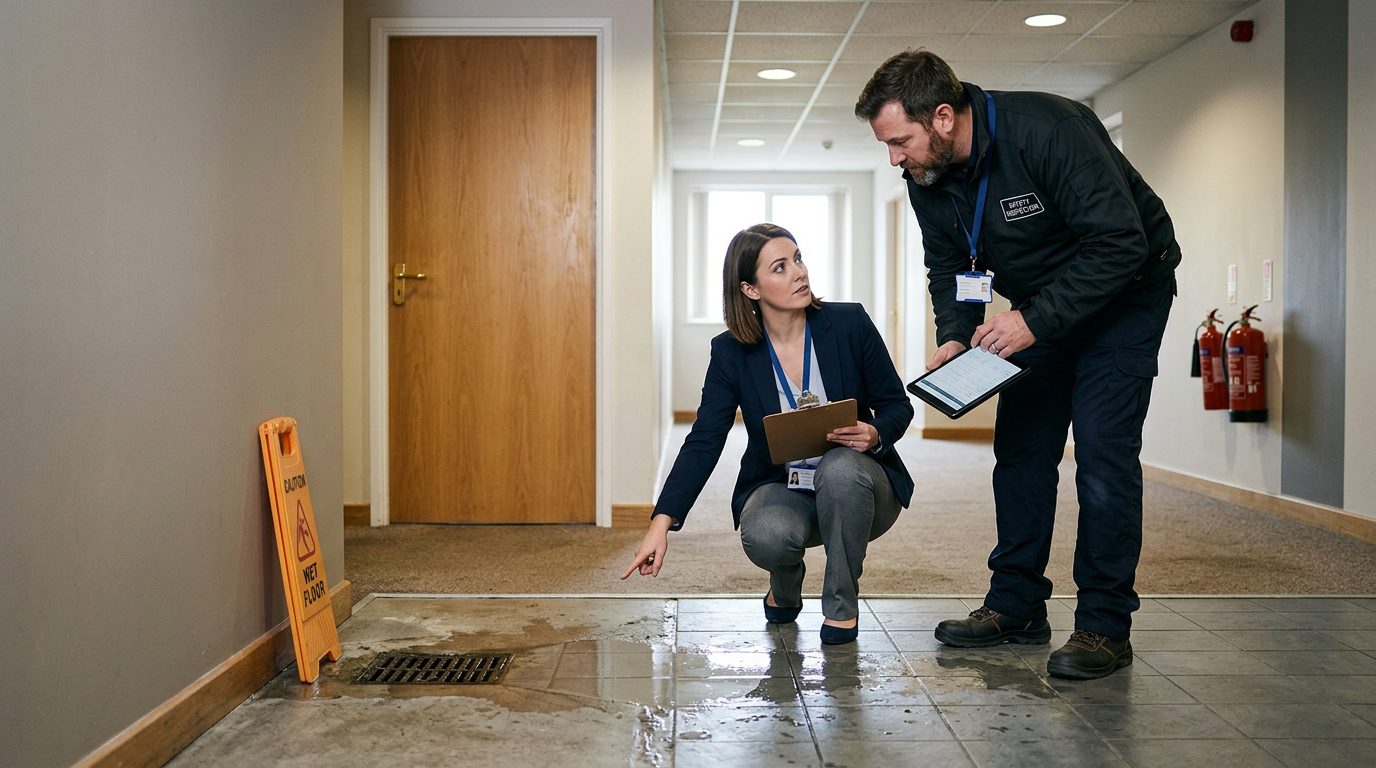
- Liability clarity. If the property owner’s negligence is obvious (a wet floor with no warning sign, a broken stair, poor lighting in a parking garage), settlements tend to be higher. If liability is disputed, settlements are lower.
- Insurance coverage. The property owner’s liability insurance policy limits the maximum payout. A $100,000 policy cap means your settlement cannot exceed that, even if your injury is worth more.
- Jurisdiction. Florida juries and judges may value pain and suffering differently than other states. Local settlement patterns matter.
Some cases settle for less than the ranges above; others settle for significantly more. Each case is unique.
Is It Worth Suing for a Slip and Fall?
A broken arm is a significant injury that often justifies a claim. Medical expenses, lost wages, and pain and suffering can add up quickly—many people are surprised by the total value once all damages are calculated.
Whether a claim is worth pursuing depends on two things: the strength of your liability case and the availability of insurance to pay.
Liability means proving the property owner was negligent. They knew or should have known about the hazard (wet floor, broken step, poor lighting) and failed to fix it or warn about it. Without a clear liability case, even a serious injury may result in a lower settlement or no recovery at all.
Insurance coverage means the property owner has a policy that will pay your claim. If they don’t, even if you win, collecting the money is difficult.
A consultation with an attorney can help you evaluate both factors and determine whether your claim is worth pursuing.
Have questions about what happened?
Ask our team directly. The first conversation is free, confidential, and there is no obligation to continue.
Medical Expenses and Lost Wages: The Foundation of Settlement Value
Economic damages form the base of any settlement calculation. For a broken arm, typical costs include:
- Emergency room visit and initial evaluation
- X-rays and imaging (CT scans if needed)
- Orthopedic specialist consultation
- Possible surgery and anesthesia
- Hospital or surgical facility fees
- Post-operative imaging and follow-up appointments
- Physical therapy and rehabilitation (often 6–12 weeks)
- Pain medication and other prescriptions
- Additional specialist visits if complications arise
Lost wages include time out of work during initial recovery and any ongoing income loss if you face permanent restrictions.
Higher economic damages generally support higher pain and suffering awards. If you’ve incurred $40,000 in medical costs and lost $20,000 in wages, a multiplier of 2 to 3 would suggest $80,000–$120,000 in pain and suffering.
Documentation is essential: keep all medical records, receipts, pay stubs, and communications with your employer about time off. This evidence proves your damages and strengthens your settlement position.
Permanent Injury and Long-Term Impact
If your broken arm heals fully without lasting effects, pain and suffering damages are typically limited to the recovery period—usually a few months.
But if the break causes permanent complications, settlement value increases significantly:
- Chronic pain that persists after healing
- Reduced range of motion or weakness that limits what you can do
- Post-traumatic arthritis developing months or years later
- Nerve damage causing numbness, tingling, or weakness
- Permanent scarring or disfigurement
- Loss of function in your hand or arm
These permanent effects affect not just your immediate recovery but your earning capacity, quality of life, and ability to do the work you did before. Expert medical testimony may be needed to document these long-term effects and their impact on your future.
How Much Should You Ask For in a Slip and Fall Claim?
Don’t pick a number in a vacuum. A realistic demand should be based on documented damages and comparable cases.
Your initial demand is typically higher than the final settlement, as negotiation is expected. An attorney can help calculate a reasonable demand based on your specific injury, medical costs, lost wages, and recovery timeline.
Asking for an unreasonably high amount can derail settlement negotiations. Asking for too little leaves money on the table. The goal is a demand that’s high enough to leave room for negotiation but grounded in the real facts of your case.
What Happens if You Don’t Have a Strong Liability Case?
Even a serious injury may result in a lower settlement if liability is unclear. The property owner’s negligence must be proven: they knew or should have known about the hazard and failed to fix it or warn about it.
Additionally, Florida Statute §768.81 follows modified comparative fault. If you’re found more than 50% at fault for the fall, you generally recover nothing. If you’re found 50% or less at fault, your damages are reduced by your share of fault.
Example: If you’re 20% at fault and your claim is worth $100,000, you recover $80,000.
A strong liability case is as important as the severity of the injury.
Want to know where you stand?
Tell us what happened and our team will walk you through the options available to you, at no cost.
Real-World Context: Slip and Fall Settlements for Broken Bones
To give you realistic perspective:
A person with a simple broken arm requiring a cast and 6 weeks of recovery, with $8,000 in medical costs and $5,000 in lost wages, might receive a settlement in the $15,000–$40,000 range, depending on liability clarity and insurance coverage.
A person who required surgery, had 3 months of recovery, incurred $35,000 in medical costs, lost $18,000 in wages, and developed permanent nerve damage might receive a settlement in the $100,000–$200,000+ range.
These are illustrative examples, not predictions of any individual case. Insurance policy limits may cap the settlement regardless of injury severity. Each case depends on its own facts.
Understanding Your Broken Arm Claim
The key factors that drive settlement value are:
- Severity of the fracture and treatment required
- Medical expenses and lost wages (economic damages)
- Recovery timeline and permanent complications
- Impact on your work and daily life
- Strength of the liability case against the property owner
- Available insurance coverage
Each case is unique. An attorney can review your medical records, gather evidence of the property owner’s negligence, and calculate a realistic settlement range for your specific situation.
Most slip and fall claims are resolved through settlement negotiation, not trial. Understanding your claim’s value—and the factors that drive it—puts you in a stronger position to make informed decisions about your case.
If you’ve broken your arm in a slip and fall on someone else’s property and you’re trying to understand what your injury might be worth, reach out for a free case evaluation. People in your situation contact us regularly to get a clear picture of their claim and explore their options.
How Pain and Suffering Damages Work
What Pain and Suffering Covers
Non-economic damages compensate you for the physical pain, emotional distress, and reduced quality of life caused by your injury—not just medical bills and lost wages.
Factors That Affect Your Settlement
The severity of your fracture, length of recovery, ongoing limitations, impact on work and daily activities, and how the injury disrupted your life all influence the amount.
Typical Settlement Range
Broken arm slip and fall cases with pain and suffering damages often settle between $15,000 and $100,000 or more, depending on the specific circumstances of your injury.
Why Each Case Is Unique
There is no fixed formula. Your settlement reflects your actual injury, your actual recovery, and your actual losses—not a standard calculation.
Why You Need an Attorney for Your Claim
Property Owner Liability
The property owner may be responsible if they failed to maintain safe conditions or warn you of hazards. An attorney investigates whether negligence caused your fall.
Documentation Matters
Medical records, photos of the hazard, witness statements, and incident reports all strengthen your claim. We gather the evidence needed to support your settlement demand.
Negotiating Fair Compensation
Insurance companies often undervalue pain and suffering. We advocate for damages that truly reflect your injury and recovery experience.
Time-Sensitive Claims
Slip and fall claims have legal deadlines. Acting quickly preserves evidence and protects your right to pursue compensation.
Don't Accept the First Offer
Insurance adjusters often propose settlements that underestimate pain and suffering, especially in fracture cases. Before you agree to anything, talk to an attorney about what your claim is actually worth.