


Slip and Fall Brain Injury
When a Fall Causes a Head Injury: What Your Claim Is Worth
A slip and fall that results in a traumatic brain injury can change your life forever. If someone else's negligence caused your fall, you may have the right to recover damages. Learn how settlement value is determined and what to do next.
By CHG Lawyers · Published September 16, 2026
Slip and Fall Brain Injury Claims: When a Fall Causes Catastrophic Injury
Most slip-and-fall injuries are minor—bruises, sprains, small fractures that heal in weeks. But when a fall causes a traumatic brain injury (TBI), everything changes. A slip and fall brain injury claim is life-altering and catastrophic. It requires a different legal and medical approach than a routine fall case. This page explains what makes these claims different, what drives their value, and what you need to know if you or a loved one suffered a head injury from a fall on someone else’s property.

If you or a family member suffered a head injury from a fall on someone else's property, you may have a claim for compensation. Talk it through with our team — the first consultation is free, confidential, and carries no obligation.
When a Slip and Fall Becomes a Catastrophic Injury
A traumatic brain injury can result from a fall of any height—even from standing. Impact angle and force matter far more than distance fallen.
Unlike minor slip-and-fall cases that settle quickly, a slip and fall brain injury claim involves permanent, life-altering impairment. It requires expert medical testimony, detailed neuropsychological evaluation, and often trial.
The difference is dramatic. Catastrophic TBI claims typically involve months of investigation, multiple medical experts, and careful valuation of lifetime care needs and lost earning capacity. This goes far beyond what a routine fall case demands.
What Is a Traumatic Brain Injury From a Slip and Fall?
A traumatic brain injury occurs when a blow or jolt to the head disrupts normal brain function. Slip-and-fall TBIs can be closed-head injuries (no visible wound) or open (skull fracture or penetration). You don’t need to lose consciousness for a serious TBI to occur.
Symptoms may appear immediately or develop over hours or days. According to the Mayo Clinic, common signs include:
- Headache
- Confusion
- Memory loss
- Dizziness
- Nausea
- Sensitivity to light or sound
- Mood changes
- Difficulty concentrating
Many TBIs from falls go undiagnosed at first. The injured person may feel shaken but okay and delay seeking care. Symptoms can worsen days later.
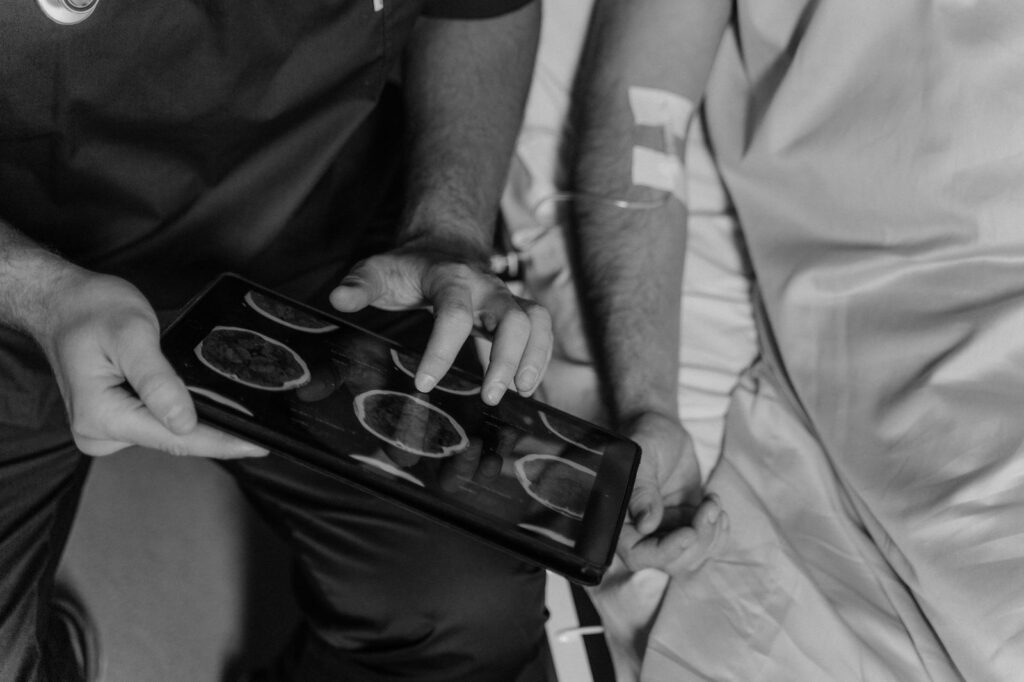
Severity ranges from mild concussion to severe diffuse axonal injury (DAI), which causes permanent cognitive, physical, or behavioral impairment. Medical imaging (CT, MRI) and neuropsychological testing confirm diagnosis and document severity and long-term outlook.
How Much Are Slip and Fall Brain Injury Settlements Worth?
Settlement amounts vary widely. They depend on injury severity, jurisdiction, liability strength, and damages.
Minor slip-and-fall settlements—sprains, minor fractures, no permanent injury—typically range from a few thousand to $20,000–$50,000. These cases often settle within months.
Slip and fall brain injury claims involving catastrophic injury are in a completely different category. A TBI claim may include:
- Past and future medical care
- Rehabilitation
- Lost wages
- Loss of earning capacity
- Pain and suffering
- Permanent disability
Settlements for catastrophic TBI from a slip and fall can reach six or seven figures, depending on age, pre-injury earning capacity, and long-term care needs.
No two claims are identical. Comparing your case to average slip-and-fall settlements is unreliable. A 25-year-old professional with severe TBI and 40 years of earning potential ahead has vastly different claim value than a 70-year-old retiree with the same injury severity.
What Factors Determine Slip and Fall Brain Injury Claim Value?
Settlement value depends on multiple factors working together:
Severity of the TBI. Mild concussion, moderate injury with some recovery, or severe with permanent cognitive or physical impairment all carry different values.
Medical evidence. Imaging, neuropsychological testing, and expert medical testimony documenting the injury and long-term outlook are essential. Vague or incomplete medical records lower claim value.
Permanence. Will the person recover fully, or are deficits permanent? Permanent impairment dramatically increases damages.
Impact on daily life. Can the person return to work? Perform self-care? Engage in relationships and hobbies? Greater disruption means higher claim value.
Age and pre-injury earning capacity. A 35-year-old professional with 30 years ahead has higher damages than a retiree. A person earning $100,000 annually has higher lost-earning-capacity damages than someone earning $30,000.
Past and future medical costs. Emergency care, hospitalization, rehabilitation, ongoing therapy, medications, assistive devices, and home modifications add up. A rehabilitation specialist can estimate lifetime costs.
Lost wages and loss of earning capacity. Income lost during recovery plus reduced earning ability long-term. If the person cannot return to their pre-injury job, that loss is substantial.
Pain and suffering. Physical pain, emotional distress, anxiety, depression, and loss of enjoyment of life. In TBI cases, this can be significant: chronic headaches, cognitive difficulties, mood changes, and permanent lifestyle limitations all factor in.
Liability strength. How clear is the property owner’s negligence? Did they fail to maintain the premises, warn of hazards, or provide reasonable security? Stronger liability means higher settlement value.
Insurance coverage. The defendant’s liability insurance limits may cap recovery. A property owner with only $100,000 in coverage cannot pay a $500,000 settlement.
Jurisdiction. State law, local court precedent, and jury attitudes vary. Florida juries may award different amounts than juries in other states.
Understanding Slip and Fall Negligence
A property owner has a legal duty to maintain their premises in a reasonably safe condition and to warn visitors of known hazards. Negligence occurs when the owner fails to do so, and someone is injured as a result.
Examples include:
- A grocery store fails to clean up a spill and post a warning sign
- An apartment complex does not repair a broken step
- A restaurant does not address a water leak that creates a slipping hazard
- A parking garage has poor lighting that masks a pothole
To prove negligence, you must establish four elements:
- The owner owed you a duty of care
- They breached that duty
- The breach caused your fall
- You suffered damages
Florida follows modified comparative fault under Fla. Stat. §768.81(6). If you were partly at fault—for example, you were not paying attention or wore inappropriate footwear—your recovery may be reduced by your percentage of fault. If you are found more than 50% at fault, you generally recover nothing.
Not sure what your next step is?
Talk it through with our team — the first consultation is free, confidential, and carries no obligation.
Pain and Suffering Damages in TBI Claims
Pain and suffering damages compensate you for physical pain, emotional distress, anxiety, depression, loss of enjoyment of life, and diminished quality of life. Unlike medical bills or lost wages (which are calculable), pain and suffering is subjective and varies by case.
A lump sum is a single payment covering all pain and suffering damages, rather than structured payments over time. In a TBI case, pain and suffering can be substantial. The person may experience chronic headaches, cognitive difficulties, mood changes, and permanent lifestyle limitations. Juries and settlement negotiators consider injury severity, age, life expectancy, and permanence when assessing pain and suffering.
Key Differences: Catastrophic TBI vs. Minor Falls
Minor slip-and-fall claims often resolve quickly with insurance adjusters. Catastrophic TBI claims require expert medical testimony and frequently go to trial.
TBI claims demand:
- Detailed neuropsychological evaluation
- Vocational rehabilitation assessment
- Life-care planning
The injured person’s long-term outlook, cognitive and physical recovery, and ability to return to work are central to valuation. Catastrophic TBI claims may involve multiple defendants (property owner, maintenance contractor, security company) and multiple insurance policies, making negotiations more complex.
Why Location and Jurisdiction Matter
Premises-liability law differs by state. Florida has specific rules about property owner duties and comparative negligence under Fla. Stat. §768.81.
This firm handles slip-and-fall cases nationwide, including catastrophic TBI claims in Florida and across the country. Settlement amounts and jury awards reflect local cost of living, medical costs, and jury attitudes. Different jurisdictions apply different legal standards and damage calculations to injury claims.
What Happens After a Slip and Fall Brain Injury?
Immediate: Seek emergency medical care. A head injury requires evaluation even if you feel okay.
Document: Take photos of the hazard, the scene, and your injuries. Get witness contact information. Report the incident to the property owner and request a written incident report.
Medical: Follow all medical advice, attend appointments, and keep records of all treatment, tests, and costs.
Legal: Consult an attorney who focuses on catastrophic injury claims. Do not settle quickly or sign documents without legal review. Florida’s statute of limitations requires you to file a lawsuit within two years under Fla. Stat. §95.11(4)(a) for most personal-injury claims.
Investigation: Your attorney will investigate the property owner’s maintenance records, prior complaints, security footage, and similar incidents.
Valuation: Medical experts will assess your injury, outlook, and lifetime care needs to establish claim value.
Negotiation or trial: Your attorney will pursue settlement or, if necessary, take the case to court.
Have questions about what happened?
Ask our team directly. The first conversation is free, confidential, and there is no obligation to continue.
Frequently Asked Questions
Can I sue for a slip and fall that caused a head injury?
Yes, if the fall was caused by someone else’s negligence—a wet floor without warning, broken stairs, poor lighting, or inadequate maintenance—you may have a valid claim.
What is the difference between a minor slip and fall and a catastrophic slip and fall brain injury claim?
Minor claims involve sprains or small fractures that heal. Catastrophic claims involve permanent, life-altering injuries like TBI that require expert medical testimony, detailed evaluation, and often trial.
How long does it take to settle a slip and fall case with a TBI?
Catastrophic TBI claims typically take longer than minor slip-and-fall cases—often 12–24 months or more, depending on medical evaluation, investigation, and negotiation complexity.
What medical evidence do I need for a slip and fall brain injury claim?
Medical imaging (CT or MRI), neuropsychological testing, expert medical testimony, and detailed treatment records documenting your injury, symptoms, and outlook are essential.
Is it worth suing for a slip and fall that caused a brain injury?
Yes, if the property owner was negligent, you have medical evidence of the injury, you have damages (medical bills, lost income, ongoing care needs), and the defendant has insurance or assets. A TBI can result in lifetime care costs and lost earning capacity. A settlement can help cover those needs.
If you or a family member suffered a head injury from a fall on someone else’s property, you may have a claim for compensation. The value of your claim depends on the severity of your injury, your medical outlook, your age and earning capacity, and the strength of the negligence case.
People who have suffered a TBI from a slip and fall often reach out to discuss what happened, what their injury means, and whether they have a case worth pursuing. A free case evaluation can help you understand your options and next steps—with no obligation. Contact us today to get started.
Time Matters
Brain injuries from slip and falls can develop symptoms hours or even days after the fall. Seek medical attention immediately, even if you feel fine at first. Document everything—the scene, your injuries, and any hazard that caused your fall. Early medical records and evidence are critical to your claim.
Key Factors That Affect Settlement Value
Severity of the Brain Injury
Mild concussions typically result in lower settlements than moderate or severe traumatic brain injuries (TBI). Permanent cognitive impairment, memory loss, personality changes, or loss of consciousness significantly increase claim value.
Medical Expenses & Future Care
Settlements account for emergency care, imaging (CT scans, MRIs), hospitalization, rehabilitation, and ongoing treatment. If your injury requires long-term therapy or assisted living, those costs are factored into your recovery.
Lost Income & Earning Capacity
If the injury prevents you from returning to work—temporarily or permanently—you can recover lost wages and reduced future earning potential. This is especially significant for catastrophic brain injuries.
Proof of Negligence
The property owner's responsibility depends on whether they knew (or should have known) about the hazard and failed to fix it or warn you. Wet floors, broken stairs, poor lighting, and lack of maintenance are common negligence factors.
Why These Cases Are Complex—and Why You Need a Lawyer
Insurance Companies Fight Back
Property owners' insurers will argue the fall was your fault or that your injury wasn't serious. They use surveillance footage, witness statements, and medical records to minimize payouts. An experienced attorney levels the playing field.
Medical Evidence Is Crucial
Brain injuries are invisible. Proving TBI requires detailed medical records, imaging results, neuropsychological testing, and expert testimony. We work with medical professionals to build a strong case.
Liability Can Be Tricky
You must prove the property owner was negligent—that they created or knew about the hazard and failed to act. This requires investigation, scene documentation, maintenance records, and sometimes expert analysis.
Your Symptoms May Worsen Over Time
Brain injury effects can emerge or intensify months or years later. A settlement must account for long-term impacts on cognition, mood, relationships, and quality of life—not just immediate medical bills.
What We Do to Build Your Case
Investigate the Scene
We gather evidence about the hazard that caused your fall—photos, maintenance records, prior complaints, security footage, and witness statements. We determine whether the property owner knew or should have known about the danger.
Secure Medical Documentation
We work with your doctors and, when necessary, independent medical experts to document the full extent of your brain injury, treatment needs, and long-term prognosis. This evidence directly impacts settlement value.
Calculate Your Full Damages
We account for all losses: past and future medical care, lost wages, reduced earning capacity, pain and suffering, and diminished quality of life. We don't leave money on the table.
Negotiate or Litigate
We handle settlement negotiations with insurers. If a fair offer isn't reached, we're prepared to take your case to trial and present your claim to a jury.
How CHG Personal Injury Lawyers Approaches Your Case
Focused on Catastrophic Injury
Our practice focuses exclusively on serious and catastrophic personal injuries, including traumatic brain injuries from slip and falls. We understand the lifelong impact these injuries have on you and your family.
Free Case Evaluation
We offer a free, confidential consultation to review your slip and fall, discuss your injuries, and explain your options. There are no upfront fees—we work on contingency.
Nationwide Representation
Based in Florida, we represent clients nationwide. No matter where your slip and fall occurred, we can help.
Compassionate, Plain-Language Guidance
We explain the legal process in terms you understand. We listen to your story and fight for fair compensation so you can focus on recovery.