
Slip and Fall Claims in Tampa, Florida
Hurt in a Slip and Fall in Tampa? Talk With Our Florida Injury Lawyers
A fall on a wet floor, a broken stair, or an unsafe walkway can change your life in an instant. CHG Personal Injury Lawyers offers a free, confidential first consultation with no obligation to continue.
Why Injured People Call CHG
Free
Confidential first consultation with no obligation
Florida
Florida-based, serving clients throughout the state
Licensed
Attorneys admitted to The Florida Bar
By CHG Lawyers · Published October 21, 2026
Looking for a slip and fall attorney in Tampa, FL? Start with one question: did an unsafe property cause the fall? If it did, the person who was hurt may have a claim against the property owner or manager. This guide explains how these claims work in Florida.
What a Tampa Slip and Fall Claim Is and Who It Helps
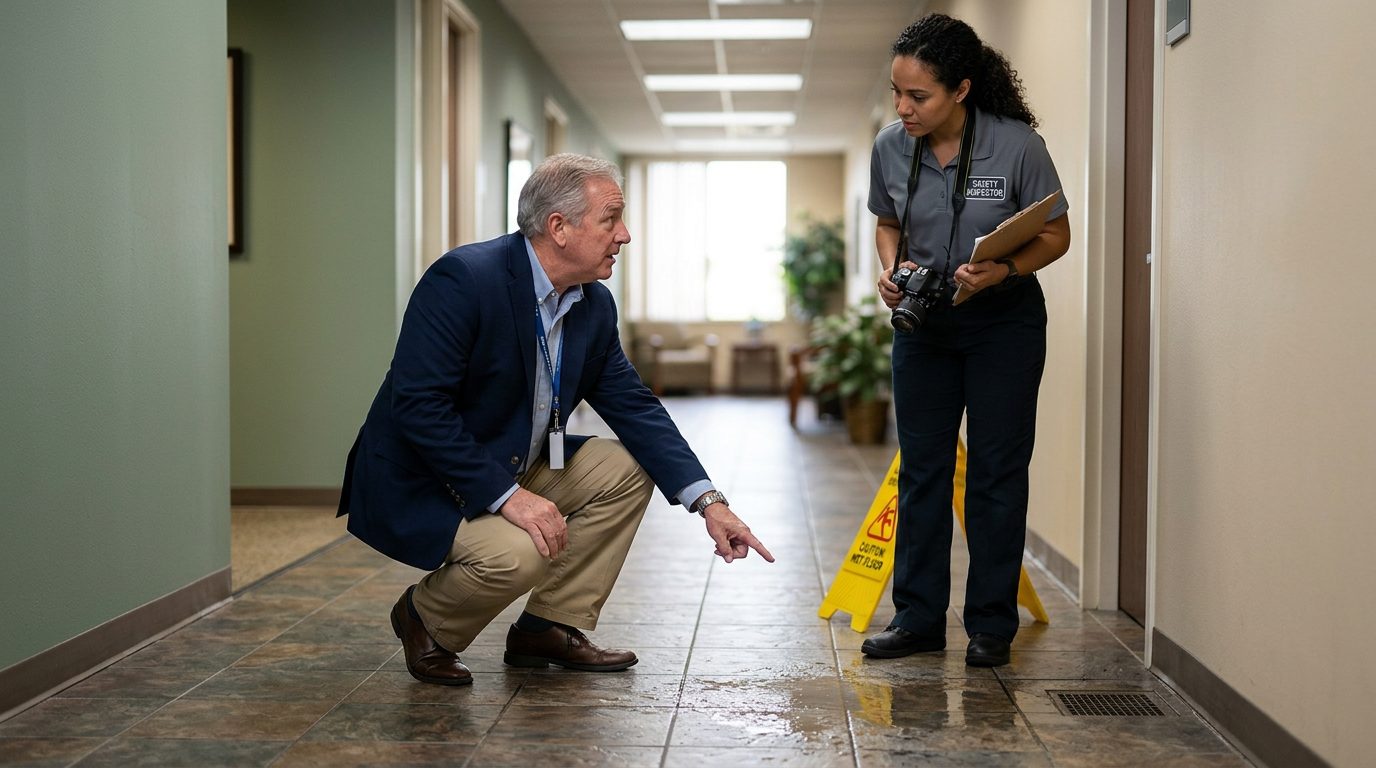
A slip and fall claim is a personal injury claim. It is for someone hurt in a fall caused by a property that was not kept reasonably safe. For example, a spilled drink in a grocery aisle that nobody cleaned up. Or a loose handrail on an apartment stairwell.
Lawyers call this premises liability. Premises means the property itself. The owner or manager can be responsible for injuries caused by unsafe conditions. This applies when they knew about the condition or should have fixed it.
Falls are not only wet-floor incidents. Claims can involve:
- Uneven flooring, torn carpet, or cracked pavement
- Broken stairs or loose handrails
- Poor lighting in hallways or parking garages
- Icy or debris-covered walkways
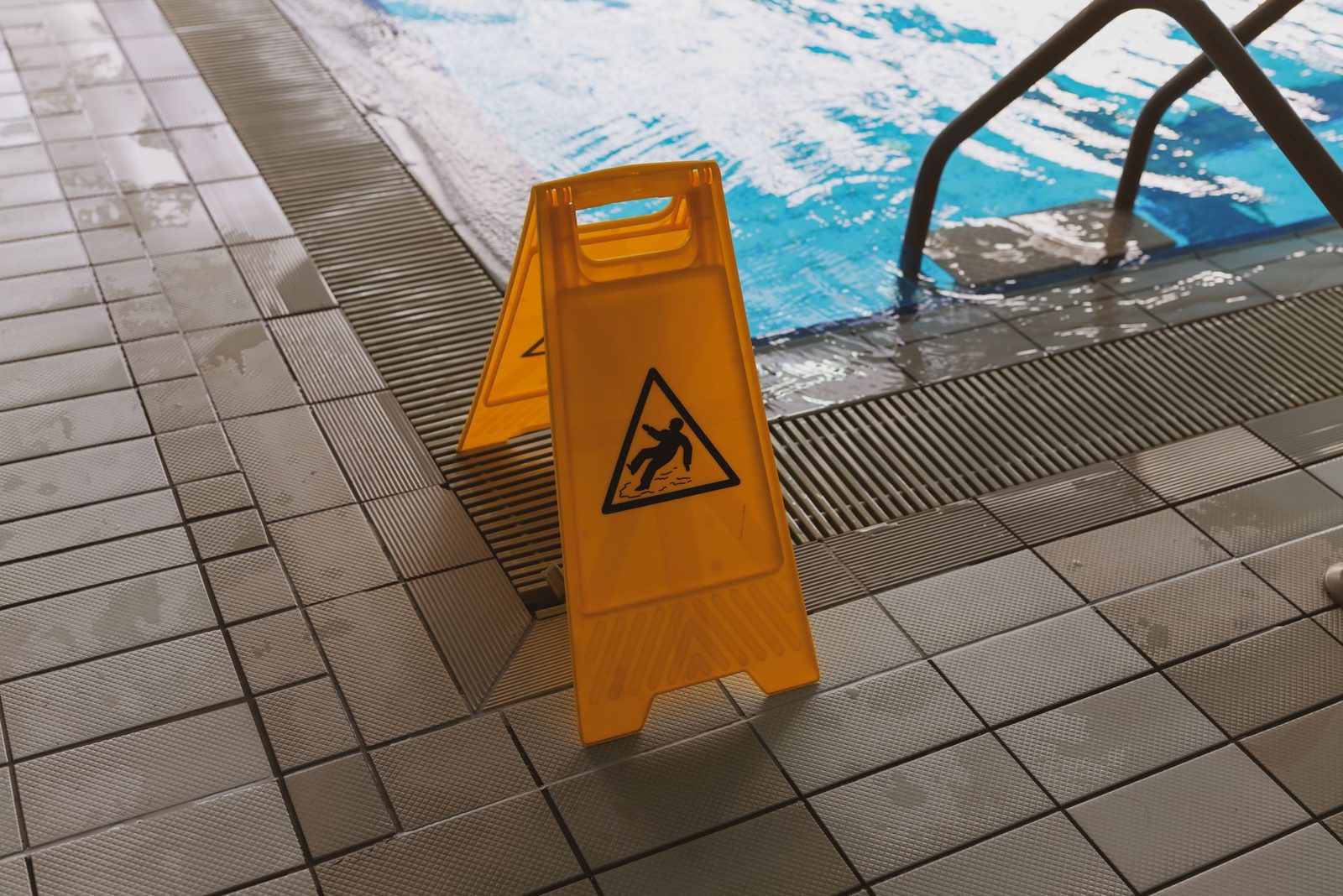
- Missing warning signs near a known hazard
Tampa falls happen in many places. These include grocery and retail stores, apartment and condo complexes, restaurants, hotels, parking lots and garages, and office buildings.
This page is for anyone hurt on another party’s property in Tampa or elsewhere in Florida. It is also for family members pursuing a claim after a fatal fall.
Not sure what your next step is?
Talk it through with our team — the first consultation is free, confidential, and carries no obligation.
What a Slip and Fall Claim Can Cover
A slip and fall claim can seek compensation for the losses a fall causes. These include medical bills, lost income, and pain and suffering. The value depends on the injury, the treatment, and the proof.
Claims commonly include:
- Past and future medical bills
- Rehabilitation and physical therapy
- Prescription and medical equipment costs
- Lost wages and lost ability to earn in the future
- Pain, suffering, and loss of enjoyment of life
Falls often cause fractures, head and brain injuries, back and neck injuries, and hip or knee injuries. Some take months or longer to heal.
Florida law limits proof of bills already paid to the amount actually paid, regardless of who paid them. See Fla. Stat. § 768.0427.
Records are the foundation of any damages claim. Damages means money for losses. Keep medical records, bills, pay stubs, and a list of missed work.
A fall can also change how a person works, drives, or cares for family. When those effects are documented, they can be part of the claim.
What You Need to Show in a Florida Slip and Fall Case
You generally need to show that the property knew, or should have known, about the dangerous condition.
For a slippery substance on a business floor, Florida’s statute spells out the test. Under Fla. Stat. § 768.0755, the injured person must prove the business had actual or constructive knowledge of the condition. Fla. Stat. § 768.0755 reads: “If a person slips and falls on a transitory foreign substance in a business establishment.” The person must also show the business should have acted.
- Constructive knowledge means the business should have known, even if no one did. Constructive knowledge may be proven by circumstantial evidence showing that:
- The condition existed long enough that, with ordinary care, the business should have found it.
- The condition happened so often that the business should have expected it.
For hazards that are not a slippery substance, such as broken stairs, the common-law duty of care still applies. Common law means the rules courts have built over time. The statute does not change that duty.
Evidence that helps includes:
- Photos and video of the spot, taken soon after the fall
- Incident reports filed with the store or property manager
- Names and contact details of witnesses
- Cleaning, maintenance, and inspection logs
- Notes on lighting and handrail condition at the time
Florida also uses comparative fault, or shared fault. Under Fla. Stat. § 768.81, a person found more than 50 percent at fault for their own harm may not recover any damages.
Fault is decided on the facts. So questions about your own actions deserve a careful review. Report the fall and get medical care. Follow your doctors’ care.
Florida’s Deadline for Filing a Slip and Fall Lawsuit
Florida sets a deadline for filing a lawsuit. This is called a statute of limitations. Missing it can end a claim, no matter how serious the injury.
The time limits are set out in Fla. Stat. § 95.11, the state’s limitations statute.
Time also affects evidence:
- Surveillance video is often kept only for a limited time.
- Witnesses move.
- Records get lost.
Early review helps protect evidence. It also shows which deadline applies to your facts. Do not assume you have more time than you think.
Have questions about what happened?
Ask our team directly. The first conversation is free, confidential, and there is no obligation to continue.
How the Process Works With Our Team
The process starts with a free, confidential consultation. You have no obligation to continue after it. Here is what to expect from there.
- Consultation. We review how the fall happened, your injuries, and any papers you already have.
- Investigation. We request incident reports and surveillance footage. We gather witness information and collect medical records that document your injuries.
- Claim presentation. We present the claim to the property’s insurance company. We handle communications, so you do not have to deal directly with the adjuster, the insurance company’s claims representative.
- Negotiation or lawsuit. If a fair resolution is not reached, we discuss filing suit in a Florida court. Timelines vary by case. We explain each stage as it comes.
Igor Hernandez is the responsible lawyer for this page. Our team and our lawyers work together on each file, from the first call through any resolution.
Why Injured Tampa Residents Contact CHG Personal Injury Lawyers
CHG Personal Injury Lawyers is a Florida-based firm. It serves people throughout Florida, including Tampa. Our attorneys are licensed in Florida and admitted by The Florida Bar.
The practice focuses on personal injury cases of every severity. That includes everyday falls and car accidents. It also includes catastrophic injuries and wrongful death.
Our team handles the paperwork and insurance communications. This lets injured people focus on recovery.
We publish educational content in English and Spanish. Families who prefer Spanish can read about the process in their own language.
CHG charges no attorney’s fees and no case costs unless there is a recovery. The first consultation is free and confidential. It carries no obligation to continue.
Frequently Asked Questions About Tampa Slip and Fall Claims
Do I need a police report for a slip and fall claim?
Not always. The property’s incident report, photos, and witness names often play a bigger role in a premises claim.
What if I was partly at fault for my fall?
Florida’s comparative fault rule can reduce recovery in proportion to the claimant’s own fault, but it does not by itself bar recovery. A person found more than 50 percent at fault may not recover any damages.
Should I give a recorded statement to the store’s insurance company?
It is wise to speak with a lawyer first. That is important before giving a recorded statement or signing a release, a document that can end your right to make further claims. We can handle those communications for you.
Can family members pursue a claim after a fatal fall?
Yes. Florida’s wrongful death law lets the family pursue a claim through the decedent’s personal representative, the person who handles the deceased person’s estate. The claim is for the survivors and the estate. See Fla. Stat. § 768.20.
Want to know where you stand?
Tell us what happened and our team will walk you through the options available to you, at no cost.
Talk to a Tampa Slip and Fall Attorney About Your Fall
If a fall on a store floor, in an apartment stairwell, or in a parking garage left you with injuries, bills, and missed work, you do not have to sort out the claim alone. Our team can review what happened. We can also review which deadline may apply to you.
Request your free, confidential case review through our contact page.
How We Can Help You Move Forward
We Start With You
Your recovery comes first. We listen to what happened, what you are facing, and what matters most to your family.
We Build the Record
Incident reports, photos, witness names, and maintenance records can all matter in a premises claim. Our team works to gather and preserve them.
No Fees Unless There Is a Recovery
CHG charges no attorney's fees and no case costs unless there is a recovery. Our first consultation is free and confidential.
Clear, Plain-Language Answers
We explain Florida law and your options in terms you can understand, so you can make informed decisions about your case.
Before You Speak to the Property's Insurer
Insurance adjusters may call soon after a fall and ask for a recorded statement. You do not have to give one. Before you talk, consider speaking with a lawyer, and follow your doctor's care.
Steps That Can Help After a Fall
Get Medical Care
See a doctor as soon as you can, even if your injury seems minor. Follow your doctor's treatment plan and keep every appointment.
Report the Fall
Ask the property owner or manager to file an incident report. Note the name of anyone who took your report.
Document the Scene
If you are able, photograph the spot, the lighting, the floor or step, and any warning signs or their absence.
Keep Your Records
Save medical bills, receipts, work notes, and photos of your injuries. Write down what happened while the details are fresh.