
Slip and Fall | Hotel Liability
Can You Sue a Hotel for a Slip and Fall in Florida?
You may have a claim if the hotel's negligence caused your injury. Learn what you must prove and how Florida law protects you.
By CHG Lawyers · Published October 04, 2026
Can You Sue a Hotel for a Slip and Fall in Florida? Your Legal Rights
Yes, you can sue a hotel for a slip and fall—but only if you prove the hotel’s negligence caused your injury. Not every fall results in a valid lawsuit. The key difference is whether the hotel failed to maintain safe conditions or warn you of a known hazard.
This guide explains when you have a slip-and-fall claim under Florida law, what you must prove, and what evidence matters most. It also addresses how partial fault affects your recovery and how even a slip and fall can result in catastrophic, life-altering injuries that require immediate legal action.
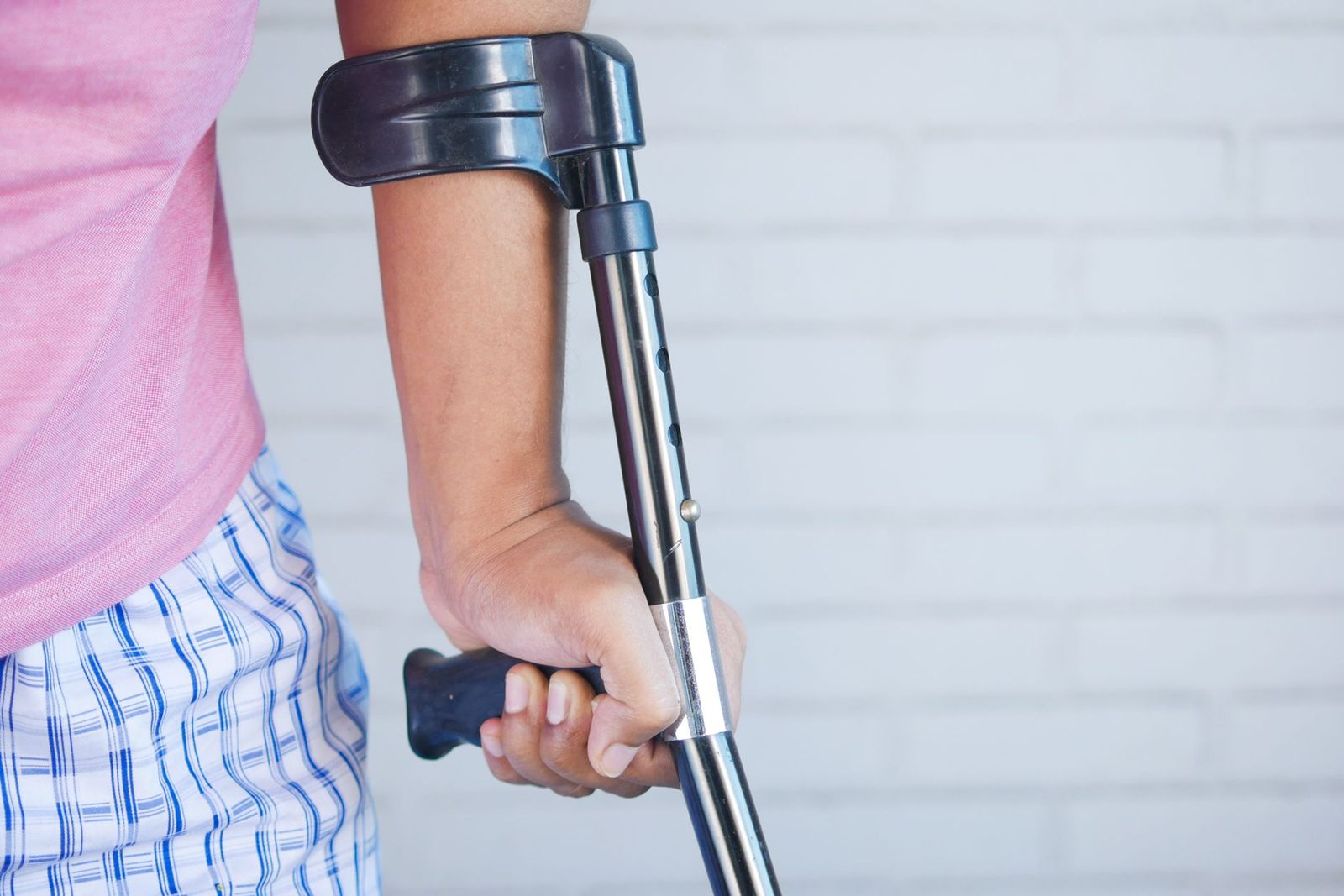
If you fell in the shower or tub because the surface was slippery, cracked, or defective, or because the hotel failed to maintain it, you may have a claim. Talk it through with our team — the first consultation is free, confidential, and carries no obligation.
When Is a Hotel Legally Responsible for Your Slip and Fall?
Hotels have a legal duty to keep their premises reasonably safe for guests. Under Florida premises liability law, a hotel is responsible for your slip and fall when it was negligent—meaning it failed to act as a reasonable hotel owner would.
Negligence requires four elements. You must prove all four:
- Duty: The hotel owed you a legal obligation to maintain safe conditions.
- Breach: The hotel failed to meet that obligation (did not clean a spill, did not repair a hazard, did not post a warning).
- Causation: The hotel’s failure directly caused your fall and injury.
- Damages: You suffered real, measurable harm—medical bills, lost wages, pain and suffering, or permanent injury.
Hotels owe guests a higher duty of care in common areas (lobbies, hallways, pools, restaurants, parking areas) than in guest rooms, where you share responsibility for your own safety.
Common examples of hotel negligence include:
- Wet floors without warning signs or caution tape
- Broken or missing handrails on stairs or in bathrooms
- Poor lighting in hallways, stairwells, or parking areas
- Debris, trash, or objects left on floors or walkways
- Broken or uneven stairs
- Defective bathroom fixtures (broken tub, cracked shower floor, worn non-slip coating)
- Negligent maintenance or failure to repair known hazards
- Poolside areas with algae, debris, or slippery surfaces
The Four Elements of Negligence: What You Must Prove
Duty: The hotel had a legal obligation to keep the area safe or warn you of dangers. Florida courts recognize that hotels owe guests a duty of care under premises liability law. This duty is strongest in lobbies and hallways, lower but still present in guest rooms.
Breach: The hotel failed to meet that obligation. For example, staff spilled liquid on a lobby floor and did not clean it up or post a warning sign within a reasonable time. Or the hotel knew a stair was broken but did not repair it or block access. Breach means the hotel did not act as a reasonable hotel owner would have.
Causation: The hotel’s failure directly caused your fall and injury. The hazard the hotel created or failed to fix is what made you fall. If you fell because you were not watching where you were walking, and the hazard was obvious and avoidable, causation may be harder to prove. If the hazard was hidden, poorly lit, or if the hotel had a duty to warn you and did not, causation is stronger.
Damages: You suffered real, measurable harm. Medical bills, lost wages, pain and suffering, and permanent injury all count as damages. You must have actual medical records or other documentation showing you were injured and incurred costs or losses.
The Hardest Part: Proving the Hotel Knew About the Hazard
You must show the hotel knew—or reasonably should have known—about the hazard that caused your fall. This is often the hardest element to prove.
Hotels argue they had no reason to know about the hazard, or that it existed for only a moment before you fell. To overcome this, you need evidence: photographs of the hazard, witness statements, maintenance records, or security camera footage showing the hazard was there long enough that the hotel should have discovered it during routine cleaning or inspection.
The timing question: How long had the hazard existed before you fell? If a spill happened seconds before you fell, the hotel may argue it had no reasonable opportunity to discover and clean it. But if the hazard was there for hours or days, the hotel should have found it during routine maintenance or cleaning cycles. Hotels typically clean common areas multiple times per day—this expectation works in your favor if the hazard persisted.
Maintenance records matter: Hotels maintain cleaning logs and maintenance schedules. If you can show the area should have been cleaned or inspected shortly before your fall, but the hazard remained, the hotel’s liability is stronger.
How Florida’s Comparative Fault Law Affects Your Slip and Fall Claim
Under Florida Statute § 768.81, Florida uses “modified comparative negligence.” Both you and the hotel can share responsibility for your injury—but partial fault does not automatically bar your recovery.
Here’s how it works:
- If you are found more than 50% at fault, you recover nothing.
- If you are found 50% or less at fault, your damages are reduced by your percentage of fault.
Example: You slip on a wet lobby floor and suffer a $100,000 injury. The hotel failed to post a warning sign, but you were also walking quickly without looking down. A jury might find you 30% at fault and the hotel 70% at fault. You would recover $70,000 (your $100,000 damages reduced by your 30% share).
Why this matters: Many injured people assume that any share of fault means they cannot recover. That is not true under Florida law. Even if you were partially careless, you can still recover damages as long as you are not more than 50% at fault (Fla. Stat. § 768.81(6)). The hotel will argue you were careless, not paying attention, or wearing inappropriate footwear—trying to shift blame to you to reduce their liability. Strong evidence—photographs, witness statements, and security footage—can counter these arguments and show the hotel’s negligence was the primary cause of your injury.
Slip and Fall Can Lead to Catastrophic, Life-Altering Injuries
While many slip-and-fall cases involve minor injuries, a fall can result in catastrophic, permanent harm. If you or a loved one has suffered a severe injury from a fall, the stakes are far higher than medical bills alone.
Spinal cord injuries and paralysis: A fall from height or onto a hard surface can damage the spinal cord, resulting in paraplegia (paralysis of the lower body) or quadriplegia (paralysis of all four limbs). These injuries are permanent and life-altering, requiring lifelong medical care, mobility equipment, home modifications, and personal assistance.
Traumatic brain injury (TBI): A blow to the head during a fall can cause a traumatic brain injury, ranging from concussion to severe brain damage. TBI can result in cognitive impairment, memory loss, personality changes, loss of consciousness, and permanent disability. Recovery is often incomplete and unpredictable.
Amputation and limb loss: In rare cases, a fall can result in crush injuries or complications requiring amputation of a limb. The loss of a limb is permanent and profoundly affects mobility, independence, and quality of life.
Severe fractures and surgical complications: A fall can cause fractures requiring surgery, fusion, or internal fixation. Surgical complications, infection, or poor healing can lead to permanent disability, chronic pain, and loss of function.
If your fall resulted in any of these catastrophic injuries, the compensation you deserve is substantially higher than in a minor injury case. Damages must account for lifelong medical care, lost earning capacity, home and vehicle modifications, assistive devices, and the profound impact on your quality of life.
What Evidence Strengthens Your Slip and Fall Claim?
Gather as much evidence as possible immediately after your fall. The more evidence you have, the stronger your claim.
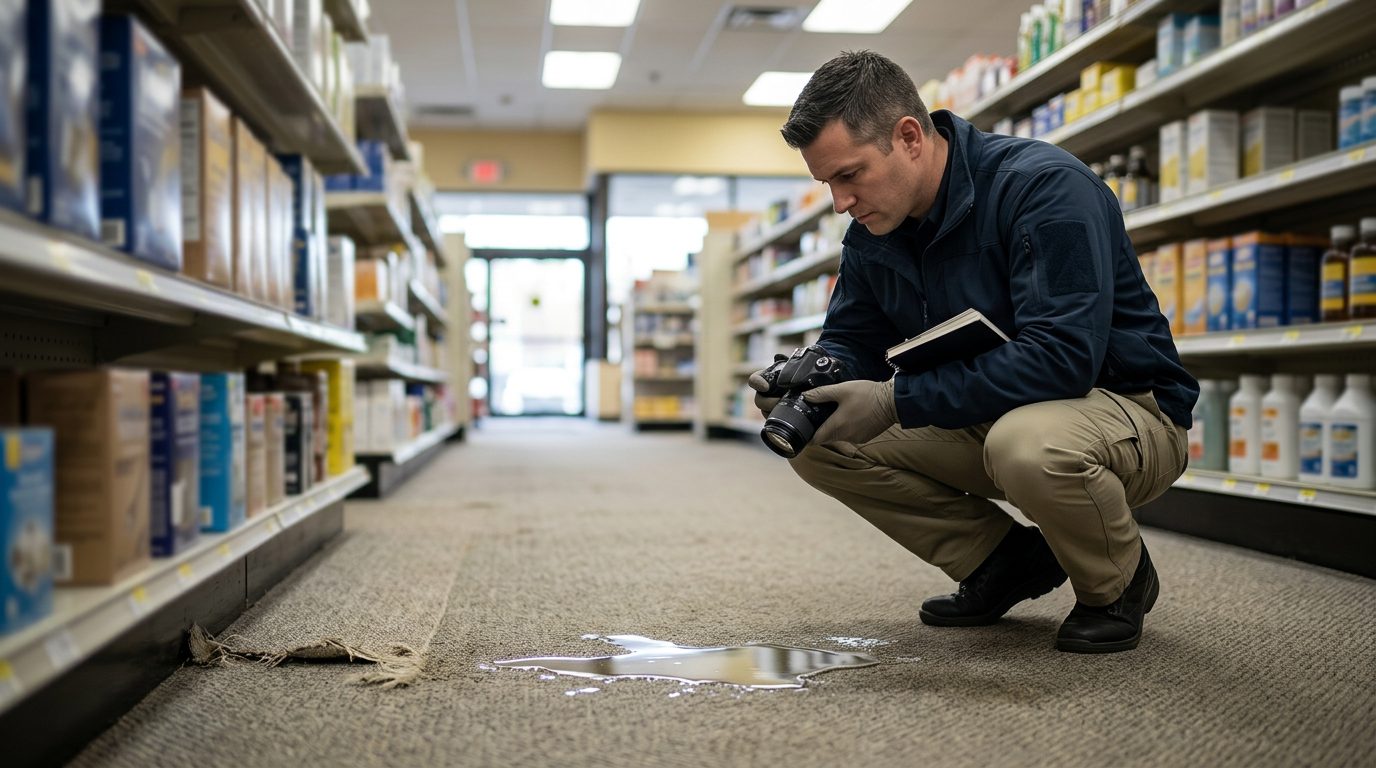
Photographs or video: Take clear photos of the hazard that caused your fall—the wet floor, the broken step, the debris, the poor lighting. Include wide shots showing the area and close-ups of the hazard. Take video showing the hazard and how it was positioned. Photograph the scene from multiple angles. If you have visible injuries (bruising, cuts), photograph those too.
Hotel incident report: Report the fall to hotel management immediately and ask for a written incident report. Get a copy. This document is crucial—it creates an official record of what happened. Do not leave without it. If the hotel refuses to provide one, note the date, time, and names of staff members you spoke with.
Medical records: Seek medical attention right away, even if you think the injury is minor. Some injuries worsen over time. Keep all medical records, test results, imaging reports (X-rays, MRI, CT scans), treatment plans, and bills. These prove your injury and its severity.
Witness statements: Get the names and contact information of any guests or staff who saw the hazard or your fall. Ask them to write down what they saw, sign it, and provide their contact information. Witness testimony is powerful evidence.
Your own account: Write down what happened as soon as possible—the date, time, location, what you were doing, what caused the fall, how you landed, and what injuries you felt. Include details about the hazard (color, size, texture, how long it had been there if you know). This contemporaneous account is valuable.
Maintenance records and cleaning logs: Your attorney can request the hotel’s maintenance and cleaning logs through the discovery process. These show whether the hotel had a routine for checking and cleaning the area, and whether the hazard should have been discovered.
Security camera footage: Hotels have security cameras in lobbies, hallways, elevators, pools, and parking areas. Your attorney can request this footage, which may show the hazard, how long it was there, and exactly how you fell. This is often the most persuasive evidence.
If you have slipped and fallen at a hotel and suffered an injury, you may have a valid premises liability claim. Talk it through with our team — the first consultation is free, confidential, and carries no obligation.
Falls in Common Areas Versus Guest Rooms: Different Liability Rules
Hotel liability differs depending on where you fell.
Common areas (higher hotel responsibility): Lobbies, hallways, elevators, stairwells, pools, restaurants, parking lots, and garages carry higher hotel responsibility. The hotel has a clear duty to maintain these areas and warn guests of hazards. If you slip on a wet lobby floor without a warning sign, or if you fall down a broken stair in a hallway, the hotel’s liability is strong. The hotel controls these spaces entirely and has a duty to inspect and maintain them regularly.
Guest rooms (lower hotel responsibility, but still liable for negligence): You have some responsibility for your own safety in a space you control. The hotel’s duty is lower. If you trip over your own luggage or slip on water you spilled, the hotel is not liable. However, the hotel is still responsible if the hazard was caused by the hotel’s negligence—a broken bathtub, faulty plumbing, poor maintenance, or a defect in the room itself.
Bathroom falls are common in hotel rooms. If you fell in the shower or tub because the surface was slippery, cracked, or defective, or because the hotel failed to maintain it, you may have a claim. If the non-slip coating was worn away, or if the tub had a known defect, the hotel is liable. If you fell because you were careless or because the hazard was obvious and easily avoidable, your claim is weaker.
How Hotels Defend Themselves—and How to Counter Their Arguments
Understanding hotel defenses helps you prepare your evidence and counter their arguments.
“You were not paying attention”: Hotels argue you were careless or not watching where you were walking. This defense is weaker if the hazard was hidden, poorly lit, or if the hotel had a duty to warn you and did not. Photographs showing poor lighting or an obscured hazard undermine this argument.
“The hazard was obvious”: They claim you should have seen it and avoided it. If a wet floor was clearly visible, or if a broken stair was easy to spot, this argument may have some force. But if the area was dark, crowded, or if the hazard was not immediately apparent, this defense fails. Security camera footage can show whether the hazard was truly obvious.
“Your footwear was inappropriate”: They may say you were wearing flip-flops, high heels, or worn-out shoes. While footwear can matter, it does not excuse the hotel’s negligence in maintaining safe conditions. A reasonable hotel must maintain safe conditions for guests in ordinary shoes.
“The hazard existed for only a moment”: They argue the hazard appeared seconds before you fell and they had no time to discover and fix it. If the hazard was there for hours or days, maintenance records and security footage can show the hotel should have found it. But if it appeared moments before your fall, this defense may have weight.
“We posted a warning sign”: They point to wet-floor signs or warnings as proof they did their duty. However, a warning sign does not excuse the hotel if the hazard was still unreasonably dangerous, if the sign was not visible or adequate, or if the hazard persisted for an unreasonable time.
Gather evidence to counter these defenses: photographs, witness statements, maintenance records, and security footage.
What Compensation Can You Receive?
Damages in a slip-and-fall case may include:
- Medical expenses: Past and future treatment, surgery, rehabilitation, physical therapy, and medication.
- Lost wages: Income you lost while recovering and unable to work.
- Pain and suffering: Compensation for physical pain, emotional distress, and reduced quality of life.
- Permanent injury or disability: Additional damages if your injury causes lasting harm, loss of function, or changes to your lifestyle.
In severe cases, damages can be substantial—especially if the injury is catastrophic or permanent. A serious head injury, spinal cord injury, fracture requiring surgery, or long-term recovery can result in significant compensation. If your fall caused permanent paralysis, brain damage, amputation, or other life-altering injury, damages must account for a lifetime of medical care, lost earning capacity, and the profound impact on your quality of life.
The amount of your settlement or judgment depends on the severity of your injury, the strength of your evidence, and the hotel’s liability. Insurance adjusters and courts consider medical records, expert testimony, and the impact of the injury on your life.
Your Florida Statute of Limitations: Act Within Two Years
Under Florida Statute § 95.11, most personal-injury claims must be filed within two years of the injury. This deadline is critical—if you wait too long, you lose your right to sue entirely.
Do not delay. The sooner you gather evidence, the fresher witness memories are, and the easier it is to obtain security footage and maintenance records. Hotels may also delete security footage after a certain period (often 30 to 90 days). Act quickly to preserve evidence.
What to Do Immediately After a Slip and Fall at a Hotel
Taking the right steps immediately after your fall protects your claim and preserves evidence.
-
Seek medical attention right away, even if you think the injury is minor. Some injuries worsen over time, and medical records are essential proof of your injury.
-
Report the incident to hotel management and ask for a written incident report. Get a copy. Do not rely on a verbal report—written documentation is crucial.
-
Take photographs of the hazard, the scene, and your injuries. Use your phone if necessary. Take photos from multiple angles and include wide shots and close-ups.
-
Get the names and contact information of any witnesses—other guests, staff members, or anyone who saw the hazard or your fall. Ask them to write down what they saw and sign it.
-
Keep all documentation: medical records, receipts, bills, photographs, the incident report, and any communication with the hotel.
-
Do not sign anything the hotel asks you to sign without understanding it. Do not sign a waiver or release of liability. If the hotel pressures you, politely decline and consult an attorney.
-
Do not post about the incident on social media before consulting an attorney. Social media posts can be used against you and may harm your claim.
-
Write down your account of what happened while it is fresh in your memory—the date, time, location, what you were doing, what caused the fall, and how you landed.
Understanding Your Slip and Fall Claim and Next Steps
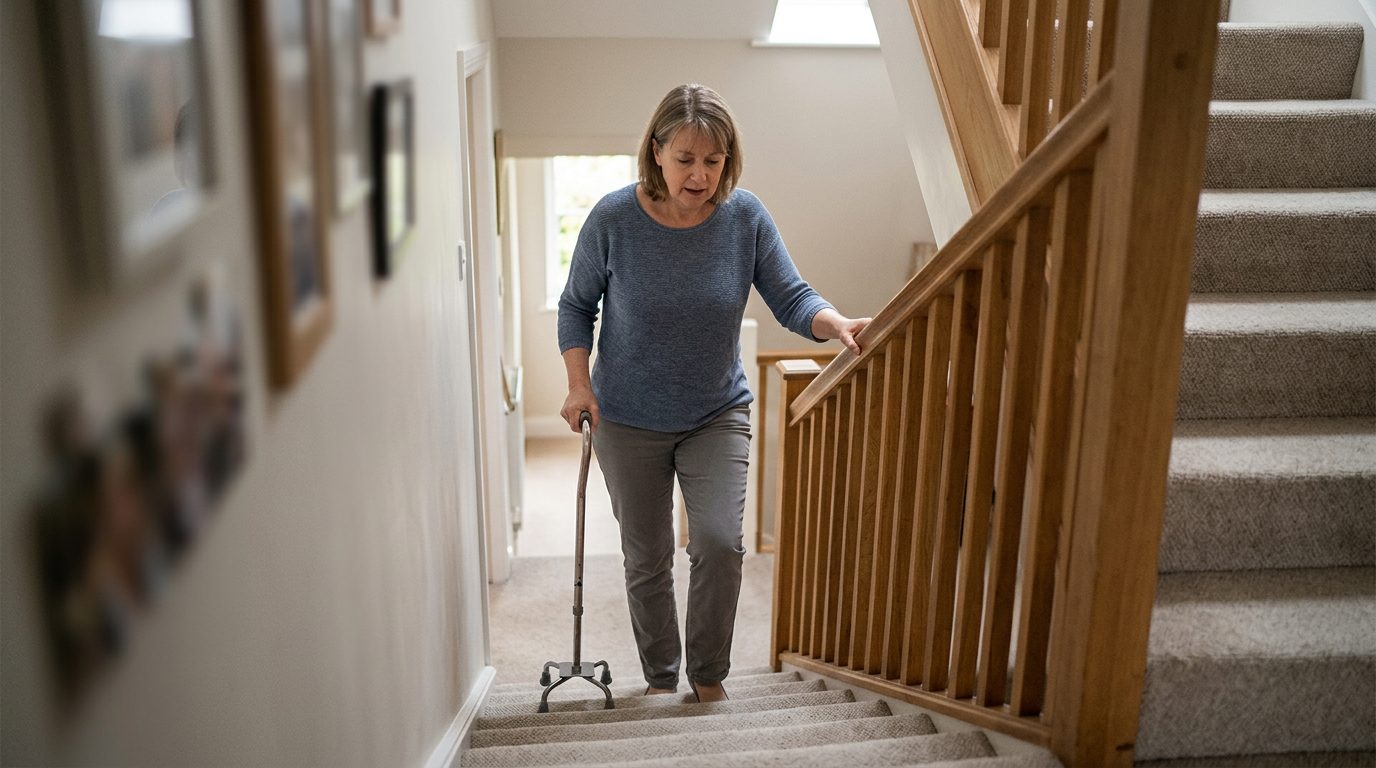
If you have slipped and fallen at a hotel and suffered an injury, you may have a valid premises liability claim. The strength of your claim depends on the facts, the evidence, and the severity of your injury. Even if you bear some responsibility for the fall, partial fault does not bar your recovery under Florida law—as long as you are not more than 50% at fault, you can still recover damages reduced by your percentage of fault (Fla. Stat. § 768.81(6)).
Many people in your situation are unsure whether they have a claim worth pursuing. That uncertainty is normal. The legal standard is not always clear-cut, and hotel defenses can be strong. But if the hotel was negligent and you were injured as a result, you deserve compensation.
An attorney who focuses on premises liability and slip-and-fall cases can review the facts, examine your evidence, and explain whether you have a viable claim. They can also handle communication with the hotel’s insurance company, gather additional evidence, and pursue settlement or litigation on your behalf.
CHG Personal Injury Lawyers focuses on personal injury cases arising from accidents and negligence, including slip-and-fall injuries at hotels and other properties. We represent injured people nationwide and provide bilingual (English/Spanish) support to ensure all clients understand their rights and options.
If you have slipped and fallen at a hotel and are unsure whether you have a claim—or if your fall resulted in a catastrophic injury like spinal cord damage, traumatic brain injury, or permanent disability—reach out for a free case evaluation. People in your situation can contact us to understand their options.
Contact us today for a free consultation. We are here to help you figure out what’s next, whether your injury is minor or life-altering. Call us or fill out our contact form—available in English and Spanish—to speak with an attorney about your case.
What You Must Prove in a Hotel Slip-and-Fall Claim
The Hotel Knew or Should Have Known
You must show the hotel was aware of the hazard—or that a reasonable property owner would have discovered it through regular inspection and maintenance.
The Hotel Failed to Act
The hotel either did not fix the hazard, did not clean it up, or did not warn guests of the danger through clear signage or barriers.
The Hazard Caused Your Injury
You must connect the unsafe condition directly to your fall and the harm you suffered—medical records and incident documentation are critical.
You Were Not Primarily at Fault
Florida's comparative negligence rule allows recovery even if you were partially at fault, as long as the hotel bore the greater share of responsibility (Fla. Stat. § 768.81(6)).
Not sure what your next step is?
Talk it through with our team — the first consultation is free, confidential, and carries no obligation.
Evidence That Strengthens Your Claim
Incident Reports and Photos
Documentation of the hazard at the time of your fall—wet floors, broken fixtures, poor lighting, or debris—is powerful proof of the unsafe condition.
Witness Statements
Other guests or staff who saw the hazard or your fall can corroborate your account and show the danger was visible to others.
Maintenance Records
The hotel's own logs may reveal a pattern of neglect, delayed repairs, or prior complaints about the same location or type of hazard.
Medical Evidence
Medical records, imaging, and provider notes establish the extent of your injury and link it to the fall—essential for calculating damages.
Timeline Documentation
When you reported the fall, how the hotel responded, and when repairs were made all matter in showing negligence or indifference.
Act Quickly—Time Matters
Florida law sets strict time limits for filing a personal-injury lawsuit. Preserving evidence, gathering witness information, and documenting your injuries early strengthens your case. The sooner you report the incident to the hotel and seek legal guidance, the better your position.
Common Questions About Hotel Slip-and-Fall Claims
Does the hotel have to pay if I slip and fall?
Not automatically. The hotel is liable only if its negligence—failure to maintain safe conditions or warn of hazards—caused your injury. A simple accident where no one was at fault does not create liability.
What if I was partly responsible for the fall?
Florida allows you to recover damages even if you share some fault. If the hotel was 70% at fault and you were 30% at fault, for example, you could recover 70% of your damages. The hotel must bear the greater share of responsibility.
What counts as a hazard the hotel should have fixed?
Wet or slippery floors, broken railings, torn carpet, poor lighting, debris, broken stairs, and malfunctioning doors are all conditions a hotel must address. The standard is whether a reasonable property owner would have discovered and remedied the danger.
How much can I recover?
Damages may include medical bills, lost wages, pain and suffering, and ongoing care costs. In catastrophic cases—spinal cord injury, traumatic brain injury, or permanent disability—damages can be substantial. An attorney can evaluate your specific situation.
Why Hotel Slip-and-Fall Claims Matter
Hotels Have a Legal Duty to You
Property owners—including hotels—are required by law to maintain reasonably safe conditions for guests and warn of known dangers. This duty is enforceable.
Even Minor Falls Can Lead to Serious Injury
A slip and fall may seem routine, but it can result in spinal cord injury, traumatic brain injury, broken bones, or other life-altering harm—especially for older adults or those with pre-existing conditions.
Hotels Often Carry Insurance
Most hotels maintain liability insurance to cover guest injuries. Your claim is typically resolved through the hotel's insurer, not out of the hotel's pocket.
Documentation Is Your Best Tool
Reporting the fall immediately, photographing the scene, collecting witness names, and seeking medical care create a clear record that protects your rights.